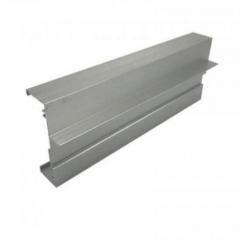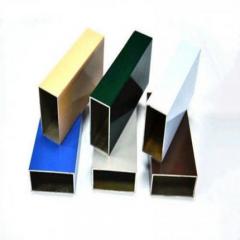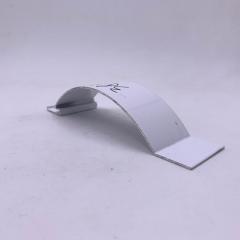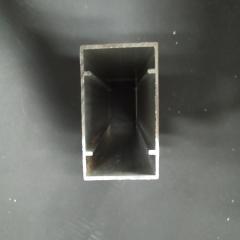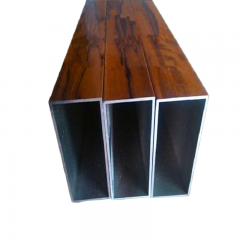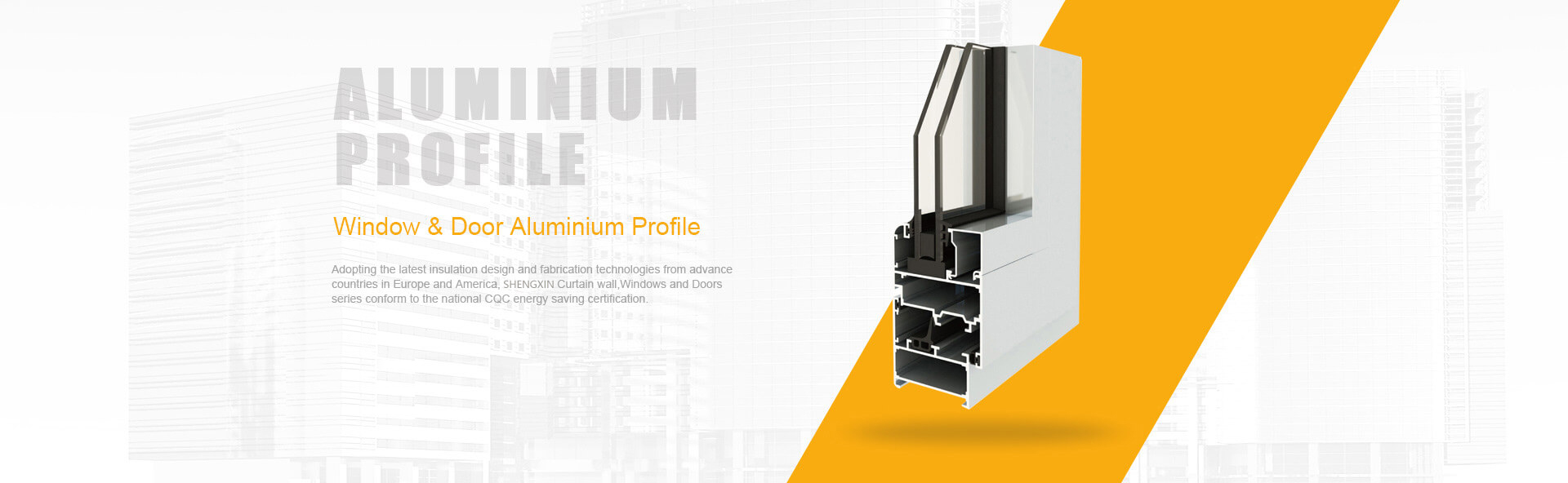
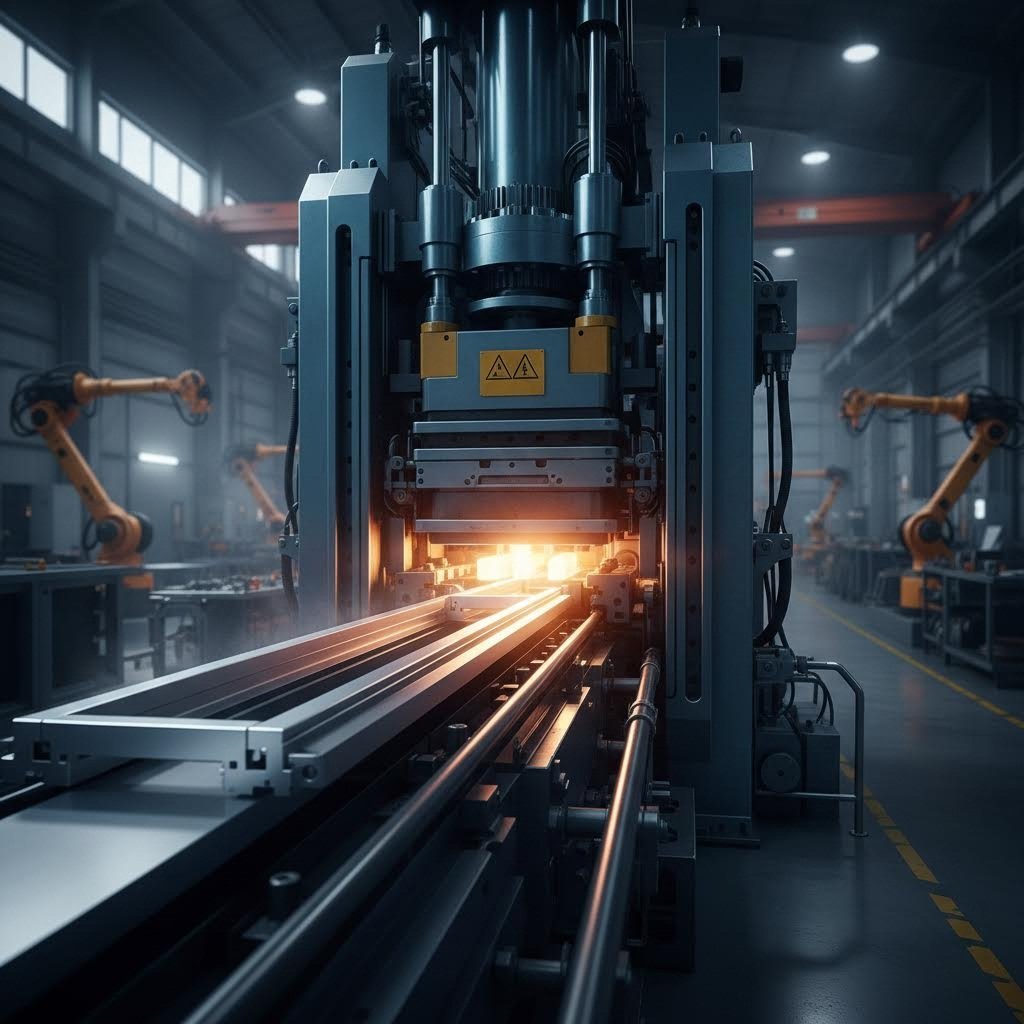
Ever wondered how those sleek, precisely shaped aluminum window frames come into existence? The answer lies in a fascinating manufacturing process called aluminum window frame extrusion. This technique transforms raw aluminum into the sophisticated profiles that frame millions of windows worldwide, delivering unmatched consistency and design possibilities.
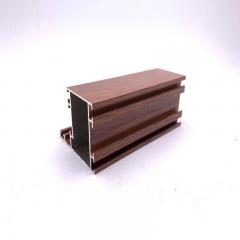
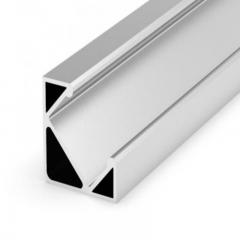
At its core, aluminum extrusion involves forcing heated aluminum billets through specially designed dies to create specific cross-sectional shapes. Think of it like squeezing toothpaste through a tube, except the "tube" opening is engineered to produce exact window frame profiles. This method allows manufacturers to create everything from simple rectangular frames to complex multi-chambered designs with remarkable precision.
The journey from raw aluminum to a finished extruded aluminum window frame involves several carefully controlled stages. Each step plays a critical role in determining the final product's quality, structural integrity, and performance characteristics.
Here are the key stages in the aluminum extrusion process:
What makes this manufacturing method so dominant in modern fenestration? The answer comes down to three compelling advantages.
Dimensional Consistency: When you're installing dozens or hundreds of windows in a commercial building, every aluminum window frame must be identical. Extrusion delivers this consistency because each profile emerges from the same die under controlled conditions. Tolerances can be held to fractions of a millimeter across entire production runs.
Design Flexibility: The extruded frame can incorporate complex geometries in a single piece. Channels for hardware, drainage pathways, thermal break cavities, and glazing pockets can all be integrated into one unified profile. This eliminates assembly steps and potential weak points found in fabricated alternatives.
Material Efficiency: Unlike machining, which removes material to create shapes, extrusion uses nearly all the aluminum that enters the process. Scrap rates are minimal, and any excess material is fully recyclable. For architects and builders evaluating aluminum extrusions for sale, this efficiency translates to competitive pricing without compromising quality.
After extrusion, profiles typically undergo heat treatment to enhance their properties, bringing them to T5 or T6 tempers that significantly improve tensile strength and durability. The profiles can then receive various surface finishes, from anodizing to powder coating, before fabrication operations bring them to their final dimensions ready for installation.

Now that you understand how aluminum window frame extrusion works, a critical question emerges: which aluminum alloy should you specify? Not all aluminum is created equal, and the alloy you choose directly impacts your window frame's strength, appearance, and longevity. Let's break down why specific alloys dominate the window frame industry and when each makes sense for your project.
If you've ever examined aluminium window frames closely, you've likely encountered 6063 aluminum without even knowing it. This alloy has become the undisputed industry standard for architectural applications, and for good reason.
What makes 6063 so special? It's a heat-treatable alloy containing approximately 0.7% magnesium and 0.4% silicon. This specific chemical composition delivers three properties that matter enormously for aluminum window frame material:
The T5 temper designation you'll commonly see (6063-T5) indicates the material was artificially aged after extrusion. This process achieves moderate strength while preserving excellent workability. According to industry specifications, 6063-T5 offers the perfect balance between mechanical properties and manufacturing flexibility that aluminium extrusions for window applications demand.
While 6063 handles most window frame applications admirably, some projects require additional structural muscle. That's where 6061 aluminum enters the conversation.
When might you need 6061-T6 instead? Consider these scenarios:
The trade-off is real, though. While 6061 delivers substantially higher strength, it produces a less refined surface finish and costs more to extrude. For visible architectural trim and standard aluminum window frames, this strength premium typically isn't necessary.
You might also encounter references to other alloys like 7075 when researching high-performance aluminum. While the 7075 T6 yield strength is impressive for aerospace applications, this alloy is rarely used for window frames due to poor extrudability and higher cost. It's simply overkill for fenestration purposes.
| Property | 6063-T5 | 6063-T6 | 6061-T6 |
|---|---|---|---|
| Ultimate Tensile Strength | 27,000 psi | 30,000 psi | 42,000+ psi |
| Yield Strength | 21,000 psi | 25,000 psi | 35,000+ psi |
| Corrosion Resistance | Excellent | Excellent | Good |
| Surface Finish Quality | Excellent | Excellent | Good |
| Extrudability | Excellent | Excellent | Good |
| Typical Window Applications | Standard residential and commercial frames | Premium residential, mid-rise commercial | Heavy-duty commercial, curtain walls |
Understanding these alloy differences helps you specify the right aluminum window frame material for your project. For most residential and standard commercial applications, 6063-T5 or T6 delivers the ideal combination of performance, aesthetics, and value. Reserve 6061-T6 for situations where engineering calculations specifically demand its higher strength characteristics.
With the right alloy selected, your next consideration becomes equally important: how should the profile itself be designed to maximize performance?
You've selected the right alloy for your project. Now comes an equally critical decision: what should the window aluminum profile actually look like? The cross-sectional geometry of your extruded aluminum sections determines everything from structural performance to how well your windows keep water out during a storm. Let's examine the design elements that separate high-performing aluminium window profiles from underperforming ones.
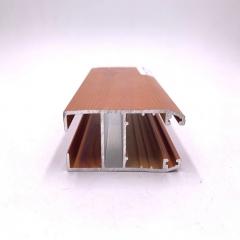
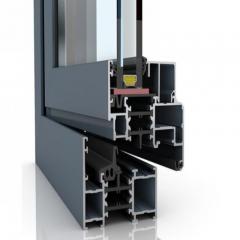
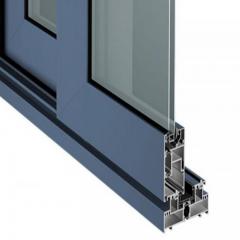
When you look at a window profile end-on, you're seeing far more than a simple rectangular shape. Modern aluminum window profiles feature complex internal geometries designed to serve multiple functions simultaneously. Understanding these components helps you evaluate quality and specify the right profiles for your application.
Here are the key profile components that make up a complete aluminium window framing system:
Sounds complex? It is. But each design element serves a specific purpose. Let's examine the features that most significantly affect how your window sections perform over time.
Wall Thickness Requirements: This is where many projects go wrong. According to national standards, the nominal wall thickness of architectural window profiles should be no less than 1.2mm. However, actual measurement requirements differ by location: solid portions must measure at least 1.05mm, while hollow cavity walls can be as thin as 0.97mm. For door profiles and load-bearing applications, the requirements jump significantly, with main structural members requiring actual wall thickness of 2.0mm or greater.
Why does this matter? Insufficient wall thickness leads to profile deflection under wind loads, poor screw retention for hardware, and potential failure at stress concentration points. When evaluating extruded aluminum sections, don't just check one measurement. Use a micrometer at multiple points, paying special attention to joints and transitions.
Chamber Configurations: Look inside a modern window profile and you'll find multiple hollow chambers separated by internal webs. These aren't just empty spaces. Multi-chamber designs serve several critical functions:
Glazing Pocket Dimensions: The glazing pocket must accommodate your glass assembly plus installation tolerances. For standard double-pane insulated glass units, pocket depths typically range from 20-25mm. Triple glazing or specialized acoustic glass may require deeper pockets. The pocket width must also allow for proper gasket compression while maintaining glass centering during operation.
Dimensional Tolerances: Here's where quality manufacturers distinguish themselves. Tolerance grades directly affect installation success and long-term performance. Common grade profiles allow wall thickness errors of ±0.15mm, high-precision grade tightens this to ±0.10mm, and ultra-high-precision grade permits only ±0.07mm deviation. For straightness, quality profiles should exhibit bending of no more than 1.0mm per meter length.
When windows don't close tightly or frames appear skewed after installation, excessive dimensional tolerance is often the culprit. For high-rise buildings or projects where weather performance is critical, specifying high-precision or ultra-high-precision grade profiles is worth the modest cost premium.
Water Management Geometry: Every aluminum window profile must deal with water. Rain penetrates, condensation forms, and cleaning water runs down glass surfaces. Effective profiles incorporate sloped surfaces that direct water toward drainage slots, weep holes positioned to evacuate collected water, and pressure equalization chambers that prevent wind-driven rain from forcing its way past seals.
The interaction between profile geometry and structural performance extends beyond individual components. How these window sections connect, how loads transfer through joints, and how the complete assembly responds to thermal expansion all depend on thoughtful profile design. With these fundamentals understood, you're ready to explore how thermal break technology further enhances energy performance.
Have you ever touched a metal spoon left in a hot cup of coffee? Within seconds, the handle becomes warm because metal conducts heat efficiently. Your aluminium window frame behaves the same way. Without intervention, aluminum acts as a thermal superhighway, transferring outdoor temperatures directly into your conditioned interior space. This is where thermal break technology transforms standard extrusions into high-performance building components.
An aluminium frame without thermal separation creates what engineers call a "thermal bridge." In winter, your heated indoor air rapidly loses energy through the frame to the cold exterior. In summer, the scorching outdoor heat flows inward, forcing your HVAC system to work overtime. The result? Higher energy bills, uncomfortable drafts near windows, and condensation that can lead to mold growth and moisture damage.
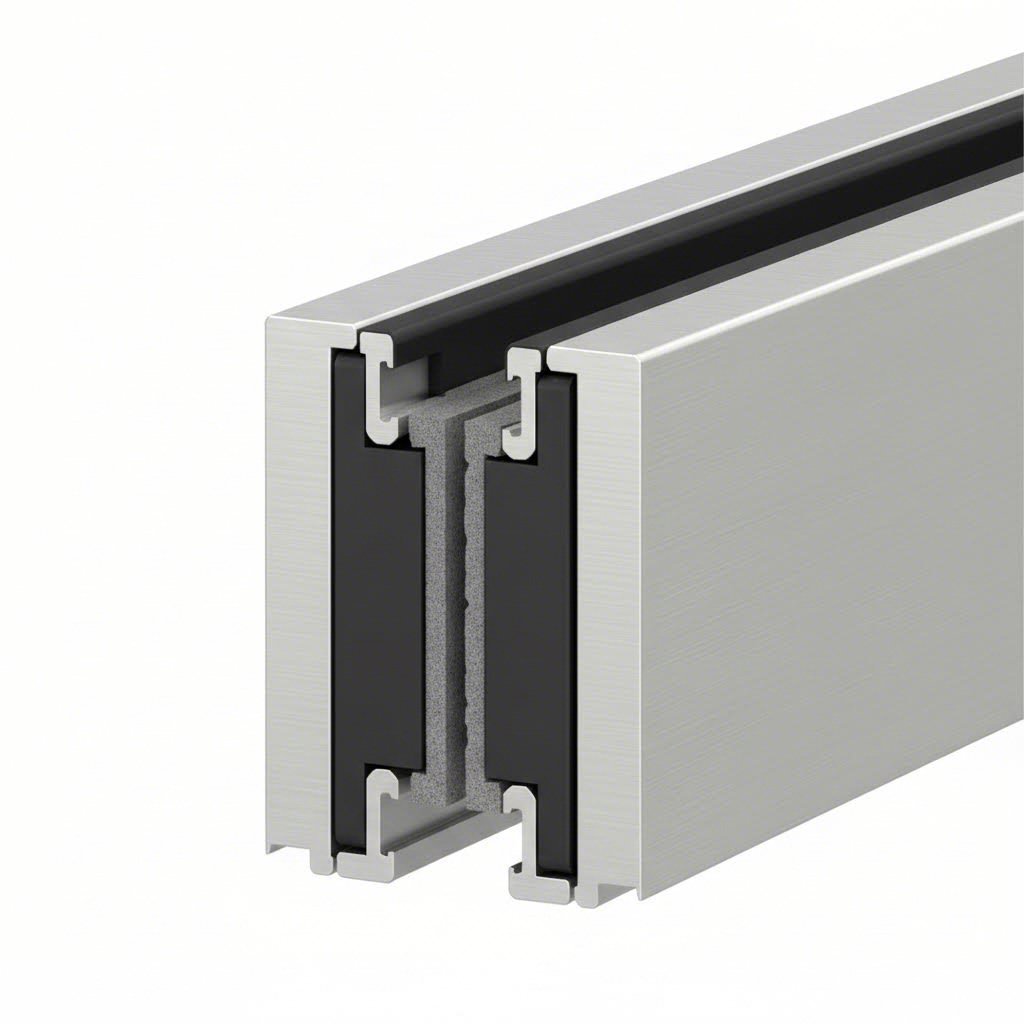
The solution is elegantly simple in concept but sophisticated in execution. A thermal break physically separates the interior and exterior portions of the window aluminum frame using a low-conductivity material. Instead of one continuous aluminum profile, you now have two distinct aluminum sections connected by an insulating barrier.
The industry-standard material for this barrier is PA66 GF25, a high-performance polyamide reinforced with 25% glass fiber. According to technical specifications, this material offers several critical properties:
How is this barrier installed? Two primary manufacturing methods exist:
Polyamide Strip Insertion: Manufacturers begin with two separate aluminum profiles, each designed with a dovetail channel. Precision-extruded polyamide strips slide into these channels, and rollers crimp the assembly together, locking all components into a single unified frame.
Pour and Debridge: This method starts with one wide aluminum extrusion containing a pocket along its length. Liquid polyurethane fills this pocket and cures. A saw then cuts away the metal bridge at the pocket bottom, leaving only the insulating polyurethane connecting the inner and outer frame sections.
Not every project requires thermally broken profiles. Understanding when thermal breaks are necessary versus optional helps you balance performance requirements against budget constraints.
| Performance Metric | Standard Aluminum Frame | Thermally Broken Frame |
|---|---|---|
| Typical U-Factor | 0.60 or higher (poor) | 0.15 - 0.30 (excellent) |
| Heat Transfer Reduction | Baseline | Up to 1,000 times slower |
| Condensation Resistance | Low - interior surfaces reach dew point | High - interior stays warmer than dew point |
| Manufacturing Complexity | Single extrusion process | Multiple components, assembly required |
| Relative Cost | Lower initial cost | Higher initial cost, lower lifecycle cost |
Climate Zone Requirements: Building codes in colder climates increasingly mandate thermally broken aluminium frames for windows. If you're building in IECC Climate Zones 4 through 8, thermal breaks typically become code requirements rather than optional upgrades. In milder climates (Zones 1-3), standard frames may still meet code, though energy-conscious builders often specify thermal breaks anyway for improved comfort and utility savings.
Residential Applications: Homeowners prioritizing energy efficiency, comfort, and reduced HVAC cycling should strongly consider thermally broken aluminium frame window systems. The condensation resistance alone prevents moisture problems that damage interior finishes and create health concerns. For homes in heating-dominated climates, the payback period through energy savings typically ranges from 5-10 years.
Commercial Applications: Large commercial glazing systems face heightened thermal performance requirements. Curtain walls, storefronts, and expansive window walls expose more frame perimeter relative to glass area, making frame thermal performance even more critical. Modern commercial projects pursuing LEED certification, Passive House standards, or net-zero energy targets almost universally require thermally broken profiles to meet stringent U-value targets.
Advanced multi-chambered polyamide strips take performance further. These hollow-chamber designs trap air within the thermal break itself, creating additional insulation layers. The wider the thermal break and the more complex its internal geometry, the better the window frame section resists temperature transfer.
Manufacturing thermally broken profiles adds complexity and cost compared to standard extrusions. You're essentially producing three components, two aluminum profiles and the polyamide barrier, then assembling them with precision equipment. However, this investment pays dividends in energy performance that standard aluminium frames for windows simply cannot match. With thermal performance addressed, your next consideration becomes protecting these sophisticated profiles with appropriate surface finishes.
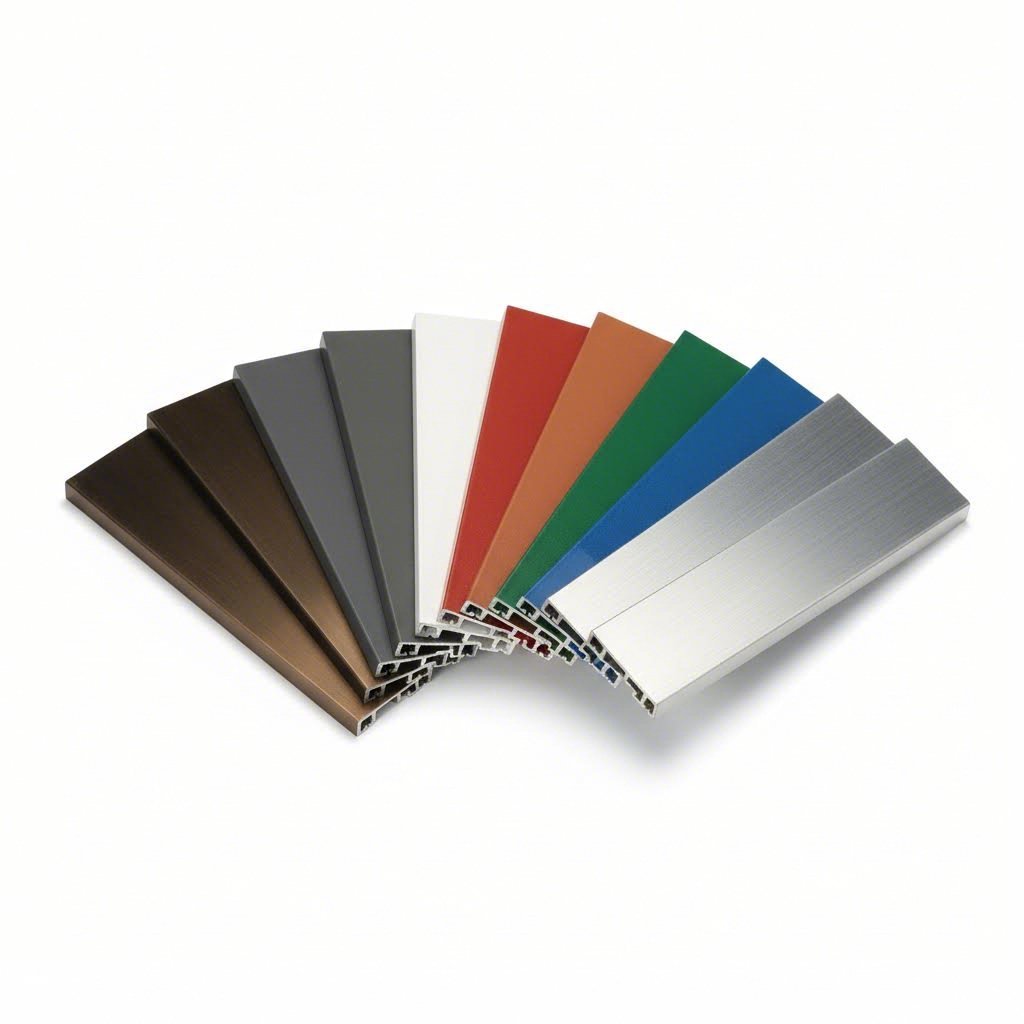
Your aluminum window profiles have been extruded, thermally broken, and precisely dimensioned. But here's something many buyers overlook: an unfinished aluminum frame won't look good for long. Raw aluminum oxidizes naturally, developing a dull, inconsistent appearance that doesn't match the aesthetics most projects demand. More importantly, the right surface finish dramatically extends your frame's service life while opening up virtually unlimited design possibilities.
Think of surface finishing as the protective armor that shields your investment from decades of sun exposure, rain, pollution, and physical contact. The finish you select today will determine how your window profiles aluminium components look and perform 20, 30, or even 40 years from now. Let's explore your options and match them to specific project requirements.
Four primary finishing technologies dominate the aluminum window frame industry. Each offers distinct advantages depending on your aesthetic goals, environmental exposure, and budget constraints.
Anodizing: The Electrochemical Shield
Unlike paint or coating, anodizing doesn't add a layer on top of aluminum. It transforms the aluminum surface itself into a hard, corrosion-resistant oxide layer through an electrochemical process. This integral bond means the finish cannot peel, chip, or delaminate like applied coatings potentially can.
For anodized aluminum windows, you'll encounter different architectural grades based on oxide layer thickness:
Color options for anodizing include natural silver, champagne, bronze tones ranging from light to dark, and black. True anodized colors derive from the aluminum alloy and electrolyte chemistry, producing metallic sheens that painted finishes cannot replicate. However, bright reds, blues, and yellows aren't achievable through standard anodizing processes.
Powder Coating: Unlimited Color Freedom
When your project demands specific colors, powder coating delivers. This dry finishing process applies electrostatically charged pigment particles to the aluminum surface, then cures them in an oven to form a tough, uniform film. Powder coated aluminum windows can match virtually any color in the spectrum, including custom corporate colors and trending architectural palettes.
Not all powder coatings perform equally, though. The American Architectural Manufacturers Association (AAMA) establishes three performance tiers that directly impact your warranty coverage and expectations. According to AAMA specifications, these standards determine how coatings withstand real-world Florida exposure testing:
PVDF Coatings: Extreme Environment Protection
For aluminum window profiles facing the harshest conditions, PVDF (polyvinylidene difluoride) coatings represent the gold standard. As noted by Sherwin-Williams, 70% PVDF resin-based coatings have earned their reputation through over half a century of proven performance on monumental architecture worldwide.
What makes PVDF exceptional? The carbon-fluorine bonds in these coatings are among the strongest chemical bonds available, providing stubborn resistance to:
PVDF coatings use specialized pigments that maintain vibrancy for decades. Inorganic ceramic pigments deliver exceptional stability for earth tones and neutral colors, while advanced formulations now enable brighter colors with comparable longevity. Solar-reflective PVDF options even reduce heat absorption, lowering cooling loads in warm climates.
Electrophoretic Coating (E-Coating): Uniform Coverage
Electrophoretic deposition, or E-coating, submerges aluminum profiles in a water-based paint bath and uses electrical current to deposit coating uniformly across all surfaces. This process excels at reaching recesses, inside corners, and complex geometries that spray application might miss.
E-coating for aluminium window supplies typically serves as either a standalone finish for budget-conscious interior applications or as a primer layer beneath topcoats for enhanced corrosion protection. The process produces thin, consistent films with excellent adhesion characteristics.
With multiple finishing options available, how do you select the right one? The decision matrix below matches finish characteristics to common project requirements:
| Finish Type | Durability Rating | Color Availability | Relative Cost | Best Applications |
|---|---|---|---|---|
| Anodizing (Class I) | Excellent - 20+ years | Limited metallic tones | Moderate | Architectural facades, high-traffic areas, coastal locations |
| Powder Coat (AAMA 2605) | Excellent - 10+ year warranty | Unlimited custom colors | Higher | Monumental projects, color-critical designs, harsh UV exposure |
| Powder Coat (AAMA 2604) | Good - 5-year warranty | Unlimited custom colors | Moderate | Commercial storefronts, standard exterior applications |
| Powder Coat (AAMA 2603) | Basic - 1-year warranty | Unlimited custom colors | Lower | Interior applications, protected locations |
| PVDF (70% Fluoropolymer) | Superior - decades of proven performance | Wide range including solar-reflective | Highest | Extreme environments, landmark buildings, coastal/industrial zones |
| Electrophoretic (E-Coat) | Moderate | Limited standard colors | Lower | Interior use, primer for multi-coat systems, complex profiles |
Lifecycle Cost Considerations: Don't let initial costs drive your entire decision. A lower-cost AAMA 2603 finish might seem attractive during bidding, but if your aluminum extrusion trim requires refinishing or replacement within a decade, you've lost any upfront savings. For exterior applications with 30+ year building lifecycles, specifying AAMA 2605 or Class I anodizing typically delivers lower total cost of ownership.
Warranty Implications: Finish specifications directly tie to manufacturer warranties. Many window system warranties require specific AAMA compliance for exterior applications. Choosing a finish that doesn't meet warranty prerequisites could void your coverage entirely, leaving you responsible for premature failures.
Maintenance Requirements: Different finishes demand different care. Anodized surfaces generally require only periodic cleaning with mild soap and water. Powder coatings may need occasional waxing in harsh environments. PVDF finishes maintain appearance with minimal intervention but benefit from annual washing to remove accumulated pollutants before they can affect the surface.
The finish you select becomes the visible face of your window installation for decades to come. By matching finish performance to your specific environmental exposure, aesthetic requirements, and lifecycle expectations, you ensure your aluminum window profiles deliver lasting value. With surface protection addressed, it's time to focus on how these finished frames actually get installed in your building.
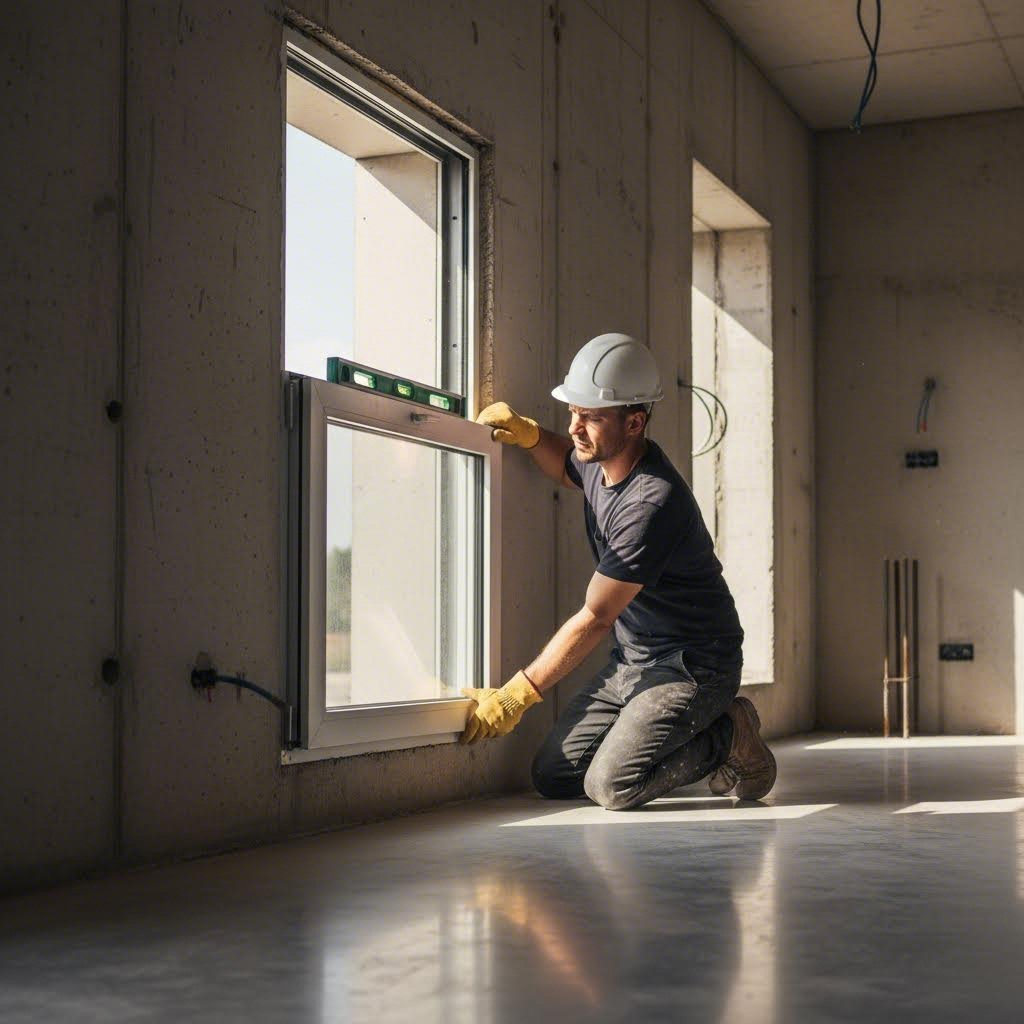
Your aluminum window components have been expertly manufactured, finished, and delivered to the job site. Now comes the phase that determines whether all that precision engineering actually performs as designed: installation. Even the highest-quality aluminum frame for windows will underperform if installed incorrectly. Poor installation leads to air leaks, water infiltration, operational problems, and potentially voided warranties.
What separates a professional installation from a problematic one? Attention to detail at every step, proper tools, and understanding how aluminum window frame parts interact with your building's structure. Let's walk through the critical considerations that ensure your extrusion frame delivers decades of reliable performance.
Before any window touches the rough opening, several preparatory steps determine installation success. According to professional installation guidelines, qualified installers must understand window structures and installation methods, take precise measurements, and follow documented procedures.
Start with thorough inspection. Examine every product for damage that may have occurred during shipping or storage. Check profile surfaces for scratches, verify frames aren't twisted or bowed, and confirm glass panels are intact. Never install windows with visible defects, as doing so typically voids the manufacturer's warranty.
Next, verify your rough openings. Commercial aluminum window frames must be installed plumb, level, and square to operate properly, even if the openings themselves aren't perfect. Use a laser or long spirit level to check:
If rough openings display bowing, tilting, or dimensional errors, plan your shimming strategy before positioning the window. The goal is a perfectly aligned frame regardless of wall imperfections.
Thermal Expansion Allowances: Here's something many installers overlook. Aluminum profiles, especially in dark colors, expand and contract with temperature changes. Technical specifications indicate expansion of up to 1.5mm per meter under temperature fluctuation. For proper clearances, follow these guidelines:
Anchoring Methods: Three primary systems secure aluminum window frame parts to the building structure:
Fastener selection depends on your substrate. Wood framing requires pan head screws, steel studs need self-tapping screws, and concrete demands appropriate anchors. All fasteners must be corrosion-resistant and compatible with aluminum to prevent galvanic reactions.
Shimming and Alignment: Proper shimming prevents frame distortion and ensures smooth operation. Use composite or plastic shims, never wood or plywood, which can absorb moisture and deteriorate. Position shims at critical load points:
Shim width should span the entire frame profile to distribute loads evenly. Never place shims under anchor locations, as this creates stress concentrations that can deform the frame.
Follow this installation sequence for consistent results:
Weathersealing Integration: Apply high-quality caulk around frame edges to prevent water and air infiltration. For enhanced protection, weatherproofing tape or flashing around the perimeter ensures moisture is properly redirected. Never seal drainage holes on the bottom frame exterior, as these equalize pressure and allow collected water to escape.
Why Installation Quality Matters: The connection between installation precision and long-term performance cannot be overstated. A frame installed out of plumb by even small amounts causes binding during operation, uneven gasket compression, and accelerated hardware wear. Insufficient shimming allows frame deflection under wind loads, breaking weather seals and permitting water intrusion.
Perhaps most critically, manufacturers tie warranty validity to proper installation. Damage from inadequate clearances, improper anchoring, or building structure deformations typically falls outside warranty coverage. When issues arise, the first question will be whether installation documented procedures. Investing in correct installation protects both your building's performance and your warranty claims.
With your windows properly installed and sealed, the focus shifts to keeping them performing optimally over the coming decades.
Your aluminium framed windows are installed, sealed, and performing beautifully. But here's a question few people ask until problems appear: how do you keep them that way for decades? Unlike wood windows that demand constant attention, aluminum frames offer remarkably low maintenance requirements. However, "low maintenance" doesn't mean "no maintenance." Understanding what your aluminium window needs and when it needs it protects your investment and preserves warranty coverage.
Regular care keeps your aluminum window frame extrusion looking new and operating smoothly. According to window maintenance experts, how often you need to perform maintenance depends on several factors including your local environment, proximity to coastal areas, and pollution levels in your region.
Here's a practical maintenance checklist organized by frequency:
Finish-Specific Care: Different surface treatments require tailored approaches. Anodized surfaces need only periodic soap-and-water cleaning, while powder-coated finishes may benefit from occasional waxing in harsh climates. If you notice oxidation developing, a dull whitish layer on the surface, treat it promptly with a specialized aluminium cleaner and apply protective wax to prevent recurrence.
How long should your aluminium+windows actually last? When properly maintained, aluminum-framed windows deliver impressive longevity. According to durability research, quality aluminum windows can serve your building for up to 45 years with appropriate care.
However, actual service life varies based on environmental conditions:
Why Maintenance Preserves Your Warranty: Most manufacturers tie warranty validity directly to documented maintenance. Neglecting routine care, using abrasive cleaners, or allowing minor issues to escalate into major failures can void your coverage entirely. Keep maintenance records and follow manufacturer guidelines to protect both your windows and your warranty claims.
Proper maintenance does more than preserve appearance. It extends operational life, maintains energy efficiency, and prevents costly repairs. The modest time investment in regular aluminium window design care pays substantial dividends in long-term performance and value retention. With your maintenance schedule established, you're ready to consider the final piece of the puzzle: selecting the right manufacturing partner for your next project.
You've defined your alloy requirements, specified your profile geometry, selected the right thermal break technology, and determined your finish needs. Now comes a decision that ties everything together: choosing the right manufacturing partner. The supplier you select will determine whether your carefully planned aluminum window extrusions arrive on time, meet specifications, and perform as expected for decades. But with countless aluminium window extrusions suppliers available globally, how do you separate truly capable partners from those who simply promise results?
Think of supplier selection as building a long-term relationship rather than placing a one-time order. The best aluminum extrusions come from manufacturers who understand your industry, invest in appropriate equipment, and support you through challenges. Let's explore the evaluation criteria that matter most.
Before requesting quotes, you need a systematic approach to assess potential suppliers. Rushing this phase leads to costly mistakes: missed deadlines, out-of-spec profiles, or quality issues that surface only after installation. According to industry best practices, the most successful buyer-supplier relationships begin with clearly defined project requirements and thorough capability matching.
Start by documenting your specific needs. Consider these questions:
With your requirements documented, you can evaluate suppliers against objective criteria rather than relying solely on sales presentations or lowest-bid pricing.
Several key factors distinguish reliable aluminum profile extrusions suppliers from risky vendors. Understanding these criteria helps you ask the right questions and interpret the answers you receive.
Press Capacity Range and Profile Complexity:
Extrusion press tonnage directly determines what profiles a manufacturer can produce. Smaller presses (under 1000 tons) handle simple shapes and smaller cross-sections adequately. However, complex multi-chamber window profiles, wide curtain wall sections, or heavy-wall structural components require substantially larger presses.
Why does this matter for your custom aluminum windows project? A manufacturer operating only small presses cannot produce large, complex profiles regardless of their other capabilities. When reviewing an extruded aluminum shapes catalog from potential suppliers, verify they can actually manufacture the specific geometries your project demands.
Full-service manufacturers maintain diverse press fleets to handle varied project requirements. For example, Shengxin Aluminium operates 35 extrusion presses ranging from 600T to 5500T, enabling production of everything from intricate residential window profiles to massive commercial curtain wall sections. This range indicates capacity to grow with your projects rather than forcing you to find new suppliers as requirements evolve.
Die Development Capabilities:
Custom window profiles require custom dies. How a manufacturer handles die development reveals their technical sophistication and responsiveness. Key questions include:
In-house die development typically delivers faster turnaround, better communication, and more seamless iteration when refinements are needed. Manufacturers who outsource die work introduce additional coordination steps and potential delays.
Quality Certifications:
Certifications provide third-party validation of a manufacturer's quality systems. At minimum, look for ISO 9001 certification, which confirms documented quality management processes. According to manufacturing experts, this certification ensures procedures exist for controlling quality from initial inquiry through final delivery.
For specific industries, additional certifications may be essential:
Request copies of current certifications and verify their validity. Certifications that expired months ago or cover only portions of a facility's operations should raise questions.
Surface Treatment Options:
Does your potential supplier offer finishing in-house, or must profiles ship to separate facilities for anodizing, powder coating, or specialty treatments? In-house finishing typically delivers:
Look for suppliers offering comprehensive finishing capabilities. Quality manufacturers provide multiple options including anodizing in various architectural grades, powder coating to AAMA specifications, PVDF coatings for extreme environments, and specialized treatments like micro-arc oxidation for enhanced surface properties. Shengxin Aluminium exemplifies this approach, maintaining in-house capabilities for anodizing, powder coating, PVDF, and micro-arc oxidation, giving customers access to virtually any finish requirement without coordinating multiple vendors.
CNC Machining and Fabrication:
Extruded profiles often require secondary operations: precision cutting, drilling, milling, bending, or assembly. Manufacturers with integrated CNC machining centers can deliver ready-to-install aluminum window components rather than raw extrusions requiring additional processing. This end-to-end capability, from die development through mass production to finished parts, reduces your supply chain complexity and accelerates project timelines.
Minimum Order Quantities:
MOQ requirements vary dramatically between suppliers. Some focus exclusively on high-volume production with minimums measured in tons. Others accommodate prototype runs and small batches. Match supplier MOQ policies to your actual order patterns:
Technical Support and Engineering Collaboration:
The best suppliers function as technical partners, not just order-takers. Evaluate their willingness and capability to:
Request references from customers with similar project requirements. Speaking with existing clients reveals how suppliers actually perform under real-world conditions, not just how they present themselves during sales conversations.
Communication and Responsiveness:
How quickly does a potential supplier respond to inquiries? Do they provide clear, detailed quotes, or vague estimates requiring multiple clarifications? Early interactions often predict ongoing relationship quality. Suppliers who are difficult to reach during quoting rarely become more accessible after orders are placed.
Evaluating Total Value:
Resist the temptation to select suppliers based solely on unit price. The lowest quoted price often correlates with hidden costs: longer lead times, higher defect rates, limited support, or quality issues that surface after installation. Consider total cost of ownership including:
A supplier with slightly higher pricing may offer advantages that save money and stress in the long run: faster delivery, consistent quality, proactive communication, and engineering support that prevents costly mistakes.
By systematically evaluating aluminium window extrusions suppliers against these criteria, you identify partners capable of delivering consistent quality, meeting your timelines, and supporting your projects from initial concept through successful installation. With your manufacturing partner selected, the final step is synthesizing all your decisions into clear, actionable specifications.
You've journeyed through the complete lifecycle of aluminum window frame extrusion, from raw billet to installed product. Now comes the moment where all that knowledge transforms into actionable decisions. Specifying aluminium window frame extrusions isn't about memorizing technical data. It's about connecting the right choices to your project's unique requirements. Let's synthesize the critical factors and create a practical framework for your next specification.
Imagine you're standing at the start of a new project. Multiple decisions compete for attention, and each one affects the others. How do you prioritize? The answer lies in understanding that successful aluminium window profile specifications balance four interconnected considerations.
Alloy Selection Based on Structural and Aesthetic Requirements:
Start here because your alloy choice influences everything downstream. For most residential and commercial projects, 6063-T5 delivers the optimal combination of extrudability, surface finish, and corrosion resistance. Reserve 6061-T6 for applications where engineering calculations specifically demand higher tensile strength, such as large-span curtain walls or minimal-framing storefronts. Remember that higher-strength alloys typically produce less refined surfaces, impacting your finish options.
Profile Design for Thermal and Structural Performance:
Your climate zone and energy targets determine whether thermal breaks are mandatory or optional. In colder regions, thermally broken aluminum window extrusion profiles aren't luxury upgrades. They're code requirements that prevent condensation, reduce energy costs, and ensure occupant comfort. Wall thickness, chamber configurations, and dimensional tolerances all affect structural integrity and long-term operation. Specify high-precision grade tolerances for projects where weather performance is critical.
Finish Selection for Environment and Aesthetics:
Match your finish specification to actual environmental exposure, not just aesthetic preference. AAMA 2605 powder coating or Class I anodizing for exterior applications provides decades of protection, while lower-tier finishes suit interior or protected locations. Consider lifecycle costs rather than initial price alone. A finish that fails within a decade costs far more to address than specifying correctly from the start.
Supplier Capabilities for Project Scale:
Your manufacturing partner's capabilities must align with your project requirements. Custom aluminum window frames demand suppliers with appropriate press tonnage, in-house die development, integrated finishing, and responsive technical support. Verify certifications, request references, and evaluate total value rather than selecting based solely on unit pricing.
Before finalizing any aluminium profile for windows specification, work through these essential questions:
The most successful aluminum window projects balance performance requirements with budget realities by prioritizing where premium specifications deliver genuine value and accepting standard options where they perform adequately.
This balancing act distinguishes informed specifiers from those who either over-specify, wasting budget on unnecessary premiums, or under-specify, creating performance problems that cost far more to address later. Every aluminium windows profile decision involves trade-offs. Understanding those trade-offs empowers you to make choices that serve your project's actual needs.
Throughout this guide, we've focused on providing the technical foundation you need to make confident decisions. Unlike promotional content that pushes specific products, this educational approach equips you to evaluate any manufacturer's offerings against objective criteria. You now understand why certain alloys dominate window applications, how profile geometry affects performance, when thermal breaks become essential, and what finish specifications actually mean for longevity.
The final piece? Partnering with experienced manufacturers who offer genuine technical support throughout your specification process. The right manufacturing partner doesn't just fill orders. They collaborate on design optimization, flag potential issues before production, and stand behind their products with meaningful warranties. When questions arise, whether during initial specification, production, or years after installation, that ongoing support relationship proves invaluable.
Your next aluminum window frame extrusion project deserves specifications built on knowledge rather than guesswork. With the framework this guide provides, you're equipped to create those specifications with confidence.
Aluminum window profiles offer exceptional dimensional consistency, design flexibility, and material efficiency. They provide superior corrosion resistance when anodized, excellent strength-to-weight ratios, and can be extruded into complex multi-chamber designs for enhanced thermal performance. Unlike wood, aluminum requires minimal maintenance and can last up to 45 years. The extrusion process allows for integrated hardware channels, drainage pathways, and glazing pockets in a single piece, eliminating assembly weak points found in fabricated alternatives.
Key considerations include alloy selection (6063-T5 for most applications, 6061-T6 for higher structural demands), thermal break requirements based on your climate zone, profile wall thickness meeting minimum 1.2mm standards, and surface finish durability matching environmental exposure. Evaluate supplier capabilities including press tonnage range, in-house die development, integrated finishing options, quality certifications like ISO 9001, and technical support availability. Balance performance requirements with budget by prioritizing premium specifications where they deliver genuine value.
6063-T5 aluminum is the industry standard for window frames, offering excellent extrudability, superior surface finish quality, and outstanding corrosion resistance—ideal for architectural applications. 6061-T6 provides significantly higher tensile strength (42,000+ psi vs 27,000 psi) but produces less refined surfaces and costs more to extrude. Choose 6063 for standard residential and commercial frames where aesthetics matter; reserve 6061 for large-span curtain walls, high-rise applications, or welded assemblies requiring maximum structural strength.
Quality aluminum window frames can serve buildings for up to 45 years with appropriate care. Longevity varies by environment—mild protected locations achieve maximum lifespan, while coastal areas require more frequent cleaning due to salt air corrosion. Maintenance includes monthly debris removal, quarterly weatherseal inspection, annual hardware lubrication with silicone-based lubricant, and weatherseal replacement every 3-5 years. Following manufacturer maintenance guidelines preserves warranty coverage and ensures continued energy efficiency.
Thermally broken frames become code requirements in IECC Climate Zones 4 through 8 where heating demands are significant. They reduce U-factors from 0.60+ (poor) to 0.15-0.30 (excellent), slowing heat transfer up to 1,000 times compared to standard frames. Beyond code compliance, thermal breaks prevent interior condensation that causes mold and moisture damage, reduce HVAC cycling, and improve occupant comfort near windows. Commercial projects pursuing LEED certification or Passive House standards universally require thermally broken profiles.



 Интернет Сервис
 0086 136 3563 2360
 sales@sxalu.com
 +86 136 3563 2360
 русский
 English
 français
 Deutsch
 español
 português
 العربية
 ไทย
ไทย Việt
Việt Українська