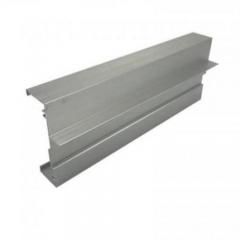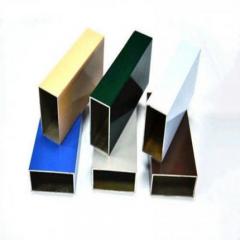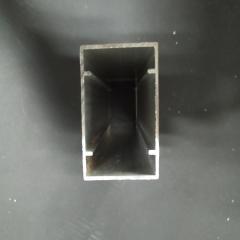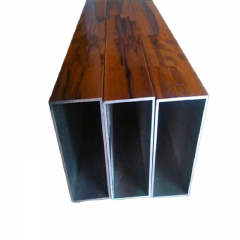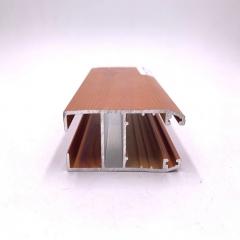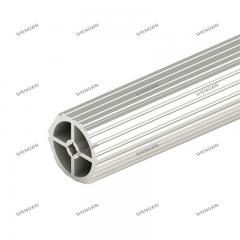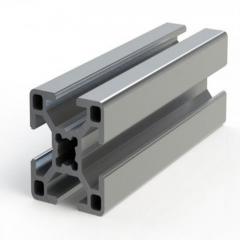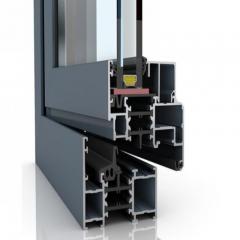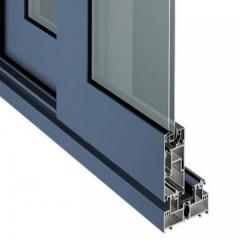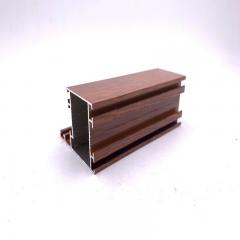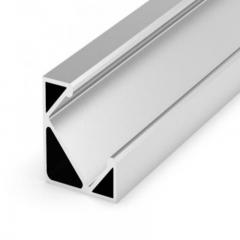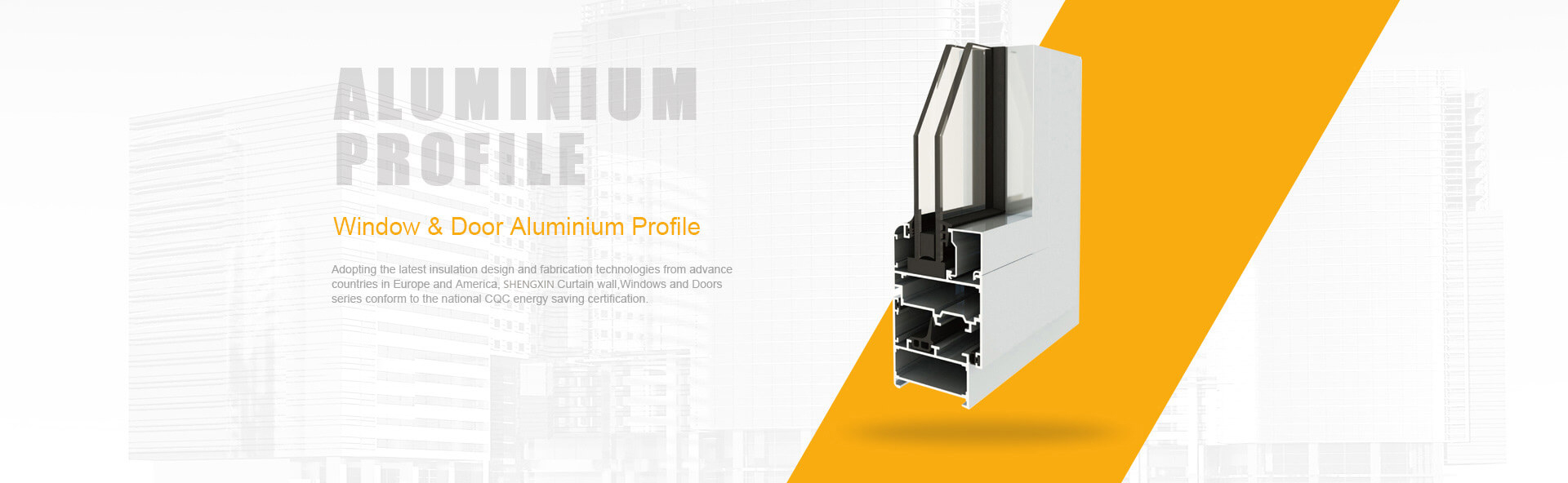
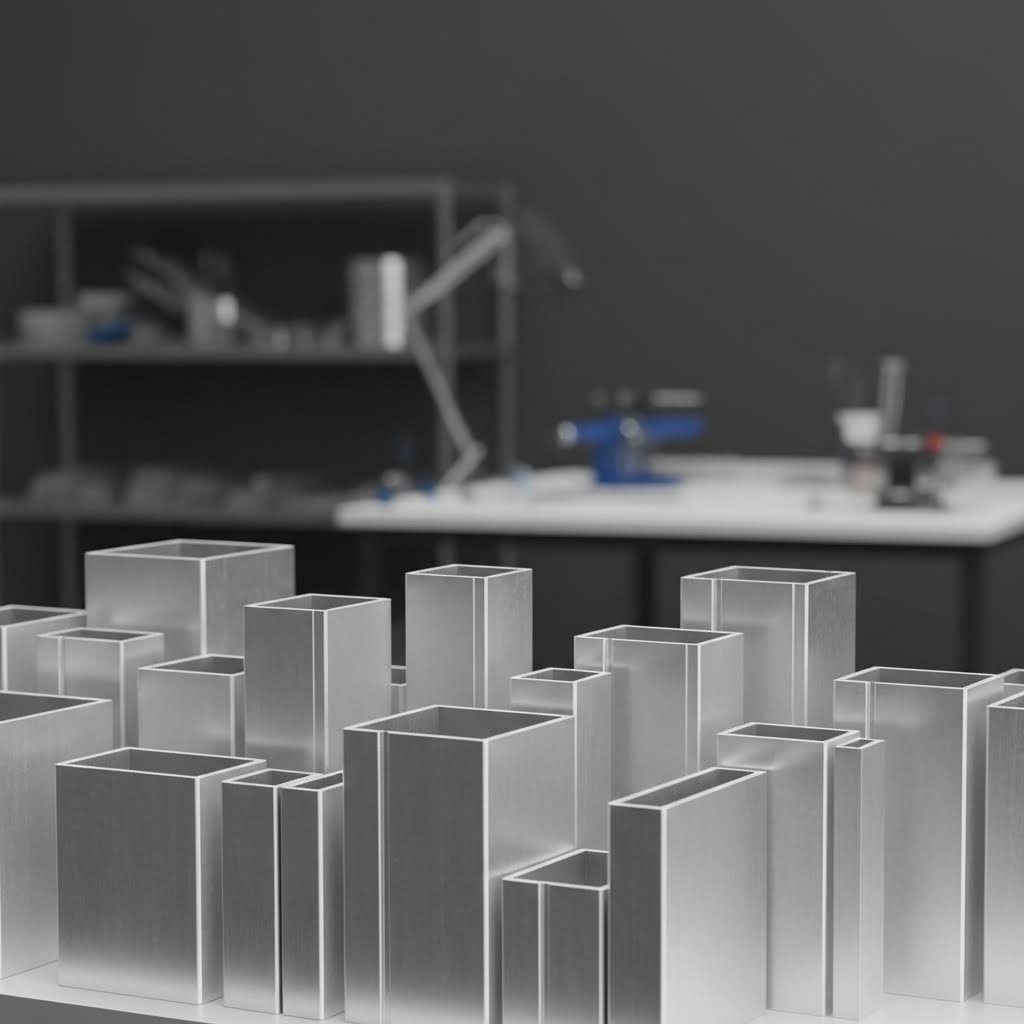
Ever wondered how those sleek, precisely shaped sign frames get their distinctive profiles? The answer lies in a manufacturing process called aluminum extrusion. Think of it like a high-tech play-dough machine, but instead of soft clay, you're working with heated aluminum forced through custom-shaped dies at tremendous pressure.
Aluminum extrusions for signage are custom-shaped profiles created specifically for building sign frames, mounting systems, and structural components. These profiles serve as the backbone of everything from illuminated cabinet signs to large-scale monument displays. Whether you're a sign fabricator or a buyer specifying materials for a project, understanding this process helps you make smarter decisions about your signage frame requirements.
The journey begins with an aluminum billet—a solid cylindrical log of aluminum alloy. This billet gets heated to a precise temperature that makes the metal soft enough to shape but still maintains its structural integrity. Here's where things get interesting.
An extrusion press applies massive pressure to force the heated billet through a specialized die. According to AS Aluminum, the die features an aperture that determines the final cross-sectional shape of your aluminum extrusion frame. The result? A continuous length of perfectly formed aluminum framing that matches your exact specifications.
What makes this process particularly valuable for signage applications is its ability to create complex profiles with consistent dimensions. Unlike cutting and welding sheet metal, extrusion delivers intricate shapes—channels, slots, and mounting features—all in a single manufacturing step. This means your signage frame arrives ready for assembly with integrated aluminum extrusion accessories like clip channels and mounting slots already built in.
You'll notice that most professional sign installations rely on extruded aluminum rather than steel, plastic, or wood. There's solid reasoning behind this industry preference that goes beyond simple tradition.
The fundamental advantages of aluminum framing for signage include:
Many eastern frames manufacturers have recognized these benefits, contributing to aluminum's dominance in commercial signage worldwide. The material's versatility means you can specify anything from simple channel profiles for basic signs to complex multi-function extrusions for high-end architectural installations.
For sign fabricators, this translates to easier handling during production and installation. For buyers, it means durable signage that maintains its appearance for years with minimal maintenance. Understanding these foundational aspects of aluminum extrusions positions you to evaluate options more effectively as you move forward with your signage project.
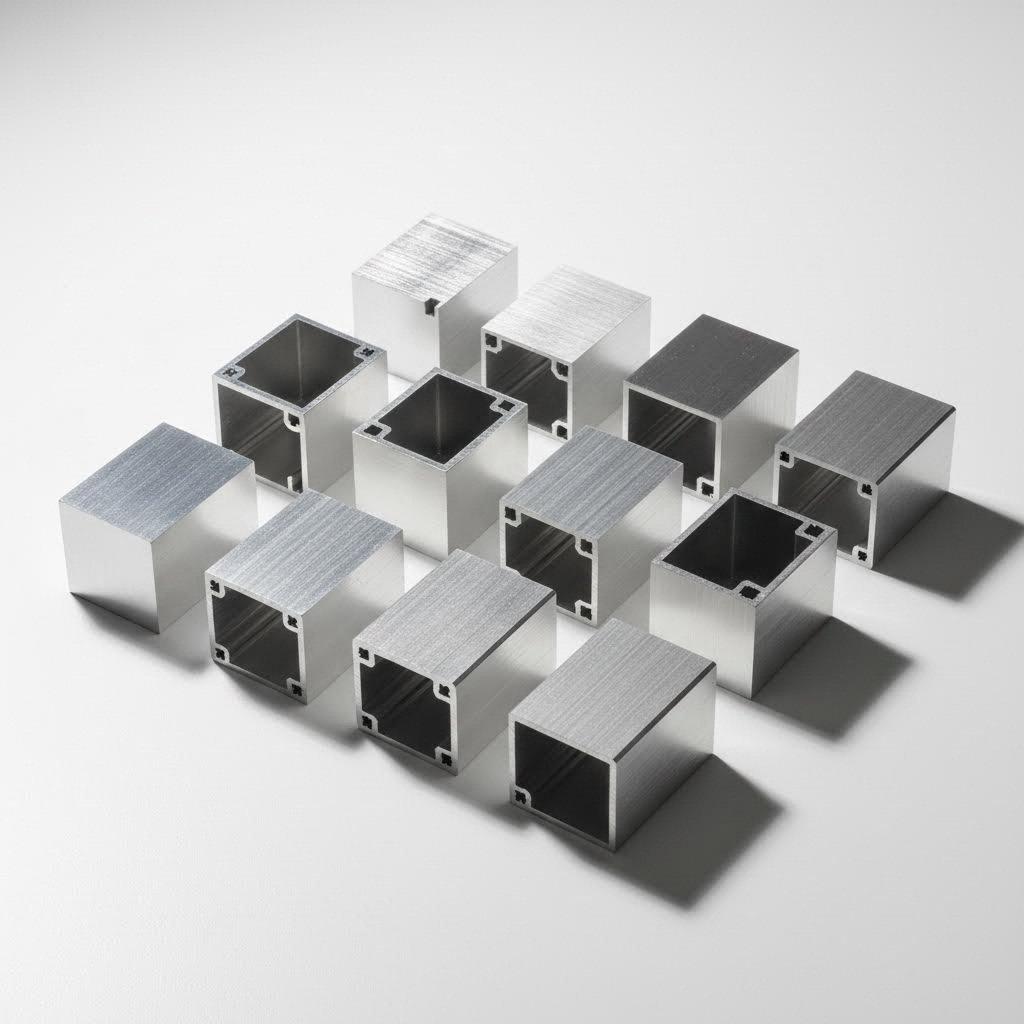
Now that you understand how aluminum extrusions are made, the next question becomes: which aluminum should you actually choose? Not all aluminum is created equal. The alloy series and heat treatment you select directly impacts how your signage performs in the real world—from structural integrity to surface finish quality.
When specifying aluminum framing material for your project, you'll encounter numbers like 6063-T5 or 6061-T6. These aren't random codes. They tell you exactly what you're getting in terms of strength, workability, and appearance. Let's break down what these designations mean for your sign frames.
If there's one alloy that dominates the signage industry, it's 6063 aluminum. Why? This aluminum-magnesium-silicon alloy offers an exceptional balance of properties that sign fabricators value most.
According to Mill Steel, 6063 aluminum features lower alloying content compared to 6061, which enhances its surface finish and makes it easier to extrude into complex shapes. For signage applications, this translates to cleaner profiles with smooth surfaces that take paint, powder coating, or anodizing beautifully.
Here's what makes 6063 the preferred choice for extruded aluminum framing:
You might wonder about 6061 aluminum, which offers higher mechanical strength. While 6061 works well for structural components and heavy-duty applications, its higher magnesium and copper content makes it less suitable for decorative sign frames where surface appearance matters. Government specifications, such as those from the Georgia Department of Transportation, allow both 6063-T6 and 6061-T6 for extruded aluminum sign panels, but 6063 remains the industry standard for most commercial signage applications.
Sounds complex? Think of heat treatment as the final step that determines how strong and workable your extruded aluminum frame becomes. The "T" designation following the alloy number indicates which treatment was applied—and this choice has real consequences for your signage project.
The two most common tempers you'll encounter are T5 and T6. Both use the same base 6063 alloy, but they undergo different processing that creates distinct performance characteristics.
6063-T5 is cooled by air after forming and then aged to improve strength. According to Hugh Aluminum, this process makes the metal easier to work with and shape. The result is an aluminum frame that's ideal for indoor applications, trim work, and situations where you need to bend or modify the profile during installation.
6063-T6 undergoes a more intensive process. The extrusion is rapidly quenched in water after forming, then artificially aged at controlled temperatures. This creates significantly higher strength and hardness—making it the go-to choice for large outdoor installations, structural supports, and heavy-duty sign frames that must withstand wind loads and environmental stress.
| Property | 6063-T5 | 6063-T6 | Best Signage Application |
|---|---|---|---|
| Tensile Strength | Medium | High | T6 for large outdoor signs |
| Hardness | Moderate | Higher | T6 for high-traffic areas |
| Formability | Excellent | Good | T5 for complex bending |
| Weldability | Easier | Good | T5 for custom fabrication |
| Typical Use | Indoor frames, trim | Structural supports, outdoor panels | Match to installation environment |
When you're selecting extruded aluminum framing for a specific project, consider where the sign will live. Indoor retail displays and wayfinding systems typically perform well with T5 temper—you'll save money and gain easier fabrication. Outdoor monument signs, highway signage, and large-format installations demand T6's superior strength to handle environmental forces over decades of service.
Understanding these alloy and temper distinctions helps you specify the right aluminum frame for your application. But material selection is just one piece of the puzzle—the profile shape itself determines how your sign frame functions, which brings us to the various types of extrusion profiles designed for specific signage applications.
Choosing the right alloy and temper gets you halfway there. But here's the real question: what shape should your aluminum profile actually be? The answer depends entirely on what type of sign you're building and how it needs to function.
Aluminum extrusion profiles for signage come in distinct categories, each engineered for specific applications. Understanding these differences helps you select metal sign frames that perform exactly as intended—whether you're illuminating a storefront, tensioning a large graphic, or finishing the edges of a monument installation.
Walk down any commercial street and you'll spot illuminated cabinet signs everywhere—those boxy, backlit displays that showcase business names and logos. The aluminum channel profiles behind these signs do more than just hold everything together.
According to World Wide Sign Systems, extruded cabinet signs represent one of the most economical outdoor signage options available. These channel extrusions form the structural perimeter of the cabinet while providing mounting points for sign faces and internal illumination systems.
Channel profiles designed for cabinet signs typically include:
The depth you choose matters more than you might think. Deeper cabinets provide better light distribution and can accommodate larger LED arrays, while shallower profiles work well for signs positioned close to walls or in tight mounting locations. According to industry specifications, aluminum extrusion frame kits for cabinet signs range from 8.5" to 17.25" deep, giving fabricators flexibility to match virtually any design requirement.
Ever seen those massive highway billboards with seamless, wrinkle-free graphics? They rely on specialized flex face sign systems that use tension to keep fabric or vinyl faces perfectly smooth across large spans.
These frame systems work differently than standard cabinet profiles. Instead of simply holding a rigid panel, they incorporate integrated clip channels that grip the edges of translucent flex material. The material stretches across the opening, creating a drum-tight surface that looks clean and professional.
EMS offers an extensive range of aluminum extrusions tailored specifically for sign frames, including options designed for signs flex applications where tensioning systems matter. Their inventory includes sizes with and without retainers—those built-in channels that lock flexible graphics into place.
Key features of flex face frame profiles include:
When sizing flex face profiles, consider both the span and the expected wind load. Larger signs require more robust frame sections to maintain tension without bowing. A 10-foot span might use a standard profile, while a 30-foot billboard demands significantly heavier construction.
Not every extrusion plays a structural role. Trim profiles handle the finishing touches that separate professional sign installations from amateur work. These aluminum sections cover exposed edges, hide fasteners, and create clean visual transitions between different materials.
ABC Sign Products specializes in edge frame systems that add architectural detail impossible to achieve any other way. Their radius, beveled, and inset reveal options create polished appearances with no visible fasteners—a critical consideration for premium signage.
Common trim profile applications include:
ABC Sign Products notes that their fabricated radius corners fit precisely and assemble easily, offering a wider range of frame depths and radii than competitors. For very large signs, kerf-cut radius shapes provide attractive and affordable corner treatments that maintain structural integrity.
Monument signs—those ground-level displays you see at office parks, shopping centers, and institutional entrances—require a different approach. These installations must support their own weight while anchoring securely to foundations, often in locations exposed to wind, weather, and occasional impact.
Structural aluminum extrusions for monument applications typically feature:
When selecting profiles for monument installations, consider how the sign will be serviced. ABC Sign Products' Access frames eliminate the need for hinged faces by allowing perimeter covers to be removed for lamp, ballast, and socket maintenance. This approach works particularly well for custom shapes like peaked roofs, polygons, and parallelograms where traditional hinged access would be impractical.
The right profile selection starts with understanding your specific application. Cabinet signs need depth for illumination. Flex face installations demand tensioning capability. Trim work requires clean aesthetics. And monuments call for structural integrity above all. With these profile categories in mind, the next step is comparing aluminum against alternative framing materials to confirm it's truly the best choice for your project.
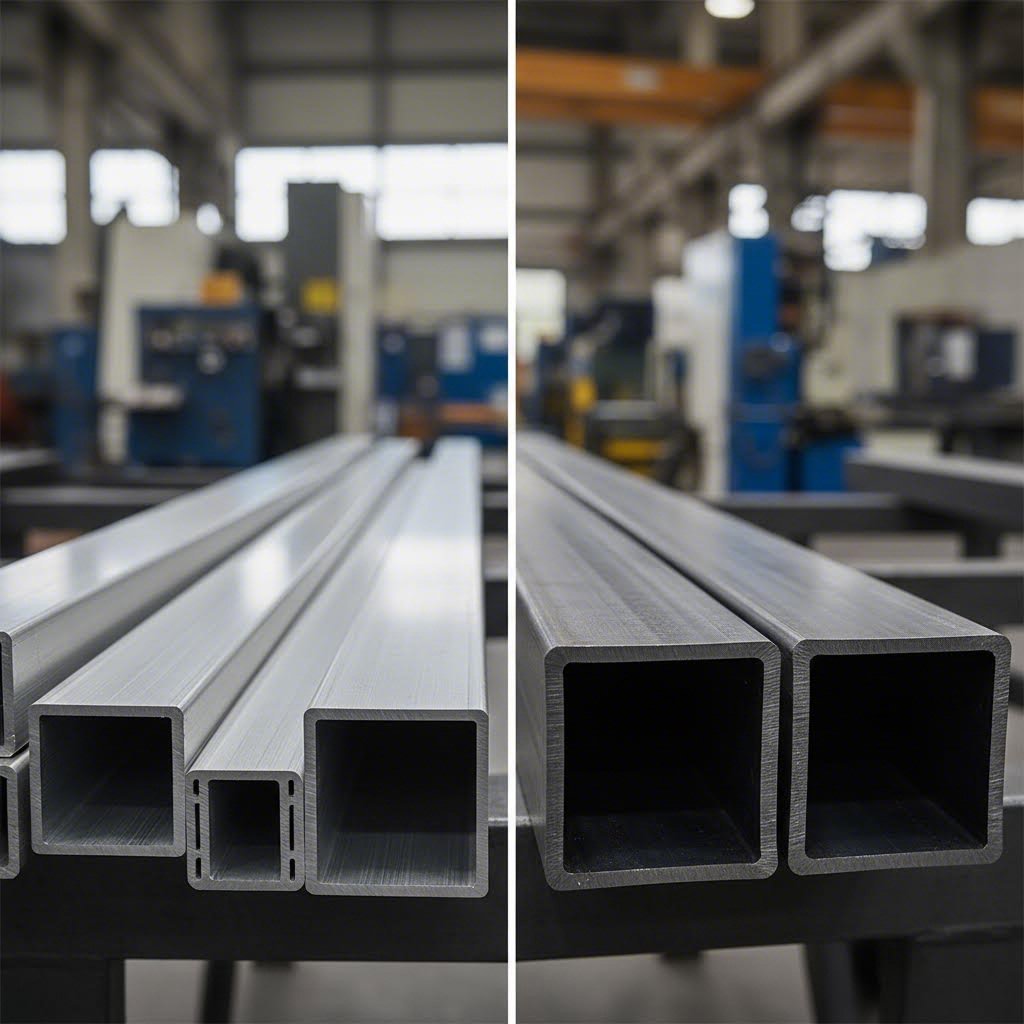
So you've learned about aluminum alloys, tempers, and profile types. But here's a question worth asking: is aluminum actually the best material for your sign frame, or are there situations where steel, plastic, or wood might serve you better?
The honest answer depends on your specific project requirements. Each material brings distinct advantages and limitations to the table. Understanding these trade-offs helps you make informed decisions—whether you're a fabricator recommending materials to clients or a buyer specifying a metal frame for sign installations.
Imagine installing a 20-foot sign cabinet on the side of a building. Now imagine doing it twice—once with aluminum frames, once with steel. The difference in your installation crew's experience would be dramatic.
According to OPT Signs, aluminum weighs approximately one-third as much as steel. The density numbers tell the story: aluminum comes in at 2.71 g/cm³ compared to steel's 7.87 g/cm³. For large-format signage where installation logistics matter, this weight difference translates directly into faster setup times, smaller crews, and reduced equipment costs.
But here's what really makes aluminum shine for signage applications—its strength-to-weight ratio. While steel has higher absolute tensile strength (505 MPa versus aluminum's 276 MPa), aluminum delivers approximately 99 units of strength per unit of weight compared to steel's 63. This means you get more structural performance for every pound you lift into position.
When does this matter most? Consider these scenarios where aluminum frames make the difference:
Steel does offer advantages in specific situations. Its greater absolute strength makes it suitable for heavy-duty applications where the frame must support significant additional weight. According to OPT Signs, steel works well for permanent highway signage and industrial environments where maximum rigidity matters more than handling ease.
A metal sign frame might look great on installation day, but how will it perform after five, ten, or twenty years of exposure to the elements? This is where material selection truly shows its value.
Aluminum forms a natural protective oxide layer when exposed to air. This invisible shield stops corrosion before it starts—no additional coatings required for basic protection. According to an ASTM study that tested materials across 53 locations over 8 years, aluminum demonstrated superior corrosion resistance compared to steel, particularly in wet and coastal environments.
Steel requires more proactive protection. Without coatings like galvanization, zinc-rich primers, or epoxy treatments, steel rusts when exposed to moisture and oxygen. These protective layers add upfront cost and require periodic maintenance—reapplication, inspection, and touch-up work that continues throughout the sign's lifespan.
What about plastic and wood alternatives? Each has its place, but with notable limitations:
Environment plays a crucial role in material performance. Coastal locations with salt air accelerate corrosion in unprotected steel. High-UV desert environments break down plastic compounds faster. Humid climates challenge wood's integrity. Aluminum performs consistently across all these conditions with minimal intervention.
Initial purchase price tells only part of the story. When evaluating metal frames for signs, smart buyers calculate total cost of ownership—factoring in installation, maintenance, and expected lifespan.
Here's the reality: aluminum costs more upfront than steel when compared by weight. However, according to ShieldCo Art, when you compare the cost of equivalent volumes, stainless steel runs approximately 30% higher than aluminum. And since aluminum weighs one-third as much, you need far less material to achieve similar structural performance.
The maintenance equation tips further in aluminum's favor over time. Steel frames require:
Aluminum sign frame material essentially maintains itself. Clean it occasionally, and it continues performing. This low-maintenance profile makes aluminum particularly attractive for sign owners who want to install and forget—focusing on their business rather than sign upkeep.
| Property | Aluminum Extrusions | Steel | Plastic | Wood |
|---|---|---|---|---|
| Weight | Lightweight (2.71 g/cm³) | Heavy (7.87 g/cm³) | Very light | Medium |
| Corrosion Resistance | Excellent (natural oxide layer) | Requires protective coatings | Excellent | Poor without treatment |
| Fabrication Ease | High (extrusion allows complex shapes) | Moderate (welding required) | High (molding) | Moderate (carpentry skills) |
| Recyclability | 100% recyclable, retains quality | Recyclable, energy-intensive | Limited recyclability | Biodegradable |
| Typical Lifespan | 20+ years outdoor | 10+ years with maintenance | 5 years outdoor | Variable (5-15 years) |
| Best Application | Most signage types | Heavy-duty permanent installations | Temporary/budget signs | Scenic/decorative settings |
The comparison becomes especially clear for large-format signage projects. When a metal frame for signs spans 20 feet or more, aluminum's weight advantage compounds at every stage—from shipping costs to crane rental to the number of installers needed on site. These savings often offset the higher material cost, making aluminum the more economical choice overall.
For most commercial signage applications, aluminum extrusions deliver the optimal balance of performance, longevity, and total cost. Steel earns its place in specialized heavy-duty scenarios. Plastic works for budget-conscious temporary needs. Wood serves aesthetic purposes in specific settings. But when you need a material that handles diverse conditions while minimizing long-term investment, aluminum frames consistently emerge as the practical choice.
Of course, choosing the right material is just the beginning. How you finish that aluminum surface determines both its appearance and its ability to withstand specific environmental challenges—which brings us to the critical topic of surface treatments and coatings.
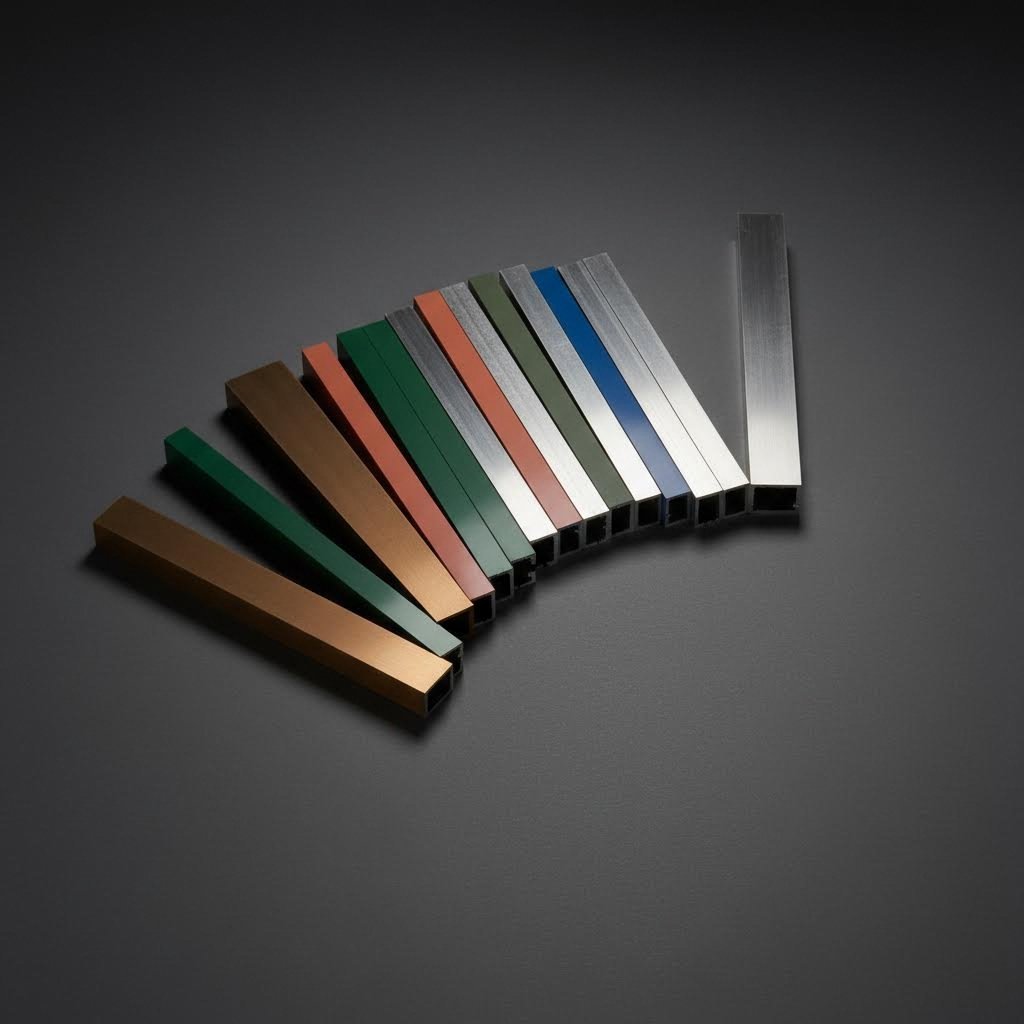
You've selected the right alloy, temper, and profile for your project. But here's the thing—raw aluminum rarely goes directly into a finished sign. The surface treatment you apply determines how your aluminum sign frame looks, how long it lasts, and how well it performs in specific environments.
Think of finishing as the protective armor and visual identity of your signage. Whether you need a sleek architectural appearance, precise brand color matching, or maximum durability in harsh conditions, the right finish makes all the difference. Let's explore your options.
When you need a rich, metallic appearance that integrates seamlessly with building facades, anodizing delivers what paint cannot. This electrochemical process doesn't just coat the aluminum—it transforms the surface itself.
According to SAF, anodizing creates a protective layer of aluminum oxide that's integral to the metal. Unlike applied coatings, it can't peel or flake because it grows from the base aluminum through the electrochemical process. The result is a hard, durable finish that handles abrasion far better than paint—making it ideal for high-traffic areas like storefront entries and wayfinding systems.
But not all anodizing is created equal. You'll encounter two main classifications:
Here's something most buyers don't realize: anodizing can be renewed. When the surface accumulates dirt and stains over years of exposure, a mild detergent with gentle abrasive cleaning actually removes a thin layer of the coating—revealing fresh anodized aluminum underneath. SAF notes this "renewal" capability can extend performance another twenty years, something no organic coating can match.
Common anodized finishes include clear, bronze (various tones), and black. These work particularly well for alu sign applications where you want the material's metallic character to show through while maintaining long-term protection.
Need to match your client's exact brand colors? Powder coating opens up virtually unlimited color options that anodizing simply cannot provide.
Powder coating works by applying electrostatically charged dry powder to the aluminum surface, then curing it in an oven. The powder melts and flows into a continuous film that bonds to the metal. The result is a smooth, durable finish available in any color imaginable.
According to SAF, powder coatings produce no VOC emissions during curing—a significant environmental advantage over solvent-based liquid paints. The process also generates minimal waste since overspray can be collected and reused.
For outdoor signage, resin selection matters enormously:
One consideration with powder coating: batch sizes typically need to be larger for custom colors, making this finish more economical for bigger projects. Many manufacturers stock popular colors for smaller orders, but truly custom brand matching may require minimum quantities.
Some environments demand more than standard anodizing or powder coating can provide. When your aluminum sign frame faces extreme conditions, specialty finishes deliver the protection you need.
PVDF liquid coatings (sold under brands like Kynar 500 and Hylar 5000) have dominated the curtain wall and metal roofing markets for good reason. According to SAF, PVDF coatings must pass actual ten-year exposure testing in South Florida to meet AAMA 2605 specifications—real-world proof of their weather resistance. These coatings excel in high-UV environments where color retention matters over decades of service.
For specific environmental challenges, consider these finish options:
Weather-resistant aluminum signs with proper finishes can last 5-10 years outdoors with minimal maintenance, according to MAC1 Signs. The key is matching your finish to your specific environment—not just choosing the most expensive option available.
Your installation environment should drive your finish decision. Here's practical guidance based on where your aluminum frame sign will live:
Indoor applications offer more flexibility since UV exposure, moisture, and temperature extremes aren't concerns. Standard powder coatings, Class II anodizing, or even mill finish aluminum work well for interior wayfinding, retail displays, and office signage. Focus on appearance and cost rather than maximum durability.
Outdoor applications demand weather-resistant finishes. At minimum, specify Class II anodizing or exterior-grade powder coating. For signs in harsh conditions—coastal, desert, or industrial areas—invest in Class I anodizing or AAMA 2605-rated PVDF coatings. The upfront cost saves money over time through reduced maintenance and extended lifespan.
One often-overlooked factor: maintenance accessibility. According to MAC1 Signs, regular cleaning with mild soap and water preserves weather resistance and prevents corrosion. Signs installed in hard-to-reach locations benefit from the most durable finishes available, since maintenance opportunities are limited.
The finish you select directly impacts both appearance and longevity. Match the protection level to your environment, and your aluminum sign frame will deliver years of reliable performance. With material, profile, and finish decisions made, the next step is understanding how different industries apply these choices to their unique signage requirements.
You've mastered the fundamentals—alloys, profiles, and finishes. But here's where theory meets reality: different industries demand vastly different things from their aluminum sign frames. A retail display that swaps graphics weekly has nothing in common with a highway billboard engineered to survive hurricane-force winds.
Understanding these industry-specific requirements helps you specify the right aluminum sign board systems from the start. Whether you're a fabricator serving diverse clients or a buyer defining project specifications, matching extrusion characteristics to real-world demands prevents costly mistakes and ensures long-term satisfaction.
Retail environments change constantly. New promotions, seasonal campaigns, rebranding efforts—your signage needs to keep pace without requiring a professional installation crew every time.
According to XCEL Products, a new generation of quick-change signage solutions has emerged specifically for retail, hospitality, and education sectors. The key advantage? Graphics that swap in seconds rather than hours, installed by on-site staff rather than hired contractors.
When specifying aluminum sign frames for retail applications, prioritize these features:
XCEL notes that SEG frame systems can be customized to any size, thickness, and color—with options for illuminated or non-illuminated configurations. These aluminum frames mount on walls, hang from ceilings, or stand freely on bases. The fabric graphics themselves are lightweight, washable, and roll up for storage when not in use.
For retail buyers, the real savings come from operational efficiency. When your store manager can install new promotional graphics in minutes rather than waiting days for a sign company, you respond faster to market opportunities. The initial investment in quality aluminum sign frames pays dividends through reduced labor costs and increased marketing agility.
Step outside and the requirements shift dramatically. Outdoor advertising installations face forces that indoor signage never encounters—wind being the most critical structural concern.
According to CnLCDisplay's engineering documentation, outdoor LED billboards require standardized wind load and structural calculations that go far beyond simple mounting considerations. Their analysis reveals why: a 12-square-meter display at 10 meters height experiences adjusted design wind pressures of 0.36 kPa, with maximum loads perpendicular to the surface reaching 3.97 kPa under worst-case conditions.
For outdoor advertising aluminum sign frames, structural design follows specific principles:
Flex face signs represent a specific outdoor advertising category where aluminum extrusion selection matters enormously. These large-format displays stretch translucent vinyl across tensioned aluminum frames, creating seamless graphics visible from highway distances. The frame profiles must maintain constant tension over years of thermal cycling and wind loading without permanent deformation.
When specifying flexface systems for outdoor advertising, verify that your extrusion supplier understands the structural demands. Standard cabinet profiles won't suffice—you need heavy-gauge construction with reinforced sections specifically designed to handle continuous tensioning forces.
Healthcare facilities, corporate campuses, airports, universities—these environments present unique wayfinding challenges that standard signage approaches can't address. The aluminum signage frames you specify must accommodate specific mounting conditions while integrating visually with architectural design themes.
According to SignComp, architectural signage encompasses numerous post and panel options designed for directional and wayfinding applications. Their systems offer customizable configurations ranging from single-panel to multi-panel displays with body depths of 2", 3-1/4", 4", and 7".
Key considerations for architectural wayfinding aluminum frames include:
SignComp's architectural product line includes slim wall-mount cabinets, monument bases, and specialized edge treatments like monolithic profiles and radius ends. These options let designers create cohesive wayfinding systems that complement building aesthetics rather than conflicting with them.
For healthcare specifically, infection control considerations add another layer. Powder-coated aluminum frames with antimicrobial additives resist bacterial growth on high-touch surfaces. Smooth profiles without crevices simplify cleaning protocols. These functional requirements influence extrusion selection beyond pure structural and aesthetic concerns.
The common thread across all these applications? Understanding your specific operational context before selecting aluminum sign board systems. Here's a quick reference for matching extrusion characteristics to industry needs:
Each industry brings unique demands that influence every aspect of extrusion selection—from alloy and temper to profile design to surface finish. Working with suppliers who understand your specific sector helps ensure you receive appropriate recommendations rather than generic solutions.
With industry requirements clarified, the next practical question becomes whether to purchase individual extrusion components or complete frame kits. The answer depends on your project's complexity, your fabrication capabilities, and your volume requirements.
So you've identified the perfect alloy, profile, and finish for your project. Now comes a practical question that impacts both your budget and your workflow: should you purchase individual aluminum extrusion components and assemble them yourself, or order a complete aluminium frame kit ready for installation?
This decision affects everything from upfront costs to labor requirements to final quality. Neither approach works universally—the right choice depends on your specific project circumstances, fabrication capabilities, and volume requirements. Let's break down when each option makes sense.
Imagine you're building a monument sign with non-standard dimensions, unusual angles, or integrated features that no off-the-shelf kit can accommodate. This is where purchasing individual extrusion components shines.
Custom component purchasing offers distinct advantages for certain project types:
According to item, modular aluminium profile systems offer over 4,500 mutually compatible components that engineers can combine for projects ranging from simple frames to complex automated systems. This component-based approach delivers decisive flexibility—you're not locked into predetermined configurations.
The trade-off? Components require more expertise to specify correctly. You need to calculate quantities, verify compatibility between profiles and fasteners, and ensure your cutting and joining methods produce professional results. For fabricators with established workflows, this represents no obstacle. For occasional sign buyers, it can introduce unwanted complexity.
What if you need a straightforward rectangular sign frame in a common size? Ordering individual components would be like buying lumber to build a bookshelf when you could purchase one pre-cut and ready to assemble.
Complete extruded frame kits package everything you need: pre-cut profile sections, corner connectors, fastening hardware, and sometimes even installation instructions. According to SignComp, their EconoComp line offers lightweight systems for rigid faces that are economically priced and easy to assemble—designed specifically for buyers who want simplicity without sacrificing quality.
Kit solutions deliver clear benefits for appropriate applications:
SignComp's product lines illustrate how kit solutions address different performance requirements. Their Standard line provides medium-duty options for rigid faces with removable retainers for easy access. The Commercial line offers heavy-duty cabinets for rigid or flex faces with hinging options. Each kit type targets specific applications—matching system weight to structural demands.
Here's something many first-time buyers overlook: the relationship between sign dimensions and profile selection goes beyond simple aesthetics. Larger signs require heavier profiles not just for strength, but for rigidity that prevents visible deflection.
When selecting profiles for different sign dimensions, consider these practical factors:
According to item's engineering resources, their profile lines range from Line 5 (20mm modular dimension) for weight-optimized compact applications to Line 12 (60mm modular dimension) for heavy-duty frame structures supporting tensile loads up to 10,000 N per connection. Matching profile line to application prevents both over-engineering costs and under-specification failures.
The following comparison helps clarify which approach fits your situation:
| Factor | Individual Components | Complete Frame Kits |
|---|---|---|
| Project Complexity | Custom shapes, unusual angles, specialized features | Standard rectangular or simple curved designs |
| Order Volume | High-volume production runs benefit from bulk pricing | Single projects or small quantities |
| Fabrication Capability | Requires cutting, joining, and finishing equipment | Minimal tools needed for assembly |
| Lead Time | May require coordinating multiple suppliers | Single shipment, faster project start |
| Cost Structure | Lower per-unit at volume, higher expertise required | Predictable pricing, premium for convenience |
| Design Flexibility | Unlimited customization possibilities | Limited to available kit configurations |
| Quality Control | Depends on fabricator skill and equipment | Manufacturer-tested compatibility |
Whether you choose components or kits, proper installation determines long-term performance. Here are mounting considerations that experienced fabricators understand but newcomers often miss:
Allow for thermal movement. Aluminum expands and contracts with temperature changes. For long frame runs, slotted mounting holes prevent stress buildup that could warp the frame or crack connections.
Match fastener materials. Stainless steel hardware prevents galvanic corrosion when used with aluminum frames. Avoid mixing dissimilar metals at connection points—especially in outdoor installations where moisture accelerates electrochemical reactions.
Pre-assemble before final installation. Dry-fit your aluminium frame components at ground level before lifting into position. Discovering a miscut or missing part while working from a lift wastes time and creates safety hazards.
Verify wall attachment adequacy. A beautifully fabricated sign frame fails if its wall anchors can't support the load. Calculate total weight including graphic materials, and specify anchors rated for at least twice the static load to account for wind and installation stresses.
Document your assembly. Photograph connection details and record fastener torque specifications. This documentation proves invaluable when maintenance or modifications are needed years later.
The components versus kits decision sets the stage for your entire project workflow. Get it right, and fabrication proceeds smoothly. Get it wrong, and you'll spend time and money correcting course. With your assembly approach determined, the next consideration looks beyond immediate project needs to the environmental impact of your material choices—specifically, how aluminum's recyclability aligns with sustainability goals.
Beyond performance and aesthetics, there's another compelling reason to choose aluminum framing extrusion for your signage projects: environmental responsibility. As businesses face increasing pressure to demonstrate sustainability commitments, the materials you specify send a clear message about your values.
Here's something that might surprise you: the aluminum in your sign frame could have been recycled dozens of times before reaching you—and it can be recycled dozens more times after your sign's useful life ends. This isn't a feel-good marketing claim. It's a fundamental property of the material that makes frame aluminum uniquely positioned for sustainable building practices.
Most materials degrade each time they're recycled. Plastics lose structural integrity. Paper fibers shorten and weaken. But aluminum? It maintains its original properties no matter how many recycling cycles it undergoes.
According to Novelis, aluminum is infinitely recyclable without any loss of quality. The metal retains all of its original properties regardless of how many times it's been through the recycling process. This characteristic ensures that your alum frame can continue contributing to a circular economy long after your current signage project is complete.
Approximately 75% of all aluminum ever produced is still in active use today.
Think about what that statistic means. The aluminum in your sign frame might contain metal originally produced decades ago—continuously recycled and repurposed without ever losing its structural integrity or surface finish quality. Unlike materials that eventually become waste, aluminum keeps circulating through the economy indefinitely.
For sign buyers concerned about end-of-life disposal, this recyclability eliminates a significant environmental burden. When your sign eventually needs replacement, the aluminum framing extrusion goes back into the recycling stream rather than a landfill. The Aluminum Association notes that building products made from aluminum can have a 70+ year lifespan—and when that lifespan ends, the material remains fully recoverable.
The energy equation for recycled versus primary aluminum production is dramatic. When manufacturers use recycled aluminum instead of extracting and processing raw bauxite ore, the environmental savings compound significantly.
According to Identiti, recycling aluminum uses only about 5% of the energy required to produce new aluminum—saving approximately 95% of energy and emissions compared to primary production. In practical terms, this means a sign frame made from recycled aluminum carries only a fraction of the carbon footprint of one made from virgin metal.
Novelis confirms these figures, noting that recycling aluminum reduces greenhouse gas emissions by up to 95% compared to primary aluminum production. For businesses tracking their carbon footprint or working toward net-zero commitments, specifying recycled content aluminum framing represents a meaningful contribution to sustainability goals.
Beyond energy savings, aluminum sign frames support broader sustainable signage trends:
The sustainability advantages extend to finishing processes as well. Modern powder coating produces no VOC emissions during curing, and overspray can be collected and reused. LED illumination systems—commonly paired with aluminum sign frames—use 75% less power than traditional lighting, further reducing operational environmental impact.
For environmentally-conscious buyers, aluminum extrusions offer a rare combination: superior performance characteristics paired with genuine sustainability credentials. The material doesn't force you to choose between durability and environmental responsibility—you get both. With sustainability considerations addressed, the final step is finding a manufacturing partner capable of delivering custom aluminum extrusions that meet your specific project requirements.
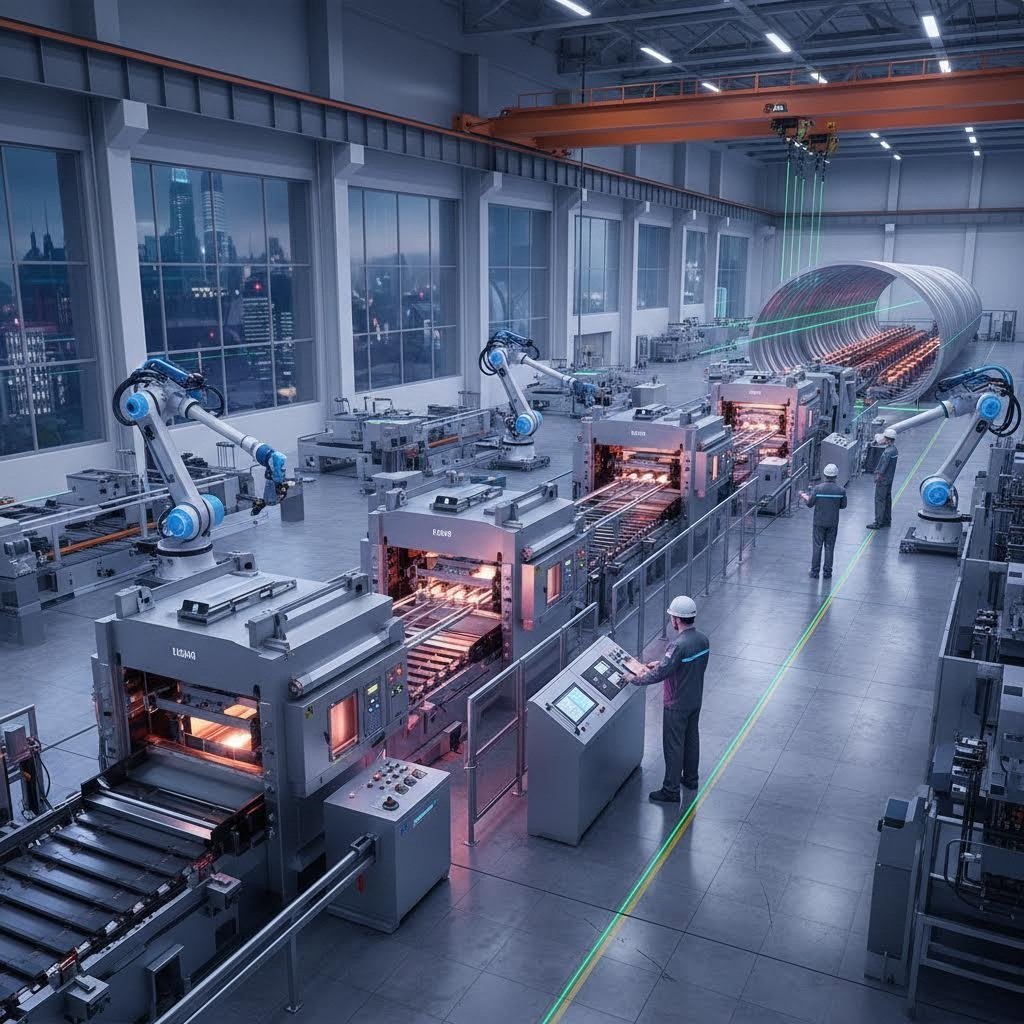
You've made the material decisions—alloy, temper, profile, and finish. Now comes perhaps the most consequential choice of all: who actually manufactures your aluminum frame extrusions? The right partner transforms your specifications into reality. The wrong one delivers headaches, delays, and compromised quality.
Finding aluminium extrusions for sale is easy. Finding a manufacturer who understands signage-specific requirements, maintains consistent quality, and delivers on schedule? That requires due diligence. Let's walk through what separates capable suppliers from those who'll leave you scrambling.
Think of extrusion press capacity like horsepower in a vehicle—the right amount depends entirely on what you're hauling. Small decorative trim profiles require different equipment than massive structural sections for highway billboards.
According to JM Aluminium, assessing production capabilities should be among your first steps when researching a manufacturing partner. A reliable manufacturer needs well-equipped facilities with modern machinery and technology, since the quality and precision of extruded profiles depend significantly on the equipment being used.
When evaluating potential suppliers for your aluminum frame extrusions, examine these critical capability areas:
JM Aluminium emphasizes that different industries have specific requirements or regulations, and a manufacturer familiar with your industry will be better equipped to meet your needs. For signage applications, this means understanding flex face tensioning requirements, illumination cavity dimensions, and mounting channel specifications.
Quality control deserves special attention. According to JM Aluminium, reputable manufacturers perform quality checks at various stages of the extrusion process to ensure final products meet industry standards. Look for ISO certification and ask about their inspection protocols—especially for critical dimensions that affect your assembly process.
Custom signage profiles begin with a die—the precision-machined steel tool that shapes molten aluminum into your specific profile. Understanding this process helps you evaluate whether a manufacturer can truly deliver on custom requirements.
According to Profile Precision Extrusions, the transition from prototype to production represents a critical phase where understanding lead times and mill capacity becomes essential. They note that production lead times vary based on mill capacity and the complexity of process steps required—something to clarify during your initial discussions.
Here's what the custom die process typically involves:
Profile Precision Extrusions highlights an important consideration: they consider custom designs proprietary to the customer and won't produce extrusions from your die for anyone else without written permission. Verify this practice with any manufacturer you're evaluating—your custom profile represents intellectual property worth protecting.
For ongoing production, ask about die maintenance and backup tooling. Some manufacturers invest in backup dies at their own expense for regularly ordered profiles, ensuring production continuity if primary tooling needs repair. This attention to long-term partnership signals a manufacturer worth developing a relationship with.
Before signing a purchase order for extruded aluminum parts, conduct thorough due diligence. These questions help separate capable partners from those who'll disappoint:
Shengxin Aluminium exemplifies this comprehensive approach—their technical team provides support throughout the entire process, from initial die development through finished production runs. With over 30 years of industry experience, they understand the specific requirements that signage applications demand.
The best supplier relationships extend beyond individual transactions. Profile Precision Extrusions describes their approach as "a partnership for success"—and that mindset matters for ongoing signage production needs.
Consider these factors when evaluating long-term partnership potential:
Profile Precision Extrusions notes they've earned the trust of over 50 companies annually who choose them to develop new aluminum shapes. That track record suggests a manufacturer who delivers results consistently—exactly what you want when specifying aluminum extrusions for signage projects that represent your brand.
The manufacturing partner you select influences every aspect of your signage quality—from dimensional accuracy to surface finish to delivery reliability. Invest the time to evaluate capabilities thoroughly, ask the right questions, and build relationships with manufacturers who understand your specific requirements. Your sign installations will reflect that diligence for years to come.
6063 aluminum is the industry standard for sign frames due to its superior extrudability, excellent surface finish, and strong corrosion resistance. It creates intricate profile shapes with tight tolerances and produces smooth surfaces ideal for anodizing or powder coating. For heavy-duty outdoor installations requiring maximum strength, 6063-T6 temper provides enhanced mechanical properties, while 6063-T5 works well for indoor applications and situations requiring easier fabrication.
Aluminum weighs approximately one-third as much as steel while delivering a superior strength-to-weight ratio—about 99 units of strength per unit of weight compared to steel's 63. This translates to faster installation, smaller crews, and reduced equipment costs for large-format signage. Aluminum also forms a natural protective oxide layer that resists corrosion without additional coatings, while steel requires galvanization or protective treatments and ongoing maintenance to prevent rust.
Popular finishes include anodizing (Class I for demanding environments, Class II for commercial applications), powder coating for unlimited color matching, and PVDF coatings for extreme weather resistance. Anodizing creates a hard, durable finish integral to the metal that handles abrasion well. Powder coating offers brand-specific colors with no VOC emissions. For coastal or high-UV locations, Class I anodizing or AAMA 2605-rated PVDF coatings provide maximum protection.
Complete kits work best for standard rectangular designs, single projects, or buyers with limited fabrication capabilities—they offer predictable costs and pre-tested compatibility. Individual components suit custom shapes, unusual angles, high-volume production runs, or fabricators with in-house CNC cutting and welding equipment. Components provide unlimited customization but require more expertise to specify correctly and may involve coordinating multiple suppliers.
Evaluate press tonnage range (600T-5500T covers most signage needs), CNC machining capabilities for precise cutting and drilling, and in-house surface treatment options. Verify experience with signage-specific requirements like flex face tensioning and illumination cavities. Ask about on-time delivery rates (above 90% is positive), quality control protocols, and whether they offer die development support. Manufacturers like Shengxin Aluminium provide comprehensive capabilities including 35 extrusion presses, multiple finishing options, and end-to-end technical support.



 Интернет Сервис
 0086 136 3563 2360
 sales@sxalu.com
 +86 136 3563 2360
 русский
 English
 français
 Deutsch
 español
 português
 العربية
 ไทย
 Việt
 Українська