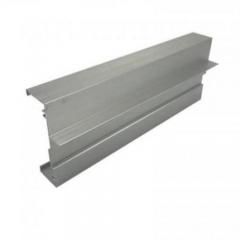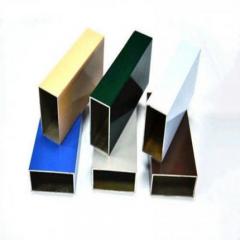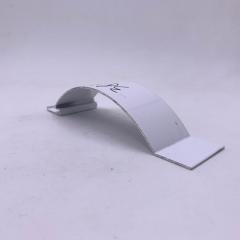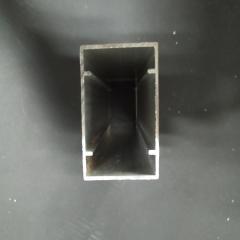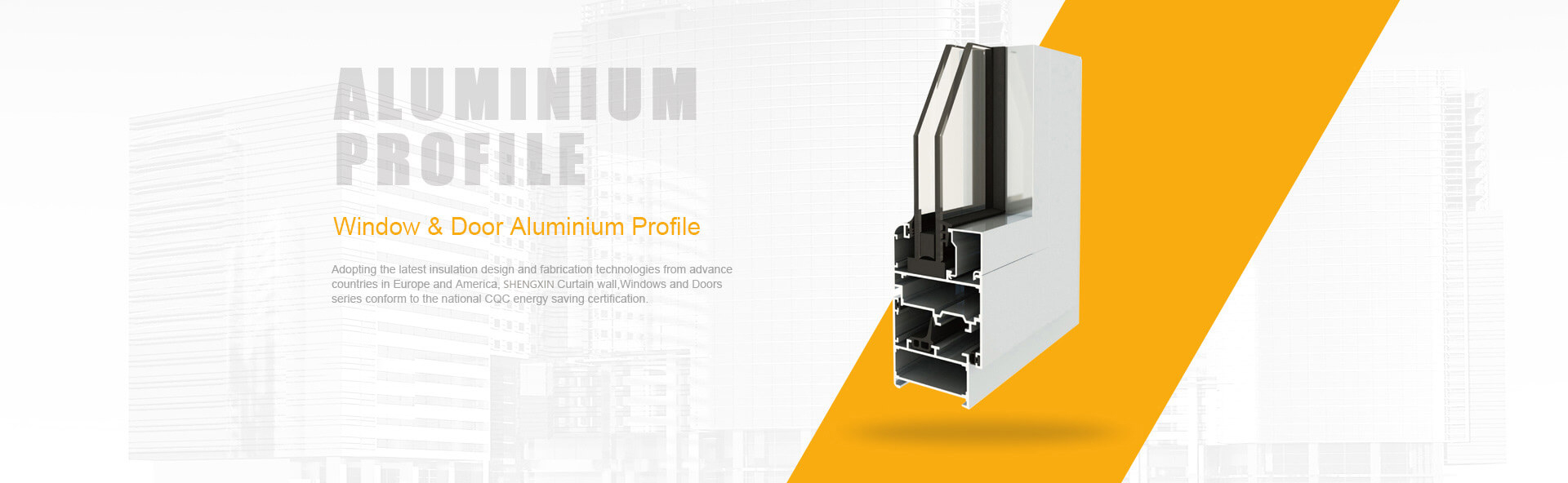
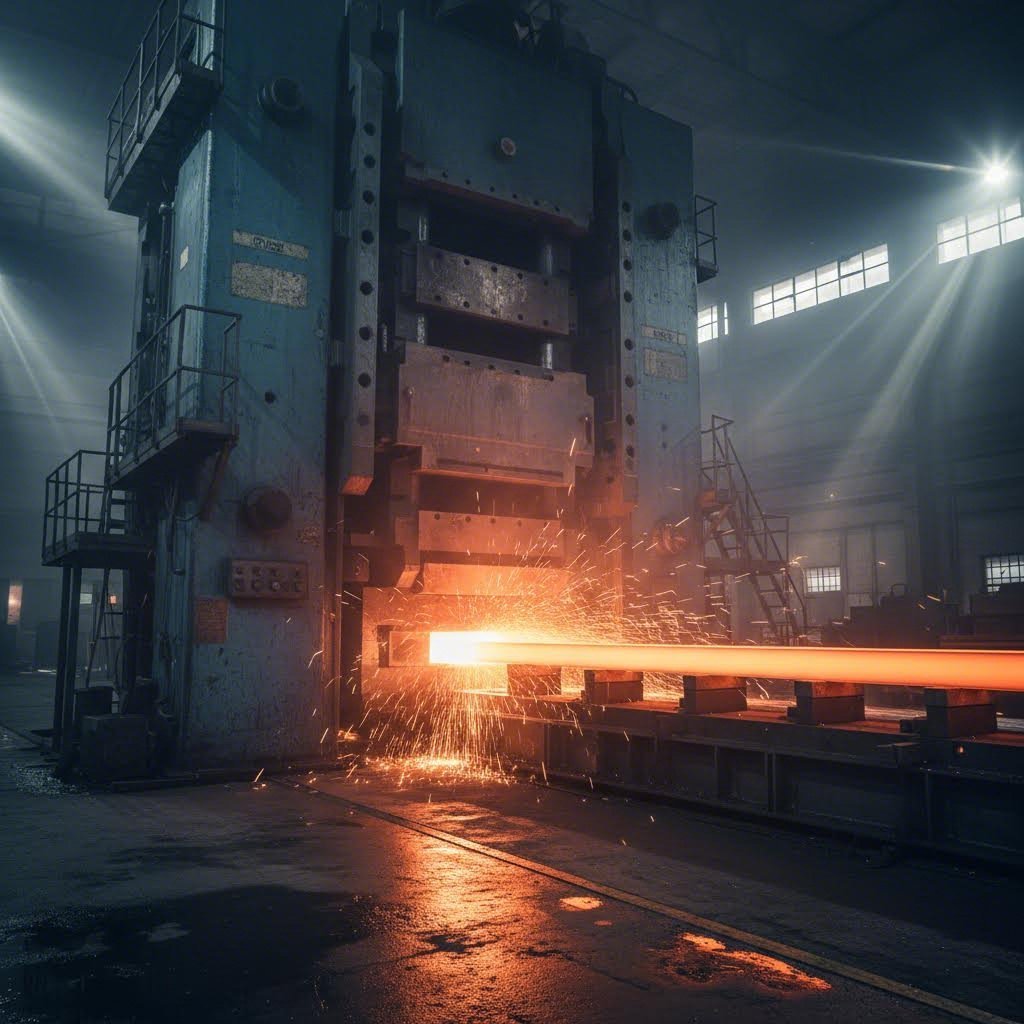
Ever wondered how manufacturers create those perfectly uniform aluminum channels, tubes, and complex shapes you see in everything from window frames to aircraft components? The answer lies in a remarkably efficient process that transforms raw metal into precision-engineered parts.
Aluminum extrusion fabrication services encompass the complete process of heating aluminum billets and forcing them through shaped dies to create profiles with consistent cross-sections, by secondary operations like cutting, machining, and finishing to produce ready-to-use components.
So what is an aluminum extrusion exactly? Imagine squeezing toothpaste through a tube—the paste takes the shape of the opening as it exits. Aluminum extrusion works on the same principle, just with heated metal and industrial-scale pressure.
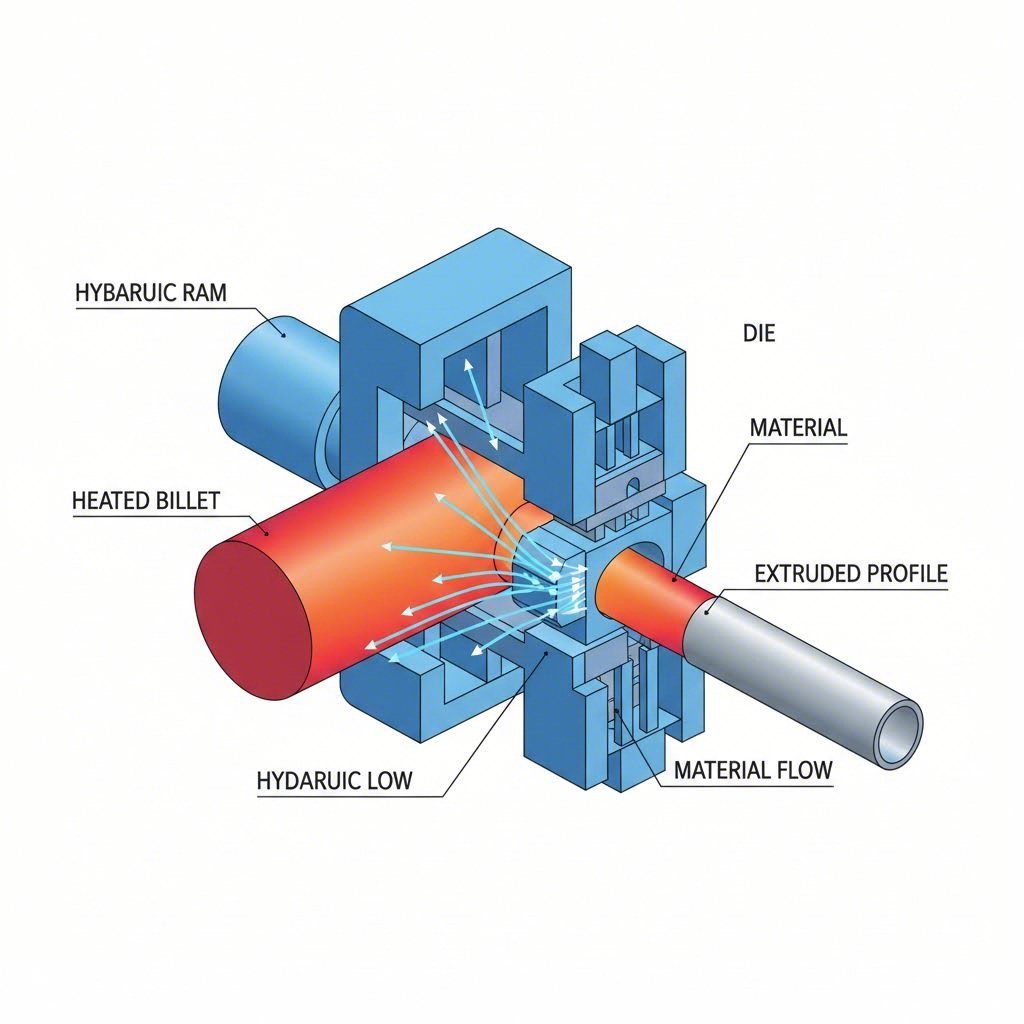
The process begins with a cylindrical aluminum billet, typically heated to temperatures between 750°F and 925°F. At this temperature, the metal becomes soft enough to flow but maintains its solid form. A powerful hydraulic press then forces this heated billet through a steel die—a specialized tool with a precisely cut opening that determines the final shape of the aluminum profile.
What are aluminum extrusions used for? The applications span virtually every industry. From architectural trim and structural framing to heat sinks and automotive components, extruded profiles offer unmatched versatility in design and function.
The journey from raw material to finished aluminum extrusion profiles involves several carefully controlled stages. First, billets are preheated to ensure uniform material flow. Next, the heated aluminum passes through the die, emerging as a continuous length of shaped material—sometimes extending 50 feet or more.
Once extruded, profiles undergo cooling, stretching for straightness, and cutting to specified lengths. Many aluminum profile applications require additional processing: heat treatment to enhance strength, surface finishing for aesthetics and protection, or precision machining for exact dimensional requirements.
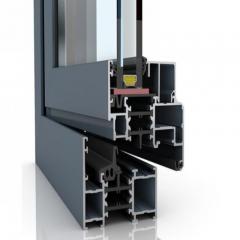
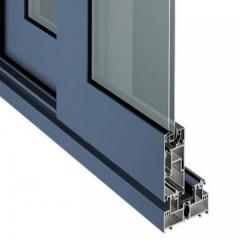
The beauty of this process lies in its ability to produce complex cross-sectional shapes in a single operation. An aluminium extruded profile can incorporate hollow sections, intricate channels, and integrated features that would require multiple manufacturing steps using other methods.
Compared to casting or machining from solid stock, aluminum extrusion offers distinct advantages that make it the preferred choice for many applications:
According to industry comparisons, extruded aluminum typically exhibits better mechanical strength due to its uniform grain structure formed during processing, making it preferable for parts where strength is paramount. This makes extruded profiles ideal for structural applications requiring consistent quality across thousands of identical pieces.
Understanding these fundamentals positions you to make informed decisions about material selection, design optimization, and supplier evaluation as we explore each stage of the fabrication process in detail.
Now that you understand what aluminium extrusion involves, let's walk through exactly how manufacturers transform a solid aluminum billet into precision-engineered profiles. The process involves carefully orchestrated stages, each critical to achieving the dimensional accuracy and mechanical properties your application demands.
Here's the complete workflow from start to finish:
Everything starts with the billet—a thick cylindrical block of aluminum alloy cut from a longer log. But you can't simply feed cold metal into the press. The billet must reach a precise temperature range to become malleable enough for extrusion while remaining solid.
How does aluminum extrusion work at this critical stage? Billets enter specialized ovens where they're heated to approximately 800-925°F. This temperature window is essential: too cold and the metal won't flow properly through the die; too hot and you risk surface defects or dimensional inaccuracies.
Temperature is arguably the most critical variable in the entire process. According to Bonnell Aluminum's technical resources, maintaining proper temperature gives aluminum its desired characteristics including hardness and finish quality. Manufacturers use precise monitoring equipment to ensure consistency throughout each production run.
While the billet heats, operators prepare the aluminum extrusion tooling. Aluminium extrusion dies—the steel tools that shape the final profile—must also be preheated to around 750-900°F for 4-6 hours before use. This preheating serves two purposes: it maximizes die life and ensures even metal flow during pressing.
Once preparation is complete, the actual extrusion begins. The heated billet transfers to a loader where a thin film of lubricant is applied, preventing the metal from sticking to the ram and container walls.
Here's where press tonnage becomes crucial. Extrusion presses range from smaller units generating a few hundred tons of pressure to massive industrial systems capable of 15,000+ tons. The press size directly determines:
When you aluminum extrude material, the hydraulic ram pushes a dummy block against the billet, crushing it into the container until it contacts all walls. Under continued pressure, the softened metal begins flowing through the die openings—emerging on the other side as a fully-formed profile.
Some facilities use liquid nitrogen flowing around die sections during pressing. This cooling extends die life while creating an inert atmosphere that prevents oxide formation on the emerging shape. The extrusion aluminum exits at temperatures requiring careful monitoring—typically 930°F minimum for standard 6063 alloy and 950°F minimum for stronger 6061 variants.
The profile emerging from the press isn't quite finished. A mechanical puller grabs the extrusion and guides it along the run-out table while fans or water baths rapidly cool the metal—a process called quenching. This controlled cooling locks in the metallurgical properties developed during pressing.
After reaching the desired length, a hot saw shears the extrusion. But here's something many buyers don't realize: not all the billet becomes usable product. The remaining portion, called the "butt," contains surface oxides and must be sheared off and recycled.
Once cooled to room temperature, extrusions typically exhibit some twisting or bowing. Stretching corrects this. Each profile is gripped at both ends and pulled until straight, which simultaneously performs work hardening—a molecular realignment that increases hardness and strength.
The final production step involves sawing profiles to customer-specified lengths. Cutting tolerances of 1/8 inch or greater are standard, depending on saw capabilities and length requirements.
For applications requiring specific temper designations like T5 or T6, parts then enter age ovens for artificial aging. This heat treatment accelerates the natural aging process under controlled conditions, developing the final mechanical properties your application requires.
With the extrusion process complete, profiles may proceed to secondary fabrication operations or surface finishing—topics we'll explore after examining how alloy selection influences both the extrusion process and your finished product's performance.
With the extrusion process understood, here's the next critical decision: which aluminum extrusion material best suits your application? Selecting the wrong alloy can mean compromised performance, unnecessary costs, or fabrication headaches down the line. The good news? Most projects fall into well-established alloy categories with clear selection criteria.
Aluminum profiles come in hundreds of registered alloy variations, but the 6000 series dominates extrusion applications. Why? These alloys contain silicon and magnesium as primary alloying elements, offering an excellent balance of extrudability, strength, and corrosion resistance. Let's examine the two workhorses—6063 and 6061—along with specialty options for demanding situations.
When you see sleek window frames, decorative railings, or furniture components, you're likely looking at 6063 aluminum. This alloy earns its reputation as the "architectural alloy" for several compelling reasons.
6063 offers exceptional formability, making it ideal for complex aluminum extrusion shapes with thin walls and intricate details. According to industry analysis from Wellste, this alloy's excellent surface finish quality makes it the preferred choice when appearance matters. The material anodizes beautifully, accepting a wide range of colors and finishes that enhance visual appeal.
Key characteristics of 6063 aluminum include:
Common applications for extruded aluminum profiles in 6063 include cabinet frames, handrails, boat windshield frames, and building facades. If your project prioritizes aesthetics, formability, and cost-effectiveness over maximum strength, 6063 is typically your best starting point.
Need aluminum extruded components that can handle significant loads? That's where 6061 enters the picture. This workhorse alloy contains 30-50% more magnesium and silicon than 6063, translating directly into enhanced mechanical performance.
In the T6 temper, 6061 delivers a tensile strength of approximately 310 MPa compared to 241 MPa for 6063—nearly 30% stronger. Yield strength shows similar improvement: 276 MPa versus 214 MPa. This makes 6061 the go-to choice for truck frames, marine structures, tower buildings, and precision mechanical components.
Beyond raw strength, 6061 offers additional advantages:
However, these benefits come with trade-offs. 6061 costs more than 6063, and its higher strength can make certain forming operations more challenging. The slightly lower elongation at break (12% vs. 15%) means less flexibility before failure—an important consideration for applications involving repeated stress.
While 6063 and 6061 cover most extrusion shapes and applications, certain projects demand specialized alloys. Understanding when to specify these alternatives can mean the difference between project success and premature failure.
7000 series alloys (particularly 7075) offer the highest strength aluminum available—essential for aerospace components and high-stress structural applications. With zinc as the primary alloying element plus small amounts of magnesium, copper, and chromium, these alloys achieve tensile strengths exceeding 500 MPa. The trade-off? Poor weldability and higher cost.
5000 series alloys excel in marine environments. Grades like 5083 and 5086 resist saltwater corrosion far better than 6000 series options, making them standard for boat hulls, marine hardware, and coastal architectural applications.
The following table compares key properties to guide your selection:
| Property | 6063-T6 | 6061-T6 | 7075-T6 | 5083-H116 |
|---|---|---|---|---|
| Tensile Strength (MPa) | 241 | 310 | 572 | 317 |
| Yield Strength (MPa) | 214 | 276 | 503 | 228 |
| Brinell Hardness | 73 | 95 | 150 | 75 |
| Corrosion Resistance | Excellent | Very Good | Fair | Excellent (Marine) |
| Weldability | Excellent | Good | Poor | Very Good |
| Extrudability | Excellent | Good | Difficult | Good |
| Anodizing Quality | Excellent | Very Good | Fair | Good |
| Relative Cost | Low | Moderate | High | Moderate |
| Typical Applications | Architectural, furniture, trim | Structural, machinery, transport | Aerospace, high-stress parts | Marine, cryogenic |
How does alloy selection impact downstream operations? Consider this: if your design requires tight-radius bends, 6063's superior elongation makes it more forgiving. Planning extensive CNC machining? 6061's higher hardness produces cleaner finishes with less tool wear. Need welded assemblies? Avoid 7075 unless you can accommodate mechanical fastening instead.
When uncertain about alloy selection, consult your fabrication partner early in the design phase. As noted in A-Line Automation's selection guide, experts can provide valuable insights based on experience with similar applications—potentially saving costly redesigns later.
With your alloy selected, the next consideration becomes what happens after extrusion: the secondary fabrication operations that transform basic profiles into finished, ready-to-install components.
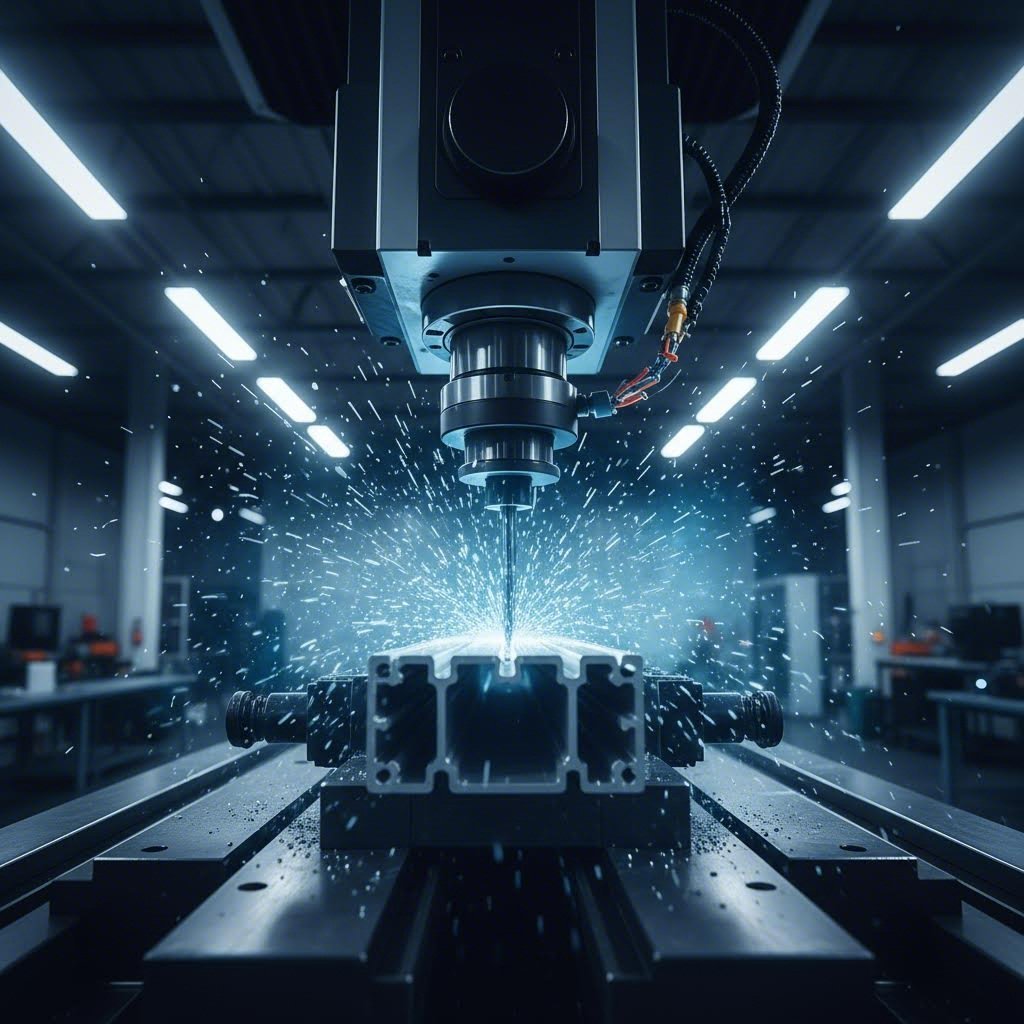
Raw extrusions leaving the press are just the starting point. What transforms these basic profiles into ready-to-install components? Secondary fabrication operations—the precision machining, forming, and assembly processes that add functional features, exact dimensions, and complex geometries your application demands.
Think of it this way: extrusion creates the foundation, but secondary operations build the complete structure. Whether you need precisely drilled mounting holes, curved aluminum extrusion sections for architectural features, or fully welded assemblies, these downstream processes determine whether your parts arrive installation-ready or require additional work on your end.
Here are the most common secondary operations offered by comprehensive fabricators:
When your machined aluminum extrusion requires exact hole placement, threaded features, or complex cutouts, CNC machining delivers the precision you need. Modern aluminum extrusion machining uses computer-controlled equipment that follows programmed toolpaths with repeatability measured in thousandths of an inch.
What makes cnc aluminium extrusion processing so effective? The combination of soft material properties and rigid machine control enables extremely tight tolerances. According to Protolabs' technical resources, precision machined parts can achieve tolerances that meet demanding industrial specifications—critical for applications where components must interface perfectly with mating parts.
Extrusion machining capabilities typically include:
The advantage of aluminum precision machining over manual operations? Consistency. Once programmed, CNC equipment produces identical parts whether you order 100 pieces or 10,000. This repeatability becomes essential when your profiles must integrate into larger assemblies or meet strict quality specifications.
Not every application calls for straight profiles. Architectural facades, handrails, and furniture often require graceful curves that straight extrusions simply can't provide. That's where specialized bending and forming operations come into play.
Creating curved aluminum extrusion sections involves several techniques depending on the bend radius and profile complexity:
Sounds complex? It can be. The key challenge with aluminium extrusion machining and forming operations lies in maintaining dimensional accuracy while avoiding surface damage or cross-section deformation. Experienced fabricators understand how different alloys behave under bending stress and can recommend design modifications that improve formability without compromising function.
Many applications require multiple extrusion profiles joined into unified structures—think window frames, machine guards, or display fixtures. Quality fabricators offer several joining methods matched to your structural and aesthetic requirements:
As noted by Precision Steel Services, completing assembly before shipping—including window frames and safety equipment fabricated from aluminum tubing—eliminates the need for customers to seek additional service providers. This integrated approach reduces handling, minimizes damage risk, and ensures dimensional accuracy across the complete assembly.
Why does working with an integrated fabricator matter? Consider the alternative: sourcing extrusions from one supplier, sending them to another for machining, then shipping to a third for assembly. Each handoff introduces delays, potential dimensional errors, and communication gaps. A single-source provider maintains control throughout the process, ensuring your finished parts meet specifications without the coordination headaches of managing multiple vendors.
Quality fabricators typically achieve standard tolerances of ±0.005" for machined features and ±1/16" for cut lengths, with tighter specifications available for critical applications. When evaluating suppliers, ask about their inspection methods, tolerance capabilities, and willingness to work with your engineering team on dimensional requirements.
With machining and assembly capabilities understood, the next consideration becomes surface finishing—the protective and decorative treatments that give your extrusions their final appearance and environmental durability.
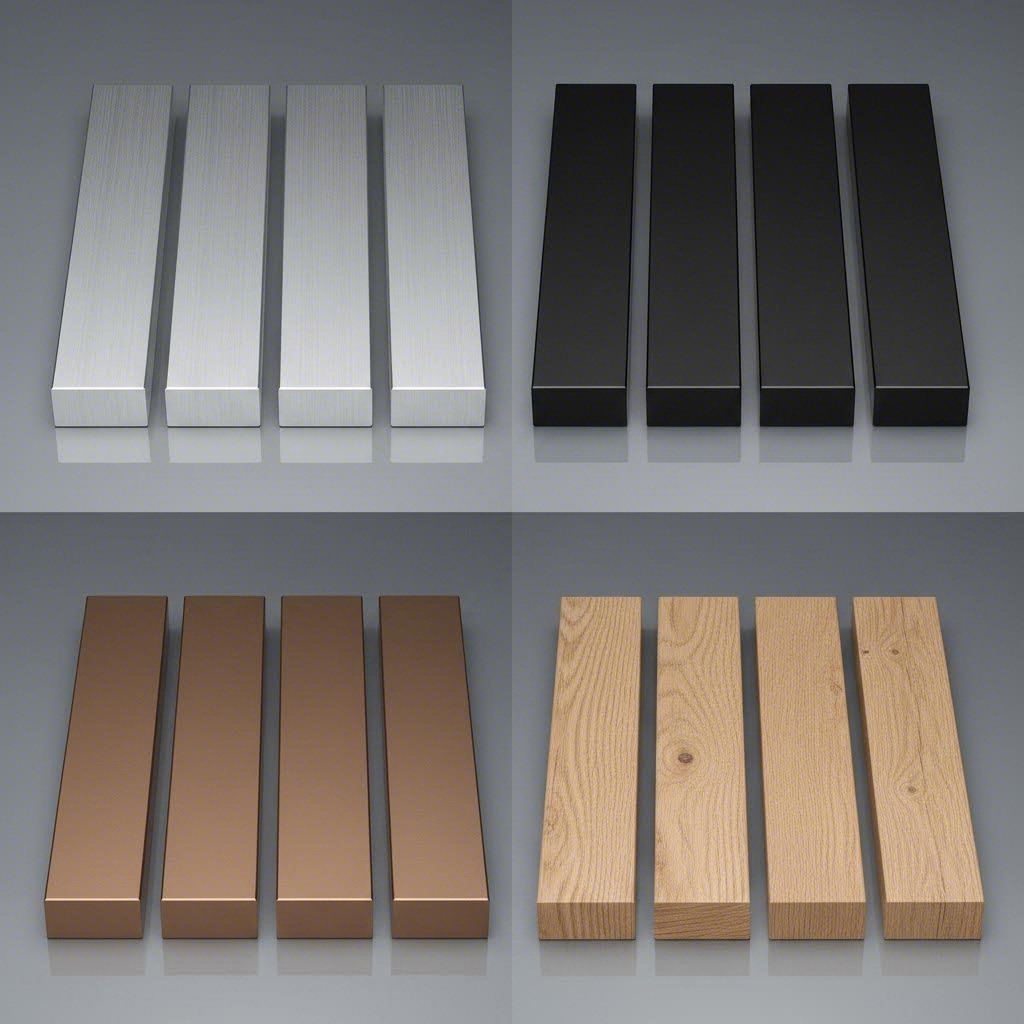
Your extrusions are machined, formed, and assembled—but they're not ready for service yet. Why? Raw aluminum surfaces remain vulnerable to scratches, stains, and oxidation. The right surface finish transforms functional profiles into durable, visually appealing components that perform reliably for years.
When selecting finishes for aluminum extrusion trim and architectural components, you'll encounter three dominant technologies: anodizing, powder coating, and PVDF coating. Each offers distinct advantages depending on your application environment, aesthetic requirements, and budget constraints. Let's examine what makes each unique—and when to specify specialty treatments for demanding situations.
Unlike paints that sit on top of metal, anodizing is fundamentally different. This electrochemical process stimulates the naturally-occurring aluminum oxide layer to grow thicker, creating protection that's literally part of the metal itself. The result? A super-hard, wear-resistant surface that won't peel, chip, or flake.
According to Gabrian's finishing guide, anodizing improves corrosion resistance and wear resistance while providing the ability to accept dyes for custom colors. The porous structure created during the electrochemical process absorbs either organic dyes or metal ions before sealing locks in the color permanently.
Three primary anodizing types exist, each suited to different applications:
What colors can you achieve? Type II anodizing accepts virtually any color from dyes—bronze, black, gold, red, blue, and custom shades. However, as Minghe's engineering analysis explains, Type III hardcoat presents limitations: primarily deep gray, brown-gray, or black finishes. Bright or light colors simply aren't achievable with hardcoat anodizing.
Here's something many buyers don't realize: alloy selection impacts color results. Impurities like silicon and copper within aluminum alloys can cause subtle color variations or unevenness, even when using identical dye processes. For bespoke aluminium profiles requiring precise color matching across production runs, specifying high-purity alloys like 6463 becomes essential.
Need vibrant, long-lasting colors with excellent UV resistance? Powder coating delivers exceptional appearance combined with solid corrosion protection—often at a lower cost than anodizing for comparable applications.
The process works differently than liquid painting. Dry powder is electrostatically charged and sprayed onto grounded aluminum surfaces, then baked at high temperatures to melt and cure into a smooth, uniform finish. This approach offers several advantages:
For extruded aluminum trim profiles, powder coating creates uniform coverage across complex cross-sections—including corners and recesses that can challenge other finishing methods. The electrostatic application ensures complete coverage even on intricate unique extrusions with hollow sections.
The trade-off? Powder coatings aren't as hard or wear-resistant as anodized surfaces. If the coating gets scratched through to bare metal, corrosion can begin at that point. This makes powder coating ideal for protected environments but less suitable for high-abrasion applications.
Some projects demand performance beyond what standard anodizing or powder coating can provide. That's where specialized treatments enter the picture.
PVDF Coating (Kynar 500) represents the gold standard for exterior architectural applications. According to Minh Dung Holdings' comparison, PVDF coatings offer exceptional resistance to UV degradation, chalking, and chemical exposure—making them ideal for building facades, curtain walls, and metal roofing exposed to harsh environments for decades.
PVDF advantages include:
Micro-arc oxidation (MAO) creates ceramic-like coatings through plasma discharge in electrolyte solutions. This emerging technology produces extremely hard, thermally stable surfaces for demanding industrial applications—though at premium cost.
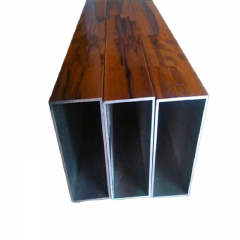
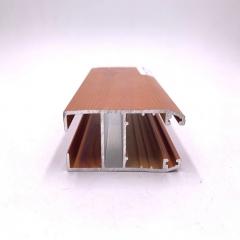
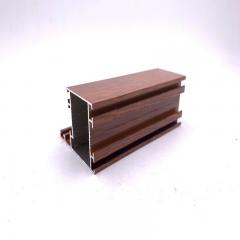
Sublimation printing offers something entirely different: the ability to transfer realistic wood grain, stone, or custom patterns onto aluminium extrusion trim. This allows outdoor furniture, window frames, and architectural elements to achieve natural wood aesthetics with aluminum's durability and light weight.
The following table compares these finishing methods across key selection criteria:
| Finishing Method | Durability | Color Options | Relative Cost | Best Applications |
|---|---|---|---|---|
| Type II Anodizing | Excellent (integrated with metal) | Wide range via dyes | Moderate | Electronics, premium architectural, furniture |
| Type III Hardcoat | Superior (very hard surface) | Limited (grays, black) | Higher | Industrial wear parts, mechanical components |
| Powder Coating | Very Good (thick protective layer) | Unlimited colors and textures | Lower to Moderate | Window frames, fencing, furniture, general trim |
| PVDF Coating | Excellent (UV and chemical resistant) | Wide range, excellent retention | Higher | Building facades, curtain walls, exterior cladding |
| Sublimation | Good (depends on base coating) | Patterns (wood grain, stone) | Moderate to Higher | Decorative trim, furniture, specialty architectural |
How do you choose the right finish for your extruded aluminum trim profiles? Consider three factors: end-use environment, aesthetic requirements, and budget. Exterior applications in harsh climates typically warrant PVDF investment. Interior decorative components might only need powder coating. High-wear industrial parts demand Type III anodizing regardless of color limitations.
One critical point often overlooked: sealing quality determines long-term performance for anodized finishes. As technical references confirm, the sealing process converts porous oxide structure into an inert compound, isolating the coating from environmental contaminants. Poorly sealed anodized colors—regardless of initial appearance—will fade prematurely under UV exposure.
With finishing options understood, the next step involves bringing your complete design vision to life through custom extrusion development—where profile geometry, material selection, and fabrication requirements all come together in the die design process.
You've selected your alloy, understood the fabrication options, and chosen your surface finish. But what if standard profiles don't match your design requirements? That's where custom aluminum extrusions enter the picture—purpose-built shapes engineered specifically for your application.
Here's the reality many engineers discover too late: jumping straight into die production without proper planning leads to costly revisions, delayed timelines, and compromised performance. The custom extrusion development process follows a deliberate sequence that transforms your initial concept into production-ready profiles. Understanding this workflow helps you collaborate effectively with fabrication partners and avoid expensive missteps.
Ever designed a beautiful profile only to learn it can't be extruded economically—or at all? Design for manufacturability (DFM) principles prevent that frustration by aligning your engineering goals with extrusion process realities from the start.
According to Yajia Aluminum's DFM guide, die complexity directly impacts tooling cost and lead time. Solid profiles require simpler dies than semi-hollow designs, which in turn are easier than multi-void hollow sections. Every unnecessary complexity adds expense.
Here are the key DFM considerations that experienced designers address early:
What happens when you ignore these principles? One case study from American Douglas Metals describes a rectangular tube with three small internal passages for wire management. The design required high die complexity, slow run speeds, and frequent mandrel wear. The DFM solution? Replace three passages with one larger cavity plus thin guide webs. Result: simpler tooling, improved throughput, and stable straightness.
Once your profile geometry satisfies DFM requirements, die development begins. This phase transforms your CAD drawings into precision steel tooling capable of producing thousands of identical custom profile extrusions.
The process typically unfolds in stages:
Here's something that surprises many buyers: custom extrusion aluminum dies cost far less than alternative manufacturing tooling. While casting tools can exceed $30,000, custom profile extrusion dies often cost under $1,000 for straightforward shapes. Even complex hollow dies typically remain under $5,000—a fraction of injection molding or die casting investments.
Die longevity depends on profile complexity and alloy selection. According to industry data, solid dies typically last longest, by semi-hollow designs, with multi-void hollow dies requiring more frequent maintenance. Proper die care—including polishing intervals and temperature management—extends service life significantly.
When should you invest in custom extruded aluminum versus using standard shapes? The economics depend on several factors that deserve careful consideration.
Custom extrusions make economic sense when:
What about minimum order quantities? This varies by supplier, but expect initial orders ranging from 500 to 2,000 pounds for custom profiles. However, don't let MOQs alone drive your decision. Consider total system cost: a custom extrusion requiring minimal secondary operations often costs less per finished part than a standard profile needing extensive machining.
For high-risk designs, consider a pilot die strategy. As referenced in DFM literature, some manufacturers produce simplified dies with core features first to validate flow and straightness, then migrate to final dies once the concept proves out. This approach adds upfront time but prevents expensive surprises during full-scale production.
Early supplier involvement (ESI) delivers measurable value throughout this process. Sharing preliminary designs with experienced fabricators allows extrusion engineers to flag problematic features and propose alternatives before you've finalized specifications. This collaborative approach prevents the costly redesign cycles that occur when engineers work in isolation until drawings are "complete."
The bottom line? Custom aluminum extrusions offer remarkable design freedom at surprisingly accessible price points. By understanding DFM principles, die development timelines, and economic break-even points, you position your project for manufacturing success from day one.
With custom development understood, the next consideration becomes where these profiles actually end up—the diverse industries and applications that rely on aluminum extrusion fabrication services for critical components.

So what are aluminum extrusions used for in the real world? The answer spans virtually every industry you can imagine. From the window frames in your office building to the aircraft flying overhead, profile aluminum components deliver the perfect combination of strength, light weight, and design flexibility that modern engineering demands.
What makes aluminum extrusion profile shapes so universally applicable? Three core properties drive adoption across sectors: an exceptional strength-to-weight ratio that reduces material requirements, natural corrosion resistance that minimizes maintenance, and the ability to create complex cross-sections in a single manufacturing step. Let's explore how these advantages translate into real-world applications.
Walk into any modern commercial building and you're surrounded by extruded aluminum shapes. The construction industry consumes more aluminum extrusions than any other sector—and for good reason.
According to Taber Extrusions' technical analysis, structural aluminum for window walls and curtain walls has become essential in modern construction. The material's ability to withstand extreme temperatures ranging from -80°C to +300°C makes it ideal for architectural applications exposed to varying climate conditions.
Common architectural applications include:
Why does the 6XXX series aluminum dominate architectural applications? As industry sources confirm, these alloys enable larger spans and innovative designs without compromising structural integrity. The design flexibility allows extrusion of complex shapes crucial for intricate window and curtain wall systems—features that would require multiple components if fabricated from other materials.
Ever noticed the modular aluminum framing in factories, warehouses, and automation facilities? Industrial applications represent one of the fastest-growing segments for aluminum extrusion profile components.
According to 80/20 Inc., T-slot aluminum building systems enable everything from machine guarding and enclosures to workstation optimization and material handling solutions. The modular nature allows rapid reconfiguration as production needs evolve—a significant advantage over welded steel structures.
Industrial applications leverage small aluminum extrusions and larger structural profiles for:
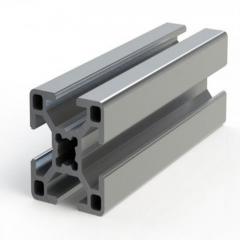
The T-slot profile geometry deserves special mention. These extruded aluminum shapes feature channels that accept specialized hardware, enabling tool-free assembly and adjustment. Engineers can prototype structures quickly, then expand or modify them as requirements change—something impossible with traditional fabrication methods.
When weight reduction translates directly into fuel savings and performance gains, aluminum extrusions become essential. The transportation sector—from family vehicles to commercial aircraft—relies heavily on extruded components.
According to AMSpec's application overview, the aerospace industry was among the first to recognize aluminum's strength-to-weight advantages. Aircraft aluminum extrusions appear in wing structures, fuselage skins, landing gear parts, and interior frameworks. Aerospace-grade alloys like 2024-T3, 7075-T6, and 7050-T76 meet rigorous standards for flight safety, fatigue resistance, and long-term corrosion performance.
Transportation applications span multiple sectors:
In electric and lightweight vehicles, aluminum extrusions prove especially valuable. The shift toward electrification demands lighter vehicle structures to offset battery weight—making extruded profiles key to improving range without sacrificing safety. Cold drawn tubes ensure dimensional precision for applications requiring tight tolerances and pressure resistance.
Personal mobility devices represent another growing segment. AMSpec notes that thin-walled drawn tubes serve applications including wheelchair frames, where lightweight and durability are equally essential. The indirect extrusion process provides superior concentricity and surface quality particularly important for outer tubes undergoing anodizing.
Beyond structural components, consumer products increasingly feature extruded aluminum. Sporting goods manufacturers use precision profiles for softball bats, lacrosse shafts, and ice axes. Safety equipment—including beam anchors and fall protection systems—benefits from extrusion's combination of strength, precision, and surface treatment compatibility.
What unites these diverse applications? The fundamental advantages of aluminum extrusion: components can be optimized for specific loading conditions, produced consistently in high volumes, and finished to meet both functional and aesthetic requirements. Whether the application demands aircraft aluminum extrusions meeting aerospace specifications or decorative trim for consumer electronics, the fabrication process delivers.
Understanding where extruded aluminum shapes excel helps you recognize opportunities in your own applications. But specifying the right profile is only part of the equation—ensuring consistent quality requires understanding the certification standards and inspection methods that separate reliable suppliers from the rest.
You've identified the perfect alloy, designed an optimized profile, and selected your surface finish. But how do you know the aluminum extrusion parts you receive will actually meet your specifications? Quality assurance isn't just paperwork—it's the system that ensures every piece performs as expected in your application.
Here's what many buyers overlook: certifications tell you about a supplier's processes, while test reports tell you about specific products. Understanding both gives you the confidence to specify aluminum extrusion companies that deliver consistent, reliable components batch after batch.
Walk into any reputable extrusion facility and you'll see ISO certificates displayed prominently. But what do these certifications actually guarantee?
According to SWA Forging's quality assurance guide, ISO 9001 represents the cornerstone of manufacturing quality systems. This certification confirms that a company doesn't just inspect quality at the end—they manage quality throughout the entire process, from understanding your requirements to delivering the final product.
Key certifications to look for when evaluating aluminum extrusion companies include:
For aerospace applications, AS9100D certification is non-negotiable. As AAA Air Support explains, this standard builds upon ISO 9001 while adding aerospace-specific requirements for risk management, configuration management, and product safety. Recent incidents in aviation manufacturing underscore why these rigorous standards exist—quality failures in aerospace can have catastrophic consequences.
What about stock aluminum extrusions versus custom orders? The same quality systems apply. Whether you're purchasing standard profiles from inventory or commissioning custom aluminium extrusion parts, certification ensures the underlying processes meet international standards.
Certifications verify systems, but what about the actual products? Material Test Certificates (MTCs) and inspection reports provide the concrete data confirming your profile precision extrusions meet specifications.
The ASTM B221M standard serves as the primary framework governing aluminum extrusion quality in North America. This comprehensive standard addresses:
Dimensional inspection methods typically include:
How tight can tolerances get? Standard extrusion tolerances vary by dimension and alloy, but precision machined features typically achieve ±0.005" or better. When specifying dimensional requirements, reference ANSI H35.2M for extrusion tolerances and communicate tighter requirements explicitly—reputable suppliers will confirm capability before accepting orders.
Imagine discovering a defect in installed components. Can you identify which production lot they came from? Material traceability answers this critical question.
According to ASTM B666/B666M standards, materials must be marked for identification and traceability. This means every billet, extrusion run, and finished part connects to documented records including:
For critical applications, third-party inspection adds another verification layer. Agencies like SGS, Bureau Veritas (BV), and TÜV provide independent confirmation that materials and processes meet specified requirements. While this adds cost, it provides peace of mind for safety-critical aluminum extrusion parts.
When evaluating suppliers, ask these essential questions:
An aluminum parts assembly service that integrates multiple operations—extrusion, machining, finishing, and assembly—should maintain traceability across all stages. This becomes especially important when components from different production lots are combined into finished assemblies.
The bottom line? Quality certifications and documentation aren't bureaucratic overhead—they're your assurance that the profiles arriving at your facility will perform exactly as specified. Understanding what to look for transforms you from a passive buyer into an informed partner who can evaluate suppliers effectively.
With quality requirements understood, the final consideration becomes selecting a fabrication partner who combines these quality systems with the equipment capabilities, technical expertise, and service orientation your projects demand.
You've defined your alloy requirements, understood the fabrication processes, and established quality expectations. Now comes the decision that ties everything together: choosing an aluminum extrusion services provider who can actually deliver on your project requirements. The wrong choice means delays, quality issues, and coordination headaches. The right partner becomes an extension of your engineering team.
Here's the reality many procurement professionals discover through painful experience: the lowest quote rarely represents the best value. A profile extrusion company lacking critical capabilities will either decline complex work or outsource it—adding lead time, cost, and quality risk to your project. Understanding what separates comprehensive fabricators from limited-capability suppliers helps you evaluate options effectively.
When assessing custom aluminum extrusions suppliers, start with their production infrastructure. Press tonnage range directly determines what extrusion profiles they can manufacture—and whether they can handle your current and future requirements.
According to Yajia Aluminum's supplier selection guide, evaluating production scale and technical capability is critical. Can the supplier produce large profiles, tight-tolerance micro-profiles, or high-volume runs without delays? Review their extrusion press tonnage, die library, and machining centers before committing.
Key equipment factors to evaluate:
Consider Shengxin Aluminium as an example of comprehensive production capability. Their facility houses 35 advanced extrusion presses ranging from 600T to 5500T—enabling everything from precision small aluminum extrusions to large architectural profiles. This range means a single supplier can handle diverse project requirements without outsourcing.
Beyond raw capacity, examine automation levels. Facilities with automated handling, real-time process monitoring, and computerized scheduling typically outperform smaller shops in meeting delivery windows and maintaining consistency across large production runs.
Here's where top aluminum suppliers for custom products truly differentiate themselves: the ability to deliver finished components rather than raw extrusions requiring additional processing elsewhere.
As UD Machine's supplier guide emphasizes, partnering with large-scale manufacturers brings numerous benefits including a lean manufacturing process, extensive profile libraries, and quality assurance from start to finish. Their experience and capabilities enable them to serve as trusted partners for comprehensive aluminum extrusion requirements.
Integrated fabricators typically offer:
Why does integration matter? Consider the alternative workflow: source extrusions from one vendor, ship to another for machining, then to a third for finishing. Each handoff introduces delays, shipping costs, potential damage, and quality variation. A single-source provider maintains dimensional control throughout the entire process.
Shengxin Aluminium exemplifies this integrated approach through their deep processing services, combining state-of-the-art CNC machining centers with comprehensive surface treatment options. From precision cutting and drilling to anodizing in custom colors like Champagne and Rose Gold, powder coating, PVDF, and micro-arc oxidation—all capabilities exist within their facility. This consolidation eliminates coordination complexity while ensuring consistent quality across custom aluminum products.
Equipment capabilities matter, but so does the expertise operating that equipment. The best fabrication partners contribute engineering value throughout your project lifecycle—not just order fulfillment.
Look for suppliers offering:
According to industry best practices documented by Yajia Aluminum, early-stage technical support—including tolerance advice, extrusion optimization, and CAD file consultation—can significantly improve your final product design while reducing tooling revisions. This collaborative approach prevents costly redesign cycles that occur when engineers work in isolation.
Financial stability also deserves attention. A supplier investing in technology, maintaining consistent quality, and honoring long-term commitments protects your supply chain from sudden disruptions. Review business credentials, expansion history, and international market experience before finalizing partnerships.
Before committing to any fabrication partner, work through this comprehensive assessment:
| Evaluation Category | Key Questions to Ask | What to Look For |
|---|---|---|
| Production Capability | What press tonnage range do you operate? How many extrusion lines? | Range matching your profile requirements; multiple lines for capacity flexibility |
| Secondary Operations | Which machining, forming, and assembly services are performed in-house? | Comprehensive CNC capabilities, bending, welding, assembly—all under one roof |
| Surface Treatment | What finishing options do you offer? Can you match custom colors? | Anodizing, powder coating, PVDF, specialty treatments with color-matching capability |
| Quality Systems | What certifications do you hold? How is traceability maintained? | ISO 9001 minimum; AS9100D or IATF 16949 for aerospace/automotive applications |
| Technical Support | Do you offer DFM consultation and die development assistance? | Engineering resources available during design phase; prototyping options |
| Lead Time & Logistics | What are standard lead times? How do you handle demand fluctuations? | Realistic timelines with contingency planning; warehousing and logistics support |
| Communication | Will I have a dedicated account manager? What's your escalation process? | Clear points of contact; responsive communication; transparent order tracking |
Before finalizing any agreement, request physical samples to validate extrusion precision, surface finish, and material consistency. Ask for quality certificates, audit reports, or facility tours to verify claims. Reach out to references from companies with similar needs to understand real-world performance.
With over 30 years of industry experience, Shengxin Aluminium demonstrates what comprehensive partnership looks like. Their technical team provides end-to-end support from die development through mass production, whether you need custom 6063 aluminum tubes, architectural window frames, or complex industrial profiles. Factory-direct pricing combined with full-service capabilities positions them among the leading custom aluminum extrusions suppliers serving global markets.
The bottom line? Selecting an aluminum extrusion fabrication partner isn't just about finding someone who can make your parts. It's about identifying a collaborator who brings equipment capability, integrated services, technical expertise, and quality systems together—transforming your designs into production-ready components efficiently and reliably. Take time to evaluate thoroughly, and the partnership you build will deliver value across projects for years to come.
Aluminum extrusion fabrication services encompass the complete manufacturing process from heating aluminum billets and forcing them through shaped dies to create uniform profiles, by secondary operations. These include CNC machining for precise cutting, drilling, and milling; bending and forming for curved sections; welding and assembly for complex structures; and surface finishing options like anodizing, powder coating, and PVDF treatments. Full-service providers like Shengxin Aluminium offer integrated capabilities from die development through mass production, eliminating the need for multiple vendors.
Custom aluminum extrusion costs depend on several factors: die tooling typically ranges from $500 to $5,000 depending on profile complexity, significantly less than injection molding or die casting investments. Per-piece costs decrease with volume, and minimum order quantities usually range from 500 to 2,000 pounds. Total project cost should factor in alloy selection (6063 costs less than 6061 or specialty alloys), secondary fabrication requirements, and surface finishing. Working with integrated fabricators often reduces overall costs by eliminating multiple vendor markups and shipping between facilities.
6063 aluminum is the architectural alloy offering exceptional formability, superior surface finish for anodizing, and lower cost—ideal for window frames, decorative trim, and furniture. 6061 aluminum provides approximately 30% higher tensile strength (310 MPa vs 241 MPa in T6 temper), better machinability, and superior weldability—making it preferred for structural applications like truck frames, marine structures, and precision mechanical components. Choose 6063 when aesthetics and formability matter most; select 6061 when strength and durability are paramount.
The USA hosts numerous aluminum extrusion manufacturers including Star Extruded Shapes, Eagle Aluminum, Taber Extrusions, Tri-State Aluminum, and Keymark Corporation. These domestic suppliers offer advantages in lead time and logistics for US-based projects. However, global manufacturers like Shengxin Aluminium provide competitive alternatives with 35 extrusion presses (600T-5500T), comprehensive CNC machining capabilities, and diverse surface treatments—offering factory-direct pricing while maintaining ISO-certified quality standards for international shipments.
Aluminum extrusion fabrication serves virtually every industry. Architecture and construction consume the largest volume for window frames, curtain walls, and structural systems. Industrial applications include machine frames, conveyor systems, and safety guarding. Transportation uses extend to automotive crash structures, aerospace wing components, and rail car bodies. Consumer products feature extruded profiles in sporting goods, electronics enclosures, and furniture. The material's strength-to-weight ratio, corrosion resistance, and design flexibility make it universally applicable across sectors.



 Интернет Сервис
 0086 136 3563 2360
 sales@sxalu.com
 +86 136 3563 2360
 русский
 English
 français
 Deutsch
 español
 português
 العربية
 ไทย
 Việt
 Українська