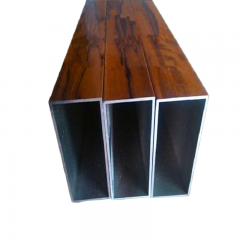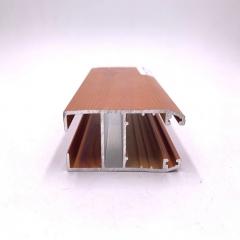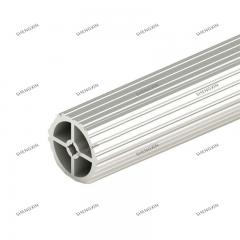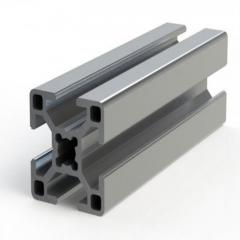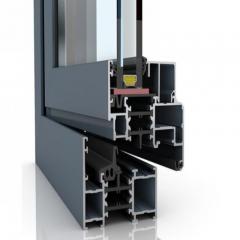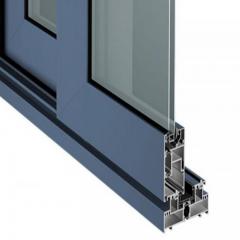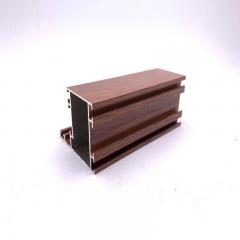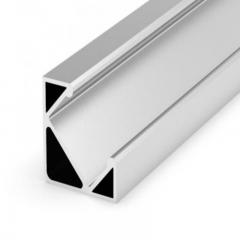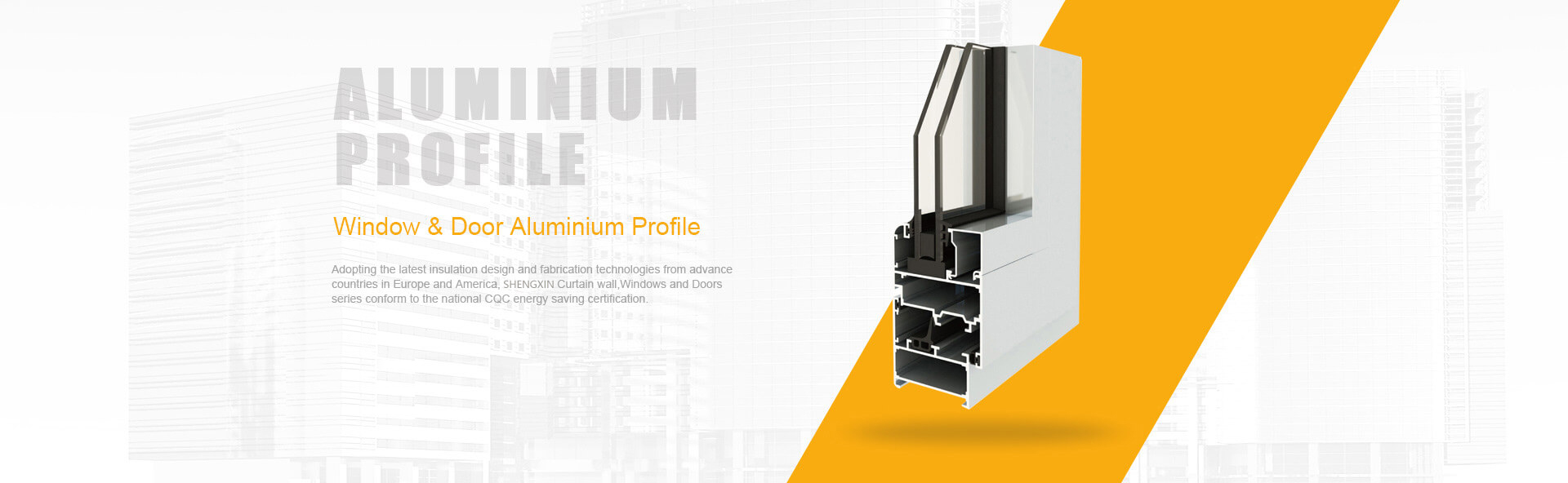
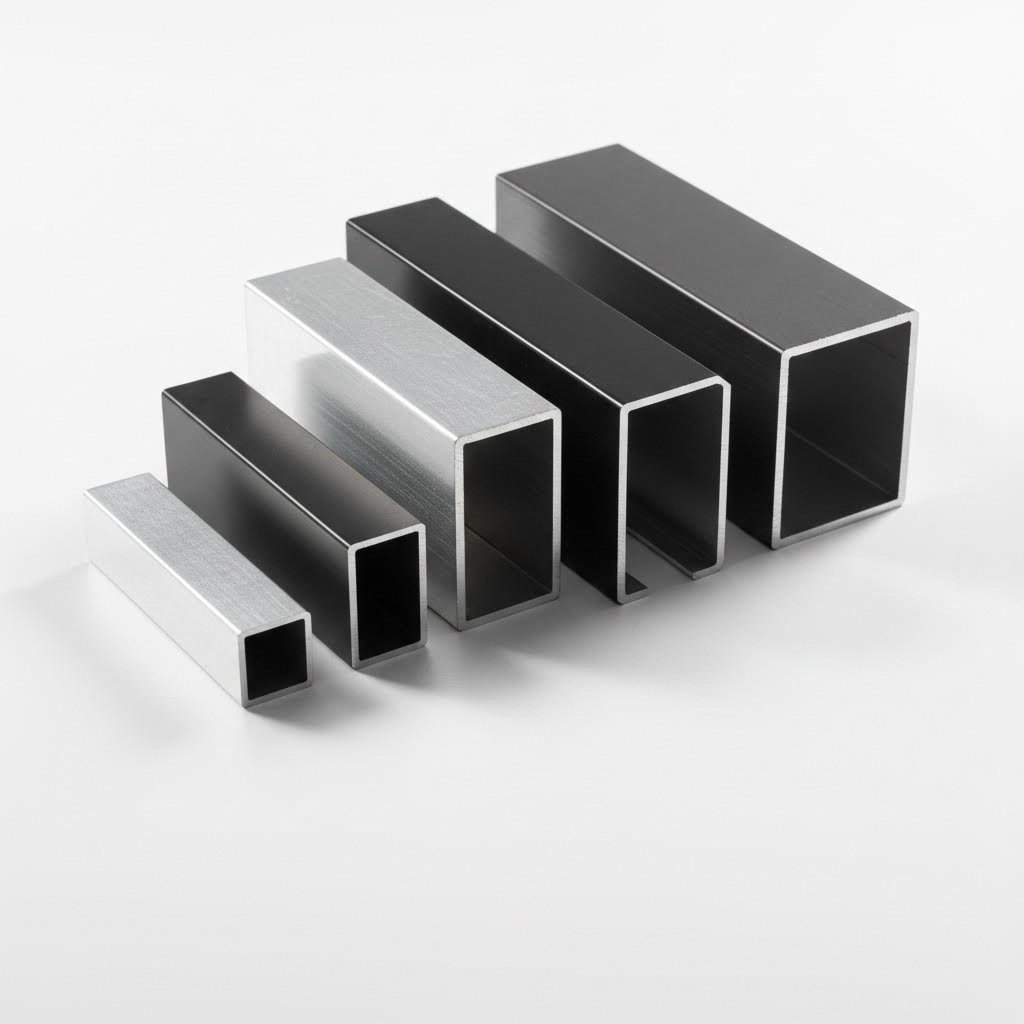
When you're working on a construction project, designing custom furniture, or building an electronics enclosure, you'll likely encounter a versatile component that quietly holds everything together: the aluminum extrusion U channel. But what exactly is this profile, and why has it become a go-to solution across so many industries?
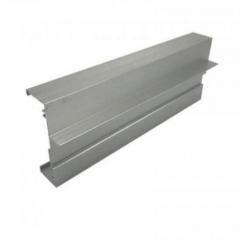
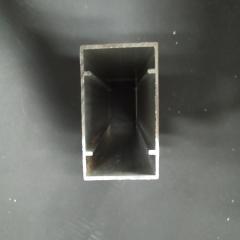
An aluminum extrusion U channel is a structural profile with a distinctive U-shaped cross-section, manufactured by forcing heated aluminum billets through a precision-engineered die to create continuous, uniform lengths ideal for framing, edge protection, and mounting applications.
This u shaped metal profile offers a perfect combination of strength, lightweight construction, and corrosion resistance—making it invaluable for both professional contractors and DIY enthusiasts alike. Let's explore how these profiles come to life and what makes extruded aluminum such an exceptional material choice.
The manufacturing process behind an aluminum u channel is surprisingly elegant. Imagine pushing soft material through a cookie cutter, except the "material" is heated aluminum and the "cutter" is a precision-machined steel die.
Here's how the extrusion process unfolds:
This process allows manufacturers to create aluminum channel profiles with incredibly tight tolerances, complex geometries, and consistent quality throughout the entire length.
Why choose extruded aluminum over steel or plastic alternatives? The answer lies in aluminum's unique combination of properties that make it a "triple threat" for designers and engineers:
According to the Aluminum Extruders Council, extruded aluminum also benefits from relatively short tooling lead times, allowing products to reach market faster than many alternatives.
Sounds complex? Don't worry—distinguishing between channel types is simpler than you might think. Here's how a u channel compares to its cousins:
| Profile Type | Cross-Section Shape | Primary Applications |
|---|---|---|
| U Channel | Two parallel legs extending from a flat base, forming a "U" | Glass installations, edge protection, cable management, signage frames |
| C Channel | Similar to U, but with inward-facing flanges at leg tips | Structural framing, tracks, decorative reveals |
| J Channel | Asymmetrical with one short leg and one long leg | Panel edge starts, decorative trim, protective rims |
| Aluminum I Channel | I-beam shape with top and bottom flanges | Heavy structural support, load-bearing applications |
U channels are often precision-engineered post-extrusion with custom notches or holes, making them the go-to choice for glass and mirror installations. They provide a clean, minimalist border for glass partitions, railings, or signage—anywhere you need to capture and protect an edge while maintaining a sleek appearance.
Whether you're specifying profiles for a commercial storefront or a home workshop project, understanding these fundamental differences helps you select the right aluminum channel for your specific needs.
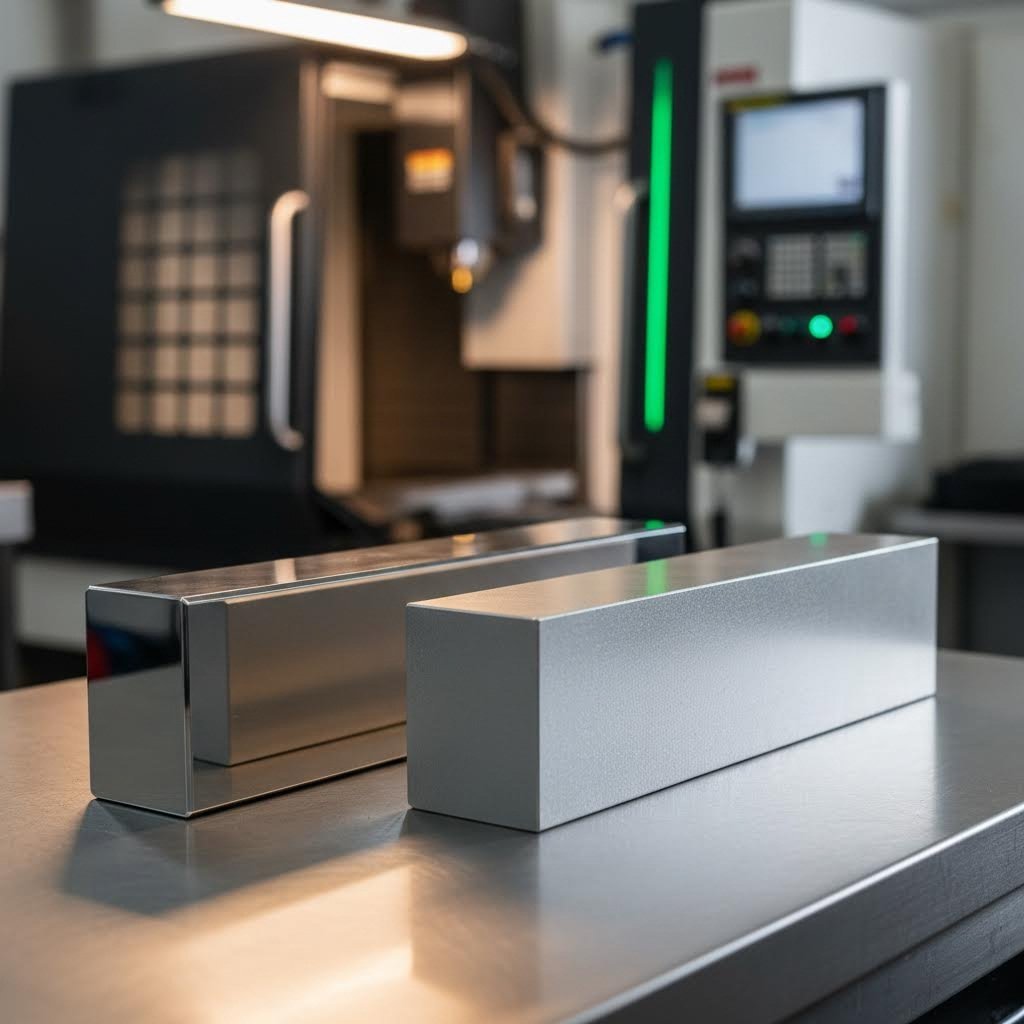
Now that you understand how aluminum channels are manufactured, here's the next critical question: which alloy should you choose for your project? When shopping for extruded aluminum channel profiles, you'll encounter two dominant options—6061 and 6063 aluminium. Each brings distinct advantages to the table, and selecting the wrong one could mean compromising performance or overpaying for properties you don't need.
Both alloys belong to the 6000 series, meaning they're primarily alloyed with magnesium and silicon. However, their different compositions create dramatically different performance characteristics. Think of it this way: 6063 is your architectural workhorse, while 6061 is the structural powerhouse. Let's decode what this means for your aluminium u channel selection.
If you're working on window frames, door systems, furniture trim, or any application where appearance matters, 6063 aluminium is likely your best friend. This alloy contains approximately 0.4% silicon and 0.7% magnesium, creating a material that excels in extrudability and surface finish quality.
Why do architects and designers love 6063 for their aluminum channels? Consider these standout properties:
You'll find 6063 extruded aluminium channel profiles in applications like tubular railings, cabinet frames, boat windshield frames, and decorative trim components. Its medium strength suits most architectural demands while delivering the aesthetic quality that visible applications require.
When your project demands higher mechanical strength—think load-bearing structures, industrial equipment, or aerospace components—6061 aluminium steps up. This alloy contains approximately 0.6% magnesium, 0.25% copper, and 0.09% chromium, resulting in 30-50% more magnesium and silicon than its 6063 counterpart.
What makes a 6061 aluminium u channel the better choice for demanding applications?
You'll encounter 6061 aluminum c channels in trucks, tower buildings, ships, precision machinery, and anywhere structural integrity is non-negotiable. Yes, it costs more than 6063—but when failure isn't an option, that premium pays for itself.
Choosing between these alloys becomes much clearer when you see their properties side by side. The following table summarizes key differences to guide your decision:
| Property | 6061-T6 | 6063-T6 | Better Choice |
|---|---|---|---|
| Tensile Strength | 310 MPa | 241 MPa | 6061 |
| Yield Strength | 276 MPa | 214 MPa | 6061 |
| Brinell Hardness | 95 | 73 | 6061 |
| Elongation at Break | 12% | 15% | 6063 |
| Shear Strength | 207 MPa | 152 MPa | 6061 |
| Thermal Conductivity | 170 W/m-K | 200 W/m-K | 6063 |
| Corrosion Resistance | Excellent | Good | 6061 |
| Weldability | Good | Better | 6063 |
| Machinability | Excellent | Good | 6061 |
| Surface Finish Quality | Good | Excellent | 6063 |
| Extrudability | Good | Excellent | 6063 |
| Typical Applications | Structural, industrial, aerospace | Architectural, decorative, furniture | Application-dependent |
You've probably noticed "T5" or "T6" following alloy numbers. What do these designations mean for your aluminum channels? These temper codes indicate how the material was heat-treated, directly affecting its final strength and workability.
T5 Temper: The profile is cooled directly from the extrusion process (while still hot) and then artificially aged. According to engineering standards, this produces slightly lower strength than T6 but is more economical since it eliminates a separate solution heat treatment step.
T6 Temper: The material undergoes full solution heat treatment at approximately 980°F (527°C), water quenching, and then artificial aging at 325-400°F. This process dissolves alloying elements into a solid solution before precipitation hardening creates maximum strength.
For most aluminum u channel applications, T6 temper delivers optimal performance. However, if your project involves extensive bending or forming after purchase, T5's slightly softer condition might work better before final heat treatment.
With these alloy fundamentals in hand, you're ready to tackle the next crucial decision: sizing and dimensions.
You've selected your alloy—but how do you know which size fits your project? Whether you're framing glass panels, building cable management systems, or constructing industrial equipment, understanding aluminium channel dimensions is essential for success. The wrong measurements can mean costly rework, structural weakness, or components that simply don't fit together.
Let's break down everything you need to know about aluminium u channel sizes, from standard options to reading technical specifications like a pro.
When browsing an aluminum channel sizes chart, you'll encounter profiles ranging from compact 1 2 aluminium channel options for light-duty trim work to robust 4-inch channels for structural applications. Standard sizes typically follow industry conventions, though variations exist between manufacturers.
Here's a reference table showing common aluminium channel sizes with their corresponding specifications:
| Nominal Size | Inside Width | Leg Height | Wall Thickness | Weight (lb/ft) | Common Applications |
|---|---|---|---|---|---|
| 1 inch | 0.75" | 0.50" | 0.125" | 0.18 | Light trim, wire guides, small panel edges |
| 1.5 inch | 1.25" | 0.75" | 0.125" | 0.28 | Cabinet frames, decorative borders, signage |
| 2 inch | 1.75" | 1.00" | 0.125" | 0.38 | Glass railings, edge protection, furniture trim |
| 3 inch | 2.75" | 1.50" | 0.188" | 0.72 | Framing systems, equipment enclosures, tracks |
| 4 inch | 3.75" | 2.00" | 0.250" | 1.25 | Structural supports, heavy-duty framing, industrial |
A 2 inch aluminium u channel remains one of the most versatile options, balancing strength with manageable weight for applications like glass installations and edge finishing. For heavier structural demands, aluminium c channel sizes in the 3-4 inch range provide the necessary load-bearing capacity.
Keep in mind that these represent typical dimensions—as industry sources note, sizes may vary slightly depending on the manufacturer and aluminum type. Think of it like clothing sizes: two items labeled the same can still fit differently.
Ever looked at a product catalog and felt overwhelmed by the technical jargon? You're not alone. Understanding aluminium c channel dimensions and specifications is simpler than it appears once you know what each term means.
Here are the key specification terms you'll encounter:
When specifying aluminium channel dimensions, always measure both inside and outside dimensions. The inside width determines what you can fit within the channel, while outside dimensions affect how the channel fits within your overall assembly.
Here's something many project planners overlook: no extruded profile is perfectly exact. Dimensional tolerances describe the acceptable variation from specified measurements, and understanding them prevents costly surprises during assembly.
Standard aluminum extrusion tolerances typically fall within these ranges:
What does this mean for your project? If you're installing a 2 inch aluminium u channel alongside glass panels with tight clearances, account for potential dimensional variation. A channel specified at 1.75" inside width might actually measure anywhere from 1.738" to 1.762"—still within tolerance, but potentially problematic if you haven't planned for it.
For critical applications requiring tighter tolerances, specify precision-grade extrusions or plan for post-machining operations. According to sizing guides, aluminium channels follow clear standards to ensure quality and safety, but confirming tolerances with your specific supplier prevents unwelcome surprises.
Ready to order? Before reaching out to suppliers, measure carefully and document your requirements completely. Use calipers for precision measurements rather than standard tape measures, especially for wall thickness and corner radii.
When specifying your aluminum channel sizes, include:
If standard aluminium u channel sizes don't match your needs, custom extrusions offer exact dimensions—though they typically cost more and require longer lead times. The trade-off? Reduced waste and perfect fit for your specific application.
With your sizing requirements defined, the next consideration becomes equally important: what surface finish will protect and enhance your aluminium channels?
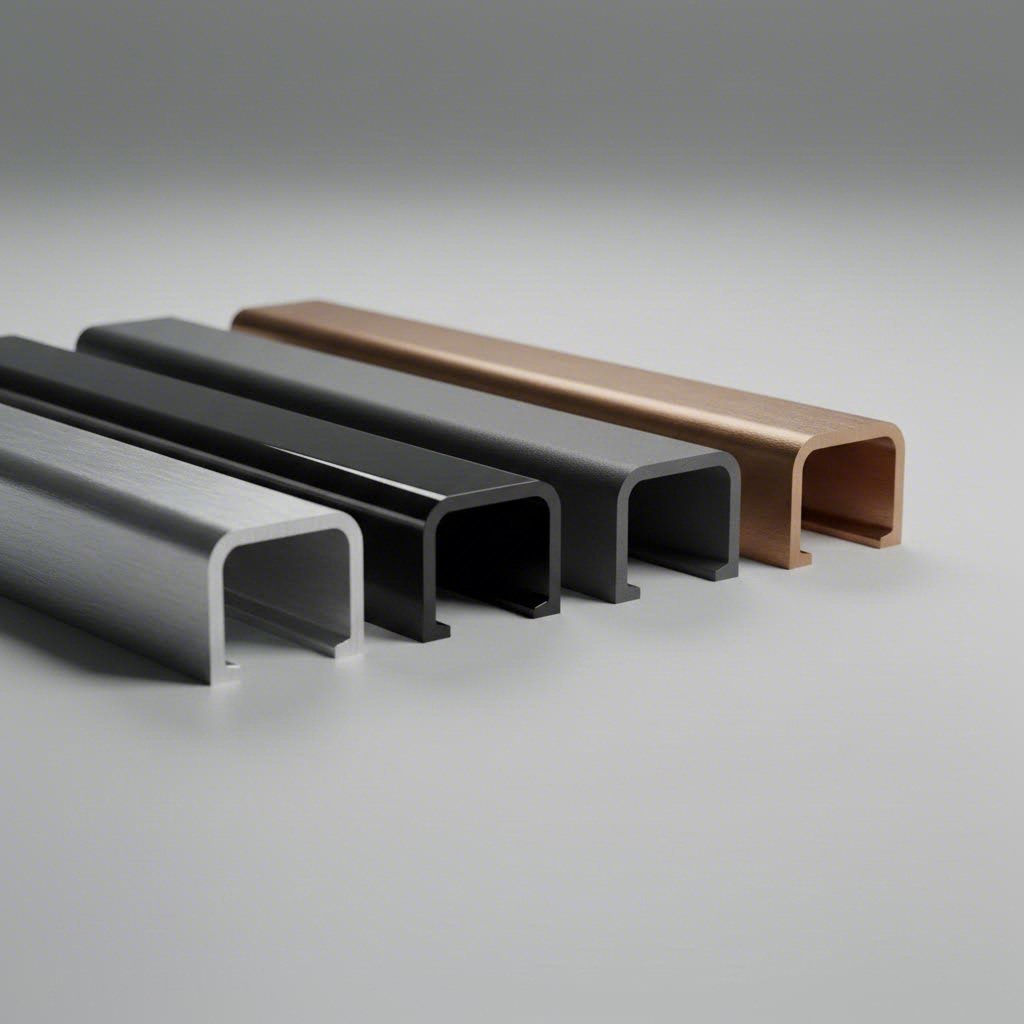
You've selected the right alloy and nailed down your dimensions—but your aluminium u channel's journey isn't complete yet. The surface finish you choose dramatically impacts everything from corrosion resistance to visual appeal. Whether you're installing an aluminium trim channel in a sleek office lobby or deploying profiles in harsh industrial environments, understanding finish options helps you match performance to purpose.
Let's explore the spectrum of finishes available, from raw aluminum straight off the press to specialty coatings that withstand decades of UV exposure.
When aluminum exits the extrusion press, it arrives in what's called "mill finish"—the material's natural state with no additional surface treatment. According to industry data, mill finish aluminium holds approximately 60% of the global market share, making it the most common starting point for aluminum profiles.
Mill finish characteristics include:
However, mill finish has limitations. The natural oxide layer is extremely thin—far thinner than anodized coatings—making it susceptible to moisture and weathering in outdoor applications.
Anodizing transforms mill finish aluminium through an electrochemical process that grows a thick protective oxide layer directly from the base metal. As the Southern Aluminum Finishing Company explains, this coating is integral to the metal and cannot peel or flake like applied paints.
Key benefits of anodized aluminum channels include:
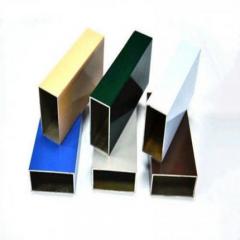
For a black u channel destined for storefronts or high-traffic areas, anodizing provides the abrasion resistance that painted alternatives simply can't match. The finish outlasts organic coatings on door stiles, kick-plates, and any surface subject to regular contact.
When color uniformity matters more than metallic appearance—or when you need specific performance characteristics—organic coatings enter the picture. These applied finishes offer capabilities that anodizing cannot achieve.
Powder Coating
Think of powder coating as "paint without the solvent." Pigment encapsulated in powdered resin gets electrostatically applied and then cured in an oven, producing no VOCs during application. Benefits include:
One consideration: powder coatings can exhibit "orange peel" texture, creating a slightly textured appearance rather than the smooth metallic finish of anodizing.
PVDF Coatings
For the ultimate in exterior durability, PVDF (polyvinylidene fluoride) coatings—sold under tradenames like Kynar 500® and Hylar 5000®—dominate the curtainwall and metal roofing markets. According to finishing specialists, AAMA 2605 specification requires actual ten-year exposure testing in South Florida to qualify.
PVDF advantages include:
Similar to an aluminium hat channel used in commercial construction, PVDF-coated profiles excel where long-term weather exposure demands proven performance.
Micro-Arc Oxidation (MAO)
This emerging technology creates ceramic-like oxide coatings through plasma discharge in an electrolyte bath. MAO produces extremely hard, wear-resistant surfaces ideal for demanding industrial applications where conventional anodizing falls short.
How do you match finish to function? Consider these guidelines:
| Application Environment | Recommended Finish | Key Consideration |
|---|---|---|
| Interior, low traffic | Mill finish or clear anodize | Cost-effectiveness |
| Interior, high traffic | Class I anodize or powder coat | Abrasion resistance |
| Exterior, moderate exposure | Anodize or Polyester powder | Corrosion protection |
| Exterior, severe exposure | PVDF (AAMA 2605) | UV and chemical resistance |
| Architectural, visible | Custom color anodize or PVDF | Aesthetic consistency |
| Industrial, heavy wear | Micro-arc oxidation | Maximum hardness |
For black aluminum u channel applications in storefronts, anodizing typically outperforms paint because its superior abrasion resistance handles daily contact from customers and equipment. For aluminium trim channel on curtainwall systems where color matching across large facades matters, PVDF coatings deliver the consistency architects demand.
With your surface finish selected, you're ready to explore where these finished profiles actually go to work across different industries.

Now that you understand alloys, dimensions, and finishes, here's the exciting part: where do these profiles actually go to work? Aluminium u channels solve real problems across dozens of industries—from the window frames in your office building to the cable management systems hiding behind your entertainment center. Understanding these applications helps you identify exactly how this versatile profile fits your specific project needs.
What makes aluminium the preferred choice over steel or plastic alternatives? According to industry experts, the answer lies in aluminum's unique combination of lightweight construction, high strength, corrosion resistance, and excellent conductivity—properties that steel and plastic simply can't match simultaneously.
Walk through any modern commercial building, and you're surrounded by aluminum u channels—even if you don't notice them. The construction industry represents one of the largest consumers of these profiles, leveraging their durability and aesthetic flexibility in countless applications.
Here's where you'll find aluminium channel track systems and u-profiles in construction:
Why choose aluminium over steel in these applications? According to materials specialists, aluminum's natural corrosion resistance eliminates the need for heavy protective coatings that steel requires in humid or coastal environments. Plus, aluminum weighs approximately one-third as much as steel—reducing structural load requirements and simplifying installation. When workers can handle lighter materials more easily, labor costs decrease while productivity increases.
Compared to plastic alternatives, aluminum delivers superior strength and dimensional stability. Plastic profiles can warp under heat exposure or sag under sustained loads—limitations that aluminum channels simply don't face in architectural applications.
Beyond construction, aluminium u channels play critical roles in electronics manufacturing and industrial equipment. The material's excellent thermal and electrical conductivity makes it irreplaceable in applications where heat management and electrical grounding matter.
Key electronics applications include:
Industrial applications extend even further:
The preference for aluminium over plastic in electronics becomes obvious when you consider thermal performance. Aluminum's thermal conductivity—approximately 200 W/m-K for 6063 alloy—far exceeds any plastic material, making effective heat dissipation possible. Steel conducts heat reasonably well but adds weight and corrosion concerns that aluminum avoids.
Ever noticed the three-dimensional letters on storefronts or the frames holding museum displays? Aluminium u channels work behind the scenes in countless signage and display applications.
Signage professionals rely on aluminum channels for:
Aluminum's anodizing compatibility proves especially valuable here—black, bronze, or custom-colored finishes integrate seamlessly with brand aesthetics while resisting the fading that affects painted alternatives.
The versatility of aluminium u channels extends into furniture manufacturing and automotive applications, where weight reduction and corrosion resistance create significant advantages.
Furniture applications include:
In transportation, aluminum channels appear in:
The transportation industry's preference for aluminum over steel comes down to simple physics: reducing vehicle weight improves fuel efficiency and performance. A lighter trailer carries more cargo within weight limits. A lighter aircraft burns less fuel per mile. These economic advantages compound over years of operation, easily justifying aluminum's slightly higher material cost.
Understanding these real-world applications helps you recognize how aluminium u channels might solve problems in your own projects. But knowing where they're used is just the beginning—next, you'll need to understand how to work with these profiles during fabrication and installation.

You've selected the perfect alloy, nailed down your dimensions, and chosen an ideal finish—but now comes the hands-on reality: working with your aluminium u channel profiles. Whether you're a seasoned fabricator or tackling your first aluminum project, understanding proper cutting, drilling, and joining techniques prevents costly mistakes and delivers professional results.
Here's the truth many suppliers won't tell you: aluminium behaves differently than steel or wood during fabrication. The wrong approach can leave you with rough edges, damaged profiles, or joints that fail prematurely. Let's walk through proven techniques that professionals use when working with extruded aluminum rails and channel profiles.
Cutting aluminum seems straightforward—until you try it with the wrong blade and end up with a melted, jagged mess. The key lies in using tools and techniques specifically suited to non-ferrous metals.
Choosing the Right Cutting Tool
Several cutting methods work well for u channel aluminium, each with distinct advantages:
Critical Cutting Tips
Before making your first cut, remember these essential practices:
Drilling Considerations
Drilling aluminium channel extrusions requires attention to speed and lubrication:
Once your aluminum profiles are cut to size, connecting them properly determines whether your assembly thrives or fails. According to joining specialists, flat joints between aluminium extrusions rely on external support mechanisms—welding, fasteners, or adhesives—for structural integrity.
Mechanical Fasteners
The most accessible joining method for DIYers and professionals alike, mechanical fastening offers several approaches:
Welding Aluminium Channels
Here's where alloy selection really matters. Both 6061 and 6063 alloys are weldable, but they respond differently:
TIG (GTAW) welding produces the cleanest results on extruded aluminium rails and channels, while MIG (GMAW) works faster for production environments. Both require 4043 or 5356 filler wire depending on the base alloy and application requirements.
Adhesive Bonding
Modern structural adhesives create surprisingly strong joints without heat distortion or visible fasteners:
Surface preparation is critical for adhesive success—clean thoroughly with isopropyl alcohol and consider light abrasion to improve mechanical bonding.
Ready to put everything together? Follow this proven sequence for professional results:
Even experienced fabricators encounter issues when working with extruded aluminium rail profiles. Here's how to prevent the most frequent problems:
| Challenge | Cause | Solution |
|---|---|---|
| Melted or gummy edges | Wrong blade or excessive speed | Use non-ferrous blade, reduce feed rate |
| Burrs on drilled holes | Dull bit or wrong speed | Use sharp bits, apply cutting fluid, back out frequently |
| Profile distortion during cutting | Inadequate clamping or support | Support both sides of cut, clamp firmly |
| Weld cracking | Improper filler or technique | Use correct filler wire, preheat if necessary |
| Loose mechanical joints | Under-torqued fasteners | Use torque wrench, consider thread-locking compound |
| Adhesive failure | Poor surface preparation | Clean thoroughly, abrade lightly, apply within working time |
One final tip: aluminum conducts heat extremely well, meaning heat from cutting, drilling, or welding dissipates quickly throughout the profile. This property prevents localized overheating but can make welding challenging if you're trying to maintain temperature in the weld zone. Work quickly and consider preheating for larger weldments.
With fabrication skills in hand, your next step is selecting exactly the right profile for your specific project requirements—a decision framework that brings together everything you've learned about alloys, dimensions, finishes, and applications.
You've absorbed a wealth of information about alloys, dimensions, finishes, and fabrication techniques—but how do you pull it all together into a confident purchasing decision? Selecting the right u shaped aluminium channel for your project isn't about finding the "best" profile; it's about finding the profile that perfectly matches your specific requirements.
Think of this process like buying a vehicle. You wouldn't choose a sports car for hauling construction materials or a pickup truck for city parking. Similarly, specifying a heavy-duty 6061-T6 alu channel for decorative trim wastes money, while using a thin-wall 6063 profile for structural loads invites failure. The key lies in systematic evaluation of your actual needs.
Before browsing catalogs or requesting quotes, work through this five-step selection process. According to industry guides, understanding your specific application requirements is the crucial first step that determines everything else.
This systematic approach prevents the common mistake of over-specifying (wasting money) or under-specifying (risking failure). Each decision builds logically on the previous one, ensuring your final specification addresses every project requirement.
Sometimes seeing real-world examples clarifies abstract concepts. The following table matches common application scenarios with recommended specifications across all the aluminium channel types you might consider:
| Application Scenario | Recommended Alloy | Suggested Size | Finish | Key Considerations |
|---|---|---|---|---|
| Interior glass railing | 6063-T6 | 2" width, 1" legs | Clear or black anodize | Surface quality, glass thickness compatibility |
| Exterior storefront frame | 6063-T6 | 1.5-2" width | PVDF or Class I anodize | UV resistance, thermal expansion |
| Cable management tray | 6063-T5 | 3-4" width | Mill finish | Cable capacity, mounting intervals |
| Structural equipment frame | 6061-T6 | 3-4" width, heavy wall | Mill or powder coat | Load calculations, joint strength |
| Electronics enclosure | 6063-T6 | 1-2" width | Clear anodize | Thermal conductivity, EMI shielding |
| Furniture edge trim | 6063-T5 | 0.75-1" width | Custom color anodize | Aesthetic match, edge protection |
| Marine railing system | 6061-T6 | 1.5-2" width | Hard anodize | Saltwater corrosion, strength |
| Signage channel letters | 6063-T5 | Application-specific | Powder coat | LED heat dissipation, color matching |
Here's a question many project planners face: should you use off-the-shelf profiles or invest in custom extrusion? The answer depends on several factors beyond just cost.
When standard profiles work perfectly:
When custom extrusion makes sense:
Custom die costs typically range from $500 to $5,000+ depending on complexity. For high-volume production, this one-time investment becomes negligible on a per-foot basis. For small projects, standard profiles nearly always make more economic sense.
Your expertise level should influence your specification decisions. DIY enthusiasts and professional fabricators face different constraints and capabilities.
For DIY projects:
For professional applications:
Whether you're building a weekend workshop project or specifying components for a commercial installation, this decision framework ensures your u shaped aluminium channel selection addresses every critical requirement. The systematic approach transforms what initially seems overwhelming into a logical sequence of manageable decisions.
With your profile selection complete, understanding the technical terminology that appears in supplier catalogs and specifications becomes your final step toward confident purchasing.
Ever opened a supplier catalog and felt like you were reading a foreign language? Terms like "T6 temper," "billet," and "dimensional tolerance" appear everywhere—yet they're rarely explained. Understanding this technical vocabulary transforms you from a confused buyer into a confident specifier who can navigate product catalogs and communicate precisely with suppliers.
Whether you're ordering u channels for a construction project or specifying metal u channel profiles for industrial equipment, this glossary demystifies the terminology that matters most for your purchasing decisions.
Let's start with the foundational terms you'll encounter when shopping for channel aluminum profiles. According to the Aluminum Extruders Council, these industry-standard definitions ensure everyone speaks the same language:
| Term | Technical Definition | What It Means for Your Purchase |
|---|---|---|
| Extrusion | Process by which a billet in a container is forced under pressure through an aperture of a die | The manufacturing method that creates your u channel's precise cross-sectional shape—determines dimensional consistency and surface quality |
| Billet | Cylindrical aluminum log that serves as raw material for extrusion | Billet quality affects your finished profile's structural integrity and surface finish—reputable suppliers use certified alloy billets |
| Die | Precision-machined steel tool with apertures that shape the aluminum during extrusion | Die design determines your channel's exact dimensions and features—custom dies enable unique profiles but add upfront costs |
| Alloy | Aluminum combined with specific elements (magnesium, silicon, copper) to achieve desired properties | Your alloy choice (6061 vs 6063) directly determines strength, corrosion resistance, and workability of your u channel metal |
| Temper | Condition of the metal produced by the aging process, characterized by certain structure and specified properties | T5 vs T6 designations indicate strength levels—T6 provides maximum strength through full heat treatment |
| Quenching | Cooling metal from elevated temperature by contact with solid, liquid, or gas at a rate rapid enough to retain soluble constituents in solid solution | Proper quenching is key to achieving specified mechanical properties—ask suppliers about their heat treatment processes |
| Ageing | Treatment aiming at property changes through precipitation of intermetallic phases from supersaturated solid solution | Natural aging (room temperature) or artificial aging (heat treatment) affects when your profile reaches full strength |
Understanding these manufacturing terms helps you evaluate supplier capabilities. A supplier discussing die development and proper quenching protocols demonstrates technical competence that commodity vendors may lack.
Beyond manufacturing terminology, product specifications contain dimensional and finishing terms that directly impact fit and function. Here's what each means for your project:
| Specification Term | Definition | Practical Purchasing Guidance |
|---|---|---|
| Wall Thickness | Material thickness of the channel's legs and base, measured in inches or millimeters | Directly determines load capacity—thicker walls handle heavier loads but add weight and cost |
| Leg Height | Vertical measurement from the base to the top of each leg | Determines how deeply materials sit within the channel—critical for glass installations and edge capture applications |
| Tolerance | Acceptable variation from specified dimensions, expressed as ± values | As design specifications note, larger dimensions require wider tolerance ranges—account for this in tight-clearance assemblies |
| Corner Radius | Curved transition between channel surfaces, typically at base-to-leg junctions | According to fabrication standards, radii less than .005" aren't achievable—this affects how materials fit within the channel frame |
| Mill Finish | Natural surface condition of aluminum after extrusion with no additional treatment | Lowest cost option suitable for hidden or protected applications—visible die lines and minor imperfections are normal |
| Anodizing | Electrochemical process that grows protective oxide layer from the base metal | Integral coating that won't peel—Class I (0.7 mils) provides double the durability of Class II (0.4 mils) |
When reviewing supplier catalogs, you'll encounter standardized product codes that pack significant information into compact formats. Here's how to decode them:
Typical product code structure: 6063-T6 Aluminum U Channel 2" x 1" x 0.125"
Some suppliers use alternate formats like "2 x 1 x 1/8" (fractional) or metric equivalents. Always confirm u channel dimensions with your supplier before ordering, especially when mixing components from different sources.
Key questions to ask suppliers:
Compared to steel u channels, aluminum specifications include additional considerations around alloy chemistry and temper that directly affect performance. Steel specifications focus primarily on grade and dimensions, while aluminum's heat-treatability creates more variables to specify correctly.
Armed with this technical vocabulary, you're ready to communicate confidently with suppliers, interpret product specifications accurately, and make informed purchasing decisions. The final step? Finding a supplier who matches your project requirements with the right combination of capabilities, quality, and support.
You've mastered alloy selection, dimensional specifications, surface finishes, and fabrication techniques—but all that knowledge means little without the right supplier partner. Finding quality aluminum u channels isn't simply about comparing prices; it's about identifying a manufacturing partner whose capabilities align with your project requirements and whose systems ensure consistent quality delivery after delivery.
Think about it this way: would you trust a critical construction component to the lowest bidder without verifying their capabilities? According to industry experts, the right aluminum partner brings tangible benefits beyond just supply—increased efficiency, cost reduction through consistency, improved product quality, and scalability as your needs grow.
Choosing among aluminum channel suppliers requires systematic evaluation rather than gut instinct. Before requesting quotes, develop a clear understanding of what separates reliable partners from commodity vendors. As manufacturing specialists recommend, answering key questions about potential suppliers helps you avoid inconsistent quality, delayed deliveries, and the frustration of choosing the wrong partner.
Here are the critical evaluation criteria for any u channel aluminium extrusion supplier:
Shengxin Aluminium exemplifies what comprehensive supplier capabilities look like in practice. With over 30 years of industry experience, their facility houses 35 advanced extrusion presses ranging from 600T to 5500T—covering everything from delicate architectural trim to heavy structural profiles. Their state-of-the-art CNC machining centers handle precise cutting, drilling, and bending to exact specifications, while their in-house surface treatment options span anodizing (including custom colors like champagne and rose gold), powder coating, PVDF, and micro-arc oxidation.
Ready to move from planning to production? Whether you need standard extruded aluminum u channel profiles or fully custom geometries, following a structured approach ensures smooth project execution.
Step 1: Document Your Requirements Completely
Before contacting aluminium channel suppliers, prepare detailed specifications including:
Step 2: Engage Early for Custom Profiles
For aluminum extrusion channel projects requiring custom dies, engage your supplier during the design phase—not after drawings are finalized. Experienced partners provide valuable DFM feedback that can simplify tooling, reduce costs, and accelerate production. According to extrusion specialists, discussing profile complexity early helps identify potential time-saving modifications without compromising function.
Step 3: Evaluate Total Cost of Ownership
The lowest per-foot price doesn't always represent the best value. Consider:
Step 4: Verify Capabilities with References
As sourcing experts advise, you wouldn't hire a new employee without research—don't hire an aluminum extrusion supplier without doing the same. Request references from customers in similar industries and actually check them.
For readers ready to explore custom u channel aluminium extrusion services, Shengxin Aluminium's technical team provides end-to-end support from die development through mass production. Their factory-direct pricing and comprehensive capabilities—spanning extrusion, machining, and finishing—make them a strong choice for projects requiring integrated manufacturing support.
The best supplier relationships extend beyond individual transactions. Look for partners who invest in their business through talented employees, equipment upgrades, and process improvements. A supplier committed to continuous improvement becomes more valuable over time as they understand your specific requirements and anticipate your needs.
Your aluminium u channels represent just one component of your larger project—but selecting the right sourcing partner ensures that component arrives on time, meets specifications, and performs reliably for years to come. Whether you're specifying architectural trim, industrial equipment frames, or specialty electronics enclosures, the systematic approach outlined throughout this guide equips you to make confident decisions at every step.
Aluminum channels come in several profile types, each designed for specific applications. U channels feature two parallel legs extending from a flat base, ideal for glass installations and edge protection. C channels have inward-facing flanges at the leg tips for structural framing and tracks. J channels are asymmetrical with one short and one long leg, commonly used for panel edge starts and decorative trim. I channels (or I-beams) provide heavy structural support with top and bottom flanges. Each type offers distinct advantages depending on load requirements, mounting needs, and aesthetic preferences.
The primary difference lies in strength versus surface finish quality. 6063 aluminum excels in architectural applications with superior extrudability, smoother surfaces, and excellent anodizing response—making it perfect for visible installations like window frames and furniture trim. 6061 aluminum delivers approximately 29% higher tensile strength (310 MPa vs 241 MPa in T6 temper), better machinability, and superior corrosion resistance without anodizing. Choose 6063 when appearance matters; select 6061 when structural demands require maximum strength and durability.
Standard aluminum U channel sizes range from 1 inch to 4 inches in width, with corresponding leg heights from 0.50 inches to 2.00 inches. Common options include 1-inch channels for light trim work, 1.5-inch for cabinet frames and signage, 2-inch for glass railings and edge protection, 3-inch for framing systems, and 4-inch for heavy-duty structural applications. Wall thicknesses typically range from 0.125 inches to 0.250 inches. Custom dimensions are available through specialized extrusion suppliers like Shengxin Aluminium, which offers die development services for unique specifications.
Follow a five-step selection process: First, define your load requirements—static, dynamic, or directional forces the channel must handle. Second, determine environmental exposure including humidity, UV, and corrosive elements. Third, select the appropriate alloy (6063 for architectural, 6061 for structural). Fourth, choose dimensions based on what the channel must contain and required strength. Fifth, specify surface finish based on durability and aesthetic needs. For custom requirements, experienced suppliers provide Design for Manufacturability feedback to optimize your profile specifications.
The best finish depends on your application environment. Mill finish works well for hidden or protected interior applications at the lowest cost. Anodizing provides superior durability, scratch resistance, and color options (clear, black, bronze, custom colors) for high-traffic visible areas. Powder coating offers unlimited solid color choices with good exterior performance. PVDF coatings deliver the ultimate UV and chemical resistance for severe outdoor exposure, meeting AAMA 2605 specifications. For storefronts and architectural applications, anodizing typically outperforms paint due to its integral bond with the aluminum.



 Интернет Сервис
 0086 136 3563 2360
 sales@sxalu.com
 +86 136 3563 2360
 русский
 English
 français
 Deutsch
 español
 português
 العربية
 ไทย
ไทย Việt
Việt Українська