When you request a quote for aluminum extrusion profiles, you're not simply asking for a price tag. You're opening the door to a comprehensive proposal that defines nearly every aspect of your manufacturing project. For procurement professionals and project managers navigating this process for the first time, this distinction matters more than you might expect.
Think of aluminum extrusion quotes as detailed blueprints for your business relationship with a supplier. They outline not just what you'll pay, but how your custom aluminum extrusions will be produced, finished, and delivered. Understanding this broader picture helps you make smarter sourcing decisions and avoid costly surprises down the road.
A professional quote from reputable aluminum extrusion companies goes far beyond listing a dollar amount per kilogram or meter. It's a structured document that addresses multiple cost components and project specifications. According to industry data, raw aluminum ingot pricing alone accounts for 60-75% of total extrusion costs, but the remaining elements can significantly impact your final investment.
Here are the key components typically found in a comprehensive extrusion quote:
When evaluating aluminum extrusion services, you'll notice that quotes from different suppliers may structure these elements differently. Some bundle tooling into per-unit pricing, while others itemize each component separately. Knowing what to look for helps you compare proposals on equal footing.
Sounds complex? It can be—especially when industry-specific terminology clouds the picture. Many first-time buyers find themselves confused by terms like "amortized die costs," "T5 vs. T6 temper," or "minimum order quantities." This confusion often leads to budget miscalculations that ripple through entire project timelines.
Consider this: surface finishing alone can add 10-30% to your total cost depending on the process you choose. If your initial quote doesn't clearly specify finishing requirements, you might face unexpected charges later. Similarly, a quote based on incomplete specifications may require revision once your supplier's technical team reviews the actual design—potentially delaying your project by weeks.
Quote accuracy directly affects your ability to forecast costs, secure budget approvals, and plan production schedules. An incomplete or vague quote creates risk. A detailed, transparent one becomes a reliable foundation for project planning.
Throughout this guide, you'll learn how to navigate the quoting process with confidence. We'll cover everything from preparing the right documentation to evaluating supplier responses—giving you the knowledge to secure competitive, accurate aluminum extrusion quotes that align with your project requirements and budget expectations.
Ever wondered what happens behind the scenes after you submit a request for aluminum extrusion quotes? Understanding the journey from initial inquiry to final pricing helps you set realistic expectations and avoid frustrating delays. Whether you're working with established extrusion companies or exploring new suppliers, the process follows a predictable sequence that every buyer should know.
When you approach an aluminium extrusion supplier, your request triggers a multi-stage evaluation. Each step involves different teams, technical assessments, and cost calculations. Knowing these milestones empowers you to prepare better documentation, ask smarter questions, and ultimately secure more accurate pricing faster.
The quoting process for custom extrusion projects typically unfolds across five distinct stages. Here's what happens at each step:
This entire process typically takes anywhere from 2-5 business days for straightforward profiles to 2-3 weeks for complex custom designs requiring extensive engineering review.
Understanding the difference between quote types helps you plan more effectively. Not all quotes carry the same weight or purpose.
Budgetary quotes are preliminary estimates used for planning purposes. They provide rough pricing based on limited information, helping you assess project feasibility before investing time in detailed specifications. As noted by construction industry experts, budget prices offer flexibility for early-stage planning but are not binding commitments.
Firm quotes are detailed, fixed pricing commitments based on complete project specifications. Once you accept a firm quote, the price is binding unless the project scope changes. These quotes are used for final budgeting, purchase orders, and contractual agreements.
Here's a practical comparison:
| Quote Type | Purpose | Accuracy Level | Binding Status |
|---|---|---|---|
| Budgetary Quote | Initial planning and feasibility | Rough estimate (±15-25%) | Not binding |
| Firm Quote | Final budgeting and ordering | Precise and fixed | Binding once accepted |
When you're early in project development, request a budgetary quote to validate your cost assumptions. Once your design is finalized and specifications are locked, move to requesting firm quotes from your shortlisted suppliers.
Knowing this process inside out gives you a significant advantage. You can anticipate supplier questions, prepare documentation proactively, and compress timelines by eliminating back-and-forth delays. But what exactly should you prepare before reaching out to suppliers? The next section covers the essential information that speeds up your quote and improves its accuracy.
Imagine submitting a quote request only to wait days for a response—then receiving a list of questions instead of pricing. This frustrating scenario plays out constantly when buyers submit incomplete information. Top aluminum suppliers for custom products can quote simple designs within 24 hours, but only when they receive the right documentation upfront. As Profile Precision Extrusions notes, the time it takes to complete a quote depends directly on the complexity of the design and the amount of detail provided initially.
The good news? Preparing thorough documentation before reaching out dramatically accelerates your timeline and improves quote accuracy. Whether you're ordering custom aluminum products or exploring stock aluminum extrusions, here's exactly what suppliers need from you.
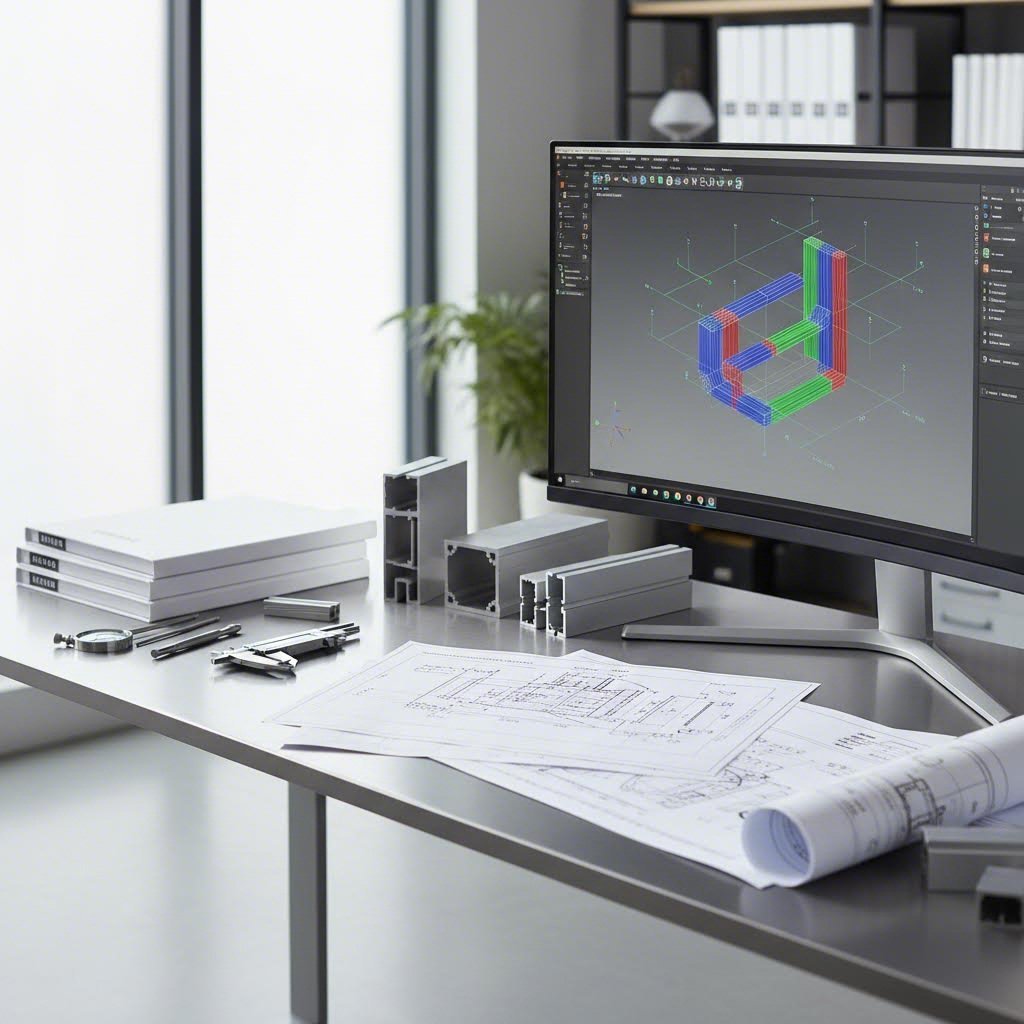
Your technical drawings form the foundation of every aluminum extrusion quote. Without clear, dimensioned prints, suppliers cannot assess manufacturability or calculate accurate costs. Here's what your documentation package should include:
According to industry experts, incomplete designs represent one of the most common obstacles to fast quoting. A complete, ready-to-quote design includes all dimensions, specifies the alloy and temper, identifies critical tolerances, and notes any fabrication or finishing requirements.
Beyond drawings, several specification decisions directly impact your pricing. Making these decisions before requesting quotes prevents delays and ensures you receive accurate, comparable proposals.
Choosing the right aluminum alloy affects cost, performance, and manufacturability. Each grade offers distinct properties suited to specific applications. As highlighted by aluminum industry research, matching alloy properties to real-world demands creates products that perform beautifully over time.
| Alloy | Key Properties | Typical Applications | Cost Implications |
|---|---|---|---|
| 6063 | Excellent extrudability, superior surface finish, good corrosion resistance | Architectural aluminum profiles, window frames, door systems, decorative trim | Lower cost; ideal for complex aluminum extrusion shapes with fine detail |
| 6061 | Higher strength, good weldability, versatile machinability | Structural components, machine frames, transportation equipment, industrial applications | Moderate cost; balanced performance for demanding applications |
| 7075 | Very high strength, excellent fatigue resistance, lower corrosion resistance | Aerospace components, high-stress mechanical parts, specialized equipment | Higher cost; requires additional surface treatment for corrosion protection |
A common mistake buyers make is over-specifying alloy strength. If your application involves window frames or decorative elements, 6063 delivers excellent results at lower cost. Jumping to 7075 for applications that don't require extreme strength wastes money and may complicate finishing options.
Specify your finishing preferences upfront. Common options include:
Leaving finish requirements undefined leads to quote revisions and project delays. Even if you're undecided, communicate your options so suppliers can provide pricing for each scenario.
Your order volume significantly impacts per-unit pricing. Provide realistic quantity estimates, including:
Suppliers use this information to determine appropriate quantity tier pricing and may offer better rates for committed annual volumes.
Here's where many buyers inadvertently inflate their costs: specifying tighter tolerances than their application actually requires. Standard extrusion tolerances satisfy most applications at no premium. Tighter tolerances require more careful process control, slower production speeds, and higher scrap rates—all of which increase your quote.
Before requesting quotes, ask yourself: which dimensions truly require tight tolerances for functional reasons? For mating parts or precision assemblies, tight tolerances make sense. For decorative elements or non-critical dimensions, standard tolerances typically suffice.
The more complete picture and information you provide of your needs, the more quickly and accurately suppliers can offer you a quote.
Don't let incomplete documentation slow down your project. Gather your technical drawings, make alloy and finish decisions, define realistic quantities, and specify only the tolerances you genuinely need. With this preparation complete, you're ready to understand how these factors combine to determine your final pricing—which we'll explore in the next section.
Now that you've gathered your documentation, you're probably wondering what actually drives the numbers on your aluminum extrusion quotes. The truth is, pricing in this industry follows a logic that many suppliers don't fully explain. Understanding these factors gives you leverage—not just to negotiate, but to design smarter and order more strategically.
Your final quote reflects a complex interplay between profile geometry, material choices, production volumes, and finishing requirements. Let's break down each factor so you can anticipate costs before they appear on your quote.
The shape of your aluminum extrusion profile directly determines how much you'll pay for tooling. Simple, solid profiles require straightforward dies that are relatively inexpensive to manufacture. But when your design includes hollow sections, thin walls, or asymmetric geometries, die complexity—and cost—escalates quickly.
According to Gabrian International, tool costs for extrusion dies in normal architectural and industrial applications typically range from $400 to $1,000. For larger parts requiring 2,000-4,000 ton presses, tooling costs can climb as high as $2,000. The more intricate your design, the longer it takes skilled toolmakers to create the die—adding both time and labor costs.
Here's what increases die complexity and pushes tooling costs higher:
For unique extrusions with intricate cross-sections, expect tooling investments at the higher end of these ranges. Conversely, if you're ordering small aluminum extrusions with simple solid profiles, you'll benefit from lower die costs and faster turnaround times. Normal tool turnaround time runs 3-4 weeks, with production following within a week of sample approval.
One money-saving tip: some manufacturers refund tool costs if you purchase a stipulated amount within two years. Many also don't charge for replacement tools after the original die's useful life ends—provided orders continue.
Volume is one of the most powerful levers you have for reducing your per-unit cost. When you order custom aluminium extrusion profiles, the basic die and tooling costs remain relatively fixed whether you're ordering 100 pieces or 10,000. This means larger orders distribute that fixed cost across more units, dramatically lowering the price per piece.
Consider this scenario: a custom die costing $800 adds $8 per unit to a 100-piece order. That same die cost adds only $0.08 per unit to a 10,000-piece order. The aluminum profile extrusion itself may cost the same per kilogram, but your tooling amortization drops by a factor of 100.
Most suppliers structure their quotes around quantity breakpoints—price tiers that reward higher volumes:
When projecting your quantities, think beyond the immediate order. If you anticipate ongoing needs, communicate your annual usage estimates. Suppliers often offer better pricing for committed volumes, even if initial orders are smaller.
Raw aluminum represents the largest variable cost in your extrusion aluminum pricing. According to industry data, base aluminum prices have varied anywhere from $1,500 to $3,500 per metric ton in recent years—a swing that can dramatically impact your project budget.
Beyond market fluctuations, your alloy choice affects material costs. Standard alloys like 6063 are readily available and competitively priced. Specialty alloys or unusual grades often require special ordering, increasing both cost and lead time. If your application genuinely requires a curved aluminum extrusion in a specialty alloy, factor in premium pricing.
For projects with ongoing production needs, some suppliers offer aluminum price lock-in arrangements. The extruder purchases metal in advance at current rates and uses it for your production over time, making costs more predictable despite market volatility.
Surface treatments transform raw extrusions into finished products—but they also add significant cost. According to Gabrian's cost analysis, anodizing and powder coating typically add $1,200 to $1,400 per metric ton, while Alodine finishing runs about $800 per metric ton.
Each finishing method offers distinct benefits for different applications. Industry experts recommend matching your finish to your specific environment and aesthetic requirements.
| Finish Type | Durability | Appearance | Relative Cost | Best Applications |
|---|---|---|---|---|
| Mill Finish | Low (prone to oxidation) | Natural aluminum | Lowest (baseline) | Industrial components, hidden applications |
| Anodizing | Very high (integrated with metal) | Metallic, limited colors | Moderate ($1,200-1,400/MT) | Electronics, architectural facades, precision parts |
| Powder Coating | High (thick, hard finish) | Wide color range, smooth | Moderate ($1,200-1,400/MT) | Window frames, furniture, industrial equipment |
| PVDF Coating | Excellent (20-30 year warranties) | Premium, color stable | Higher | Building facades, curtain walls, harsh environments |
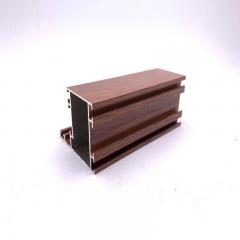
| Wood-Look Finish | Varies by system | Wood grain appearance | Significantly higher | Architectural features, decorative applications |
The key insight here: don't over-specify finishing for applications that don't demand it. Mill finish costs nothing beyond the base extrusion price, while premium PVDF coatings can add substantial expense. Match your finish to your actual performance requirements.
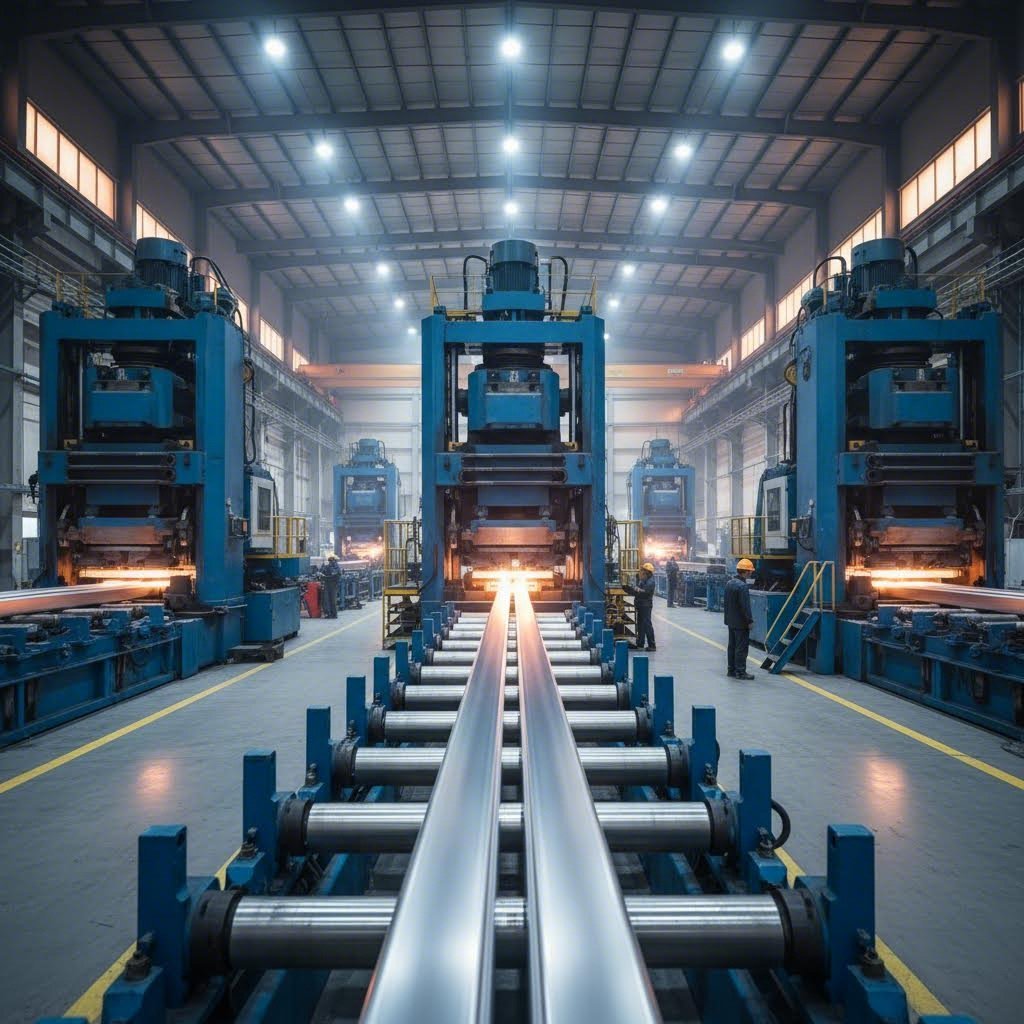
Most suppliers use direct extrusion, where a ram pushes the heated aluminum billet through a stationary die. This method works well for the majority of aluminum extrusion profile applications and offers cost-effective production for standard alloys and geometries.
Indirect extrusion reverses this arrangement—the die moves toward a stationary billet. This process reduces friction and allows extrusion of harder alloys and more complex shapes, but it's typically more expensive and less common. Unless your application specifically requires indirect extrusion capabilities, you'll likely receive quotes based on direct extrusion processes.
Understanding these pricing factors arms you with knowledge that many buyers lack. But there's another major cost component that deserves dedicated attention: tooling and die charges. The next section breaks down exactly how these upfront investments work—and when they make financial sense for your project.
When you receive aluminum extrusion quotes for custom profiles, one line item often catches buyers off guard: die charges. This upfront investment represents a significant portion of initial project costs—yet many suppliers don't fully explain what you're paying for or how to evaluate whether it's worth it. Understanding aluminium extrusion die economics empowers you to make smarter decisions about custom versus stock solutions.
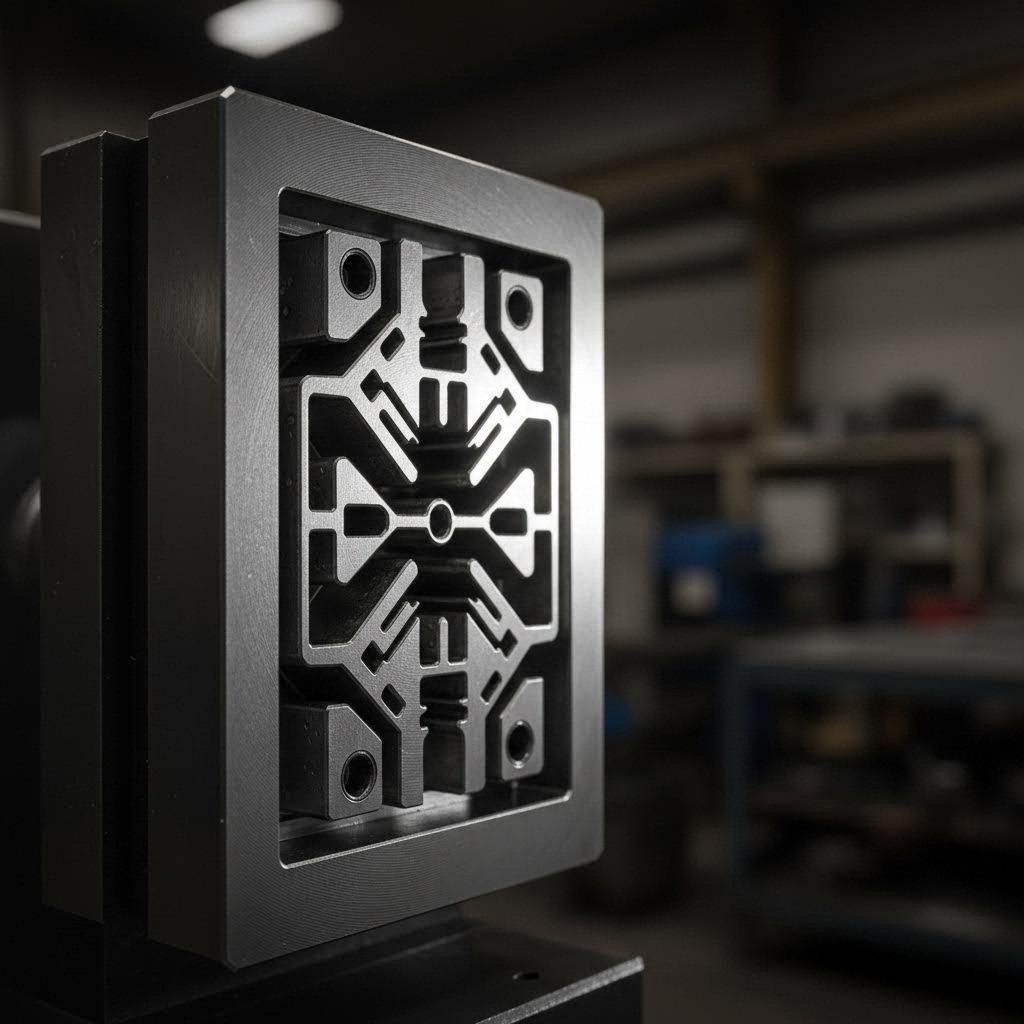
Think of it this way: the die is essentially a precision-machined mold that shapes molten aluminum into your exact profile geometry. Without it, your custom aluminum extrusion simply cannot exist. But dies aren't one-size-fits-all purchases. Their cost varies dramatically based on complexity, size, and required precision.
Custom aluminium extrusion dies represent tooling investments that enable unique profile aluminum geometries unavailable in standard catalogs. According to industry analysis from Ya Ji Aluminum, die costs vary significantly based on type and complexity:
| Die Type | Structure | Typical Cost Range | Application Examples |
|---|---|---|---|
| Solid Die | One-piece, no bridge or mandrel | $300–$800 | Angles, channels, flat bars |
| Semi-Hollow Die | Narrow openings, partial bridge | $800–$1,500 | Mounting brackets, C-channels |
| Hollow Die | Mandrel and bridge assembly | $1,000–$3,000 | Tubes, square hollow sections |
| Multi-Cavity Die | Multiple cavities in one die | $1,500–$5,000+ | LED housings, heat sink fins, rail clips |
Several factors push die costs toward the higher end of these ranges. When you're designing aluminum extruded shapes, keep these complexity drivers in mind:
Here's something many buyers don't ask about upfront: who actually owns the die after you pay for it? Policies vary by supplier. Some manufacturers retain ownership of aluminium extrusion dies and store them for your exclusive use. Others transfer full ownership to you, allowing you to move the tooling to a different supplier if needed.
Before committing to any quote, clarify these points:
Aluminium extrusion dies don't last forever. According to industry data, typical die lifespans vary based on profile type and alloy being extruded:
Many reputable suppliers don't charge for replacement dies once the original tooling reaches end of life—provided you continue ordering. This policy significantly reduces long-term tooling costs for ongoing production programs.
Not every project justifies bespoke aluminium extrusion tooling. Sometimes stock profiles offer a more economical path—especially for prototypes, small production runs, or applications where standard shapes meet your functional requirements.
Standard extruded aluminum shapes make sense when:
According to Guang Ya Aluminium's analysis, standard aluminum profiles typically cost 30% to 50% less than custom profiles when considering initial investment. For simple projects or when design flexibility isn't critical, this cost advantage is significant.
Custom aluminum extrusion tooling becomes worthwhile when:
Here's where the math gets interesting. Tooling costs should be evaluated relative to your total production volume over the die's lifespan. Consider this amortization example from Ya Ji Aluminum:
At low volumes, that same $2,000 die adds $4 per kilogram to a 500 kg order. At production scale, it becomes nearly negligible. This is why communicating your long-term volume projections to suppliers matters—it helps them (and you) understand the true economics of your custom profile aluminum investment.
Tooling lead time typically runs 7–15 working days depending on profile complexity. Delays in design approval or errors in profile drawings can extend this timeline or require expensive reworks.
Before committing to custom tooling, confirm your 2D and 3D drawings with tolerances, verify wall thickness minimums are achievable, and ensure your specified alloy and finish are compatible with the die design. Getting these details right upfront prevents costly revisions and accelerates your path to production.
With tooling economics now clear, you're better equipped to evaluate quotes holistically. But even well-prepared buyers sometimes make costly mistakes when requesting quotes. The next section reveals the most common pitfalls—and how to avoid them.
You've prepared your documentation, selected your alloy, and submitted your request. So why does your quote come back higher than expected—or worse, require multiple revisions before you can even begin production? The answer often lies in avoidable mistakes that inflate costs, extend timelines, and frustrate both buyers and suppliers.
When ordering custom extrusions or even standard extrusion shapes, first-time buyers frequently fall into the same traps. These errors aren't obvious until you've been through the process a few times—but understanding them now saves you money, time, and headaches on every project going forward.
Let's examine the most common mistakes buyers make when requesting aluminum extrusion quotes—and exactly how each one impacts your bottom line:
These mistakes don't just inflate individual quotes—they create ripple effects throughout your project. Quote revisions delay approvals. Design changes after tooling begins waste both time and money. Budget overruns strain relationships with stakeholders who approved the original estimates.
Here's how to sidestep these pitfalls before they derail your project:
First-time buyers often feel pressure to appear knowledgeable, avoiding questions that might reveal inexperience. Resist this temptation. Experienced suppliers appreciate buyers who ask clarifying questions—it leads to cleaner specifications, more accurate quotes, and smoother production runs for everyone involved.
Avoiding these common mistakes positions you for success. But receiving an accurate quote is only half the battle—you also need to evaluate and compare proposals effectively. The next section provides a framework for assessing quotes beyond just the price tag.
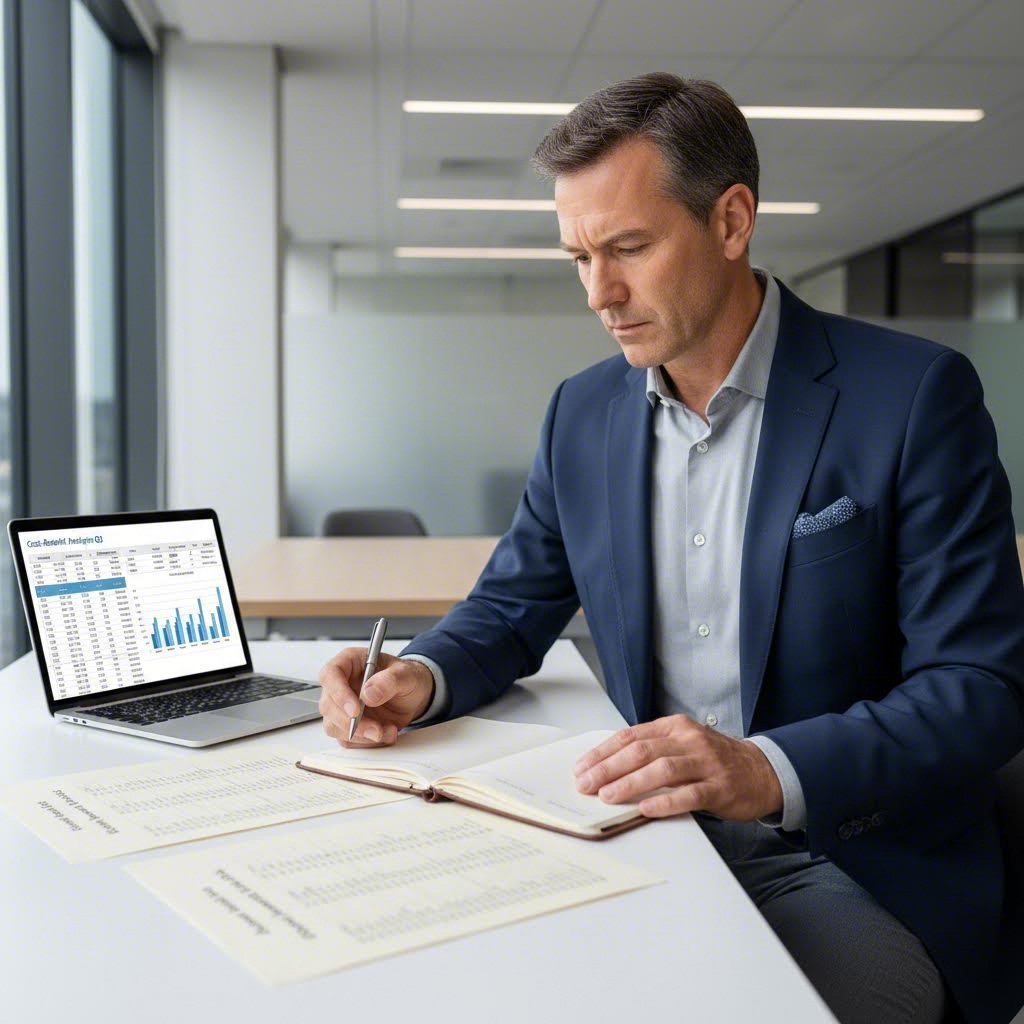
You've received multiple aluminum extrusion quotes. Now comes the critical question: which one represents the best value for your project? If you're tempted to simply choose the lowest price, pause for a moment. As manufacturing sourcing experts note, two suppliers may quote identical unit prices, yet one includes process control, documentation, and stable lead times while the other relies on informal workflows and inconsistent scheduling. The real cost difference only appears after production starts—through delays, rework, or quality failures.
Evaluating extrusion profiles and custom extrusion aluminum suppliers requires looking beyond the numbers on the page. Price is an outcome of systems, processes, and discipline. Your goal isn't finding the cheapest option—it's finding the supplier whose total cost of ownership and execution reliability align with your business reality.
When comparing extruded profiles from different suppliers, think of price as just one data point in a much larger picture. A lower quote might indicate genuine efficiency—or it might signal corners being cut somewhere you can't immediately see.
According to industry sourcing research, low upfront prices can hide indirect costs that accumulate over time. Watch for these warning signs that a bargain quote may not deliver true value:
Conversely, a slightly higher quote from a supplier with strong systems, clear documentation, and proven reliability often delivers lower total cost over the life of your project. Fewer quality issues mean less rework. Reliable lead times mean no expedited shipping fees. Technical support means fewer design iterations.
How do you distinguish a reliable partner from a risky vendor when reviewing extrusions quotes? Experienced procurement professionals evaluate suppliers across four core dimensions: technical capability, quality assurance, service level, and pricing transparency.
Use this evaluation matrix to systematically assess each supplier proposal:
| Evaluation Category | What to Look For | Red Flags to Avoid |
|---|---|---|
| Technical Capability | Press tonnage range matching your profile size; CNC machining centers for secondary operations; experience with your specific alloy and profile complexity; engineering support for design optimization | Limited equipment range; no examples of similar profiles; inability to answer technical questions; no DFM (design for manufacturability) input |
| Quality Assurance | ISO 9001 certification; documented inspection procedures; statistical process control; material traceability systems; defined nonconformity handling processes | Certificates without demonstrated controls; no root-cause analysis procedures; inspection data not feeding back into production; vague quality claims |
| Service Level | Clear lead time commitments; proactive communication protocols; dedicated project contacts; after-sales support for warranty claims; flexibility for order changes | Vague delivery promises; slow response times; no dedicated contact; reluctance to discuss problem resolution processes |
| Pricing Transparency | Itemized cost breakdown (material, tooling, finishing, packaging); clear payment terms; explained quantity breakpoints; defined validity period; tooling ownership terms | Lump-sum pricing without detail; hidden fees revealed later; unclear what's included; reluctance to explain cost components |
When evaluating custom profile extrusions, technical capability deserves special attention. According to aluminum industry experts, technical fit isn't about whether a supplier claims they can make your product—it's about whether their existing processes match your requirements. Review their equipment lists mapped to your key tolerances, and request examples of similar products already in mass production.
ISO certifications matter, but they don't tell the whole story. As sourcing specialists emphasize, certification does not equal control. What matters more is how nonconformities are handled, whether root-cause analysis leads to documented process changes, and how inspection data feeds back into production decisions.
A supplier with fewer certificates but strong internal controls often outperforms a fully certified factory with weak execution discipline. Ask potential suppliers:
The answers reveal more about quality culture than any certificate on the wall.
Experience with your specific application type significantly reduces project risk. Certified aluminum suppliers for custom products should readily provide references or case studies demonstrating relevant expertise. A factory producing consumer electronics housings may technically accept a medical enclosure project—but lack experience with tighter traceability or material validation requirements specific to that industry.
Ask potential suppliers directly:
Reputable suppliers welcome these questions. Hesitation or vague responses suggest limited relevant experience.
Your current order represents a snapshot in time. What happens when your project grows? According to manufacturing evaluation frameworks, scalability is frequently overlooked during supplier selection. A supplier performing well at 500 units per month may struggle at 5,000 units monthly.
Signs of genuine scalability include modular production lines, capacity planning based on data rather than intuition, and clear labor expansion models. If your business has growth potential, verify that your chosen supplier can scale with you without quality degradation or lead time deterioration.
The most valuable suppliers function as an extension of your team, contributing to product improvement and operational efficiency—not just filling orders.
Evaluating quotes systematically takes more effort than simply comparing bottom-line prices. But this investment pays dividends through fewer production surprises, more reliable deliveries, and stronger long-term partnerships. With your evaluation framework in place, the next step is selecting a supplier partner whose capabilities match your specific project needs.
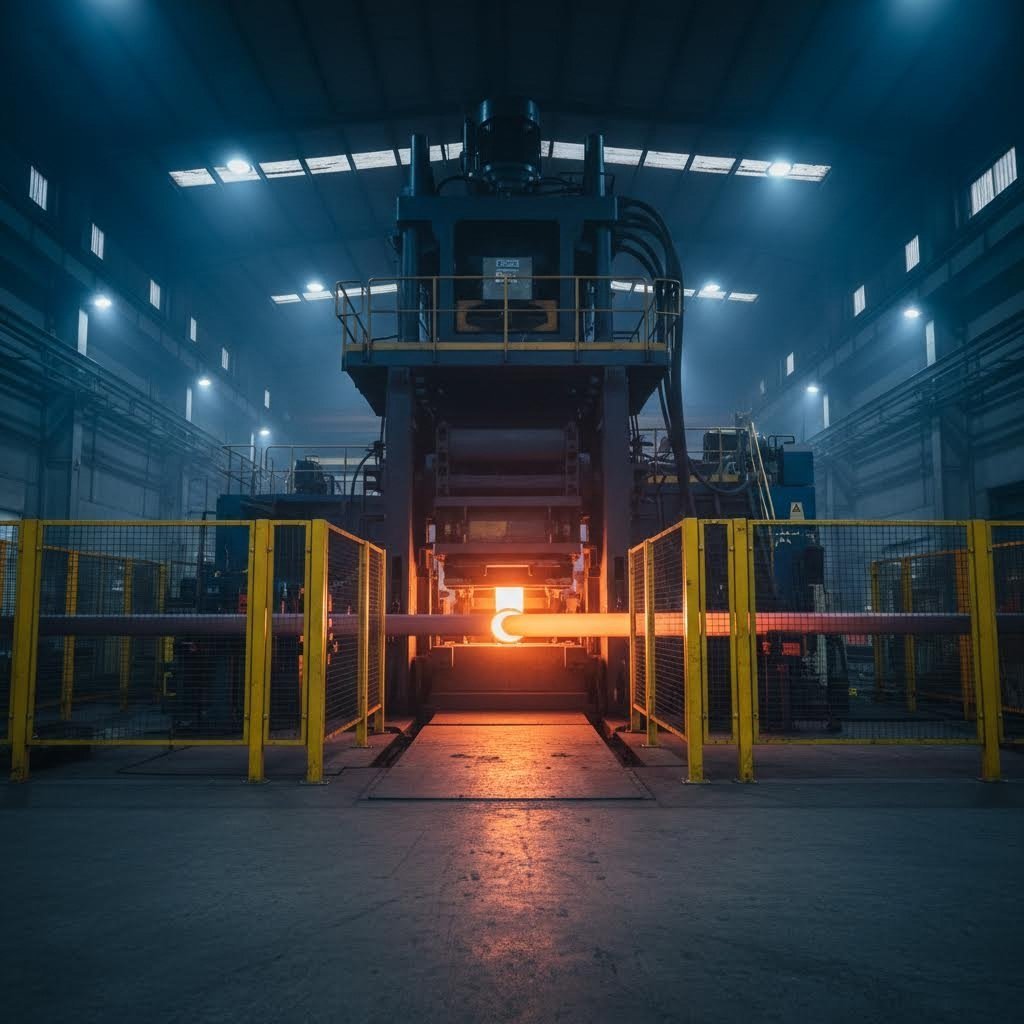
You've evaluated your quotes, compared pricing, and assessed quality indicators. Now comes the decision that shapes your project's success: choosing the right supplier partner. This isn't just about picking the best quote on paper—it's about finding a profile custom extrusion company whose capabilities align precisely with what your project demands.
Think of supplier selection as matchmaking. A manufacturer with 20 massive presses excels at high-volume industrial profiles but may lack interest in your 200-piece prototype run. Conversely, a smaller operation specializing in precision work might struggle with the capacity demands of a major production rollout. Understanding how supplier capabilities translate into quote competitiveness—and project success—helps you make the right match.
Every extrusion facility has a sweet spot defined by its equipment, expertise, and operational focus. When reviewing aluminum extrusion suppliers, their manufacturing capabilities directly determine whether they can deliver competitive pricing, reliable quality, and on-time delivery for your specific requirements.
An extruder's press capacity defines what profiles they can economically produce. According to extrusion equipment specialists, press tonnage determines the maximum profile size, achievable output rates, and even long-term production stability.
Here's how press capacity typically maps to profile applications:
| Press Tonnage Range | Typical Profile Applications | Best Suited For |
|---|---|---|
| 600T–1000T | Small architectural profiles, aluminium extrusion trim, decorative elements | Window frames, door systems, small industrial parts |
| 1100T–1450T | Standard architectural and industrial profiles | Most 6063 window/door profiles, general industrial applications |
| 1800T–2500T | Larger industrial profiles, structural components | Heavy-duty frames, transportation components, complex geometries |
| 3000T–5500T | Large-scale industrial and specialized profiles | Rail systems, large heat sinks, heavy structural sections |
A 2025 survey of Asian extrusion plants shows that 1100T–1450T presses dominate architectural profile production, while 1800T–2500T machines lead industrial extrusion. Plants producing 6063 window and door profiles typically operate 1000T or 1100T presses, while industrial profiles may require upgrading to 1450T or higher for stable output.
Why does this matter for your quote? Undersized presses struggle with larger profiles, leading to slower extrusion cycles, poor surface finish, and frequent die damage. Oversized presses for small profiles waste capacity and may result in less competitive pricing. The ideal supplier operates presses sized appropriately for your profile's circumscribed circle and complexity.
Raw extrusions rarely go straight to assembly. Most projects require secondary operations: cutting to length, drilling, milling, tapping, bending, or notching. Suppliers with in-house CNC machining centers offer significant advantages:
When evaluating aluminum extrusion supply options, ask specifically about machining capabilities. Can they handle your required tolerances? What equipment do they operate? How do they maintain quality across combined extrusion and fabrication operations?
Surface finishing transforms raw aluminum into application-ready products. Suppliers with comprehensive in-house finishing options deliver more competitive quotes and shorter lead times than those who outsource these operations.
Look for suppliers offering:
According to Alexandria Industries, aluminum extrusion offers unsurpassed tooling advantages—but these benefits only materialize fully when your supplier can deliver finished products without coordinating multiple finishing vendors.
Beyond equipment specs, supplier experience translates directly into quote quality and project outcomes. Manufacturers with decades of production history have solved problems you haven't encountered yet—and that expertise shows in their proposals.
The most valuable aluminum extrusion trim and profile custom extrusions suppliers function as technical partners, not just order-takers. They contribute to your success through:
This end-to-end support model minimizes your project management burden while improving outcomes. Rather than coordinating between die makers, extruders, machinists, and finishers, you work with a single capable partner who owns the entire process.
Consider what comprehensive capabilities look like in practice. Shengxin Aluminium exemplifies the full-service approach, with over 30 years of aluminum extrusion experience and facilities designed for end-to-end production. Their 35 extrusion presses—ranging from 600T to 5500T—enable production of everything from delicate architectural trim to heavy industrial profiles.
Beyond extrusion, their integrated capabilities include:
This combination of press range, finishing breadth, and technical depth allows suppliers like Shengxin to quote competitively across diverse project types—from custom 6063 aluminum tubes to complex industrial assemblies.
Before finalizing your supplier selection, verify these key capability indicators:
Selecting the right supplier partner isn't about finding the lowest price—it's about identifying the manufacturer whose capabilities, experience, and service model align with your project's specific requirements. When capabilities match needs, quotes become more accurate, production runs more smoothly, and long-term partnerships develop that benefit both parties.
With your supplier evaluation complete, you're ready to take action. The final section provides a practical roadmap for moving from research to results—getting competitive quotes that set your project up for success.
You've absorbed a wealth of information about how aluminum extrusion quotes work, what drives pricing, and how to evaluate suppliers effectively. Now it's time to transform that knowledge into action. Whether you're sourcing aluminum extruded shapes for a new product launch or establishing a long-term supply relationship for extruded aluminium profiles, the steps you take from here determine whether your project stays on budget and on schedule.
The difference between buyers who struggle with inaccurate quotes and those who receive competitive, reliable pricing comes down to preparation and process. Let's consolidate everything you've learned into a practical roadmap you can follow starting today.
Ready to request quotes with confidence? Follow this step-by-step action plan to ensure your submissions generate accurate, comparable proposals from qualified suppliers:
This structured approach positions you to receive quotes that accurately reflect your project requirements rather than estimates that require multiple revisions before becoming actionable.
Throughout this guide, you've learned what separates informed buyers from those who struggle with the quoting process. The key takeaways worth remembering:
The most successful aluminum extrusion projects begin with thorough preparation and the right manufacturing partner. When your supplier understands your requirements completely and has the capabilities to execute flawlessly, quotes become reliable foundations for budgeting rather than sources of uncertainty.
Wondering where to buy aluminum extrusion for your next project? For buyers seeking comprehensive custom extruded profiles solutions—from precision cutting and drilling to bending and diverse surface treatments—experienced manufacturers make all the difference. Shengxin Aluminium's deep processing services support projects requiring custom 6063 aluminum tubes, architectural window frames, and complex industrial profiles, with technical teams providing end-to-end guidance from die development through mass production.
Your next aluminium extruded profile project deserves accurate quotes built on complete information and delivered by capable suppliers. Apply the principles from this guide, prepare your documentation thoroughly, and approach your RFQ process with the confidence that comes from understanding exactly how the system works. The result? Competitive pricing, reliable lead times, and manufacturing partnerships that support your success for years to come.
Custom aluminum extrusion costs vary based on several factors: profile complexity, alloy selection, quantity ordered, and finishing requirements. Die tooling typically ranges from $300-$5,000 depending on design complexity. Raw aluminum pricing accounts for 60-75% of total costs, while surface treatments like anodizing or powder coating add $1,200-$1,400 per metric ton. Per-unit costs decrease significantly with larger order quantities due to tooling amortization across more pieces.
Quote turnaround depends on project complexity and documentation completeness. Simple profiles with clear specifications can receive quotes within 24-48 hours. Complex custom designs requiring engineering review typically take 2-5 business days. Projects needing extensive die feasibility assessment may require 2-3 weeks. Submitting complete CAD drawings, alloy preferences, quantity requirements, and finish specifications upfront significantly accelerates the quoting timeline.
Prepare CAD drawings or dimensioned sketches (IGS, DXF, DWG formats), specify your alloy preference (6063, 6061, or 7075), define tolerance requirements, indicate surface finish needs (mill finish, anodizing, powder coating), provide quantity projections including annual usage estimates, and share your target delivery timeline. Identifying which surfaces are cosmetic and explaining the end-use application helps suppliers recommend optimal solutions.
Budgetary quotes are preliminary estimates used for project planning and feasibility assessment, typically accurate within ±15-25% based on limited information. They are not binding commitments. Firm quotes are detailed, fixed pricing based on complete specifications and become binding once accepted. Request budgetary quotes during early project development, then obtain firm quotes once your design is finalized for final budgeting and purchase orders.
Optimize costs by specifying only necessary tolerances rather than over-engineering, selecting appropriate alloys for your application (6063 for architectural, 6061 for structural), ordering higher quantities to reach better pricing tiers, choosing standard finishes when premium options aren't required, and consolidating annual requirements with committed volume agreements. Working with suppliers offering integrated extrusion, machining, and finishing eliminates coordination costs and reduces lead times.



 Интернет Сервис
 0086 136 3563 2360
 sales@sxalu.com
 +86 136 3563 2360
 русский
 English
 français
 Deutsch
 español
 português
 العربية
 ไทย
ไทย Việt
Việt Українська