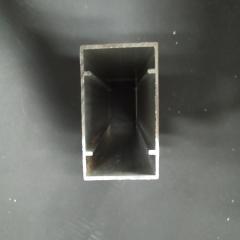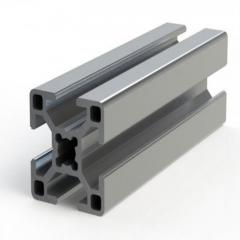
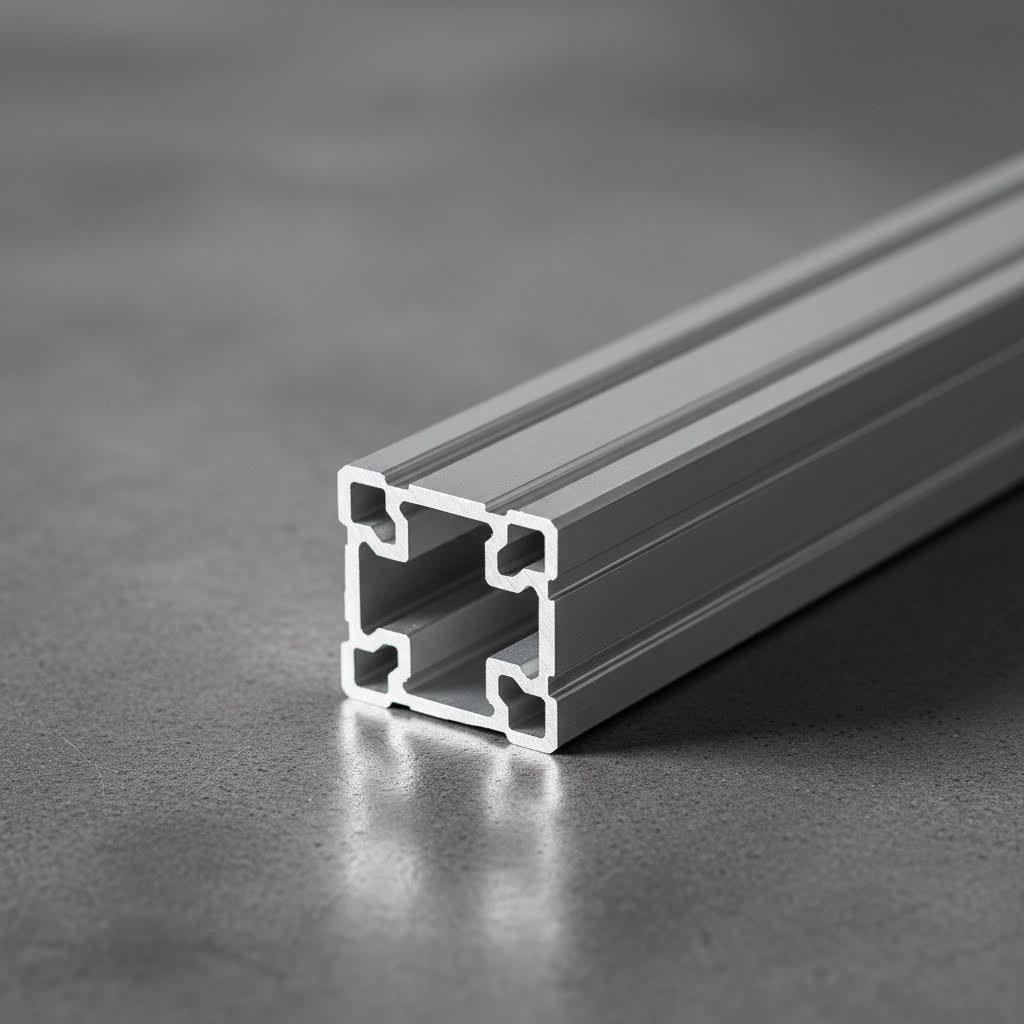
When you're planning a custom frame, workstation, or machine enclosure, understanding your building materials makes all the difference. A 4040 aluminum extrusion profile is exactly what its name suggests—a structural aluminum bar with a 40mm x 40mm square cross-section. This straightforward naming convention tells you everything you need to know at a glance, making it easy to select the right profile for your project.
The "4040" designation follows a simple industry-standard naming system. The first two digits represent the width (40mm), and the second two digits indicate the height (40mm). So when you see a 4040 extrusion, you immediately know you're looking at a perfectly square profile measuring 40 millimeters on each side. This naming logic applies across the entire modular framing family—2020 means 20mm x 20mm, 4080 means 40mm x 80mm, and so on. The 40 40 aluminum extrusion format has become universally recognized, eliminating confusion when sourcing components from different manufacturers.
Why 40mm specifically? This dimension hits a sweet spot in structural engineering. The 40x40 aluminum extrusion provides substantial rigidity without excessive weight or material cost. It's large enough to accommodate robust T-slot channels for secure hardware connections, yet compact enough for applications where space efficiency matters. The 40mm standard also aligns with common metric fastener sizes, particularly M8 bolts and corresponding T-nuts, creating a harmonious ecosystem of compatible components.
Think of 4040 aluminium extrusion as the "Goldilocks" of modular framing—not too light, not too heavy, but just right for medium-duty applications. It bridges the gap between lighter 2020/3030 profiles designed for small projects and heavier 8080 options built for industrial machinery. This versatility explains why engineers, makers, and industrial designers consistently reach for 4040 extrusion when building CNC frames, 3D printer enclosures, workbenches, and protective guarding.
What defines a quality 4040 aluminum extrusion profile? Here are the key characteristics to look for:
The 40 40 aluminum extrusion's popularity stems from its ability to handle real-world loads while remaining accessible for DIY builders and cost-effective for commercial applications. Whether you're constructing a sturdy assembly table or framing automation equipment, this profile size delivers the structural integrity most medium-duty projects demand.
Now that you understand what makes a 4040 aluminum extrusion profile the go-to choice for medium-duty applications, let's dive into the numbers that really matter. Having precise 4040 aluminum extrusion dimensions at your fingertips saves time during project planning and prevents costly ordering mistakes.
When you're comparing extruded aluminum sizes across different suppliers, consistency in core specifications becomes crucial. The standard 4040 extruded aluminum profile follows well-established industry dimensions, though slight variations exist between manufacturers. Here's a comprehensive breakdown of typical specifications:
| Specification | Standard Value | Notes |
|---|---|---|
| Profile Dimensions | 40mm x 40mm (cm 40 mm square) | External cross-section measurement |
| Weight per Meter | 1.35 - 1.50 kg/m | Varies by internal geometry design |
| Cross-Sectional Area | 450 - 550 mm² | Affects load capacity calculations |
| Moment of Inertia (Ix = Iy) | 8.0 - 9.5 cm⁴ | Critical for deflection calculations |
| T-Slot Width | 8mm (standard) | Accommodates M8 T-nuts and bolts |
| Slot Opening | 6.2 - 6.5mm | For drop-in hardware access |
| Wall Thickness | 1.8 - 2.5mm | Thicker walls increase rigidity |
| Center Bore Diameter | 8 - 10mm | For internal fastening options |
You'll notice weight variations in the 4040 extrusion dimensions table above. Why the range? Different manufacturers optimize their internal geometry differently. Some prioritize lighter profiles for cost savings, while others add material for enhanced structural performance. Always verify the specific weight when calculating total frame mass for your application.
Understanding structural properties helps you predict how your aluminum extrusion dimensions will perform under real loads. The moment of inertia values determine how much a profile will bend under stress—higher numbers mean less deflection.
For practical planning purposes, consider these performance characteristics:
Sounds complex? Think of it this way—a 4040 profile spanning one meter can typically support 50-100 kg of centered load with minimal deflection, making it ideal for workbench surfaces, equipment frames, and enclosure structures.
When sourcing 4040 extruded aluminum, you'll encounter two primary alloy options. Each serves distinct purposes:
6063-T5 Alloy is the standard choice for architectural and general framing applications. The "T5" indicates air cooling after extrusion by artificial aging. This alloy offers excellent surface finish quality, superior corrosion resistance, and good extrudability—meaning manufacturers can achieve precise T-slot geometries consistently. Choose 6063-T5 for most modular framing projects, enclosures, and workstations.
6061-T6 Alloy delivers approximately 40% higher strength but comes with trade-offs. The "T6" temper involves solution heat treatment and artificial aging, producing a harder material. However, 6061-T6 is more challenging to extrude with fine details and typically costs more. Select this alloy when your application demands maximum structural strength—think heavy machine bases or high-stress load-bearing frames.
Manufacturing tolerances determine whether your hardware fits smoothly or causes assembly frustrations. Quality 4040 profiles should meet these standards:
Before placing bulk orders, verify that your supplier provides material certificates confirming alloy composition and heat treatment. Reputable manufacturers reference ISO 9001 quality management standards and can provide test reports showing mechanical properties meet specifications. This documentation becomes especially important for industrial applications where engineering validation is required.
With these specifications in hand, you're ready to explore the next critical decision: choosing between T-slot and V-slot profile configurations for your specific application needs.
You've got the dimensions down, but here's where many builders hit a crossroads: should you choose a 4040 t slot profile or a V-slot configuration? This decision affects everything from hardware compatibility to project capabilities. Let's break down both options so you can make the right call for your specific build.
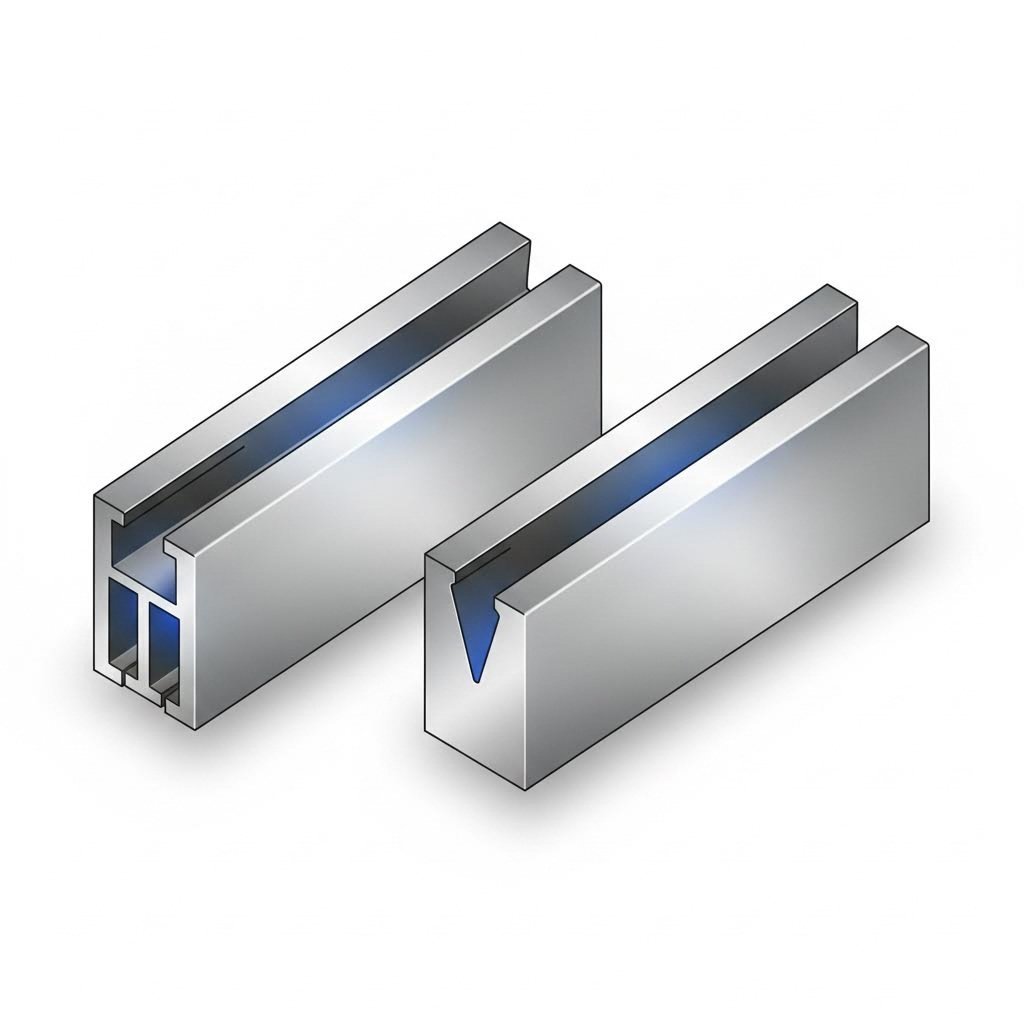
The t slot 8020 style profile has dominated modular framing for decades, and for good reason. Its distinctive T-shaped channel creates a secure pocket where T-nuts lock into place, forming incredibly strong connections that resist both pull-out and rotation forces.
What makes the 8020 t slot design so effective for structural applications?
When you're building workbenches, machine enclosures, or safety guarding, the aluminum slot 4040 T-slot configuration delivers the structural integrity these applications demand. The channel geometry prioritizes connection strength over any secondary functions.
Imagine needing a profile that doubles as both a structural frame and a precision rail. That's exactly what V-slot delivers. The V-shaped groove running along each face creates a track where V-wheels can roll smoothly, enabling linear motion without separate rail systems.
V-slot profiles shine in these scenarios:
The trade-off? V-slot accepts standard T-nuts in the center of the V-groove, but the connection isn't quite as robust as a dedicated T-slot design. For pure structural framing without motion requirements, you're sacrificing some clamping performance for functionality you may not need.
Still unsure which profile type fits your project? This comparison table puts the key differences side by side:
| Feature | T-Slot 4040 | V-Slot 4040 |
|---|---|---|
| Slot Geometry | T-shaped undercut channel | V-shaped groove (typically 45°) |
| Primary Function | Structural connections | Linear motion + structure |
| Compatible Hardware | Standard T-nuts, drop-in nuts, hammer nuts | T-nuts (in groove), V-wheels, eccentric spacers |
| Connection Strength | Maximum clamping force | Good, but slightly reduced vs T-slot |
| Linear Motion Capability | Requires separate rail system | Built-in with V-wheels |
| Typical Applications | Workbenches, enclosures, safety guarding | CNC machines, 3D printers, motion systems |
| Cost Consideration | Often lower per meter | Premium for motion capability |
| Accessory Availability | Widest selection available | Growing but more specialized |
Here's a practical decision rule: if your project involves any moving components that travel along the profile, V-slot simplifies your build significantly. If you're constructing a rigid, stationary frame, T-slot gives you maximum structural performance at a typically lower cost.
Mixing profile types? Proceed with caution. The aluminum extrusion 80 20 branded profiles and generic 40 series extrusions share the same 40mm dimensions but may differ in critical slot specifications.
Watch for these compatibility issues:
The safest approach? Source all profiles and hardware from a single manufacturer or verified compatible supplier. When that's not possible, order test pieces before committing to large quantities. A few dollars spent on samples prevents expensive rework when slots don't quite match your existing hardware.
With your slot type selected, the next step is understanding how profile size affects your project's structural capabilities and overall cost.
You've learned the specs and selected your slot type. Now comes the question that determines your project's success and budget: is 4040 actually the right profile size for what you're building? Choosing the wrong size means either overspending on unnecessary material or dealing with structural inadequacy down the road. Let's walk through the decision process so you can select with confidence.
The 40mm aluminum extrusion hits a performance sweet spot that makes it ideal for a specific range of applications. Think of it as your go-to option when projects exceed hobby scale but don't require industrial-grade framing.
An aluminum 4040 extrusion makes sense when your project involves:
The 40 series aluminum extrusion provides roughly four times the rigidity of 2020 profiles while keeping weight and cost manageable. For makers and hobbyists tackling serious projects—think a full-size CNC machine or professional workshop furniture—this size delivers without breaking the budget.
How does 4040 stack up against other common 8020 extrusion sizes? This comparison reveals where each profile excels:
| Profile Size | Weight (kg/m) | Relative Rigidity | Relative Cost | Best Applications |
|---|---|---|---|---|
| 2020 | 0.45 - 0.55 | 1x (baseline) | $ | Small 3D printers, light enclosures, prototypes |
| 3030 | 0.85 - 1.00 | 2.5x | $$ | Medium displays, light workbenches, robot frames |
| 4040 | 1.35 - 1.50 | 4x | $$$ | CNC machines, sturdy workbenches, safety guarding |
| 4080 | 2.50 - 2.80 | 6x (in 80mm axis) | $$$$ | Long spans, heavy tables, unidirectional loads |
| 8080 | 4.80 - 5.50 | 16x | $$$$$ | Industrial machinery, heavy automation, gantry systems |
Notice the 4020 aluminum extrusion isn't listed? That's because rectangular profiles like 4020 and 8040 aluminum extrusion serve specialized purposes—spanning long distances in one direction while minimizing material in the other. They're excellent for specific structural needs but less versatile than square profiles for general framing.
Here's the honest truth: choosing profile size based purely on "bigger is better" wastes money. Choosing based on "whatever's cheapest" risks project failure. The right approach matches structural requirements to actual loads.
Consider these practical guidelines from industry framing specialists:
Being honest about limitations builds trust and saves you from expensive mistakes. Skip the 4040 3 aluminum when:
Wondering if aluminum framing even makes sense for your application? Here's perspective:
Compared to steel: Aluminum extrusion costs more per kilogram but weighs roughly one-third as much. For structures requiring frequent reconfiguration, easy assembly, or corrosion resistance, aluminum often proves more economical over the project lifecycle. Steel wins for permanent, ultra-heavy-duty installations where modification isn't anticipated.
Compared to wood: Dimensional lumber costs less initially, but aluminum offers precision, modularity, and professional appearance that wood can't match. For workshop furniture or maker projects where you value adjustability and clean aesthetics, the premium pays for itself.
The maker and hobbyist community gravitates toward 4040 for a reason—it handles real loads while remaining accessible for home shop work. You won't need specialized equipment to cut it, and the modular ecosystem lets you build, modify, and expand projects over time.
With your profile size selected, the next consideration becomes equally important: understanding the brackets, fasteners, and connectors that transform individual extrusions into functional structures.
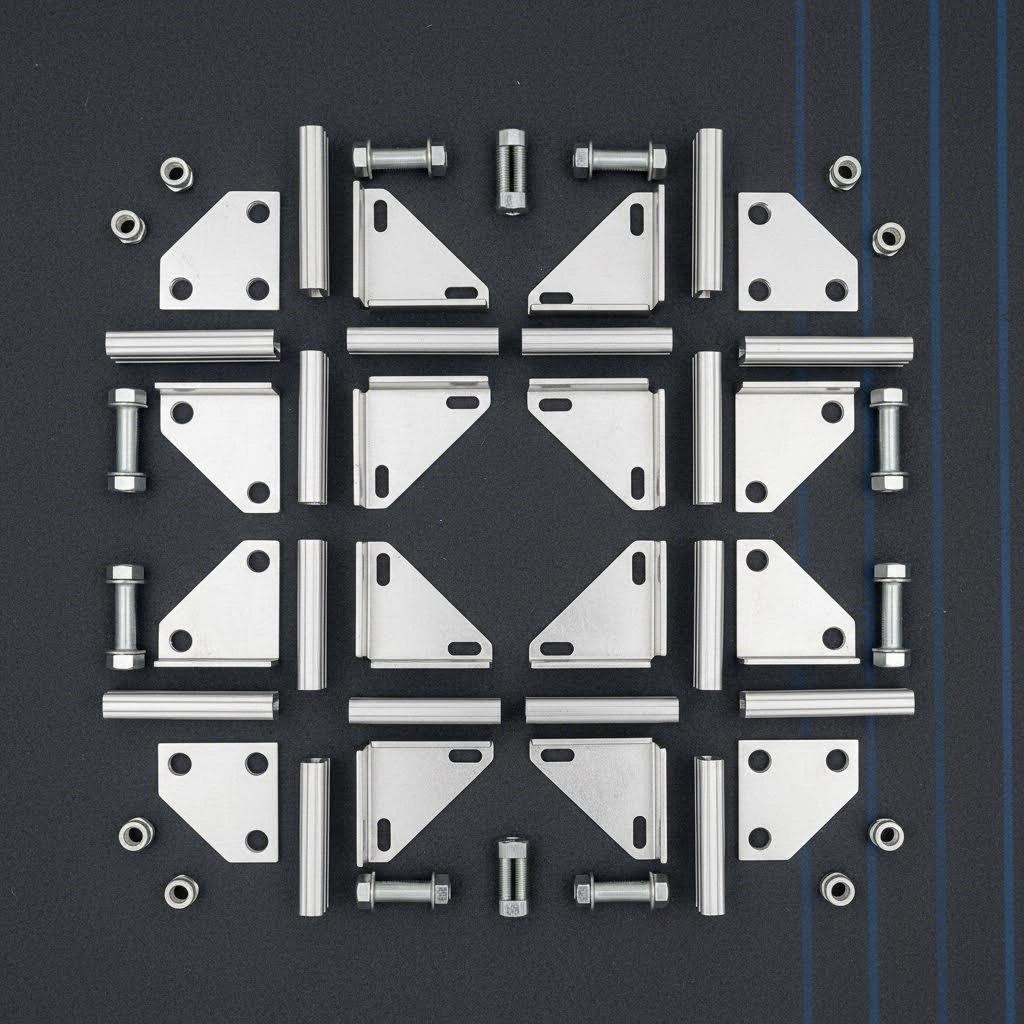
You've selected your profile size and slot type—now it's time to explore what actually holds everything together. The hardware you choose determines whether your frame stays rigid for years or loosens up after a few weeks of use. Understanding the complete ecosystem of aluminium extrusion accessories transforms you from someone who builds frames to an aluminum extrusion builder who engineers solutions.
Brackets form the backbone of any modular aluminum frame, creating the structural connections that transfer loads between profiles. For 4040 systems, you'll encounter several bracket categories, each designed for specific joining scenarios:
When selecting brackets, match the strength rating to your application. A lightweight display doesn't need industrial-grade cast connectors, but a CNC machine frame definitely does. Most manufacturers rate brackets by maximum load capacity—verify these specs before finalizing your design.
Here's where many builds go wrong. The humble T-nut seems simple, but selecting the wrong type creates assembly headaches and compromised connections. For standard 4040 aluminum t profile slots (8mm width), you'll work primarily with M8 hardware. Let's break down your options:
What fastener sizes work with 4040 slots? The standard combination is:
Always use the largest appropriate fastener size. An M5 bolt might physically fit, but it won't deliver the clamping force your bracket requires for structural integrity.
Beyond basic brackets and fasteners, sophisticated builds demand specialized components:
Even experienced builders fall into these traps. Learn from others' frustrations:
With the right hardware knowledge, you're equipped to build frames that stay tight and perform reliably. Next, let's explore how these components come together in real-world applications—from CNC machines to industrial workstations.
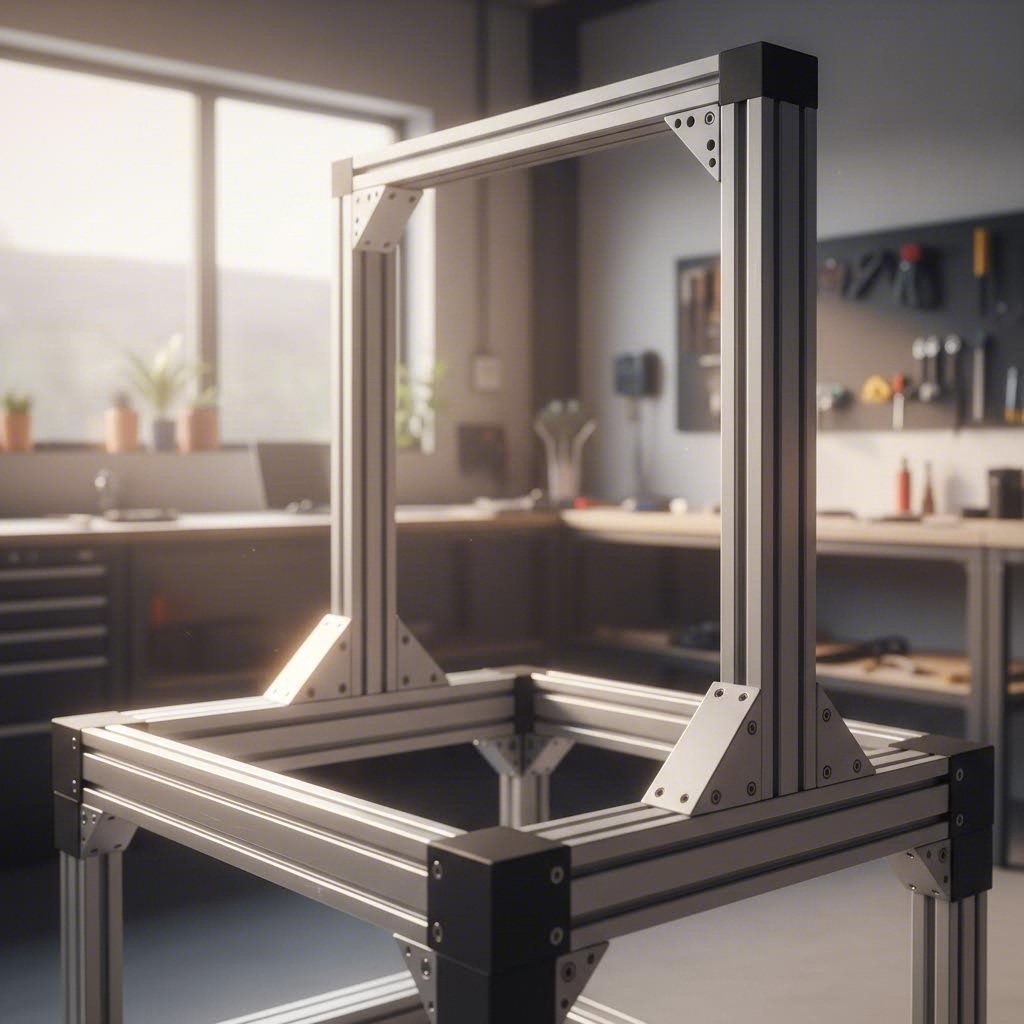
You've mastered the specs, selected your hardware, and understand the connector ecosystem. Now let's get practical—what can you actually build with 4040 aluminum extrusion? This profile size has earned its popularity across industries and maker spaces because it handles serious applications without industrial-grade complexity. Whether you're an engineer specifying equipment frames or a hobbyist planning your dream workshop, understanding application-specific requirements helps you design structures that perform flawlessly.
When precision matters, your frame becomes the foundation of accuracy. CNC routers, laser cutters, and 3D printers all share a common requirement: the structure must remain absolutely rigid while the machine operates. Any flex or vibration translates directly into poor cut quality or dimensional errors in your finished parts.
What does a 4040 machine frame need to deliver?
For CNC applications, support spacing becomes critical. As a general guideline, keep unsupported spans under 500-600mm for 4040 profiles carrying dynamic loads. Longer spans invite deflection under cutting forces, degrading your machine's accuracy. Adding mid-span supports or cross-bracing dramatically improves rigidity without redesigning the entire structure.
Building a 3D printer enclosure? The 40 40 aluminium extrusion provides the structural backbone while accommodating panel mounting for temperature control. Consider these enclosure-specific requirements:
Imagine a workbench that adapts to your changing needs instead of limiting what you can do. That's the fundamental advantage of aluminum extrusion 4040 workstations—they're never "finished" in the traditional sense. You can add shelving, reposition tool holders, integrate lighting, or completely reconfigure the layout as your work evolves.
For workbench applications, focus on these structural considerations:
The DIY maker community has embraced 4040 for workshop furniture because it delivers industrial quality without requiring industrial budgets or equipment. You can cut profiles with a standard miter saw (use a fine-tooth blade), drill mounting holes with common tools, and assemble complete workstations in a weekend.
For professional assembly stations, consider these enhancements:
When equipment poses hazards to personnel, protective guarding becomes a safety-critical application. The 4040 profile meets requirements for light-to-medium machine guarding applications, though specific regulations may dictate minimum structural requirements in your jurisdiction.
Safety enclosure design demands attention to these factors:
For protective guarding, the 40 40 aluminium extrusion's modular nature proves especially valuable. As equipment changes or safety requirements evolve, you can modify guarding without scrapping the entire structure. Adding access doors, relocating panels, or expanding enclosure dimensions becomes straightforward with T-slot construction.
Whether you're tackling any of these applications, successful 4040 projects follow a similar planning progression:
The beauty of 4040 construction lies in its forgiveness. Made a measurement error? Reposition components without permanent damage. Need to add features later? The T-slots accept new hardware at any time. This flexibility makes the profile ideal for both first-time builders learning the system and experienced fabricators executing complex designs.
With application requirements understood, the next consideration becomes equally important for long-term performance: selecting the right surface treatment to protect your investment and achieve the appearance your project demands.
Your 4040 aluminum extrusion profile is structurally sound and ready for assembly—but will it still look professional after a year of use? Will it resist corrosion in your workshop environment? Surface treatment choices determine both the long-term durability and visual appeal of your aluminium extrusion profile. Understanding your options helps you specify the right finish for your application, avoiding premature degradation or unnecessary expense.
Anodizing remains the most popular finish for alu extrusion profile applications, and for good reason. This electrochemical process converts the aluminum surface into a hard, corrosion-resistant oxide layer that's actually part of the metal—not a coating that can chip or peel away.
What happens during anodizing? The profile is submerged in an acid electrolyte bath while electrical current passes through, creating a controlled oxidation layer typically 10-25 microns thick. This layer is harder than the underlying aluminum and creates microscopic pores that can absorb dyes before being sealed.
You'll encounter several anodizing variations:
Anodized finishes won't fade from UV exposure, resist scratching during handling, and maintain their appearance for decades in indoor environments. The sealed oxide layer also provides excellent corrosion resistance for typical workshop and manufacturing conditions.
Need bold colors, textured finishes, or maximum impact resistance? Powder coating delivers what anodizing cannot. This process applies electrostatically charged dry powder to the profile surface, then cures it in an oven where the powder melts and flows into a continuous, durable film.
Powder coating advantages include:
The trade-off? Powder coating sits on top of the aluminum rather than integrating with it. Heavy impacts can chip the coating, and the thickness may affect tight-tolerance hardware fit. For profiles where T-slot dimensions are critical, verify that your supplier masks slot areas during coating or applies thinner films in hardware engagement zones.
Your application environment should drive finish selection. Here's how the major treatment options compare across key performance criteria:
| Treatment Type | Corrosion Resistance | Aesthetic Options | Relative Cost | Best-Use Environments |
|---|---|---|---|---|
| Clear Anodizing | Good (indoor applications) | Natural aluminum appearance only | $ | Indoor workshops, clean manufacturing, machine frames |
| Colored Anodizing | Good (indoor applications) | Multiple standard colors, custom available | $$ | Retail displays, enclosures, architectural applications |
| Powder Coating | Very Good | Unlimited colors, textures available | $$-$$$ | Industrial environments, outdoor covered areas, high-wear applications |
| PVDF Coating | Excellent | Wide color range, superior UV stability | $$$$ | Outdoor exposure, coastal environments, architectural facades |
For typical workshop and manufacturing environments, clear or black anodizing handles the job economically. These finishes resist oils, mild chemicals, and handling wear without degradation. Maintenance is minimal—occasional wipe-downs with mild soap and water keep profiles looking professional for years.
Cleanroom and food-processing applications demand smoother finishes with excellent cleanability. Anodized surfaces work well here, though some specifications require sealed anodizing or specialized coatings to meet hygiene requirements.
Outdoor installations change the equation significantly. Standard anodizing provides limited UV and weather protection. For profiles exposed to sunlight, rain, or salt air, specify either:
Manufacturers with comprehensive finishing capabilities can match treatments to your specific environmental challenges. For example, Shengxin Aluminium offers surface treatment options including anodizing in custom colors, powder coating, PVDF, and micro-arc oxidation—allowing you to specify exactly the protection your application demands.
All finishes benefit from periodic cleaning, but maintenance intensity varies:
For industrial applications where profiles contact cutting fluids or chemicals, verify compatibility with your intended finish before installation. Some aggressive coolants can attack anodized surfaces over time.
With surface treatment selected, one critical decision remains: finding a supplier who delivers consistent quality and supports your project from concept through completion.
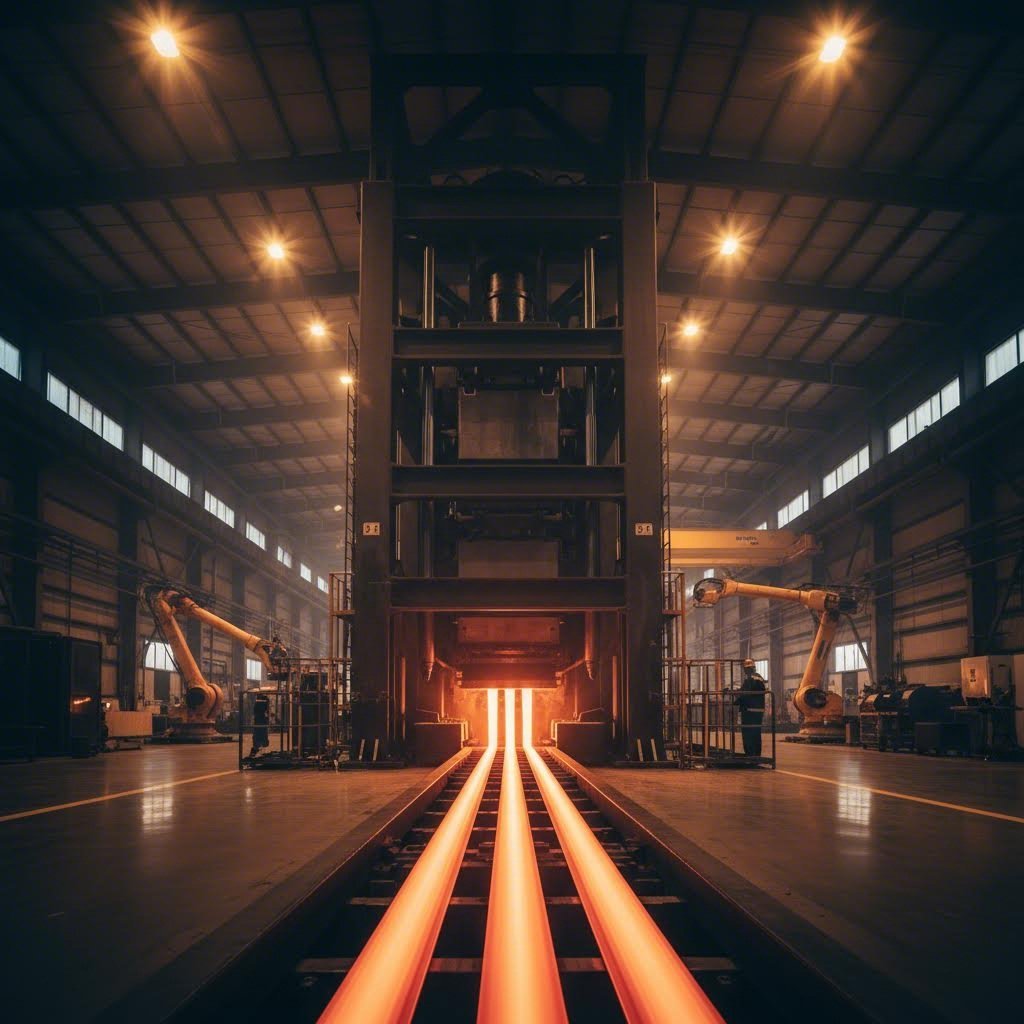
You've designed your frame, selected your finish, and calculated your material quantities. Now comes a decision that affects every aspect of your build: where do you source your profiles? Not all 4040 aluminum extrusions are created equal. The difference between a quality supplier and a corner-cutting vendor shows up in dimensional consistency, hardware compatibility, and long-term structural performance. Understanding what separates excellent extrusions from mediocre ones protects your investment and prevents frustrating assembly problems.
How can you evaluate profile quality before committing to a large order? Experienced builders develop an eye for telltale signs that distinguish premium extrusions from substandard material. Here's what to examine:
When searching for "80 20 aluminum extrusion near me," don't assume local availability guarantees quality. Evaluate potential suppliers against these criteria regardless of their location. A slightly longer shipping time from a quality manufacturer beats immediate availability of inferior profiles.
Beyond the profiles themselves, your supplier's capabilities and processes determine project success. Here's what distinguishes capable partners from basic resellers:
The extrusion process fundamentally depends on press tonnage and die quality. Larger presses (measured in tons of force) produce more consistent profiles with better surface finishes and tighter tolerances. Why does this matter? Higher press tonnage allows for controlled extrusion speeds and uniform material flow—both essential for maintaining 8020 aluminum extrusion dimensions throughout production runs.
Look for suppliers operating multiple press sizes. A manufacturer with presses ranging from 600T to 5500T can match equipment to profile complexity, optimizing quality for each specific product. For example, Shengxin Aluminium operates 35 extrusion presses spanning this range, allowing them to produce everything from simple profiles to complex multi-cavity designs with consistent precision.
Every extrusion profile starts with a die—the precision-machined steel tool that shapes molten aluminum into your profile geometry. Quality die development involves:
For standard 4040 profiles, established suppliers use proven dies refined over thousands of production runs. Custom profiles require die development expertise—a significant differentiator between basic distributors and full-service manufacturers.
Raw extrusions rarely go directly into assemblies. Most projects require cutting, drilling, tapping, or more complex machining. Suppliers with integrated CNC machining centers deliver profiles ready for immediate assembly, eliminating your need for secondary operations.
Evaluate these processing capabilities:
Manufacturers like Shengxin Aluminium combine extrusion production with CNC machining centers, providing end-to-end support from die development through finished, ready-to-assemble components. This integrated approach ensures dimensional consistency between extrusion and machining operations.
Watch for these warning signs when evaluating suppliers:
Should you work with off-the-shelf 4040 profiles or invest in custom extrusions? The answer depends on your volume, requirements, and timeline.
For most projects, standard 4040 profiles deliver excellent value:
Custom extrusions make sense when standard options don't meet your needs:
Custom die development typically requires 4-8 weeks and involves tooling costs ranging from hundreds to thousands of dollars depending on complexity. However, manufacturers with 30+ years of experience—like Shengxin Aluminium—streamline this process, providing technical support from initial concept through mass production.
When evaluating suppliers, prioritize those offering complete solutions: extrusion production, secondary processing, surface treatment, and technical support under one roof. This integration ensures accountability and simplifies your supply chain.
With quality sourcing strategies in place, you're equipped to move confidently from planning to execution. The final consideration? Putting everything together and avoiding the common pitfalls that trip up first-time builders.
You've absorbed the specifications, compared profile types, and explored applications. Now it's time to transform that knowledge into action. Whether you're sketching your first CNC frame or specifying equipment for a production facility, these final considerations ensure your 4040 aluminum extrusion profile project succeeds from day one.
Before placing your order, revisit these critical decision factors that determine project success:
Choose 4040 when your application demands medium-duty structural performance—workbenches supporting 50-150 kg, CNC machine frames requiring rigidity, or enclosures needing robust panel mounting. For lighter projects, 2020 or 3030 saves money. For industrial machinery, consider 8080 or larger.
The 40 t profile size excels in specific scenarios:
Remember that rectangular profiles like 4060 aluminum extrusion or 80x40mm options serve specialized purposes—spanning long distances efficiently in one direction. They complement rather than replace square 4040 profiles in well-designed frames.
Ready to start building? Follow this progression to avoid common pitfalls:
Even experienced builders encounter these issues. Knowing the solutions saves hours of frustration:
The modular nature of aluminum extrusion framing offers something traditional fabrication cannot: forgiveness. Made a measurement error? Reposition components without permanent damage. Need additional features later? T-slots accept new hardware at any time. This flexibility makes 4040 profiles ideal for both first-time builders learning the system and experienced fabricators executing complex designs.
For DIY makers starting small projects, begin with a simple build—perhaps a monitor stand or small enclosure—to develop your assembly skills before tackling larger structures. The techniques transfer directly to more ambitious projects.
For industrial buyers planning larger installations, invest time in thorough design review before ordering. Consider creating a small prototype section to verify hardware compatibility and assembly procedures. The cost of a few test pieces pales compared to reworking a full production order.
Your 4040 frame is only as good as its weakest connection. Prioritize quality hardware, verify dimensional compatibility, and don't rush assembly. A well-built aluminum frame will serve reliably for decades.
With specifications understood, hardware selected, and assembly strategies in place, you're equipped to build structures that perform exactly as designed. The 4040 aluminum extrusion profile has earned its reputation as the versatile workhorse of modular framing—now it's your turn to put that capability to work.
4040 aluminum extrusion made from 6063-T5 alloy offers a yield strength of approximately 145 MPa and tensile strength around 186 MPa. A single 4040 profile spanning one meter can typically support 50-100 kg of centered load with minimal deflection. The moment of inertia ranges from 8.0-9.5 cm⁴, providing roughly four times the rigidity of 2020 profiles. For higher strength requirements, 6061-T6 alloy delivers approximately 40% greater strength, making it suitable for heavy machine bases and high-stress applications.
The 4040 designation indicates a 40mm x 40mm square cross-section profile. Standard specifications include: weight of 1.35-1.50 kg per meter, T-slot width of 8mm accommodating M8 hardware, slot opening of 6.2-6.5mm for drop-in hardware access, wall thickness of 1.8-2.5mm, and cross-sectional area of 450-550 mm². These dimensions make 4040 the ideal middle-ground choice between lighter 2020/3030 profiles and heavier 8080 industrial options.
T-slot 4040 profiles feature a T-shaped undercut channel optimized for maximum structural connections using T-nuts, making them ideal for workbenches, enclosures, and safety guarding. V-slot profiles have a V-shaped 45° groove that allows V-wheels to roll along the profile, enabling linear motion without separate rail systems. Choose T-slot for pure structural framing with superior clamping force, and V-slot when building CNC machines, 3D printers, or any project requiring integrated linear motion capabilities.
Standard 4040 profiles with 8mm T-slots primarily use M8 bolts and corresponding T-nuts for structural connections. Hardware options include drop-in T-nuts for adding components to existing frames, slide-in T-nuts for superior grip, and hammer T-nuts for rapid assembly. Essential accessories include 90-degree and 135-degree corner brackets, joining plates, leveling feet, and casters. Manufacturers like Shengxin Aluminium offer comprehensive hardware ecosystems with CNC machining services for custom drilling and tapping.
Select 4040 aluminum extrusion for medium-duty applications including CNC router frames, 3D printer enclosures, workbenches supporting 50-150 kg, equipment guarding, and assembly stations. Choose lighter 2020 or 3030 profiles for small desktop devices and decorative projects where maximum rigidity isn't critical. Upgrade to 8080 profiles for industrial machinery, gantry systems, and applications demanding maximum structural strength. Rectangular profiles like 4080 work best for long spans requiring unidirectional strength.



 Интернет Сервис
 0086 136 3563 2360
 sales@sxalu.com
 +86 136 3563 2360
 русский
 English
 français
 Deutsch
 español
 português
 العربية
 ไทย
ไทย Việt
Việt Українська