Hardware looks simple until a door sags, scrapes, or refuses to swing cleanly. That is where a basic understanding helps.
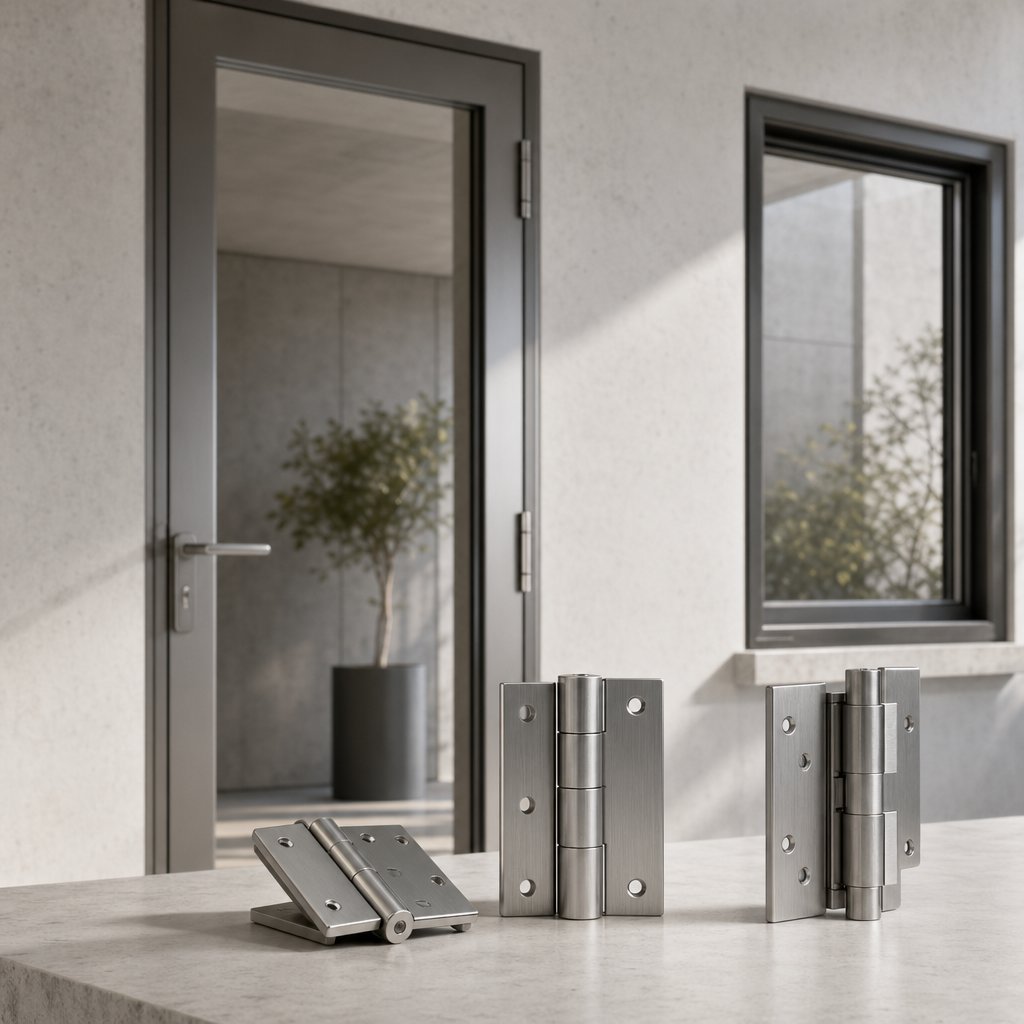
An aluminium hinge is a pivoting connector that joins a door, window, screen, gate, or framed panel to its frame. Two flat parts called leaves fasten to the moving panel and the fixed frame. Their curled edges form the knuckle, and a pin runs through that knuckle so the panel can rotate. Aluminum is often chosen because it is lightweight, corrosion resistant, and easy to finish for a clean architectural look.
If you search for an aluminum hinge, aluminum hinges, or aluminium hinges, the core idea is the same. In Made-in-China Insights, aluminum hinges are described as lightweight, rust-resistant, adaptable, and available in anodized or painted finishes, which helps explain their broad use in door and window hardware.
These hinges commonly appear on residential and commercial doors, aluminum-framed windows, screen and storm assemblies, light gates, cabinets, and framed access panels. They are especially appealing where moisture resistance, lower mass, and a neat appearance matter together.
That vocabulary matters because the right choice usually starts with the opening itself. A screen door, a tall entry door, and a framed panel may all use aluminum, but they rarely use the same hinge family.
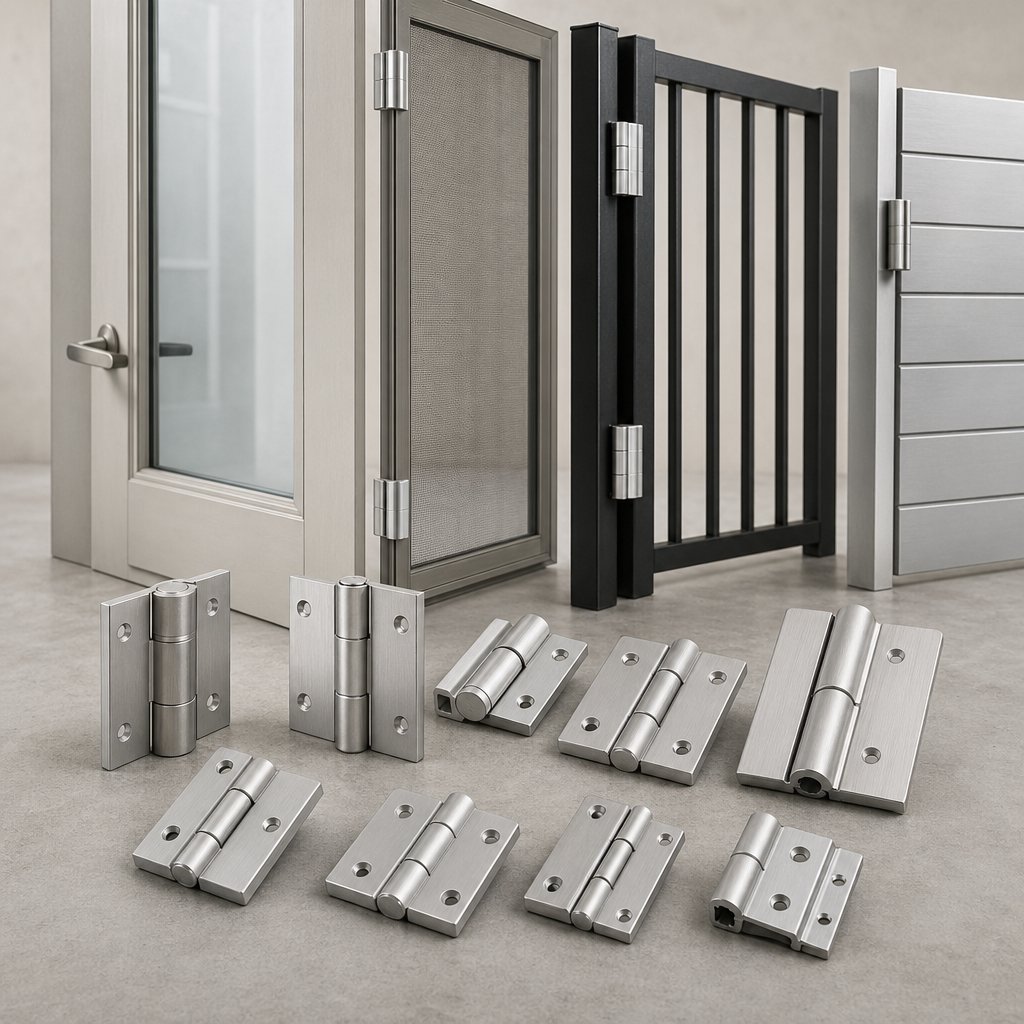
That family question matters more than most catalogs admit. A hinge that works beautifully on a storefront door can be the wrong fit for a screen panel, and a gate may need a completely different approach even if the finish looks similar.
Start with the opening, not the part name. For most aluminum door hinges, five filters do the heavy lifting: door size, cycle frequency, hinge visibility, required opening angle, and exposure. A moderate-size entry door with a prepared jamb often points toward a standard butt or full mortise hinge. A tall, busy opening may benefit from support distributed over the full height. A decorative gate may need a hinge that stays visible on purpose rather than disappearing into the frame.
A SECLOCK guide notes that full mortise hinges are the most common door hinge style in the U.S., and when they are measured, the convention is height first, then width. That detail sounds small, but it matters quickly when you are matching an existing prep or comparing like-for-like replacements.
| Common application | Typical hinge family | Typical mounting style | Key watch-outs |
|---|---|---|---|
| Aluminum-framed entry or interior door | Standard butt or full mortise hinge | Mortised into door edge and frame | Match prep, corner style, template pattern, and size listed as height x width |
| Storefront or other high-traffic door | Continuous hinge | Full-height mounting on door and frame | Check frame condition, service access, appearance, and exact mounting format |
| Long panel, lid, or access cover | Piano or continuous hinge | Surface or edge mounted along most of the length | Do not assume every long hinge is intended for a full-size swinging door |
| Screen door | Light-duty screen door hinge | Usually surface mount or light mortise, depending on frame design | Replacement matching can fail on hole pattern, leaf shape, and closer compatibility |
| Storm door | Storm door hinge or spring-assisted hinge setup | Varies by door design | Weather exposure and self-closing hardware matter as much as finish |
| Light pedestrian gate | Strap, tee, butt, or self-closing hinge | Usually surface mounted, sometimes mortised | Start with gate width and weight, then look at swing direction and visibility |
| Heavy or metal gate | Pintle, heavy-duty, or weld-on hinge | Bolted or welded | Not every aluminum option is suitable for high load or abuse-heavy service |
Some openings need support along the whole edge, not just at two or three points. That is where continuous hinges stand out. The same SECLOCK guide describes them as hinges that extend the full height of the door and notes that they are widely used on aluminum storefront and hollow metal applications, especially where added durability is useful in high-traffic conditions.
Many shoppers use the term aluminium piano hinge when looking for that long-hinge format. The practical split is simple. If you are dealing with a panel, cover, or light enclosure door, a piano-style hinge may be the natural comparison. If the opening is a full-size swinging door tied to a frame system and daily traffic, a door-focused continuous hinge is usually the better category to study.
Opening angle can change the decision too. When trim, frame projection, or adjacent material blocks the swing path, a wide-throw hinge may be more appropriate than either a standard butt hinge or a long hinge. SECLOCK notes that wide-throw hinges are used where a door needs to open up to 180 degrees despite molding or similar obstructions.
Searches for aluminum screen door hinges and aluminum storm door hinges often come from replacement needs, and that is exactly where assumptions create trouble. These openings are usually lighter than main entry doors, but they can be exposed to frequent weather, repeated slamming, or closing hardware that changes how the hinge behaves. Matching the shape and mounting condition matters more than picking a finish that looks close.
Gates change the priorities again. A gate hinge guide puts weight and width first, then narrows the field by material, operation, and installation method. Strap and tee hinges are surface mounted and often chosen for light to medium gates where the hinge remains visible. Butt hinges can work for lightweight gates. Pintle, self-closing, heavy-duty, and weld-on options make more sense as the gate gets heavier, swings more often, or must return to a closed position, as with many pool or security gates.
That is why browsing aluminium gate hinges by appearance alone rarely ends well. Once the hinge family is right, the finer question is fit, and nowhere is that more important than continuous hinge mounting, where full mortise, half mortise, half surface, and full surface versions can look deceptively similar on a product page.
On a product page, full mortise, half mortise, half surface, and full surface can look almost interchangeable. On an actual opening, they solve very different geometry problems. The real question is where each leaf sits when the door closes: in the edge, on the face, or partly in both places.
For tall or frequently used doors, a continuous hinge can be a practical alternative to a few separate hinges because support runs along the full height of the opening. SECLOCK notes that continuous hinges are widely used on aluminum storefront and hollow metal applications, and SELECT maps the common mounting formats by how they contact the door and frame.
A full mortise continuous hinge, sometimes called a concealed style in geared product lines, attaches at the door edge and the jamb. That makes it the cleanest-looking option when the door and frame are relatively flush and you want less hardware showing when the door is closed.
A half mortise version keeps one leaf at the door edge but mounts the other on the visible face of the frame. This format helps when the frame condition, projection, or retrofit situation makes face mounting on the frame side more workable than a fully concealed setup.
Half surface flips that arrangement. One leaf mounts on the face of the door, while the other sits in the frame side. It is often easier to use when the door construction or access on the moving leaf favors surface mounting, but you still want the frame side tied into a prepared condition.
Full surface places both leaves on visible faces. It is the most obvious visually, but it can simplify some retrofit jobs because it reduces the need for deep edge prep. The tradeoff is projection. More hardware sits proud of the opening, so reveal, trim, and swing clearance deserve a closer look.
| Mounting format | Door condition | Frame condition | Visibility when closed | Clearance watch-outs | Installation complexity |
|---|---|---|---|---|---|
| Full mortise | Door edge must suit edge mounting and alignment | Jamb side must suit concealed or edge-side attachment | Lowest of the four | Check inset, edge alignment, and flush closing condition | Higher, because fit and prep must be precise |
| Half mortise | Door edge accepts the hinge leaf | Frame face is available for surface attachment | Moderate | Watch frame projection, reveal, and visible leaf placement | Moderate |
| Half surface | Door face is available for surface mounting | Frame side accepts the other leaf in a prepared condition | Moderate to high | Check door face projection, latch-side movement, and hardware interference | Moderate |
| Full surface | Door face is available and edge prep is limited or undesirable | Frame face is also available for direct mounting | Highest | Verify added projection, trim conflicts, and full swing path | Low to moderate for prep, but geometry still needs care |
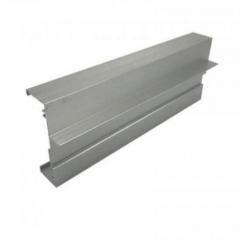
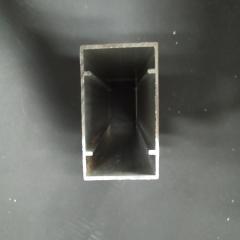
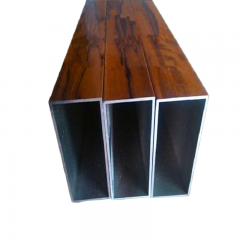
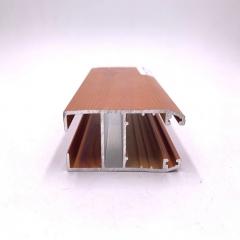
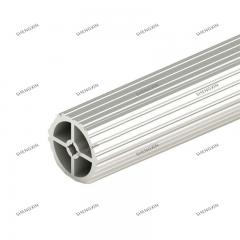
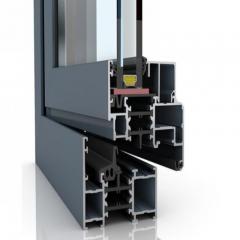
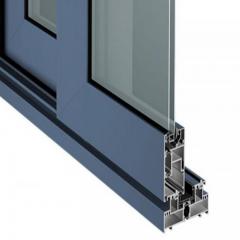
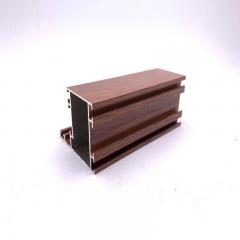
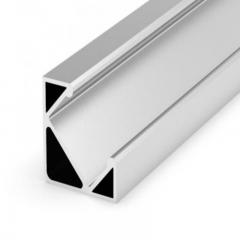
An extruded aluminum hinge is not just a long strip of metal. In many continuous designs, the aluminum hinge extrusion creates the actual cross-section that controls inset, offset, cover shape, and joint geometry. SELECT notes that its extruded profiles can include a leaf flange formed during extrusion, and that flange helps locate depth and alignment on the door and frame.
That is why the hinge aluminum profile matters as much as the mounting label. A narrow stile, a beveled edge, a proud frame face, or a threshold-driven clearance issue can all change which profile fits cleanly. On geared models, the joint is also different from a traditional pin barrel, so small profile differences can affect movement and appearance more than first-time buyers expect.
Always review the profile drawing before you treat two long hinges as equivalent. Mounting format solves the door geometry first. Load, abuse level, finish, and exposure still decide whether aluminum is the right material for the opening.
A hinge can fit the opening perfectly and still be the wrong material. Aluminum earns its place because it is light, corrosion resistant, and visually at home on aluminum-framed doors and panels. Still, material choice should follow duty, wear, and exposure, not just profile fit or finish color.
Many searches for heavy duty aluminium hinges or aluminum heavy duty hinges are really questions about load. The label helps, but it does not answer everything. Monroe links hinge load capacity to leaf size, pin size, and material. Essentra adds that heavy-duty versions often use thicker material than standard hinges.
That combination matters. Some heavy duty aluminum hinges can serve demanding openings well, especially when lower weight is useful, but the real test is the opening itself. Door size, frequency of use, and mounting condition still decide whether the hinge is genuinely suitable. In other words, heavy duty is a configuration choice, not a magic word.
Choose hinge material by duty cycle and environment before you choose it by finish.
Some openings ask for more than low weight and a clean look. A very heavy door, a rough-service gate, or a security-sensitive opening may be better served by stainless steel or a different hinge design. Essentra is direct here: when toughness comes first, stainless steel outperforms aluminum. That lines up with Monroe, which shows that capacity depends on more than material alone.
So aluminum should be treated as a smart option, not a default option. The hinge still has to match the door thickness, frame depth, and profile system if it is going to work cleanly over time.
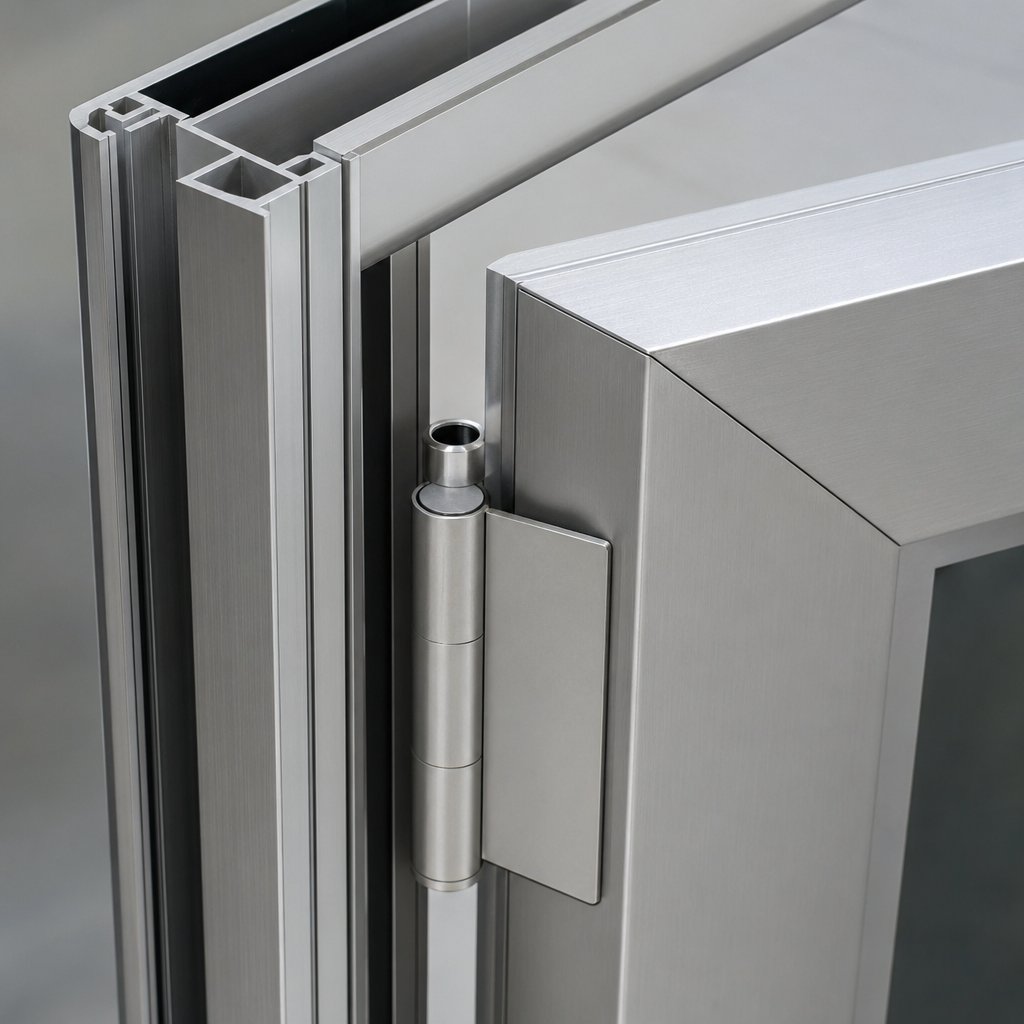
Material choice tells you what the hinge is made of. Fit tells you whether the door will actually move the way it should. That is why two aluminum-framed openings that look similar at a glance can need very different hardware once you account for thickness, frame depth, clearance, and the shape of the surrounding profile.
When comparing door hinges for aluminium doors, start with geometry before finish. In the Essentra sizing guide, hinge selection is tied to door size, suspended weight, door construction, and intended traffic. The same guide explains why leaf width, overall open hinge width, backset, and clearance matter. If the knuckle does not project far enough, the door can rub the frame or trim instead of swinging cleanly.
Door thickness also affects size. Essentra notes that hinge height increases as doors get thicker and wider, and it gives example ranges from 3-1/2 inches on lighter doors to larger commercial sizes on thicker, wider openings. It also expresses overall hinge width with a simple rule: door thickness minus backset, multiplied by two, then add required clearance. That is a useful check when a hinge looks right in a catalog but the frame detail says otherwise. The Goodcen overview adds another practical point: compatibility with the door frame and hinge design should be considered alongside appearance.
| Door or panel condition | Suitable hinge category | Typical mounting approach | Key compatibility checks |
|---|---|---|---|
| Standard aluminum-framed swing door with prepared jamb | Butt or full mortise hinge | Mortised or factory-prepared | Door thickness, hinge height, handedness, existing prep, reveal |
| Tall or frequently used aluminum door | Continuous hinge | Full-height mount matched to frame condition | Frame straightness, profile detail, service clearance, opening arc |
| Door with limited edge prep or face-mounted frame condition | Half surface or full surface continuous hinge | Surface mounting on one or both sides | Leaf width, visible projection, trim interference, swing path |
| Screen or light storm door | Light-duty replacement hinge | Usually surface mounted | Hole pattern, leaf shape, closer compatibility, handedness |
| Removable service or access panel | Lift-off or flag-style hinge | Surface mount or bracket mount | Removal direction, pin orientation, handle and cable clearance |
| Modular aluminum profile panel or guard door | Profile-mounted leaf hinge or continuous hinge | Slot, bracket, or face mount | Slot system, fastener access, panel thickness, opening angle |
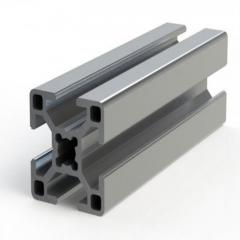
In modular framing, often searched as an 8020 hinge or 80 20 hinge, the profile is part of the hinge decision, not just the backdrop. The slot layout determines where fasteners can land. The panel thickness affects hinge size. The frame face and adjacent members influence whether the knuckle has enough projection for a clean swing.
This is where buyers often oversimplify aluminium hinges for doors. A hinge that works on a flat jamb may not work as well on a T-slot profile with limited mounting surface or obstructed fastener access. If the assembly needs easy realignment after installation, adjustable hinge options can be useful, a point also raised in the Goodcen reference. The main idea is simple: treat the extrusion, bracket, and panel as one system.
A hinge can match the door material and still be wrong for the opening. Good fit comes from dimensions, movement, and mounting logic working together. Get those details on paper first. It makes supplier conversations easier, and it sharply reduces the alignment problems that show up during installation.
Good fit on paper still has to survive real installation. Most sticking, sagging, and scraping problems start with setup errors, not bad hardware. A practical installation guide emphasizes the same pattern: check the frame first, mark carefully, pre-drill properly, and test movement before final tightening.
Before fastening anything, confirm that the frame is square, secure, and free from visible twist. Then inspect the door for damage, bowing, or existing wear around old screw holes. This matters because even well-made aluminium door hinges cannot compensate for a frame that is out of line.
Dry-position the hinge leaves and verify the basics:
For new work, pilot holes help control placement and reduce slipping. For replacement work, inspect for stripped or enlarged holes before reusing the same locations.
This order matters because common closing problems often trace back to misaligned hinges, incorrect screw depth, or a poorly set frame rather than the hinge itself.
Fasteners deserve more attention than they usually get. The same reference advises using screws designed for aluminum and drilling pilot holes slightly smaller than the screw diameter, with steady pressure and controlled speed. Just as important, make sure screw heads seat cleanly and do not interfere with the hinge leaf, frame edge, or moving door profile.
Replacement work needs extra caution. An aluminum screen door hinge replacement should match the original hole pattern, leaf shape, and any closer-related setup. Specialty hardware, including offset pivot hinges for doors, also needs careful geometry matching rather than a quick visual substitute. That is where many buying mistakes first show up: the hardware looks close, but the movement says otherwise.
If you arrived from a search like home depot door hinge, screen door hinges home depot, storm door hinges home depot, or home depot lift off hinge, you are probably trying to solve a replacement problem fast. That pressure leads to the same mistake over and over: buying the closest-looking part instead of the correct one. A hinge can seem right in a product photo and still create sag, scraping, or a door that will not close cleanly.
Good selection starts with the door. A practical door checklist from Design House puts the basics first: door type, location, size, thickness, weight, material, and existing hinge count. Miss those details, and early trouble is much more likely.
Two hinges can share the same brushed finish and still behave very differently. Leaf width, pin style, hole pattern, and knuckle projection affect motion far more than appearance. In placement guidance, Rocky Mountain Hardware notes that uneven placement, wrong edge distance, or poor alignment can cause sagging, scraping, and bad closing. A good-looking hinge cannot overcome bad geometry.
Fit and swing geometry matter before finish or brand.
A few measurements and clear photos usually prevent the most expensive errors. They also give you something better than a guess when you start comparing suppliers: a real specification.

A few measurements help you avoid the wrong part. Supplier choice determines whether the right hinge is actually made well, documented clearly, and delivered on time. At this stage, an aluminium hinge is less about browsing and more about screening partners.
Start with capabilities, not product photos. A practical supplier checklist from D&D Hardware highlights the factors buyers should weigh most carefully: product quality, durability, customization, delivery reliability, technical support, and market reputation. For aluminum hardware, add a few material-specific questions. Can the supplier control extrusion quality. Can they offer corrosion-resistant profiles and finish consistency. Can they match your frame condition, mounting style, and opening requirements instead of suggesting a near match.
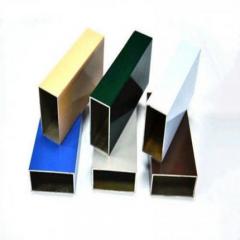
If your project involves aluminum-framed windows or doors, Shengxin Aluminum is a useful example of what to look for in an aluminum hinge manufacturer. Their catalog reflects the traits serious buyers should check in any source: high-precision extrusion, corrosion-resistant profiles, strict quality control, and clean visual finish for architectural use. That is useful whether you need standard parts, wholesale supply, or custom manufacturing support.
| Supplier example or category | Best fit | What to verify | Good service signal |
|---|---|---|---|
| Shengxin Aluminum | Aluminum window and door systems, custom or wholesale runs | Extrusion precision, corrosion resistance, finish consistency, QC process | Clear catalog, custom manufacturing discussion, responsive technical follow-up |
| Architectural hardware supplier | Standard and commercial door packages | Application range, certifications, lead times, warranty support | Provides drawings, submittals, and mounting guidance |
| Modular profile hardware supplier | T-slot frames, guards, machine doors, access panels | Profile compatibility, slot access, adjustability, fastener logic | Can review profile details before quoting |
| Custom industrial hinge shop | Non-standard panels and special motion requirements | Leaf geometry, opening angle, special mounting, realistic production time | Engineering review instead of a generic substitution |
Strong aluminum hinges suppliers should do more than list finishes. They should help you reduce risk.
Many buyers searching aluminum door hinges commercial are really trying to qualify vendors fast. Price matters, but fit, documentation, and responsiveness usually matter sooner. That is especially true for commercial aluminium door hinges and for specialized items such as aluminium folding door hinges, where movement and profile interface can be harder to correct after purchase.
A strong shortlist is usually short for a reason. When the opening conditions are clear, the best suppliers stand out quickly, and catalog shopping turns into a much safer specification decision.
An aluminium hinge is a pivoting hardware part that connects a moving panel to a fixed frame. It works through two leaves joined by a knuckle and pin, allowing the door, window, screen, or panel to swing while staying aligned. Buyers often choose aluminum because it is light, visually compatible with modern frames, and generally well suited to damp or outdoor conditions when the finish is appropriate.
A continuous aluminium hinge is usually the better option when support needs to run along most or all of the door height. This makes sense for tall openings, frequently used doors, or long panels where edge support and alignment matter more than a basic replacement fit. Standard butt hinges still work well on many everyday doors, but a full-length hinge becomes more attractive when traffic, door height, or frame conditions make point-mounted hinges less ideal.
It can be, but only when the duty level and environment are matched correctly. Aluminum performs well in many exterior settings because it does not rust like iron-based materials, and it also suits aluminum-framed assemblies visually. Still, a heavy-duty label should not be treated as proof by itself. Very heavy doors, rough-use gates, or security-focused openings may need a different hinge design or a tougher material such as stainless steel.
Start with the opening rather than the catalog photo. Check door thickness, frame depth, mounting style, handedness, opening angle, and whether the hinge knuckle projects far enough for the door to clear the frame and trim. For screen or storm door replacement, hole pattern and leaf shape are especially important. On modular profile systems such as 8020-style assemblies, you also need to confirm slot access, panel thickness, and where fasteners can actually be installed.
Ask for profile drawings, finish details, material information, lead times, quality control procedures, and any available customization support before placing an order. A strong supplier should be able to discuss mounting compatibility and application fit, not just price and finish. For example, Shengxin Aluminum presents capabilities such as high-precision extrusion, corrosion-resistant profiles, and strict quality control, which are exactly the kinds of factors buyers should verify when sourcing standard, wholesale, or custom hinge solutions.



 Интернет Сервис
 0086 136 3563 2360
 sales@sxalu.com
 +86 136 3563 2360
 русский
 English
 français
 Deutsch
 español
 português
 العربية
 ไทย
ไทย Việt
Việt Українська