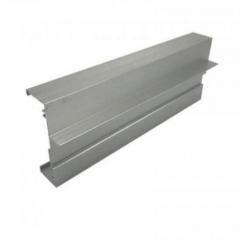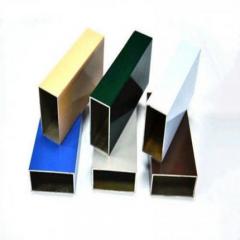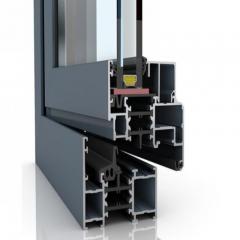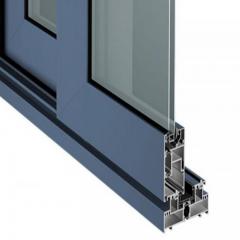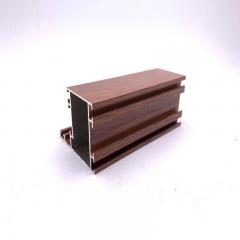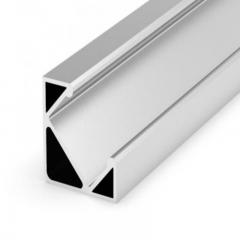
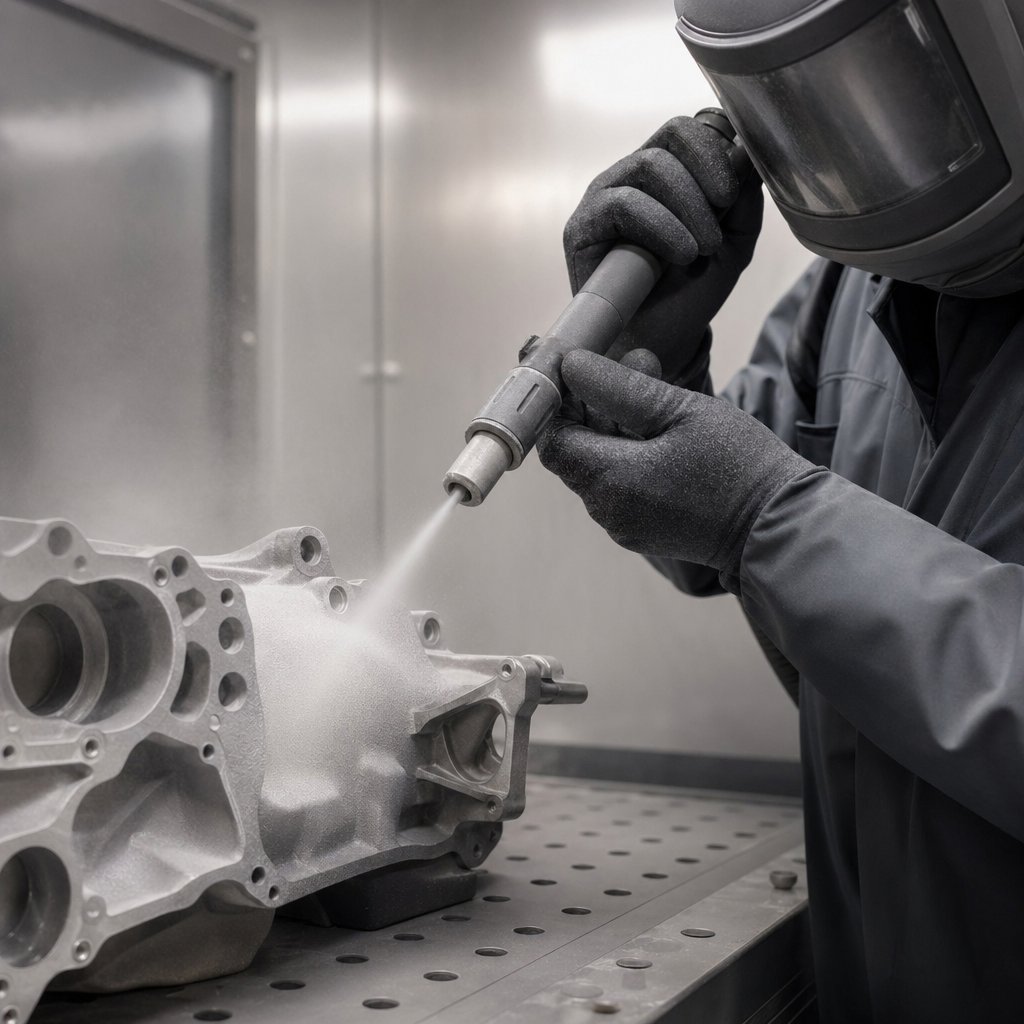
Sandblasted aluminium is aluminum whose surface has been cleaned, textured, or prepared by blasting it with controlled abrasive media. The goal may be to remove oxidation or old coatings, create a matte finish, smooth minor imperfections, or get the surface ready for painting, powder coating, or anodizing.
That simple definition helps, but real-world results vary a lot. In this aluminum sandblasting guide, aluminum is described as softer and more pressure-sensitive than steel. So sandblasting aluminum is less about force and more about control. Media choice, blast pressure, nozzle distance, angle, and dwell time all shape the final look.
At its core, this is a surface treatment. It can clean a dull part, strip a coating, or leave a uniform satin-to-matte texture. People usually search for sand blasting aluminium because they want one of four outcomes:
Yes, but only if the process is tuned to the part. Thin sheet, decorative trim, and detailed profiles are easier to damage than thick castings. Too much intensity can cause warping, which means the part bends from heat and force. Overly aggressive media can leave pitting, or tiny craters in the surface. The wrong abrasive can also embed particles into the metal, which may hurt paint adhesion or lead to contamination issues later.
Sandblasted aluminum usually has a soft, even matte or satin appearance with no directional grain. Brushed aluminum looks different. It has visible linear lines and a stronger metallic pattern. A selection guide notes that sandblasted anodizing can also hide minor scratches or extrusion marks better, while brushed anodizing makes cross-grain scratches easier to notice. That contrast matters, because the right process starts with the finish you actually want, not the tool you happen to have.
Many blasting problems start with the wrong first question. People ask which setup is strongest, when the better question is what the aluminum needs to look like and do afterward. The Yajia guide describes abrasive blasting as a way to clean, strip, texture, or prepare aluminum for later finishing. Because aluminum is softer than steel, the target finish should lead every decision. A uniform matte cosmetic surface, a paint-ready profile, and an anodizing-ready surface are not the same job, even if the same machine is used.
Start with the outcome in plain language. Are you removing light oxidation, stripping a failing coating, or trying to create a clean satin look? For paint stripping aluminium boat panels, removal speed matters, but so does protecting thinner areas from distortion. If you want to sandblast aluminum rims or sandblast aluminum wheels, appearance usually matters just as much as cleaning power.
| Surface goal | Sensitivity level | Expected appearance | Blasting approach that may fit best | Downstream finish |
|---|---|---|---|---|
| Light cleaning | High | Freshened surface with minimal texture change | Gentle media and a light pass focused on contamination removal | Inspection, touch-up, or finish preservation |
| Coating removal | Medium to high | Old paint or coating removed, some profile acceptable | More cutting action, controlled passes, test patch first | Repaint or powder coat |
| Cosmetic matte texture | High | Even satin to soft matte, no directional grain | Finer or rounder media with steady motion and tight control | Visible final surface or clear finish |
| Repaint prep | Medium | Uniform, slightly textured surface for adhesion | Media chosen for consistent profile without over-roughening | Primer, paint, or powder coating |
| Prep for anodizing | High | Clean, even, contamination-sensitive surface | Careful blasting with clean media and strong process consistency | Anodizing |
Blasting helps when the surface is oxidized, coated, dirty, or too inconsistent for reliable refinishing. It hurts when the part is highly polished, very thin, decorative, or only lightly soiled. The CARV guide points to gentler alternatives when finish preservation matters more than fast removal.
The finish you expect changes the abrasive you should even consider. Rounded media such as glass beads tend to leave a softer satin appearance, while angular media such as crushed glass or aluminum oxide cut faster and create a stronger surface profile, as outlined in the same guide. That can help with coating adhesion, but it can also make a cosmetic part look harsher than intended. On trim, wheels, and anodizing-bound parts, uniformity and cleanliness often matter more than aggression. One variable ends up shaping both risk and appearance more than most people expect: the media itself.
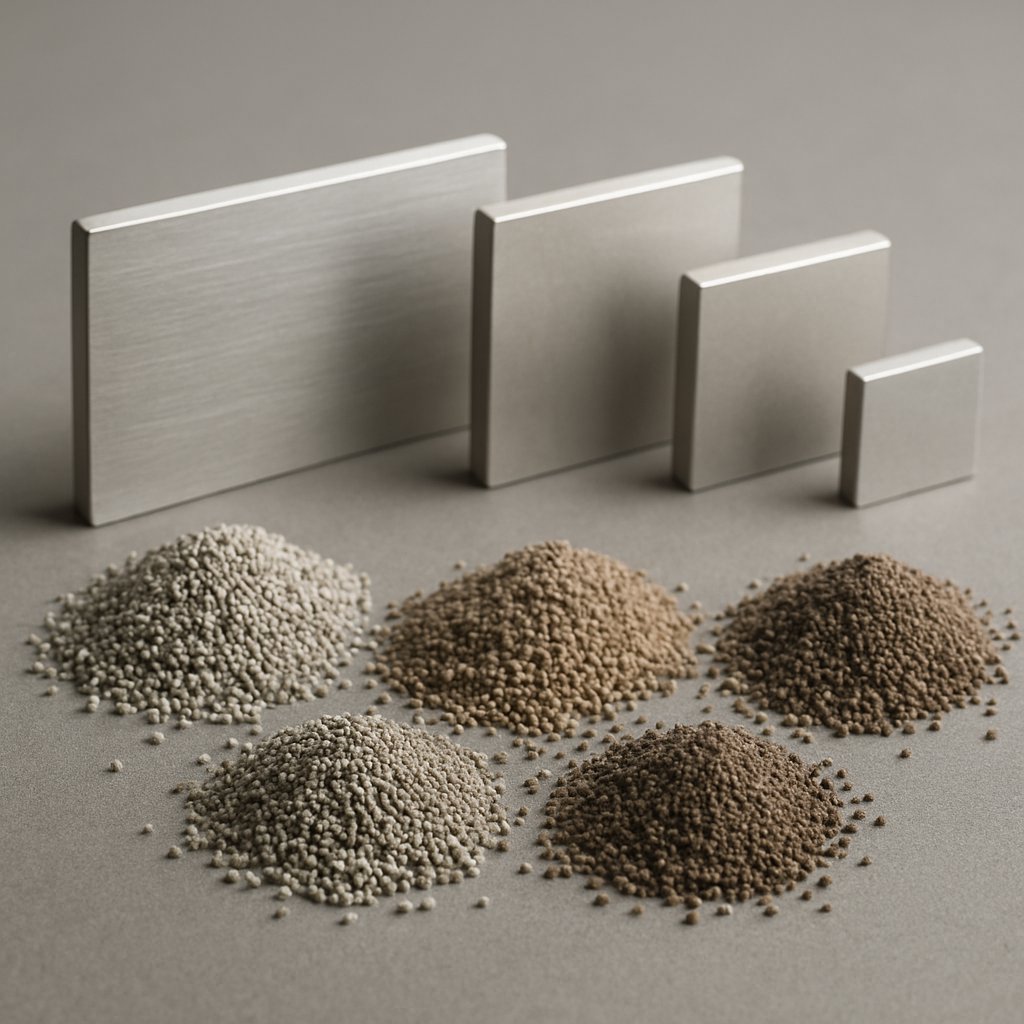
That single variable often changes the finish more than people expect. In aluminum work, media shape, hardness, density, and particle size all affect how the surface looks and how much risk the part sees, as explained by Yajia. The comparison below also draws on media descriptions from Sunrise Metal and RustBlasters.
On aluminum, abrasive media does two jobs at once. It removes something from the surface, and it leaves something behind in the form of texture. Rounded media such as glass beads tend to leave a brighter, smoother, satiny look. Angular media such as crushed glass and aluminum oxide cut more aggressively and build more surface profile. Finer particles generally leave smaller impact marks, while harder or denser media can remove coatings faster but also raise the chance of pitting, over-texturing, or embedded residue. One caution stays consistent across the references: steel shot or steel grit is a poor choice for aluminum because iron contamination can increase corrosion risk.
| Media | Relative aggressiveness | Coating removal ability | Contamination risk | Embedding likelihood | Expected texture | Repainting or anodizing fit |
|---|---|---|---|---|---|---|
| Soda | Very low | Light to moderate cleaning and paint removal | Low | Low | Very light surface change, minimal profile | Useful for gentle cleaning; limited when strong profile is needed |
| Plastic media | Low | Good on delicate paint removal | Low | Low | Minimal anchor pattern | Helpful for sensitive parts where finish preservation matters |
| Walnut shells | Low | Moderate on built-up coatings, cleaning, polishing | Low | Low | Gentle cleaned surface with little profiling | Better for cleaning than heavy coating prep |
| Glass beads | Low to medium | Moderate | Low | Low to medium | Bright, smooth, satin finish | Strong fit for cosmetic work, clear coats, and anodized-looking results |
| Crushed glass | Medium | Good | Low | Medium | Uniform matte with more bite | Good for paint prep and coating removal |
| Garnet | Medium to high | Good to high | Low | Medium | Fine rough finish | Well suited to primers and paints |
| Aluminum oxide | High | High | Low | Higher | Pronounced profile, more etched look | Best where strong adhesion matters more than a soft cosmetic finish |
If you are comparing the best sandblasting media for aluminum, think in finish families. Glass beads are commonly chosen when the goal is a cleaner, brighter satin appearance. Soda, plastic, walnut shells, and corn cob media lean gentler and are better suited to cleaning or delicate stripping with less surface change. Crushed glass and garnet sit in the middle, giving more cutting action and a more paint-ready texture. Aluminum oxide is among the most aggressive options in the cited sources, so it makes more sense when removal speed and coating adhesion matter more than a soft visual finish.
That is why there is no single best media for blasting aluminum. The right answer depends on thickness, coating condition, and what comes after blasting. Even then, the abrasive is only part of the story. The same media can behave very differently once water, dust control, and delivery method start changing the impact.
The same abrasive can leave very different results depending on how it reaches the metal. The IST guide describes dry blasting as compressed air driving media at high velocity, while wet blasting sends a water and abrasive mixture onto the workpiece. On aluminum, that change in delivery affects dust, surface feel, and how forgiving the process is on softer alloys and cosmetic parts.
Dry blasting is usually the more aggressive option. It tends to clean faster, supports a wide range of media, and is commonly used because equipment cost is generally lower. That makes it useful when sand blasting aluminum parts with stubborn coatings or heavier oxidation. The tradeoff is a much dustier environment and a more forceful impact that can leave a rougher surface if the part is finish-sensitive.
Wet blasting, also called slurry or vapor blasting in the same source, cushions the abrasive with water. That lowers dust, helps flush residue away on impact, and often leaves a smoother satin finish instead of a harsher etched look. IST also notes that water carries finer media well and can help when parts have some oily or greasy contamination.
People searching dustless blasting aluminum are usually trying to solve two problems at once: protect the finish and reduce airborne mess. Water-assisted systems can help with both, but the label alone does not tell you exactly how the machine will behave. Some setups are true wet or slurry processes. Others are simply lower-dust approaches. For aluminum blasting, the more useful question is whether water is softening the media strike and carrying debris away, not whether every shop uses the same term. The CARV guide also treats wet and vapor blasting as gentler alternatives for thin or delicate aluminum.
| Method | Surface impact | Dust control | Operator visibility | Cleanup burden | Finish softness | Typical fit |
|---|---|---|---|---|---|---|
| Dry blasting | Higher impact, more aggressive cutting | Low | Reduced by heavier dust | Dry debris and dust collection needed | Lower | Raw or coated aluminum needing faster cleaning or stronger surface prep |
| Wet blasting | Cushioned by water, generally gentler | High | Usually better than dry because less dust is created | Higher due to slurry, rinsing, and water management | Higher, often satin-like | Oxidized, soft, decorative, or partially greasy aluminum parts |
| Vapor-style or other low-dust water-assisted methods | Varies by system, but often softer than dry | Usually high | Often improved over dry | Moderate to high, depending on water use | Medium to high | Cosmetic aluminum where texture control matters more than maximum removal speed |
No method is automatically safe. A dry setup can work well on thicker parts, yet the same intensity can over-texture trim or thin sheet. A wet or vapor-style process may leave a softer finish, but it still needs disciplined nozzle movement and consistent passes. That is why not all wet or dustless systems are equivalent, even if they sound similar on paper.
On aluminum, gentler process control usually matters more than the method name.
For visible surfaces, that often means favoring finish quality over brute force. For stripping jobs, speed may still win. Either way, method choice only sets the ceiling. The actual result still depends on part shape, thickness, angle, distance, and how long the stream stays in one place.
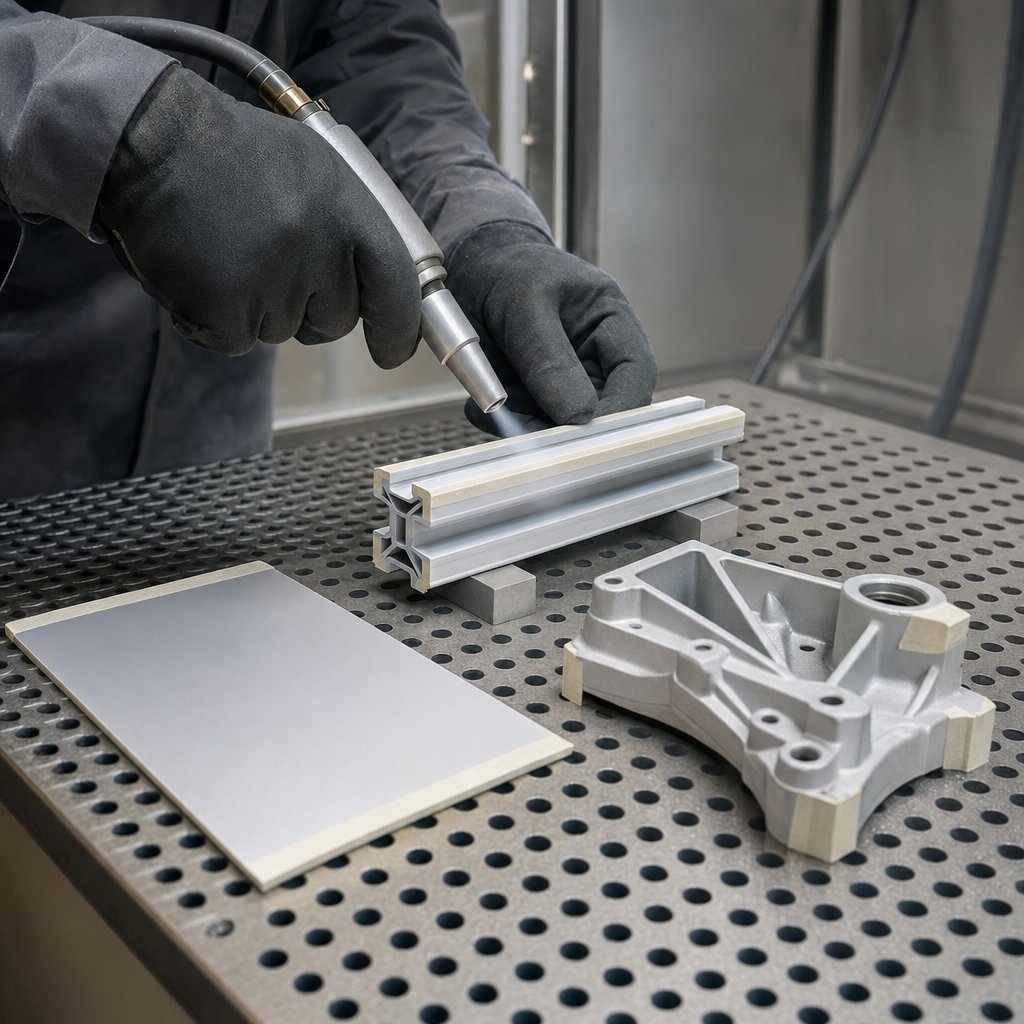
Method matters, but part condition often decides whether the finish looks controlled or costly. The Yajia guide notes that aluminum is softer and more malleable than harder metals, so setup should change with thickness, geometry, coating condition, and the finish you want afterward. In practical terms, blasting aluminum trim, castings, and sheet should never feel like the same job with the same settings.
A good setup starts with sensitivity, not speed. Thin and cosmetic parts usually need gentler media behavior, more stand-off distance, and steady nozzle travel. Heavier sections can tolerate more cutting action, but even there, aggressive passes can still leave pitting or an uneven profile. For aluminium blasting, this matrix is a better starting point than guessing.
| Part condition | Caution level | Likely risks | Preferred media behavior | Setup adjustments |
|---|---|---|---|---|
| Thin sheet | Very high | Warping, heat buildup, over-texturing | Fine, softer, lower-impact cleaning action | Lower pressure, greater stand-off distance, shallower angle, continuous movement, test patch first |
| Cast parts | Medium | Pitting on softer areas, inconsistent texture across porosity | Controlled cutting action matched to surface roughness | Use even passes, avoid dwelling on edges or porous spots, inspect after first pass |
| Extrusions | High | Visible streaking, edge over-blast, profile inconsistency | Uniform, predictable media that does not over-etch | Keep nozzle travel consistent, use a stable angle, mask critical faces, test on a hidden area |
| Previously coated parts | Medium to high | Uneven stripping, substrate damage after coating breaks through | Enough cutting action to remove coating without attacking bare metal too hard | Watch closely as coating thins, reduce aggression on exposed aluminum, keep passes controlled |
| Anodized surfaces | Very high | Patchiness, contamination, loss of cosmetic uniformity | Clean, consistent media with minimal contamination risk | Mask protected areas, use test patches, prioritize uniformity over speed |
| General fabricated components | Medium | Mixed finish quality across welds, corners, and flat areas | Balanced cleaning and profiling | Adjust angle around corners, keep nozzle moving, check texture across different features |
The differences get sharper when you compare common part families. Thin sheet is the easiest to distort, so blasting aluminum there should begin with low intensity. Cast parts often look tougher, but porosity and uneven surface density can make them respond unevenly. Extrusions add another challenge: long visible faces can show every inconsistency in nozzle rhythm. The same source also stresses part geometry and pre-testing, which is why hidden-area trials matter before you sandblast aluminum on visible faces.
Control variables work together, not alone. Yajia gives useful starting ranges for pressure and nozzle position: thin sheet may start around 40 to 60 psi, medium sections around 60 to 100 psi, and heavier coated parts around 100 to 150 psi, with nozzle distance often in the 6 to 12 inch range and angle commonly in the 60 to 90 degree range. Those are starting points, not universal rules.
That sequence keeps process control tied to the real part in front of you. And that becomes even more useful when the job shifts from theory to actual use cases, because a wheel, an architectural extrusion, and a marine panel rarely reward the same setup choices.
A setup that works on a cast bracket can leave a visible wheel face looking harsh or streaked. That is why application matters so much. Material form, coating condition, and finish sensitivity change the right blasting choice fast. Guidance from KTA, Raptor guide, and Pittsburgh Spray keeps pointing to the same basics: use non-metallic media, stay conservative on thin aluminum, and validate the result on a small area before you commit.
Architectural panels and extrusions are usually appearance-driven. Long faces, corners, and profile edges show uneven blasting quickly. KTA notes that aluminum sheet and extrusions are often chemically cleaned and pretreated in plant settings, while light abrasive blasting is used when chemical pretreatment is not practical in fabrication shops or field work. On these parts, uniformity matters more than maximum cutting speed. A gentle, non-metallic approach is usually the safer fit, especially when the surface will be painted, recoated, or left visibly textured.
Marine restoration pushes the process in a different direction. People stripping paint from aluminum boat panels or hull sections often need mobility and faster coating removal on larger surfaces. Pittsburgh Spray specifically calls out paint removal on aluminum boats, and the Raptor guide notes that large aluminum surfaces are commonly dry blasted outdoors with pressure-pot style equipment. Even so, thinner panels can still distort, so a low starting pressure, steady nozzle movement, and a test patch remain essential. Where dust is a concern, KTA lists wet abrasive or vacuum blast cleaning as practical field alternatives.
With blasting aluminum wheels or sandblasting aluminum rims, the finish is part of the job. Smaller aluminum parts are often better suited to cabinet work, and the Raptor guide highlights wet or slurry-style blasting because it can reduce prep time and may reduce or eliminate the polishing step. That makes it attractive for cosmetic restoration, corrosion cleanup, or prep for repainting and powder coating. If the goal is a softer, cleaner look, gentler media and tighter control usually win. If the goal is coating adhesion, a more profile-forming approach may be appropriate, but the visual tradeoff becomes more obvious.
| Application type | Main goal | Typical surface condition | Major risk | Preferred blasting approach | Recommended post-blast next step |
|---|---|---|---|---|---|
| Architectural panels and extrusions | Clean, degloss, or prep for recoating | Factory finish, chalking, light oxidation, localized coating failure | Visible streaking, edge over-blast, contamination | Light abrasive blasting with non-metallic media, controlled passes, test area first | Inspect uniformity, remove residue, move into coating prep |
| Marine panels and boat hull sections | Coating removal and corrosion cleanup | Old paint, oxidation, salt-contaminated dirt, mixed repair areas | Warping thin panels, over-roughening, trapped contamination | Field-friendly dry blasting for larger areas or wet or vacuum methods where dust matters, always starting gently | Clean thoroughly and coat promptly |
| Wheels, rims, and cosmetic parts | Restore appearance or prepare for paint or powder | Primer, factory paint, brake dust, grime, localized corrosion | Harsh texture, loss of visual detail, uneven finish | Dry cabinet blasting or wet or slurry blasting with finish-sensitive media choice | Clean, inspect surface consistency, then polish or coat as planned |
| Aerospace-adjacent and precision thin-wall parts | Controlled cleaning or prep without dimensional change | Thin sections, tight tolerances, finish-sensitive surfaces | Deformation, abrasive embedment, inconsistent texture | Very gentle non-metallic blasting only after a validated test patch or mock-up | Verify cleanliness and surface consistency before further finishing |
| General fabricated components | Remove coatings and create repaint-ready texture | Mixed welds, flats, edges, and previous coatings | Uneven profile across features | Balanced dry or wet process matched to coating thickness and part geometry | Inspect edges and welds, then hand off for primer or topcoat |
The pattern is clear. A boat hull, an architectural extrusion, and a wheel may all be aluminum, but they do not want the same surface. The blast process only gets you part of the way there. Cleanliness, residue control, and the handoff to coating or anodizing are what decide whether the finish actually succeeds.
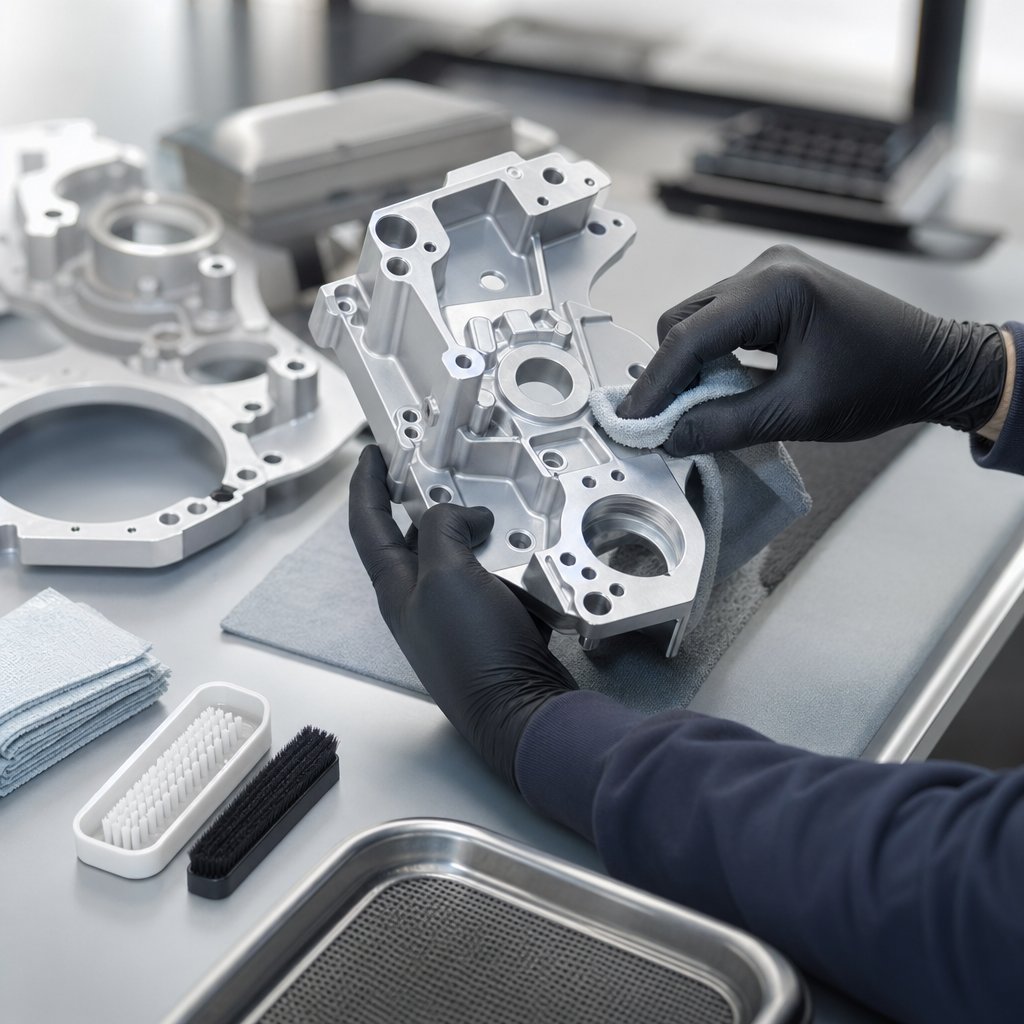
A part can leave the blast cabinet looking clean and still fail later. Dust in a corner, a fingerprint on a cosmetic face, or a patchy texture can show up once paint, powder, or anodizing goes on. That is why the best sandblasted aluminum results are often decided after blasting, not during it.
Post-blast handling should be simple, fast, and disciplined. MachMaster points out that oil, fingerprints, and uneven prep can show up as blotchy color or rough feel after anodizing. Keystone Koating likewise treats blasting as the first prep stage before further cleaning and pretreatment for coating adhesion.
Embedded media, skin oils, or inconsistent texture can compromise final appearance and adhesion.
For paint or powder coating, blasted aluminum is only surface prep. It is not the final finish. Keystone Koating describes follow-on pretreatment after blasting to remove remaining contamination and improve adhesion, with masking used to protect threads, holes, and machined areas. People researching aluminum sandblasting colors finishes often assume later coatings will hide small defects. More often, coatings make uneven texture easier to see. If the surface is not uniform before coating, the finished part rarely looks better afterward.
Anodizing asks for even tighter control. MachMaster notes that blasting before anodizing can improve color consistency and create a cleaner matte or satin look, but only if the surface is evenly prepared. Shengxin also explains that anodizing starts with cleaning because the oxide layer becomes part of the aluminum itself. Before handoff, confirm that the part has a consistent texture, no visible residue, no oil or fingerprints, and no mixed zones from different media or blast intensity.
That matters even more on extrusions and other finish-sensitive profiles. For projects that need custom profiles plus coordinated anodized oxidation support, Shengxin Aluminium is one relevant example of a supplier set up to keep extrusion work and anodizing support aligned, which can reduce handling-related contamination between steps.
At production scale, the question stops being whether the part can be blasted at all and becomes who can control sampling, masking, cleaning, and finish handoff consistently from batch to batch.
That batch-to-batch control question is usually where teams find out whether blasting belongs in-house or with a specialist. If you are still asking, can you sandblast aluminium with your current setup, look beyond whether the machine removes paint. The real issue is whether you can repeat the same texture, cleanliness, masking, and finish handoff every time.
Swanton Welding puts the focus on the right basics: keep as much work in-house as possible, confirm finishing services, and make sure you have one clear point of contact.
If your in-house plan already depends on hunting for empire sandblaster parts, borrowed media, or improvised fixtures, that is a warning sign, not a strategy.
| Option | Capabilities | Technical support | Process integration |
|---|---|---|---|
| Shengxin Aluminium | Custom extrusion production, 35 extrusion machines, in-house anodizing lines | Design-to-delivery support for profile and finish coordination | Strong fit when extrusion geometry and anodizing readiness must stay aligned |
| Full-service finishing partner | Blasting plus coating or other finishing under one roof | Usually stronger documentation and fewer handoff gaps | Good when one supplier can manage prep through final finish |
| Blast-only subcontractor | Surface prep only | Limited support outside blasting itself | Higher risk of variation between blast, cleaning, and final finishing |
Aluphant also recommends process flowcharts, in-house finishing equipment, standard samples, and inspection records such as roughness and anodizing data when appearance consistency matters.
The best sand blasted aluminum results usually come from the team that can control the full chain, not just the blast stream.
Yes, but aluminum rewards control more than force. The safest approach is to match the process to the part, start with a small hidden test area, and use a less aggressive media before increasing intensity. Thin sheet, trim, and decorative faces are the easiest to warp, pit, or over-texture, while thicker cast parts usually tolerate more cleaning action. Most damage comes from treating aluminum like steel, using the wrong abrasive, staying too long in one spot, or blasting at an angle and distance that are too harsh for the surface.
There is no single best media for every aluminum job. If the goal is a softer cosmetic finish, many shops lean toward gentler or rounder options such as glass bead, while delicate cleaning can call for soda, plastic media, or organic media. If the goal is stronger coating removal or a more paint-ready surface, more cutting media such as crushed glass, garnet, or aluminum oxide may be a better fit. Steel-based abrasives are generally avoided because they can contaminate aluminum and create corrosion problems later.
Often, yes, especially when finish appearance matters as much as cleaning. Water-assisted blasting can soften the impact, reduce airborne dust, and leave a more even satin-like look on wheels, rims, and other visible aluminum parts. That said, a carefully controlled dry cabinet process can also work well when the media choice and operator technique are right. The better question is not whether the machine is labeled dustless, but whether the process gives you the surface texture and consistency the part needs.
Yes, but anodizing is unforgiving if the blasted surface is uneven or contaminated. Before anodizing, the part should be free of loose residue, fingerprints, oils, and mixed-texture areas caused by inconsistent blasting. A uniform matte surface can anodize well, but embedded media or patchy prep can show through the final finish. On extrusion-based projects, using a supplier that can coordinate profile production and anodizing under one system, such as Shengxin Aluminium, can help reduce handling issues and improve finish consistency.
Outsourcing is usually the smarter option when the work is visible, thin-walled, profile-heavy, batch-sensitive, or headed for anodizing or a critical coating. It also makes sense for marine panels, custom extrusions, and other jobs where repeatability matters more than one-time cleaning speed. Ask potential partners about sample approval, masking, media control, post-blast cleaning, and how they support the next finishing step. If the project needs custom extrusion profiles plus in-house anodizing support, a partner like Shengxin Aluminium can be a strong fit because the blast-prep handoff and finish requirements stay better aligned.



 Интернет Сервис
 0086 136 3563 2360
 sales@sxalu.com
 +86 136 3563 2360
 русский
 English
 français
 Deutsch
 español
 português
 العربية
 ไทย
ไทย Việt
Việt Українська