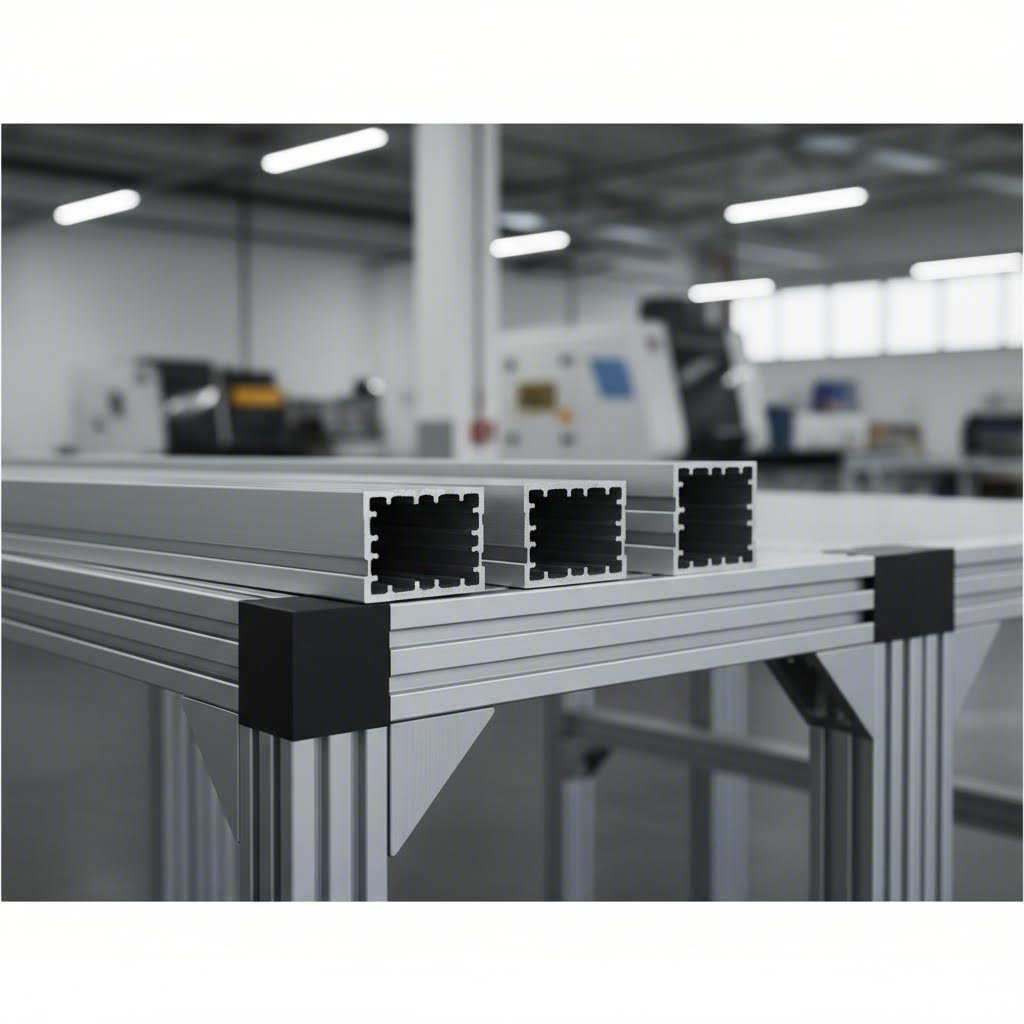
When you're searching for the perfect structural material, you've likely come across the term "lightweight aluminum extrusions" without finding a clear explanation of what actually makes them lightweight. So what is aluminum extrusion in its lightweight form, and how does it differ from standard or heavy-duty options? Let's break this down in a way that actually helps you make informed decisions.
The term "lightweight" isn't just marketing speak—it refers to specific engineering choices that reduce mass while preserving structural performance. An aluminum extrusion profile becomes lightweight through three key design strategies:
Imagine holding two aluminum extrusion profiles of identical outer dimensions—one standard, one lightweight. The light version feels noticeably different in your hands because its internal geometry has been carefully engineered to maximize strength-per-gram of aluminum used.
Here's where things get practical. When evaluating aluminum profile extrusion options, you'll encounter weight-per-meter specifications that tell you exactly how much material you're dealing with. A standard 40x40mm profile might weigh approximately 1.5 kg per meter, while its light-series counterpart could come in around 0.9-1.1 kg per meter—a significant reduction that adds up quickly in larger assemblies.
Profile geometry directly affects overall mass in ways that matter for your project. Consider these differences:
The choice between these categories depends entirely on your application's actual demands. You wouldn't use a heavy-duty profile to build a lightweight equipment cart any more than you'd use a light-series profile for a heavy machine base. Understanding this distinction helps you select the right aluminum extrusion for your specific needs—balancing performance requirements against material costs and overall system weight.
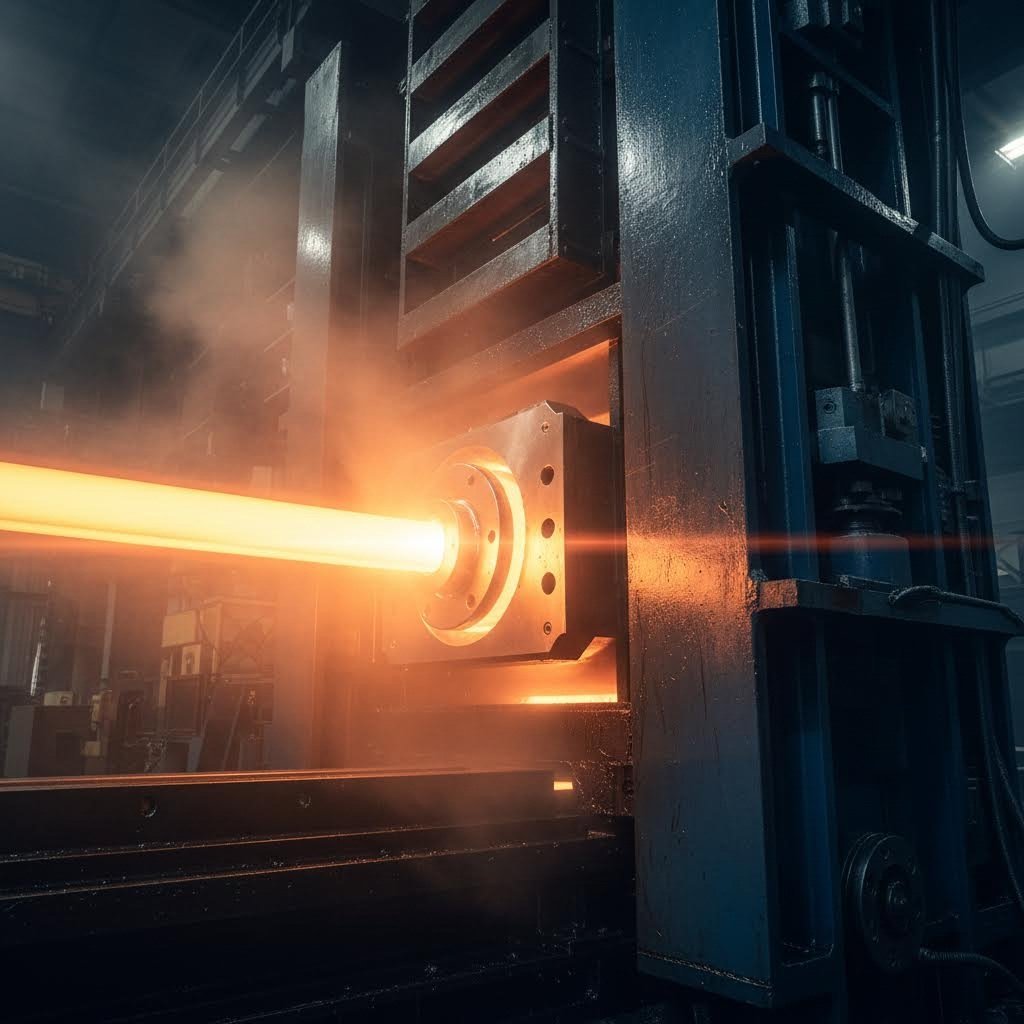
Ever wondered how aluminum extrusion is made—specifically the lightweight profiles that deliver impressive strength with minimal mass? The aluminum extrusion process involves pushing heated aluminum through precision-engineered dies, but creating truly lightweight profiles requires specialized techniques at every stage. Understanding this manufacturing journey helps you appreciate why some profiles outperform others and how to specify exactly what your project needs.
The aluminum extrusion die is where lightweight magic happens. Think of it as a sophisticated cookie cutter, but instead of dough, superheated aluminum gets forced through its openings under tremendous pressure. Die design directly determines whether you end up with a heavy, solid profile or an optimized lightweight structure.
Creating thin-walled profiles and hollow sections requires exceptional precision in die engineering. Here's why this matters:
Die preparation follows a precise sequence. The steel die gets preheated to approximately 500 degrees Celsius before production begins. This preheating step protects the die's lifespan and ensures aluminum flows evenly through even the most intricate lightweight profile geometries. According to industry standards documented by A-Line Automation, dies are machined from grade H13 steel, which withstands the extreme pressures and temperatures involved.
Not all aluminum is created equal when it comes to lightweight extrusions. The two most common alloys—6063 and 6061—offer distinct advantages that influence both weight and performance:
| Alloy | Key Characteristics | Best Applications |
|---|---|---|
| 6063 | Excellent extrudability, superior surface finish, good corrosion resistance | Architectural profiles, complex shapes, aesthetic applications |
| 6061 | Higher strength, good machinability, excellent weldability | Structural components, machine frames, load-bearing applications |
For lightweight aluminum extrusions, 6063 often gets the nod because its superior flow characteristics allow manufacturers to push thinner walls and more complex hollow sections through the aluminum extrusion machine without defects. However, when your lightweight profile still needs to handle significant loads, 6061's higher strength-to-weight ratio might prove more effective despite slightly more challenging extrusion characteristics.
The complete aluminum extrusion process involves multiple stages, each affecting the final product's weight and performance. Here are the critical steps where weight optimization occurs:
Press tonnage deserves special attention for lightweight profiles. Higher-capacity aluminum extrusion presses can maintain the consistent pressure needed to push aluminum through complex dies with thin walls and multiple hollow chambers. When these thin sections don't receive uniform pressure, you get inconsistent wall thicknesses and potential weak points—exactly what you're trying to avoid in weight-optimized designs.
The beauty of this manufacturing approach lies in its repeatability. Once a die is engineered for a specific lightweight profile, that exact geometry gets reproduced consistently across thousands of meters of extrusion, delivering predictable weight-per-meter specifications you can count on for your project calculations.
You've decided lightweight aluminum extrusions make sense for your project—but now comes the question that trips up even experienced engineers: which size should you actually order? With designations like 2020 aluminum extrusion, 3030 aluminum extrusion, and 4040 aluminum extrusion scattered across supplier catalogs, the naming conventions can feel like a secret code. Let's decode these specifications so you can confidently match profile sizes to your application requirements.
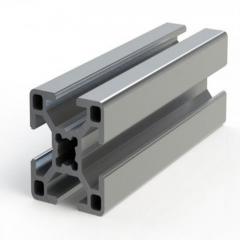
Here's the good news: profile naming conventions are more logical than they first appear. The numbers directly relate to the profile's cross-sectional dimensions in millimeters. When you see "4040," you're looking at a profile measuring 40mm x 40mm. A 2040 aluminum extrusion? That's a rectangular profile measuring 20mm x 40mm.
This naming system works consistently across manufacturers, making it easier to compare aluminum extrusion sizes from different suppliers. Common designations you'll encounter include:
When reviewing 2020 aluminum extrusion dimensions, you'll find the outer measurement is just the starting point. The T-slot depth, wall thickness, and internal geometry all vary between manufacturers and between standard versus light-series versions of the same nominal size.
Rectangular profiles like the aluminum extrusion 2040 follow the same logic—the first number indicates width, the second indicates height. These asymmetric profiles prove valuable when you need greater rigidity in one direction without adding unnecessary material in the perpendicular axis.
For extremely compact applications, you might encounter a 1515 aluminum extrusion (15mm x 15mm) or even smaller metric options. These miniature profiles excel in electronics housings, precision instrumentation, and applications where every gram counts.
Now for the distinction that really matters when selecting lightweight aluminum extrusions. Within each size designation, manufacturers typically offer both standard and light-series options. According to 80/20's T-slotted profile catalog, you'll find variants like 40-4040, 40-4040-Lite, and even 40-4040-UL (Ultra-Lite) within the same 40mm family.
What's the practical difference? It comes down to internal structure and material removal. The following comparison table breaks down typical specifications across popular lightweight series:
| Profile Designation | Nominal Dimensions | Approximate Weight (kg/m) | Relative Load Capacity | Best Applications |
|---|---|---|---|---|
| 20-2020 | 20mm x 20mm | 0.45-0.55 | Light | Small enclosures, 3D printer frames, light fixtures |
| 25-2525 | 25mm x 25mm | 0.65-0.80 | Light-Medium | Electronics housings, display stands, small equipment |
| 30-3030 | 30mm x 30mm | 0.85-1.05 | Medium | Workstation accessories, protective covers, light guards |
| 40-4040 Lite | 40mm x 40mm | 0.90-1.15 | Medium | Equipment carts, machine guarding, modular workstations |
| 40-4040 Standard | 40mm x 40mm | 1.35-1.55 | Medium-Heavy | Machine bases, structural frames, conveyor supports |
| 45-4545 Lite | 45mm x 45mm | 1.10-1.35 | Medium-Heavy | Larger equipment frames, automation cells, safety enclosures |
| 45-4545 Standard | 45mm x 45mm | 1.60-1.85 | Heavy | Heavy machine frames, load-bearing structures |
Notice how a 4040 aluminum extrusion in the light series weighs approximately 25-35% less than its standard counterpart. That weight difference compounds significantly across an entire frame assembly—a structure using 50 meters of profile could shed 20-30 kg simply by choosing light-series options.
Sounds straightforward so far? Here's where application-specific thinking becomes essential. When deciding between 40x40 light and 45x45 light profiles, consider these practical factors:
The selection process also depends on your T-slot accessory ecosystem. Brackets, connectors, and fastening hardware designed for 40-series profiles won't directly fit 45-series slots. Before committing to a size, verify that the connectors and mounting accessories you need are readily available in that series.
For many general-purpose applications, the 40-4040 Lite hits a sweet spot—substantial enough for real structural work while light enough for practical handling. Reserve the 45x45 options for situations where calculations specifically indicate you need that extra rigidity, or where standardization with larger existing systems takes priority over weight optimization.
Why are engineers increasingly reaching for aluminum extrusions instead of traditional steel framing? The answer lies in a single engineering metric that transforms how we approach structural design: strength-to-weight ratio. When you understand this fundamental advantage, the shift away from heavier materials becomes not just logical—it becomes inevitable for weight-critical applications.
Let's put real numbers behind this discussion. Steel weighs approximately 7,850 kg per cubic meter, while aluminum comes in at roughly 2,700 kg per cubic meter. That's nearly a 3:1 density difference before we even consider structural performance.
But here's where it gets interesting. While steel offers higher absolute tensile strength, aluminum's strength-per-unit-weight tells a different story. Consider this comparison of common structural materials:
| Material Property | Steel (Mild) | Aluminum (6061-T6) | Engineering Plastic (ABS) | Standard Aluminum Profile | Lightweight Aluminum Profile |
|---|---|---|---|---|---|
| Density (kg/m³) | 7,850 | 2,700 | 1,050 | 2,700 | 2,700 |
| Tensile Strength (MPa) | 400-550 | 290-310 | 40-50 | 290-310 | 290-310 |
| Strength-to-Weight Ratio | Moderate | High | Low | High | Very High (optimized geometry) |
| Corrosion Resistance | Poor (requires coating) | Excellent (natural oxide layer) | Excellent | Excellent | Excellent |
| Machinability | Moderate | Excellent | Good | Excellent | Excellent |
Notice something critical in this comparison? Extrusion aluminum maintains the same base material properties whether configured as standard or lightweight profiles. The weight reduction comes entirely from intelligent geometry—not from weaker material. A well-designed hollow section can match or exceed the bending resistance of a heavier solid profile by strategically placing material where stress concentrations occur.
Imagine you're designing a robotic arm mounting system. Every kilogram in the support structure translates directly to reduced payload capacity or increased motor requirements. The same principle applies across countless high-performance aluminum extrusions industrial applications—from aerospace tooling to automated guided vehicles.
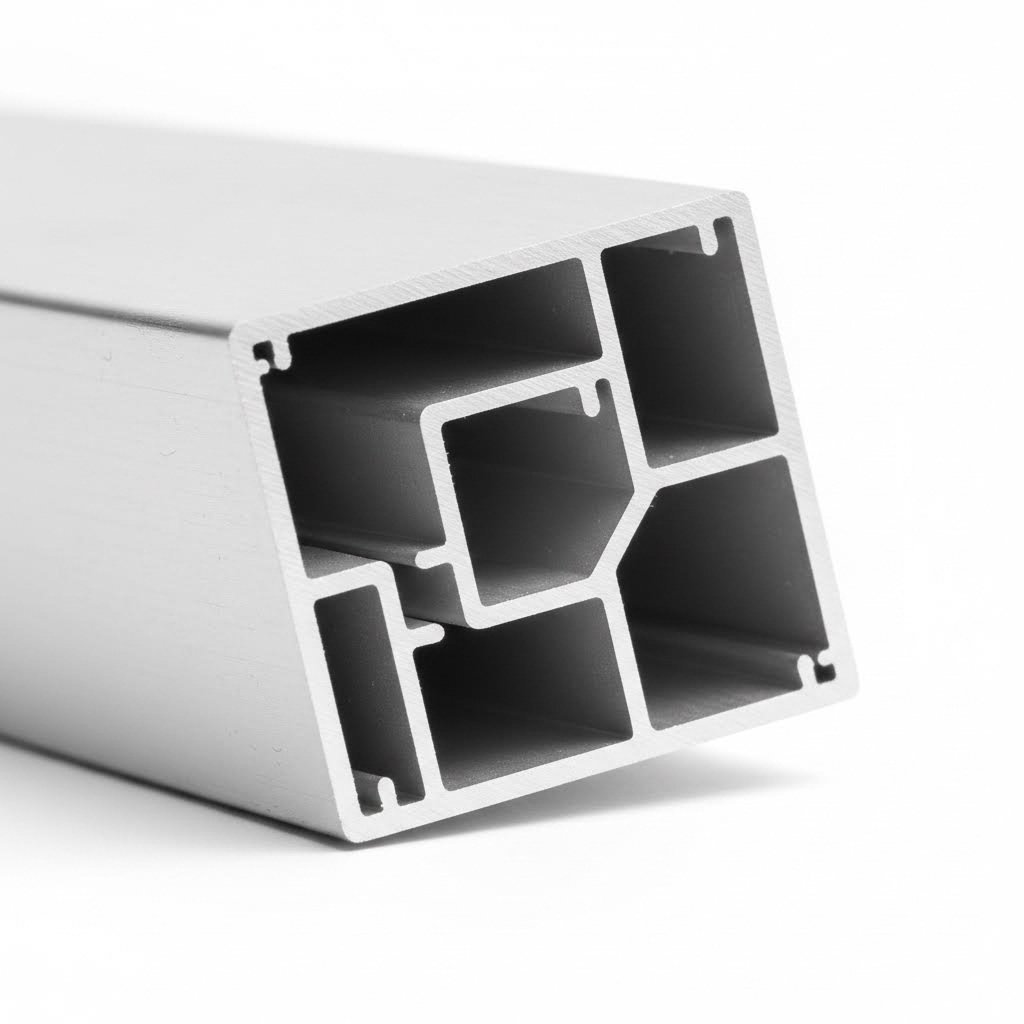
The engineering principle at work here involves moment of inertia. Hollow aluminum extrusion shapes distribute material away from the neutral axis of bending, maximizing stiffness per gram of aluminum used. Think of it this way: a hollow tube resists bending almost as effectively as a solid rod of the same outer diameter—while weighing a fraction as much.
This geometric advantage explains why lightweight profiles work so well in applications like:
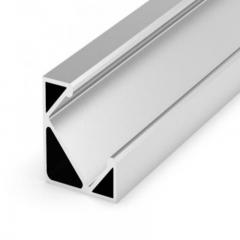
An aluminum angle extrusion illustrates this principle clearly. The L-shaped cross-section positions material at the outer edges—exactly where it provides maximum resistance to bending loads. You achieve structural performance comparable to much heavier alternatives by understanding where loads actually concentrate.
Not every application calls for weight-optimized profiles. Understanding load capacity boundaries helps you choose appropriately:
The decision often comes down to running actual load calculations rather than defaulting to heavier options "just in case." Many engineers discover that aluminum angle extrusion components and lightweight T-slot profiles handle their requirements with considerable margin—while delivering measurable benefits in installation time, shipping costs, and overall system performance.
With material advantages clearly established, the next consideration becomes practical application. Where exactly do these lightweight profiles deliver the greatest value in real-world installations?
Now that you understand the material advantages, where do these lightweight aluminum extrusions actually shine in practice? The answer spans everything from sophisticated automation cells to weekend workshop projects. What makes these profiles so versatile isn't just their weight savings—it's how those savings translate into tangible benefits for each specific application.
Walk through any modern manufacturing facility and you'll spot aluminum extrusion frame structures everywhere. There's a reason automation engineers have embraced lightweight profiles so enthusiastically—every gram matters when you're designing systems that move repeatedly throughout a production shift.
Consider robotic work cells where universal robots aluminum extrusions form the mounting infrastructure. Here's why weight reduction delivers measurable value:
Conveyor systems benefit similarly. The frame supporting a conveyor belt experiences constant dynamic loading as products move along its length. Lightweight profiles reduce the static load on floor anchors and supporting structures while maintaining the rigidity needed for smooth material flow.
Ever tried repositioning a steel workbench by yourself? It's not happening without help. Now imagine an aluminum extrusion workbench built from light-series profiles—suddenly, one person can reconfigure an entire workspace layout during a shift change.
Industrial workstations represent one of the largest application categories for lightweight aluminum extrusions. The benefits extend beyond simple portability:
Machine guarding applications showcase another critical advantage. Safety enclosures built from lightweight profiles meet protective requirements while reducing the structural load on production equipment. When guards mount directly to machines, every kilogram saved preserves capacity for productive tooling instead.
An aluminum extrusion enclosure around a CNC machine or robotic cell typically requires frequent access for maintenance and tool changes. Hinged doors and removable panels built from light-series profiles operate smoothly on standard hardware without the heavy-duty hinges that steel alternatives demand.
The same properties that attract industrial engineers make lightweight aluminum extrusions perfect for home workshops and maker spaces. Building an aluminum extrusion desk for your home office? Light-series profiles keep the project manageable for solo assembly while delivering professional-grade results.
Popular hobbyist applications include:
What makes these applications work so well is the forgiving nature of T-slot construction. Unlike welded steel frames that require precise upfront planning, aluminum extrusion assemblies can be adjusted, extended, or completely reconfigured as your needs evolve. Made a measurement error? Loosen a few bolts and reposition. That flexibility—combined with manageable component weights—removes barriers that might otherwise discourage ambitious projects.
Whether you're outfitting a factory floor or building your first CNC machine at home, the practical advantages remain consistent: easier handling, simpler installation, and the confidence that comes from working with a proven structural system.
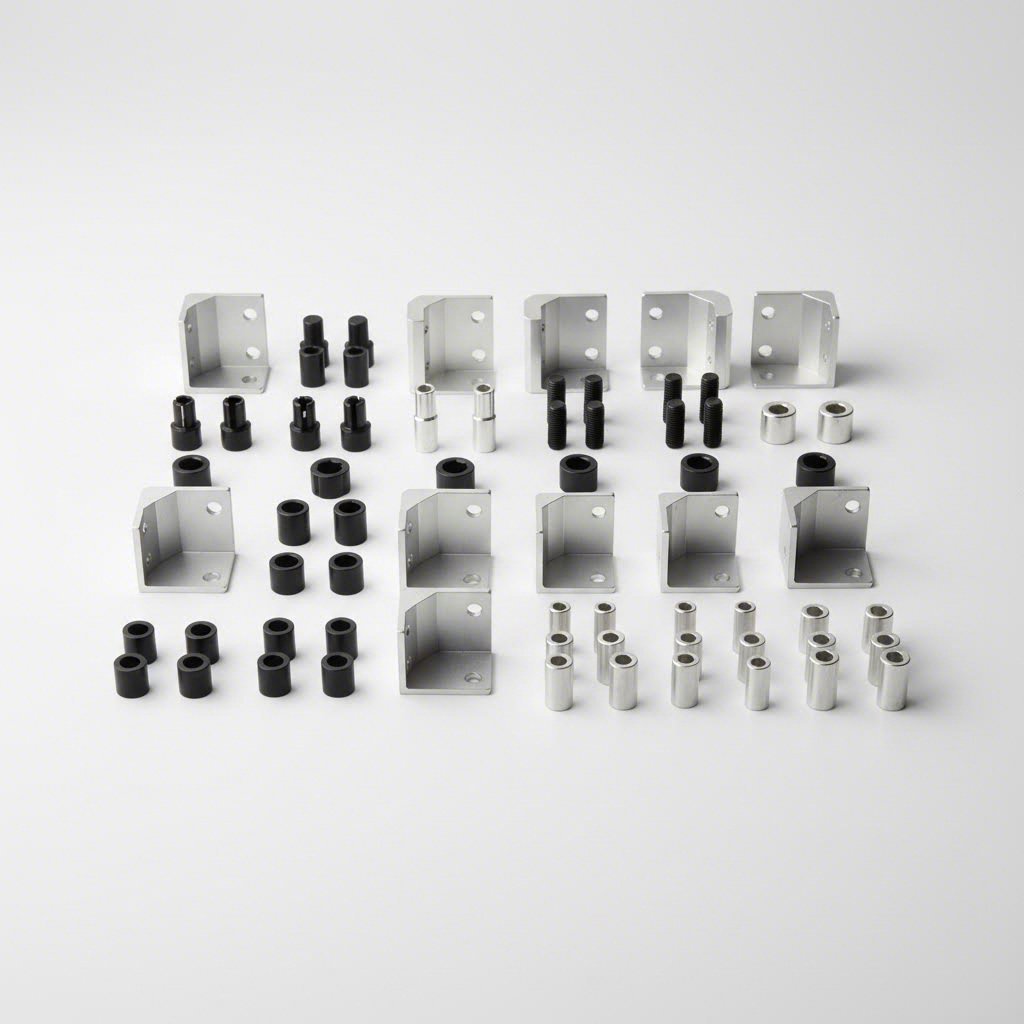
You've selected your lightweight profiles and planned your application—but here's where projects often stall: how do you actually connect everything together? The beauty of t slotted aluminum extrusions lies in their modular connection system, but choosing the wrong accessories can leave you with weak joints or incompatible hardware. Understanding the relationship between your profile series and its compatible connectors prevents frustrating purchasing mistakes and ensures your structure performs as designed.
The T-slot system offers dozens of connection methods, each engineered for specific joint configurations and load requirements. According to connection method documentation from China-ME, over 20 distinct aluminum extrusion connectors exist for various angular and structural needs.
Here are the primary accessory categories you'll encounter when building with aluminum extrusion brackets and fasteners:
For lightweight applications, the interior connection methods deserve special attention. Concealed connectors that utilize elastic T-nuts and cylindrical fasteners create clean assemblies while distributing loads across multiple contact points—exactly what thin-walled profiles need to perform their best.
Here's where careful attention pays dividends. T slot aluminum extrusion accessories aren't universally interchangeable. The slot dimensions—width, depth, and undercut geometry—vary between profile series and manufacturers. A bracket designed for 40-series profiles won't properly engage 45-series slots, and forcing incompatible hardware creates weak connections that compromise structural integrity.
Key compatibility factors to verify before ordering:
When sourcing aluminum extrusion accessories, stick with hardware matched to your specific profile series. Most manufacturers clearly label compatibility ("for 40-series" or "fits 8mm slot"), but verify dimensions rather than assuming cross-brand compatibility.
The real power of aluminum extrusion rail systems emerges during assembly. Unlike welded structures requiring precise upfront fabrication, T-slot construction allows adjustment throughout the build process. Made a measurement error? Loosen the bolts, slide the connection, and re-tighten.
Practical assembly considerations for lightweight structures:
The modular nature of these systems means you can start with basic connectors and upgrade to higher-strength options if needed. Many builders begin with simple corner brackets, then add gussets or diagonal braces only where actual loading reveals the need—an iterative approach that keeps material costs aligned with actual requirements.
With connection methods sorted, the next consideration is protecting your investment. Surface treatments can dramatically extend profile lifespan while adding aesthetic options that match your application's environment.
Your lightweight aluminum extrusions are selected, sized, and ready for assembly—but what happens when they face harsh environments, UV exposure, or demanding aesthetic requirements? Surface treatments transform raw extruded aluminum from a functional material into a finished product engineered for specific conditions. The good news? These protective and decorative finishes add virtually no weight while dramatically extending service life and expanding design possibilities.
When browsing an aluminum extrusion profiles catalog, you'll encounter multiple finishing options. Understanding the differences helps you specify exactly what your application demands—whether that's industrial durability, architectural elegance, or both.
Anodizing isn't a coating applied to aluminum—it's a controlled electrochemical process that transforms the surface itself. According to Salesmade UK, this process produces a thicker oxide film that becomes an integral part of the metal rather than a separate layer that could chip or flake off.
Here's why anodized aluminum extrusions remain the preferred choice for demanding applications:
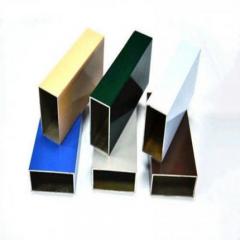
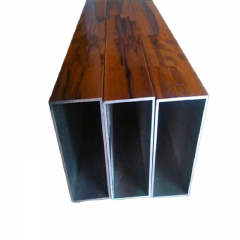
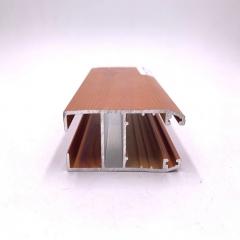
Color customization opens creative possibilities beyond the standard silver and black options. Custom aluminum extrusions can be anodized in champagne, bronze, gold, and even vibrant colors like red or blue depending on the process parameters. Architectural applications frequently specify custom anodizing colors to match building design elements or corporate branding requirements.
For 6061 aluminum extrusion profiles used in structural applications, anodizing provides an ideal balance of protection and aesthetics without compromising the alloy's mechanical properties. The process adds only microns of thickness to the surface—essentially undetectable in weight calculations while delivering measurable durability improvements.
When anodizing alone isn't sufficient—or when specific color matching is required—applied coatings offer additional options. Each coating type addresses different environmental challenges:
Powder coating applies dry paint particles electrostatically, then bakes them into a durable finish. This method dominates industrial and architectural applications for good reasons:
Standard powder coatings typically meet AAMA 2603 specifications, suitable for most interior applications and moderate exterior exposure. For aluminum channel extrusions used outdoors, super-durable formulations meeting AAMA 2604 provide extended performance with 5-year warranties against significant fading or chalking.
When exposure conditions exceed powder coating capabilities, PVDF (polyvinylidene fluoride) coatings deliver premium protection. According to testing documented by FONNOV Aluminium, PVDF-coated samples exposed to Florida's harsh sun and salt air for 12 years demonstrated 30-80% better stability and durability than standard powder coatings.
PVDF coatings meeting AAMA 2605 specifications provide:
The coating is available in 2-coat, 3-coat, and 4-coat systems depending on performance requirements and aesthetic preferences. While PVDF costs more than standard powder coating, the extended service life often proves more economical for installations where recoating would be difficult or expensive.
Beyond standard options, specialized surface treatments address specific performance requirements:
Here's the practical reality: surface treatments add negligible weight to your lightweight aluminum extrusions. Anodized layers measure in microns. Powder coating typically adds 60-80 microns of thickness. Even PVDF systems remain under 30 microns per coat. For weight-critical applications, these additions are effectively invisible in your calculations.
What matters more is finding a manufacturing partner capable of delivering your specified finish consistently across production runs. Experienced manufacturers like Shengxin Aluminium provide extensive surface treatment options including custom anodizing colors (champagne, rose gold, and custom specifications), powder coating, PVDF, and micro-arc oxidation for superior durability. Their comprehensive finishing services—integrated with 30+ years of extrusion expertise—ensure your profiles arrive ready for installation rather than requiring secondary processing.
The connection between surface treatment and profile performance extends beyond aesthetics. Properly finished custom aluminum extrusions resist corrosion that could compromise structural integrity, maintain dimensional stability under thermal cycling, and present the professional appearance that reflects the quality of your overall project.
You've explored the advantages, compared the sizes, and understand surface treatment options—but now comes the decision that determines project success or frustration: which specific lightweight aluminum extrusion should you actually order? This is where many engineers and builders stumble, either over-specifying expensive heavy profiles "just in case" or under-specifying and discovering problems during assembly. Let's work through a systematic selection process that matches your actual requirements to the right profile.
The fundamental question—when should you choose lightweight versus standard profiles—depends entirely on understanding what your structure actually needs to accomplish. According to engineering guidelines from Vention's design documentation, two profiles with identical outer dimensions can have vastly different rigidity based on their area moment of inertia.
Here's a practical decision framework that addresses load requirements systematically:
For most general-purpose applications—equipment carts, workstations, protective enclosures—lightweight profiles handle requirements comfortably. Reserve standard or heavy-duty options for situations where calculations specifically indicate you need that extra capacity.
Load capacity tells only part of the story. Your operating environment and secondary processing requirements significantly influence profile selection:
When planning how to cut aluminum extrusion profiles, remember that lightweight versions with thinner walls can be more susceptible to distortion from aggressive cutting methods. Carbide-tipped saw blades designed for non-ferrous metals produce cleaner cuts than standard tooling, and proper workholding prevents profile deflection during machining.
Before searching where to buy aluminum extrusion for your project, work through these essential questions to avoid common specification mistakes:
Budget considerations extend beyond unit pricing. When comparing aluminum extrusions for sale, factor in shipping costs (lighter profiles reduce freight expenses), installation labor (easier handling speeds assembly), and long-term performance (proper specification prevents costly rework).
Estimating your aluminum extrusion parts requirements starts with a detailed cut list. For each profile in your design:
Common specification mistakes that derail projects include ordering the wrong slot size for your existing hardware, underestimating connector quantities, and forgetting end caps or panel mounting clips. Review your complete bill of materials against your assembly drawings before placing orders.
With your profile selection finalized and material quantities calculated, the final consideration becomes sourcing quality extrusions from a reliable manufacturing partner who can deliver consistent products and support your project requirements.
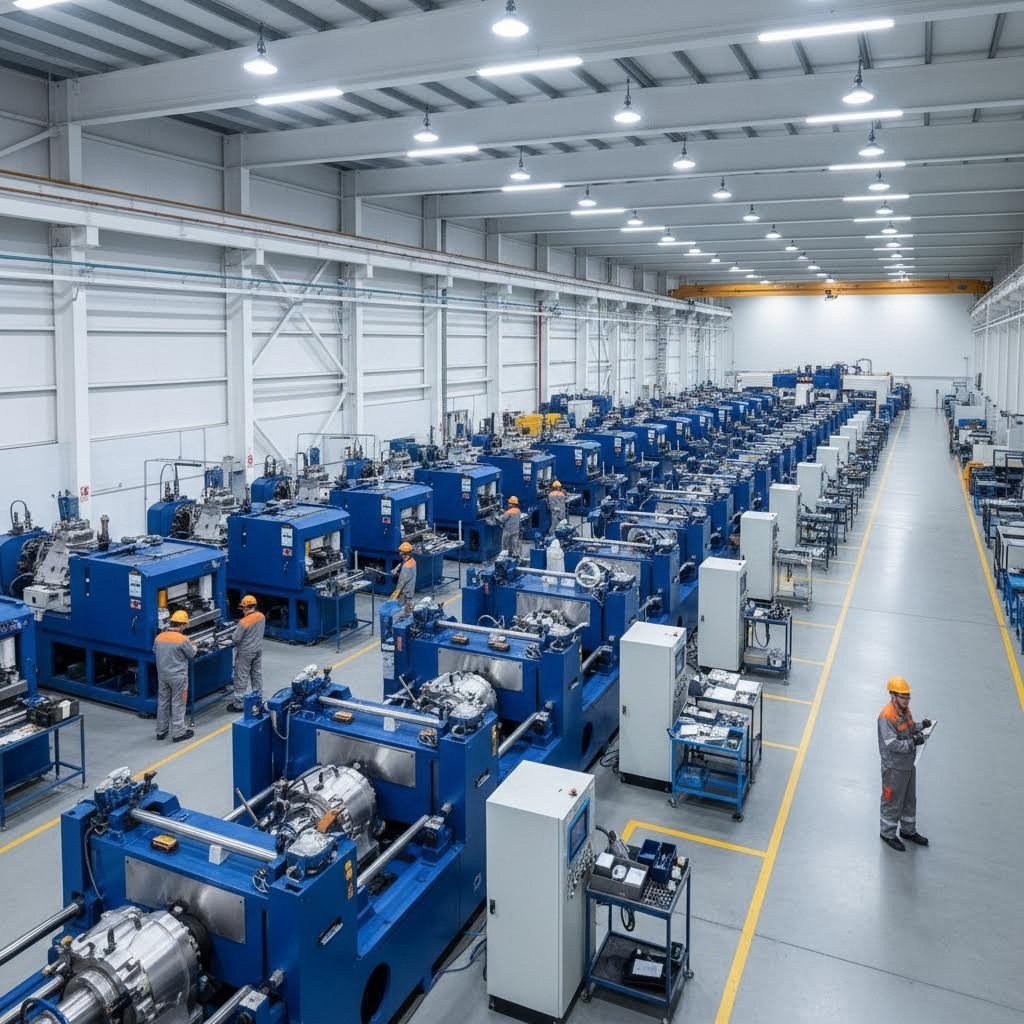
You've specified the perfect lightweight profiles, calculated your material requirements, and planned your assembly—but here's the factor that ultimately determines whether your project succeeds or stumbles: the manufacturing partner behind your extrusions. Sourcing from the right aluminum extrusion supplier transforms your specifications into precision components that arrive ready for assembly. Choosing poorly means dimensional inconsistencies, delivery delays, and quality issues that compound throughout your project.
What separates a reliable manufacturer of aluminum extrusions from a commodity supplier? It comes down to capabilities, consistency, and commitment to supporting your project from initial design through final delivery.
Not all aluminum extrusion companies offer equivalent capabilities. According to industry guidelines from PTSMAKE, top-tier manufacturers invest heavily in advanced extrusion presses, automation, and quality control equipment—achieving consistent results and tight tolerances often measured in thousandths of an inch.
When evaluating potential aluminum extrusion manufacturers, assess these critical capabilities:
Technical expertise matters beyond equipment lists. How responsive is the potential partner during the quoting process? Do they offer Design for Manufacturability feedback that could optimize your profiles? A manufacturer invested in your project's success provides valuable engineering insights—not just order fulfillment.
Raw extrusions rarely go directly into final assemblies. The real value in partnering with established aluminum extrusion services providers lies in their secondary processing capabilities. When a single source handles extrusion through finishing, you eliminate coordination between multiple vendors, reduce handling damage, and maintain quality accountability throughout the production chain.
Essential aluminum extrusion machining and processing services to evaluate include:
This integrated approach simplifies your supply chain significantly. Instead of coordinating between an extruder, a machine shop, and a finishing house—each with their own lead times and quality standards—you work with one accountable partner.
The journey from concept to installed structure reveals the true value of experienced aluminum extrusion suppliers. Consider the complete project lifecycle:
Manufacturers with decades of experience have refined each step through countless projects. Shengxin Aluminium exemplifies this comprehensive approach—with over 30 years of industry experience, 35 advanced extrusion presses ranging from 600T to 5500T capacity, and state-of-the-art CNC machining centers for precise cutting, drilling, and bending. Their integrated surface treatment capabilities include anodizing in custom colors, powder coating, PVDF, and micro-arc oxidation for applications demanding superior durability.
For projects requiring custom lightweight profiles with complete processing, exploring Shengxin Aluminium's deep processing and custom extrusion services provides a resource for understanding end-to-end manufacturing capabilities and factory-direct pricing options.
Choosing among aluminum extrusion manufacturers ultimately balances capability, quality, communication, and value. The lowest quote rarely represents the best total cost when you factor in quality issues, delays, and coordination complexity.
Prioritize partners who demonstrate:
Whether you're building a single prototype or scaling to production volumes, the right manufacturing partner transforms lightweight aluminum extrusions from raw material into the precision components that bring your designs to life. Take time to evaluate capabilities thoroughly—the partnership you establish today determines project outcomes for years to come.
Light-series aluminum extrusions feature thinner wall thicknesses, optimized hollow sections, and strategic material distribution compared to standard profiles. A 40x40mm light profile typically weighs 0.90-1.15 kg/m versus 1.35-1.55 kg/m for standard versions—approximately 25-35% less material while maintaining adequate structural performance for moderate load applications. Standard profiles offer higher load capacities with thicker walls and more internal webbing for demanding structural requirements.
Lightweight aluminum extrusions come in various sizes following a straightforward naming convention where numbers indicate cross-sectional dimensions in millimeters. Common options include 2020 (20x20mm), 2525 (25x25mm), 3030 (30x30mm), 4040 Lite (40x40mm), and 4545 Lite (45x45mm). Rectangular profiles like 2040 (20x40mm) and 1530 (1.5x3 inch) are also available, offering greater rigidity in one direction while minimizing overall weight.
Select 40x40 light profiles for applications prioritizing weight savings, compatibility with existing 40-series hardware, and shorter span lengths. Choose 45x45 light profiles when you need greater moment of inertia for longer unsupported spans, higher load capacity requirements, or integration with 45-series accessory ecosystems. Consider that 40-series brackets and connectors won't fit 45-series slots, so verify hardware availability before committing to either size.
Lightweight aluminum extrusions excel in automation systems, robotics mounting, workstations, machine guarding, conveyor frames, and portable equipment. They're ideal where weight reduction benefits system performance—including faster robotic cycle times, easier manual repositioning, reduced foundation loads, and improved energy efficiency in moving assemblies. DIY applications like 3D printer frames, CNC router tables, and home office desks also benefit from their manageable weight and modular T-slot construction.
Common surface treatments include anodizing (available in silver, black, champagne, bronze, and custom colors), powder coating (extensive RAL color matching), PVDF coatings (premium weathering resistance with 10-year warranties), and specialized options like micro-arc oxidation for extreme abrasion resistance. These finishes add negligible weight while dramatically improving corrosion resistance, UV stability, and aesthetic appeal. Experienced manufacturers like Shengxin Aluminium offer comprehensive finishing services integrated with extrusion production.



 Интернет Сервис
 0086 136 3563 2360
 sales@sxalu.com
 +86 136 3563 2360
 русский
 English
 français
 Deutsch
 español
 português
 العربية
 ไทย
 Việt
 Українська