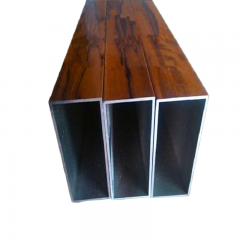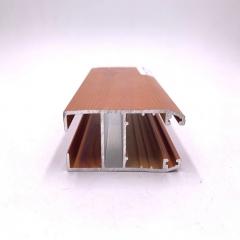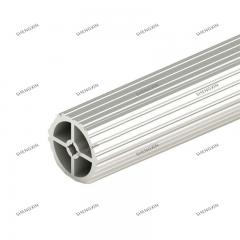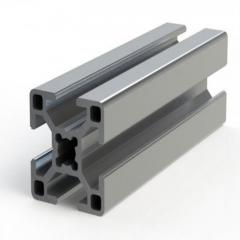
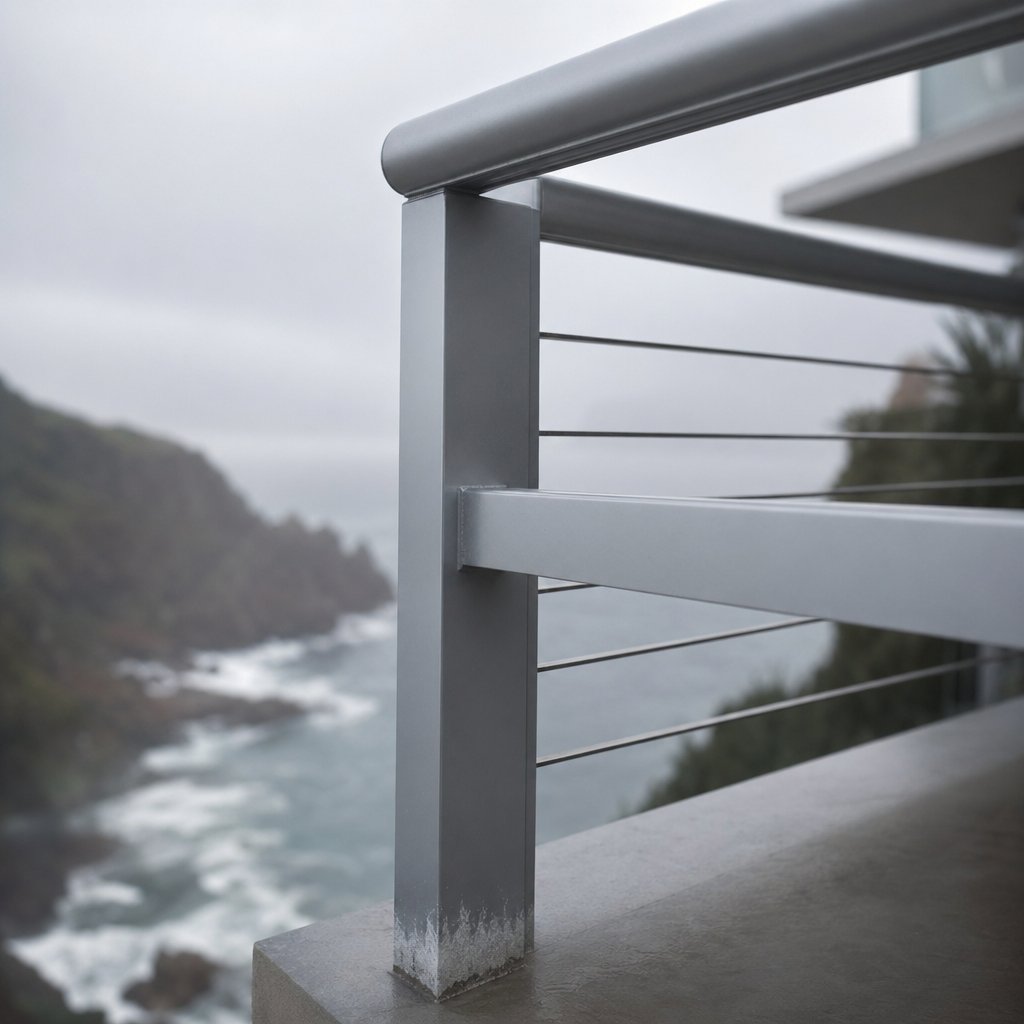
Does anodized aluminum rust? No, not technically. Rust is iron oxide, so aluminum cannot rust in the same way steel does. What anodized aluminum can do is corrode. If the anodic surface is damaged, poorly protected, or exposed to harsh moisture or chlorides, it may oxidize, pit, stain, or develop white or gray corrosion products rather than red-brown rust. Both MetalTek and AOX Actuator draw that same line clearly: aluminum does not rust, but it can still corrode.
For most readers, the confusion comes from what they see. A chalky patch on a railing, window frame, or machine part may look like aluminum rust, so the search phrase feels natural. But anodizing improves corrosion resistance by creating a protective oxide layer on the surface. That helps a lot, yet it is not magic. Scratches, poor sealing, salt air, and trapped moisture can still lead to surface damage.
Anodized aluminum does not technically rust, but it can still corrode when the protective oxide layer is damaged or overwhelmed.
Think of rust as one specific kind of corrosion that happens to iron-based metals. Corrosion is the bigger category. Aluminum belongs in that bigger category, not the rust category. So if you are wondering, will anodized aluminum rust, the accurate answer is no, but corrosion remains possible under the wrong conditions.
That language gap matters more than it seems, because terms like oxidation, pitting, anodic layer, and sealing reveal what is really happening on the metal surface.
If you searched what is anodized aluminum, the short version is this: it is aluminum whose surface has been intentionally converted into a thicker oxide layer through an electrolytic process. That layer is part of the metal itself, not a paint film sitting on top. In plain language, what does anodized mean? It means the surface has been engineered for better wear and corrosion performance. A simple way to define anodized aluminum is "aluminum with a controlled oxide layer that can be porous, colored, and then sealed." Xometry notes that this oxide is porous before sealing, which is why post-treatment matters so much.
The anodized aluminum meaning often gets mixed up with coating terms. It is not just aluminum that has been covered. If you have wondered what is anodized, or even searched what is anodised aluminium, the key idea is the same: anodizing modifies the surface itself. That is also why aluminum behaves differently from iron-based metals and does not form rust in the strict sense.
| Term | Plain-English meaning | Why it matters to anodized aluminum |
|---|---|---|
| Rust | Iron oxide that forms on iron or steel. | Aluminum does not produce true rust, so this is usually the wrong label. |
| Oxidation | A reaction with oxygen. | Aluminum naturally oxidizes, and anodizing thickens and controls that oxide. |
| Corrosion | General metal deterioration caused by the environment. | This is the broader and more accurate term for aluminum damage. |
| Pitting | Small, localized holes or attacks. | It can be one of the more serious forms of aluminum corrosion. |
| Surface staining | Discoloration or residue on the surface. | It may be cosmetic only, not always actual metal loss. |
| Anodic oxide layer | The engineered oxide grown from the aluminum itself. | It provides much of the finish's wear and corrosion resistance. |
| Sealing | Closing the pores in the anodized layer after anodizing. | Better sealing usually means better stain and corrosion resistance. |
Sealing is where real-world durability often separates good anodizing from mediocre anodizing. A sealing review describes the anodic film as porous before sealing and explains how hydration-based sealing helps close those pores and improve corrosion resistance. That is why two parts that both look anodized can age very differently outdoors. The terms matter, but the bigger answer comes from how that surface layer is actually built.
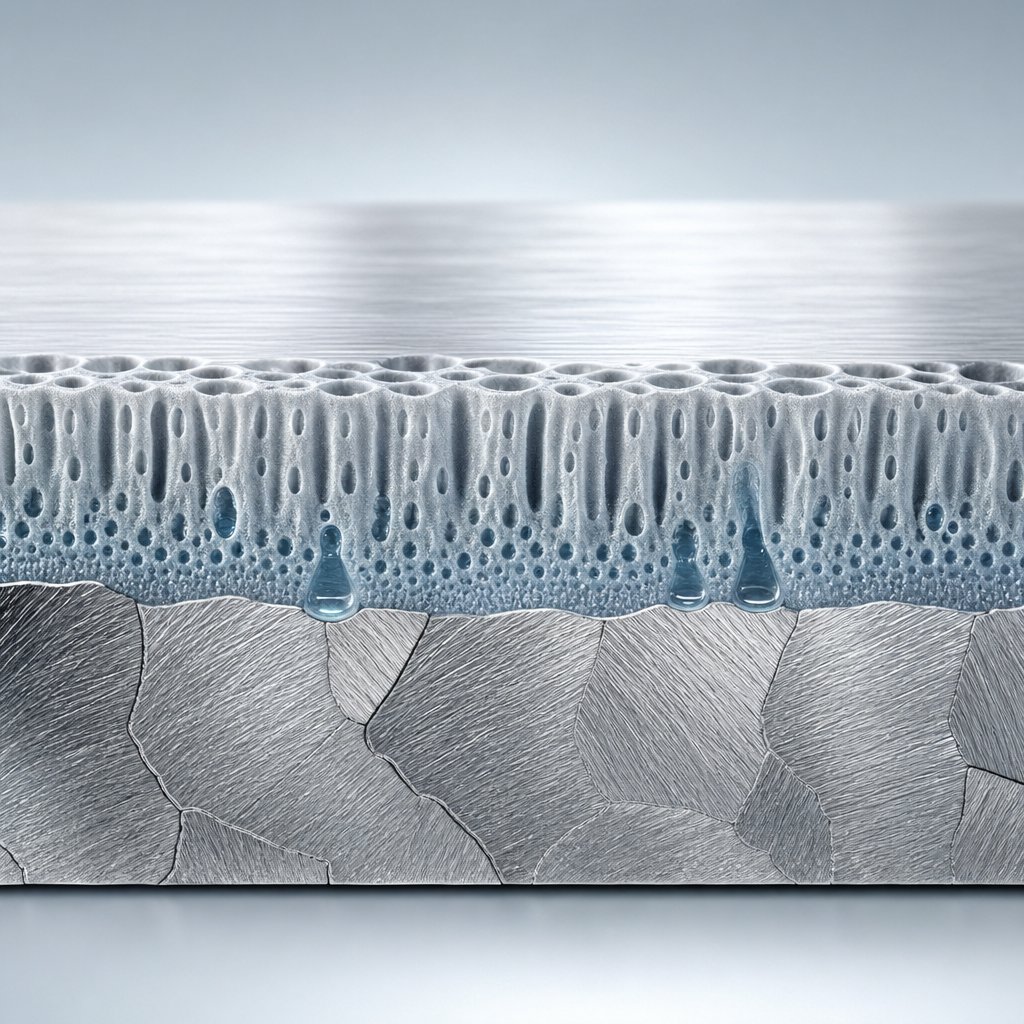
Those terms about oxide layers and sealing become much easier to picture once you see what the process actually does. If you have been wondering how is aluminum anodized, the short answer is that aluminum anodization uses electricity and an electrolyte bath to grow a controlled oxide layer from the aluminum itself. That detail matters for the bigger question of whether the metal can "rust," because the finish is not just a cosmetic film. It is a built-in surface conversion that can improve wear and corrosion performance.
Anodizing thickens and controls aluminum's natural oxide layer, then sealing makes that porous layer more protective.
This is the key distinction. Paint sits on top of the metal. Electroplating adds a different metal onto the surface. The anodization of aluminium, by contrast, converts the outermost aluminum into oxide. That means the anodic layer is integral to the part rather than a separate skin laid over it. In practical terms, that is why an anodized aluminum finish can offer useful hardness, electrical insulation, color options, and better corrosion behavior than bare aluminum.
Sealing is what turns a porous fresh anodic layer into a more durable working surface. Unsealed pores are more open to moisture, stains, and contaminants. Sealed pores are less receptive, so the part usually holds up better in outdoor and industrial service. Even so, sealing does not make the metal invulnerable. Chlorides, scratches, edge damage, and harsh cleaners can still overwhelm the surface, which is where real-world failures start to show.
Failure usually begins at a weak spot, not across the whole part. Good anodizing improves aluminum corrosion resistance, but the finish is not invincible. If the oxide layer is scratched, cracked, thin, poorly sealed, chemically attacked, or held wet against another metal, localized damage can develop. That is the real story behind anodized aluminum corrosion. The metal still does not rust like steel, but exposed aluminum can stain, oxidize, or pit much faster once the protective surface is compromised.
The protective oxide on aluminum is what makes the metal behave so differently from iron. Products Finishing notes that aluminum depends on this oxide film for corrosion resistance, and that strong acids and alkaline solutions can dissolve it. It also explains that the film is generally stable over a pH range of about 4 to 9, with important exceptions. In plain terms, yes, will aluminum corrode under harsh enough conditions. Anodizing delays that process, but damaged areas can still become active sites for attack.
Sealing quality matters here too. A well-sealed anodic layer resists moisture and contamination better. A poor seal leaves the surface more absorbent and more prone to staining and early degradation. Shop-side defect guidance from Worthwill Aluminium lists scratches, sealing failure, film cracking, chloride-related pitting, and acid or alkali water corrosion among the problems that can reduce finish performance.
| Condition | Visible sign | Likely consequence |
|---|---|---|
| Scratch through finish | Bright line, dull scuff, worn patch | Local staining or faster corrosion at the exposed metal |
| Poorly sealed anodizing | Blotchy appearance, dirt pickup, early discoloration | Reduced corrosion resistance and easier contaminant penetration |
| Chloride exposure | White residue, dark specks, small pits | Localized pitting rather than uniform surface change |
| Strong alkaline or acidic cleaner | Etched look, streaks, discoloration | Oxide damage and faster attack of the base aluminum |
| Wet contact with another metal | Damage concentrated near fasteners or joints | Galvanic corrosion focused at the contact zone |
A flat panel in a dry lobby may stay fine for years with a small cosmetic mark. A scratched railing near the coast can behave very differently. Linetec warns that abrasive tools, mortar, strong cleansers, and muriatic acid can permanently damage anodized surfaces. Products Finishing adds that galvanic corrosion needs both electrical contact and a conductive environment, which is why wet saline service is much riskier than dry interior use.
So, anodized aluminum chemical resistance is real, but it has limits. The biggest variable is often not the finish label alone, but the environment around it: dry indoor air, humid splash zones, or chloride-heavy outdoor exposure.
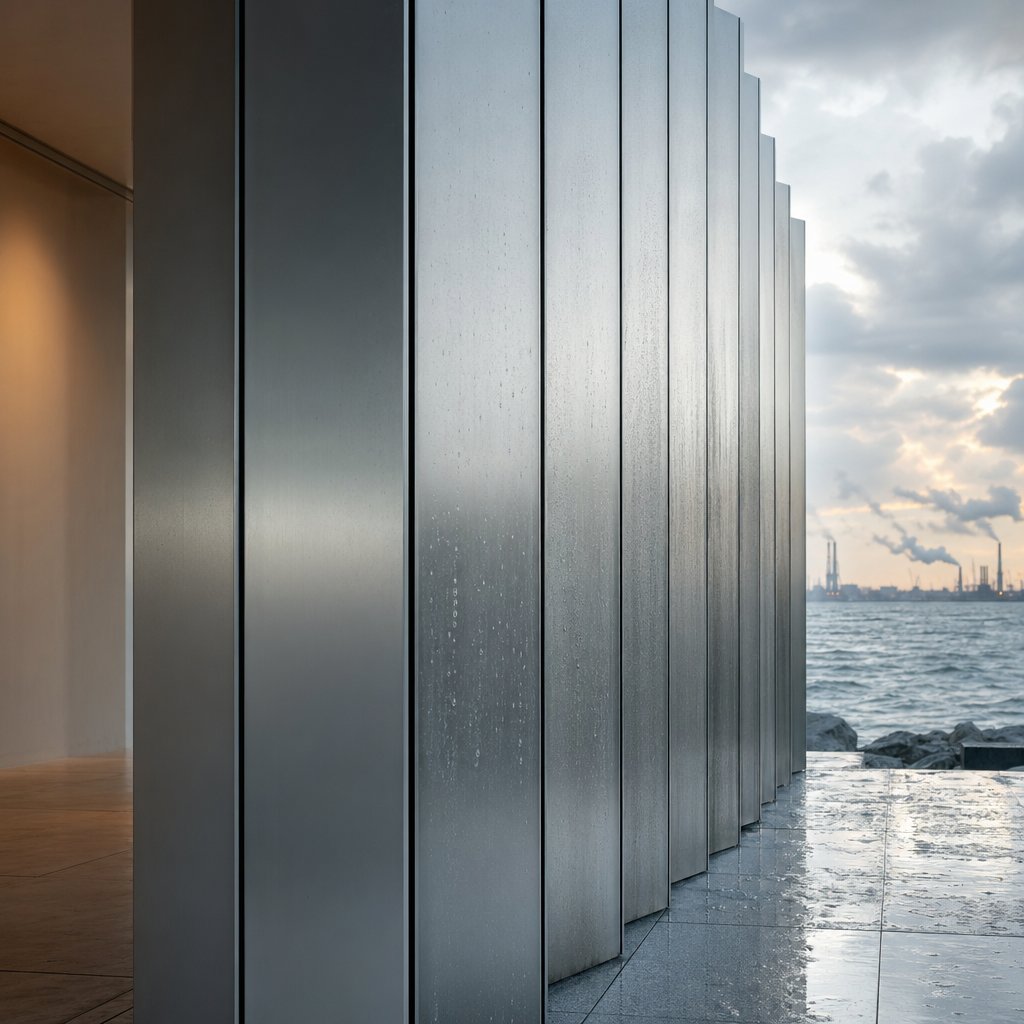
Environment is where the answer gets more specific. Anodizing is strong aluminum corrosion protection, but its real-world performance depends on chloride exposure, time spent wet, surface deposits, coating thickness, and sealing quality. Long-term field studies on architectural anodized aluminum show that marine salts, industrial pollution, and heavy soiling can still drive pitting or coating damage, especially when moisture stays on the surface.
In dry indoor spaces, anodized aluminum usually performs very well because it stays relatively clean and spends little time wet. Humid interiors are still manageable, but condensation around edges, joints, and fasteners can slowly raise the risk. So if you are asking is aluminum corrosion resistant, the fair answer is yes in many ordinary settings, but that resistance is conditional rather than absolute.
Coastal air is harder on the finish because chlorides and humidity support localized attack. Industrial air can be even worse when sulfur-bearing pollutants join the mix. The same architectural exposure research found that anodized aluminum is less affected by atmospheric chlorides than bare aluminum, yet wet chloride-rich and polluted environments still damage anodic coatings over time. It also notes that, in the most aggressive industrial atmospheres, only anodic coatings above 25 µm went ten years without showing pitting. That makes sealing quality and coating thickness especially important near the coast, near factories, and in sheltered areas where grime is not washed away.
| Environment | Typical risks | Likely surface changes | Maintenance priorities |
|---|---|---|---|
| Indoor, dry | Dust, handling wear | Minor dulling or cosmetic marks | Gentle cleaning, avoid abrasion |
| Humid interior | Condensation, trapped moisture | Light staining near joints or fasteners | Keep crevices dry, inspect edges |
| Coastal or salt-heavy air | Chlorides, long wet periods | White residue, dark specks, localized pitting | Rinse deposits, prioritize good sealing and adequate thickness |
| Poolside or splash-prone areas | Moisture, residues, frequent cleaning | Discoloration, patchy dullness, early edge wear | Remove residues promptly, use mild cleaners only |
| Industrial atmosphere | Pollutants, soiling, acidic deposits | Staining, roughness, pitting in sheltered zones | Regular washing, watch sheltered faces and dirt traps |
| Harsh cleaning chemistry | Strong alkaline or acidic products | Etching, streaking, coating breakdown | Stay within approved cleaners and rinse thoroughly |
Two parts with the same alloy and finish can age very differently. A rain-washed exterior may stay sound longer than a protected backside that traps dirt and stays damp. The same MDPI research notes that alumina cannot remain passive in condensates below about pH 4 or above about pH 8.5, which helps explain why aggressive deposits and cleaners can be so destructive. So, is aluminum rust proof? No. It is better to think of anodizing as aluminium corrosion protection, not a guarantee against every environment. And the clues on the surface matter, because fading, chalky residue, pits, and worn edges do not all signal the same level of risk.
Surface changes can look alarming long before they become a structural problem. A dull patch may be dirt. A chalky white mark may be residue. A rough spot at an edge may point to real damage. Guidance from Products Finishing notes that white spotting on anodized aluminum can come from more than one cause, and some defects are on the surface while others relate to the coating itself. Andersen also notes that harsh conditions, rough cleaning, or neglect often mar the finish without necessarily shortening service life, though the marks may remain.
If you are trying to figure out how to tell if aluminum is anodized in service, read the symptoms before jumping to conclusions. People often ask does aluminum tarnish, but dullness on an anodized metal finish is often just soil, atmospheric deposits, or superficial staining. When people ask does anodized aluminum wear off, they are often seeing wear in the anodized finish on aluminum at edges, corners, holes, or handled areas. The bigger question is what remains after gentle cleaning.
| What you see | What it often means | What to do next |
|---|---|---|
| Overall fading or dullness | Soil buildup, especially in sheltered or recessed areas | Wash a small area with water or mild soapy water and compare |
| Chalky white residue or white spots | Surface residue, precipitated salts, or white spotting that may or may not be in the coating | Rinse, dry, and check whether the surface is still rough or pitted |
| Random localized spots or tiny pits | Possible galvanic pitting, fallout corrosion, or contaminant-related attack | Inspect nearby metals, fasteners, sharp edges, and moisture traps |
| Streaks or etched patches after cleaning or construction | Attack from harsh chemicals, mortar, cement, or other alkaline materials | Stop exposure immediately and assess finish damage |
| Worn edges, corners, or hole openings | Higher handling wear and more retained moisture or deposits | Clean, dry, and monitor these areas more closely than flat faces |
The more serious clues are localized, persistent, and rough to the touch. Products Finishing ties white spots and pitting to factors such as chlorides, poor rinsing, trapped chemistry in blind holes, sharp edges, and galvanic activity. Andersen adds that mortar, cement, and other alkaline materials can quickly corrode anodic coatings if they dry on the surface. That means a mark that survives cleaning and leaves texture behind deserves more attention than uniform grime.
Pay special attention where the anodized aluminum coating meets hardware or another metal. Damage that clusters around those joints often points to a different kind of risk, and material pairing starts to matter as much as the finish itself.
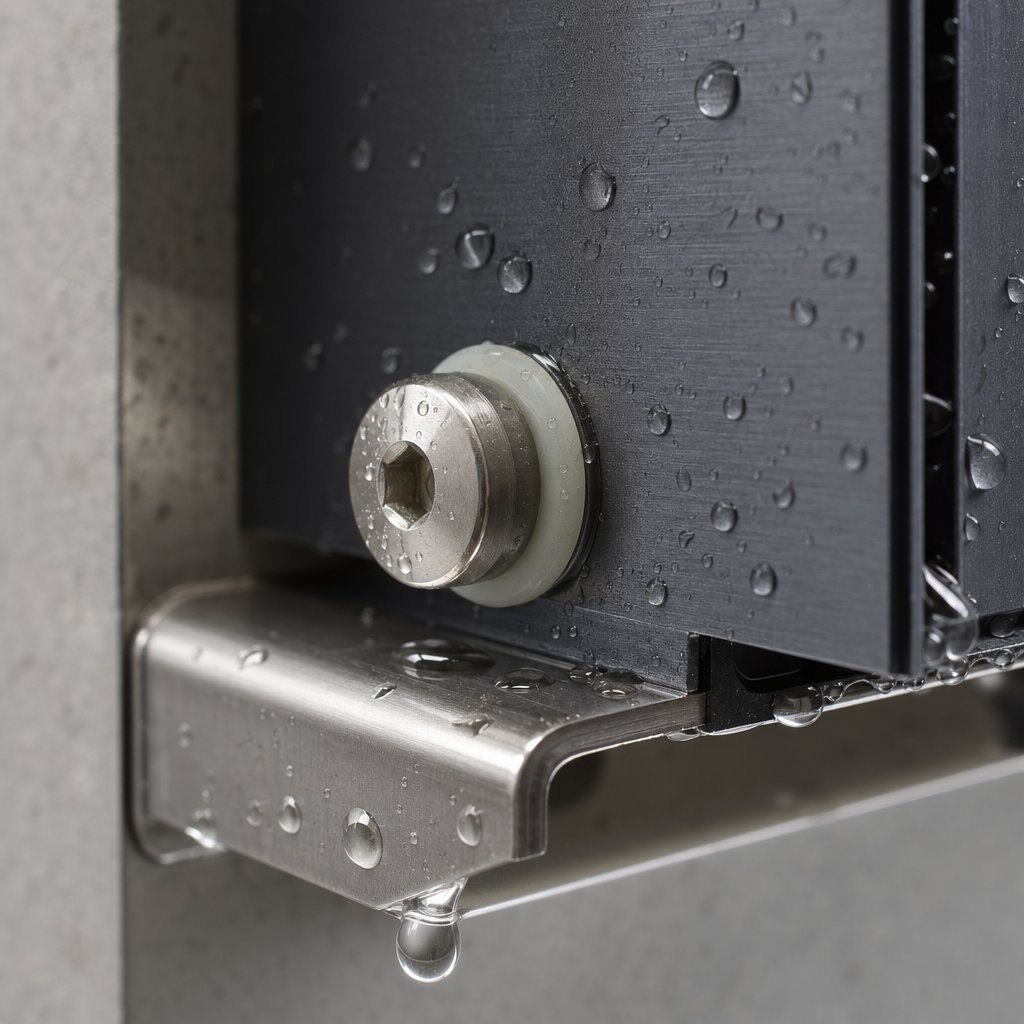
Damage around fasteners and wet joints often raises a bigger material question than cleaning ever will: should the part be anodized aluminum or stainless steel? The difference between aluminum and stainless steel is not just weight or appearance. Anodized aluminum protects itself with a controlled oxide layer. Stainless steel resists corrosion through a chromium-rich passive film, and AOX notes that alloying additions can improve stainless performance in marine or chemical service. That is why each metal wins in a different kind of environment.
Anodized aluminum remains a strong choice when low weight, good looks, and solid outdoor durability matter. It weighs about one-third as much as steel, which can be a major design advantage in architectural and industrial assemblies. Stainless steel usually becomes the safer pick where surfaces stay wet, chlorides are common, or abrasion and sanitation demands are high. Most stainless steel and aluminum corrosion problems do not come from the metals merely being near each other. They start when the two touch and moisture completes an electrical path.
So, does stainless steel react with aluminum? In practical terms, yes, under wet conductive conditions. The stainless steel and aluminum reaction people worry about is galvanic corrosion: stainless acts as the cathode and aluminum becomes the anode. Both Senmit and Marsh Fasteners describe this same pairing.
| Option | Weight-related advantages | Corrosion behavior | Maintenance demands | Galvanic considerations | Best-fit environments |
|---|---|---|---|---|---|
| Anodized aluminum | Very light, good strength-to-weight ratio | Good resistance in moderate exposure, but vulnerable to pitting if the finish is damaged or chlorides build up | Clean gently, protect edges and scratches, inspect seals and wet traps | At risk when coupled to more noble metals in wet service | Dry interiors, many exterior architectural uses, weight-sensitive equipment |
| Stainless steel | Heavier, but better where mass and impact resistance help | Passive film resists many environments; some grades perform better than others in marine or chemical exposure | Usually lower concern for coating damage, but still needs cleaning and grade-appropriate selection | Can accelerate attack on aluminum if directly connected in moisture | Marine, chemical, food, and high-wear settings |
| Mixed assembly | Lets designers use stainless hardware with light aluminum structures | Can perform well or fail early depending on drainage, isolation, and salt exposure | Needs periodic inspection at contact points, fasteners, and crevices | High risk of galvanic corrosion aluminium and stainless steel when water or salt bridges the joint | Only where joint design actively controls contact and moisture |
Not all stainless is the same. Different grades use different levels of chromium and other alloying elements such as nickel and molybdenum, and those additions can improve resistance in marine or chemical settings, as AOX explains. That means buyers should not treat the word "stainless" as a universal answer. In chloride-heavy service, more corrosion-resistant stainless options often justify the extra cost. In lighter-duty applications, anodized aluminum may still be the better balance of weight, appearance, and value.
If you are asking does aluminum react with stainless steel, or do aluminum and stainless steel react every time they touch, the key variables are simple: electrical contact, moisture, and dissimilar metals. Break one part of that circuit and risk drops sharply.
That turns material selection from a vague preference into a practical specification question, which is exactly where the final decision gets clearer.
At the buying stage, the real issue is not just does anodised aluminium rust. It is whether the finish, the setting, and the maintenance plan all line up. In many jobs, the first decision is really anodized aluminum vs aluminum, or even anodized vs non anodized aluminum, long before stainless enters the conversation.
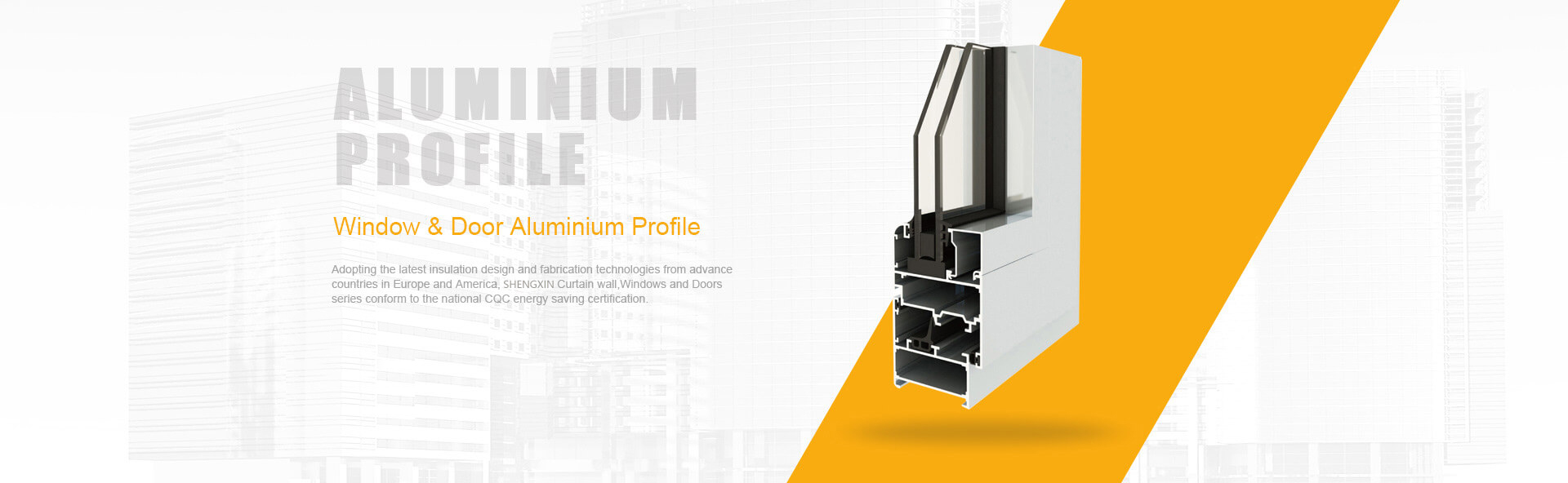
For custom profiles, corrosion performance depends on more than chemistry alone. Extrusion quality, finish control, and technical support all influence how the part performs in service. As one example, Shengxin Aluminium offers industrial anodized extrusion support with over 30 years of manufacturing experience, 35 extrusion machines, and in-house anodizing lines for customized solutions from design through delivery. That kind of supplier depth matters when your project needs a specific coating class, reliable sealing, and repeatable production quality.
The practical takeaway is simple: anodizing is often a smart upgrade over bare aluminum, but only when the finish is specified for the real environment. Better questions at the quoting stage usually prevent the surface problems people mistakenly call rust later on.
Yes. Anodizing improves corrosion resistance, but salt deposits, long wet periods, and poor drainage can still trigger pitting or surface breakdown over time. Coastal performance depends on finish quality, sealing, coating specification, and how easily the part can be cleaned, especially around edges, fasteners, and crevices.
White residue is usually not rust. It is often oxidation byproducts, salt deposits, mineral spotting, or residue left on the surface. If gentle cleaning removes it and the metal stays smooth, the issue may be cosmetic. If the area remains rough, etched, or pitted, the anodized layer may be compromised.
A scratch will not create true rust because aluminum does not form iron oxide. However, a deep scratch can expose bare metal, making that spot more vulnerable to staining, oxidation, or localized corrosion, especially in wet, salty, or chemically aggressive conditions. Light indoor scuffs are often less serious than damaged outdoor edges.
It depends on the job. Anodized aluminum is lighter and often a strong fit for architectural and industrial applications, while stainless steel is usually the safer choice where chloride exposure, constant moisture, or frequent washdowns are expected. If both metals are used in one assembly, they should be isolated to reduce galvanic corrosion risk.
Ask about the intended service environment, anodizing class or target thickness, sealing method, alloy suitability, approved cleaners, and areas likely to wear first. For custom extrusions, it also helps to work with a supplier that can control both extrusion and anodizing in-house. For example, Shengxin Aluminium offers custom extrusion support, in-house anodizing lines, and technical support that can help align finish choices with real-world exposure.



 Интернет Сервис
 0086 136 3563 2360
 sales@sxalu.com
 +86 136 3563 2360
 русский
 English
 français
 Deutsch
 español
 português
 العربية
 ไทย
ไทย Việt
Việt Українська