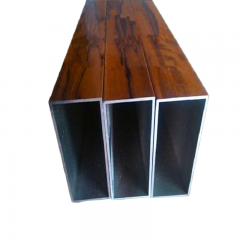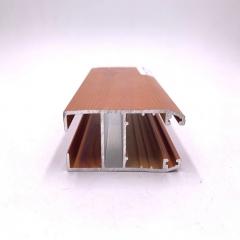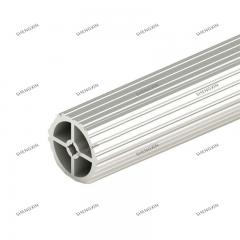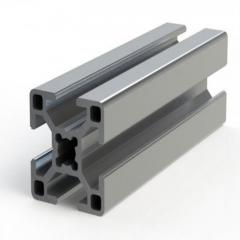
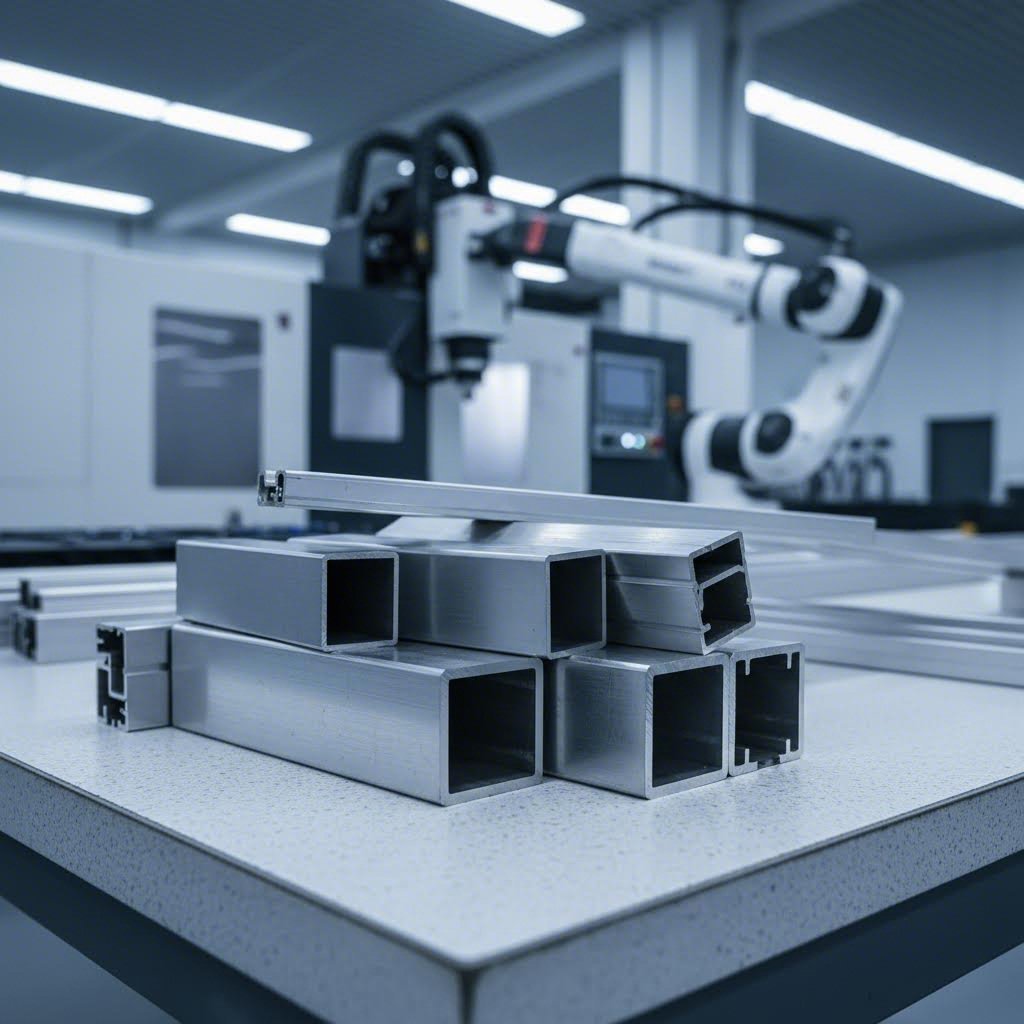
Ever ordered aluminum profiles only to realize they arrived in standard lengths that don't quite fit your project? You're staring at a 6-meter bar when you actually needed five pieces at 847mm each. Now you're scrambling to find the right tools, workspace, and time to make those cuts yourself. Sound familiar?
This is exactly why cut to length aluminum extrusion services exist. They bridge the gap between raw material and project-ready components, delivering extruded aluminum in the precise dimensions you specify.
When you order aluminum extrusions with cut to length service, the supplier takes standard-length profiles and precision-cuts them to your exact specifications before shipping. Instead of receiving long bars that require additional processing, you get pieces ready for immediate assembly or installation.
Cut to length aluminum extrusion is a value-added service where suppliers precision-cut standard aluminum profiles to customer-specified dimensions, delivering project-ready components that eliminate on-site cutting and reduce material waste.
Think of it this way: aluminum extrusion manufacturers typically produce profiles in standard lengths ranging from 4 to 7 meters. These lengths work well for transportation and storage, but rarely match what your actual project demands. The cut to length service transforms these standard bars into custom aluminum extrusions sized precisely for your application.
The journey from raw aluminum extrusion to your finished cut pieces involves several key stages:
This process eliminates the need for you to invest in cutting equipment, develop cutting expertise, or allocate workspace for material processing. For companies working with bespoke aluminium extrusion projects, this service proves especially valuable when dealing with complex profiles that require specialized cutting techniques.
The appeal of cut to length services spans multiple industries and user types. Manufacturers building modular framing systems appreciate receiving components ready for immediate assembly. Architects and contractors value the time savings when aluminum profiles arrive sized for installation. Even hobbyists working on custom projects benefit from professional-quality cuts they couldn't achieve with basic tools.
Consider this practical scenario: you're building a custom enclosure using aluminum angle profiles. Without cut to length service, your aluminum excursion into DIY cutting might involve purchasing a saw, setting up proper dust collection, learning the right blade speeds, and accepting less-than-perfect results. With professional cutting, you skip straight to assembly with pieces that fit together precisely.
The value proposition is straightforward—you trade a modest per-cut fee for significant savings in time, equipment costs, material waste, and frustration. For projects requiring dozens or hundreds of cuts, the math becomes even more compelling.
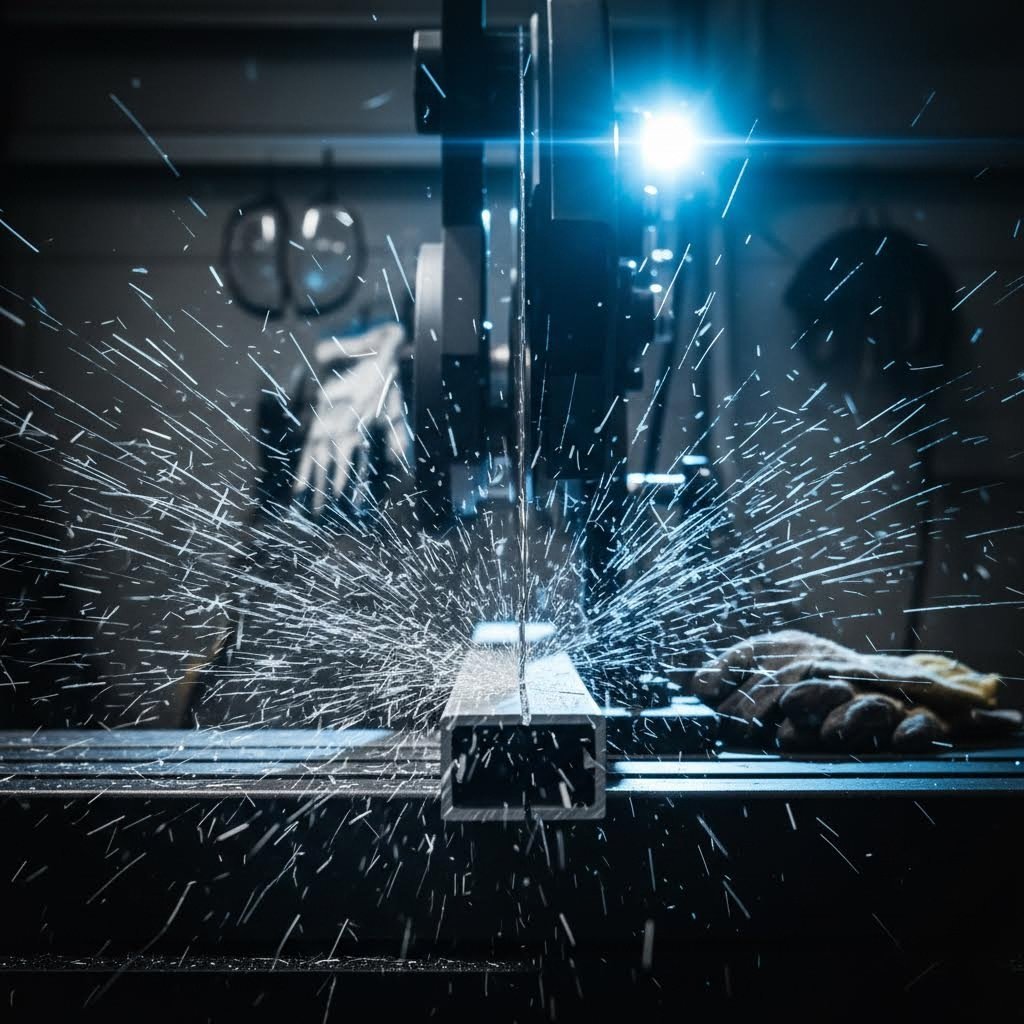
Not all cuts are created equal. When you're figuring out how to cut aluminum extrusion for your project, the method used directly affects edge quality, dimensional accuracy, and ultimately, how well your components fit together. Understanding these differences helps you specify the right approach—or choose a supplier with the capabilities your project demands.
The cutting aluminum extrusion landscape breaks down into several distinct methods, each with unique strengths. Let's examine what happens at the cutting edge—literally.
Cold Saw Cutting represents the workhorse of professional aluminum processing. These saws use circular blades that remain cool during cutting, preventing heat-related distortion. According to industry analysis from Simek Machinery, cold saws produce burr-free, milled-quality edges that prepare workpieces efficiently for downstream operations. They excel at fast, precise cutting of rods, bars, tubes, and extrusions.
Miter Saw Cutting offers flexibility when angled cuts are required. These tools allow blade angle adjustments for cuts at 45 degrees, 90 degrees, or custom angles. They're particularly valuable in decoration and construction applications where profiles must join at precise angles. However, they have thickness limitations and aren't ideal for larger aluminum profiles.
CNC Precision Cutting takes accuracy to another level. Computer-controlled systems execute programmed cuts with exceptional repeatability, making them perfect for high-volume orders requiring consistent dimensions. When you need hundreds of identical pieces, CNC methods eliminate the human variability that can creep into manual operations.
Waterjet Cutting uses high-pressure water mixed with abrasives to slice through aluminum without generating heat. This non-thermal process eliminates heat-affected zones and thermal deformation—critical factors when working with profiles that might warp under traditional cutting heat. The precision is excellent, though equipment costs run higher than conventional methods.
Wondering how to cut aluminium extrusion for optimal results? The answer depends on your priorities. Here's a practical comparison to guide your decisions:
| Method | Precision Level | Edge Quality | Best Applications | Relative Cost |
|---|---|---|---|---|
| Cold Saw | ±0.5mm typical | Excellent—burr-free, smooth | Standard straight cuts, production runs | Low to Moderate |
| Miter Saw | ±0.5-1.0mm | Good—may require light deburring | Angled cuts for frames, corners | Low |
| CNC Cutting | ±0.1-0.3mm | Excellent—consistent finish | High-volume, tight tolerances | Moderate to High |
| Waterjet | ±0.1-0.2mm | Excellent—no thermal effects | Heat-sensitive profiles, complex shapes | High |
| Band Saw | ±1.0-2.0mm | Fair—requires finishing | Curved cuts, irregular shapes | Low |
| Laser Cutting | ±0.1mm | Excellent—smooth, burr-free | Complex contours, precision work | High |
Notice the relationship between precision and cost? Generally, tighter tolerances require more sophisticated equipment, which translates to higher per-cut pricing. The best way to cut aluminum extrusion isn't always the most precise method—it's the one that matches your actual requirements without overspending.
Professional cut to length services typically advertise tolerances in the ±0.5mm range for standard cuts. What does this mean practically? If you order a piece at 500mm, you might receive anything from 499.5mm to 500.5mm. For most assembly applications, this works perfectly.
When your project demands tighter control, look for suppliers offering CNC capabilities with tolerances of ±0.1mm to ±0.3mm. These precision cuts cost more but ensure components fit together without gaps or interference—essential for enclosures, sliding mechanisms, or any application where accumulated tolerances could cause problems.
Here's a practical tip: when learning how to cut aluminum extrusions for critical assemblies, always communicate your functional requirements rather than just dimensional specifications. A good supplier can recommend the appropriate cutting method based on how the pieces will actually be used.
Understanding these cutting methods positions you to make informed decisions about your specifications—and sets the stage for accurate measurement and ordering practices.
You've selected your cutting method. Now comes the part where precision truly matters—getting your measurements right. A perfectly executed cut means nothing if the specified dimension was wrong from the start. Whether you're converting .75 inch to mm for an international supplier or working directly in imperial units, accurate measurement and clear specification separate successful projects from costly reorders.
Imagine ordering fifty aluminum profiles at 80mm lengths, only to discover your assembly actually requires 80 mm to inches converted dimensions because your drawings used imperial units. These mix-ups happen more often than you'd think—and they're entirely preventable with proper measurement practices.
The foundation of accurate ordering starts with understanding tolerances. According to industry standards published by the Aluminum Association, tolerances widen as dimensions increase. A 0.500" OD tube achieves better tolerance (around ±0.003") than a 1.000" OD tube. This relationship between size and achievable precision directly impacts how you should specify your lengths.
For complex profiles, where you take your measurement matters enormously. Consider a T-slot extrusion: do you measure from the outer edge of the flange, the center of the slot, or the base of the profile? Different reference points yield different numbers—and without clear specification, you're gambling on which interpretation your supplier uses.
Profile complexity directly influences cutting considerations—and your specification approach should reflect this reality. Simple rectangular tubes and angles present straightforward measurement scenarios. But what happens with intricate custom shapes featuring multiple cavities, varying wall thicknesses, or asymmetrical features?
As noted in aluminum extrusion design guidelines from Silver City Aluminum, profiles with unequal wall thicknesses can twist or bend during production because aluminum flows at different rates through varying cross-sections. These same characteristics affect how profiles behave during cutting. Complex shapes may require additional fixturing or specialized cutting approaches—information your supplier needs upfront.
Here's what effective specification documentation includes:
Common measurement mistakes to avoid? Assuming your supplier shares your frame of reference. What seems obvious to you—measuring from the inside edge rather than outside, for instance—might not be obvious to someone working from your written specifications alone. Dimensioning and tolerancing principles emphasize that every measurement needs a clear datum or reference point.
Another frequent error involves ignoring tolerance stacking. If your assembly uses multiple cut pieces that must align precisely, individual piece tolerances accumulate. Three pieces each with ±0.5mm tolerance could create up to 3mm of cumulative variation—enough to cause fit problems in precision applications.
Taking time to create clear, complete specifications pays dividends in accurate cuts and smooth project execution. With your measurements locked down, you're ready to consider which profile types best serve your application.
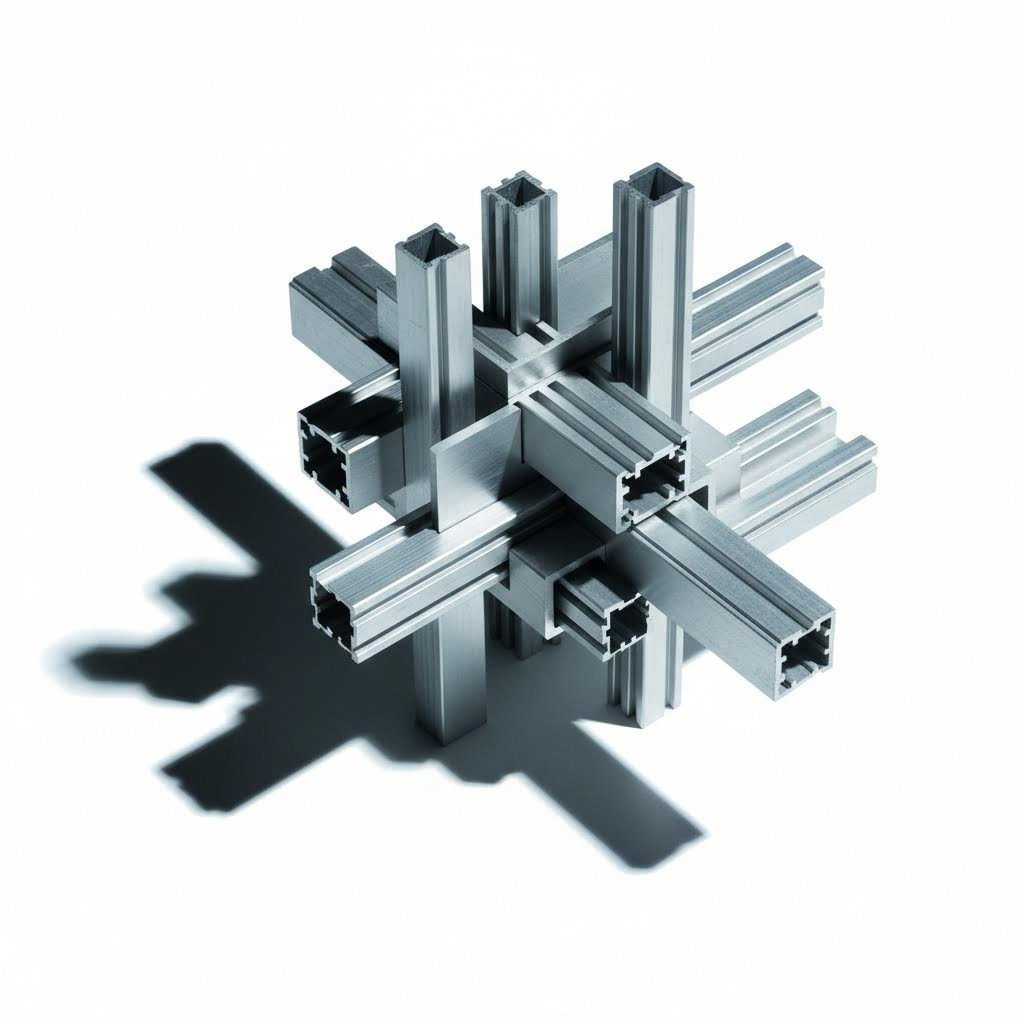
Walk into any manufacturing facility, construction site, or maker space, and you'll encounter aluminum extrusion profiles in countless configurations. From the structural framing holding equipment enclosures together to the sleek trim adorning building facades, these profiles serve remarkably diverse purposes. Understanding which shapes suit your application—and how each behaves during cutting—helps you order with confidence.
The aluminum extrusion market offers everything from simple geometric shapes to intricate custom designs. According to Orange Aluminum's industry analysis, standard profiles provide exceptional versatility and performance across applications. Let's explore the most commonly ordered categories:
When people discuss 80/20 aluminum, they're referring to T-slot aluminum extrusion systems named after the Pareto principle—achieving 80% of results with 20% of effort. As explained by CPI Automation, these modular framing systems consist of aluminum profiles with T-shaped slots running along their length, allowing attachment of various accessories and fasteners to create custom structures.
These systems come in multiple series based on profile dimensions:
What makes T-slot systems particularly relevant for cut to length services? Their modular nature means projects often require multiple pieces at various specific lengths. Ordering pre-cut components eliminates the need for on-site processing while ensuring each piece fits the overall assembly precisely.
Selecting the right profile involves balancing structural requirements, aesthetic considerations, and practical constraints. A metal stud framing project demands different characteristics than aluminum fence panels for residential applications.
Consider these matching criteria:
Not all profiles cut equally. Simple shapes like flat bars and solid rounds present minimal challenges—they stay stable during cutting and produce clean edges with standard equipment. Complex profiles introduce variables that affect both cutting approach and pricing.
Hollow profiles require proper support during cutting to prevent deformation. A thin-walled aluminum square tube might collapse slightly under saw pressure without adequate fixturing. Multi-cavity profiles with internal walls add complexity because the blade encounters varying material thickness across a single cut.
Asymmetrical shapes—profiles with unequal wall thicknesses or off-center features—may twist during cutting if not properly secured. Gabrian's manufacturing capabilities highlight that profile width can extend up to 400mm depending on shape, size, and complexity, indicating how geometry directly influences processing requirements.
When ordering cut to length services for complex profiles, communicate the profile's full geometry to your supplier. Providing cross-section drawings helps them select appropriate cutting methods and fixturing—preventing distortion and ensuring clean, accurate cuts that match your specifications.
With profile selection understood, you'll want to consider what happens after the cut—the finishing options that transform raw cut edges into professionally completed components.
A precision cut delivers accurate length—but what about the cut edge itself? Raw aluminum edges fresh from the saw often feature burrs, sharp corners, and surface irregularities that can cause problems during assembly or pose safety risks during handling. Professional cut to length services frequently offer finishing operations that transform those raw edges into polished, functional surfaces ready for your application.
Picture this: you've received your precisely cut aluminum profiles, but the edges catch on everything they touch. Those tiny metal slivers left behind during cutting aren't just annoying—according to manufacturing specialists at KEMPF Tools, burrs can come loose during use and create contamination issues, particularly in applications involving compressed air or moving components. Clean, burr-free edges also significantly reduce injury risks during assembly.
Here's what professional edge finishing typically includes:
Beyond edge work, surface treatments can dramatically enhance both appearance and performance. As detailed in comprehensive finishing guides from NiceRapid, modern finishing technologies offer unprecedented design flexibility while providing protection against corrosion and wear.
Common surface treatments applied after cutting include:
Your edge quality requirements should directly influence cutting method selection. If you need mirror-smooth ends for visible applications, CNC cutting with subsequent polishing makes sense. For structural components hidden within assemblies—such as internal supports or bolts for 4x4 posts in framing systems—standard saw cuts with basic deburring typically suffice.
The key is matching finishing investment to actual requirements. Over-specifying wastes money; under-specifying creates assembly headaches or safety concerns. When in doubt, discuss your end application with your supplier—they can recommend the finishing combination that delivers results without unnecessary cost.
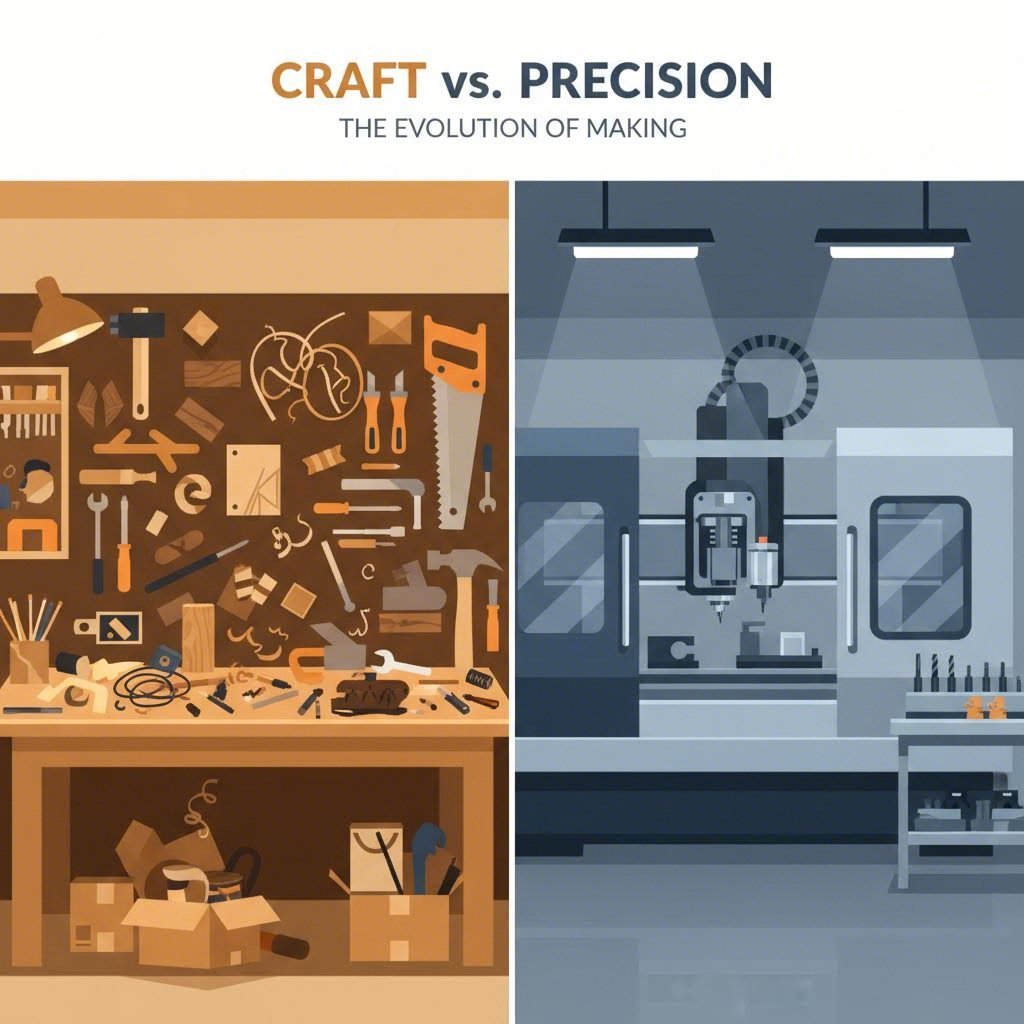
You've got a project requiring aluminum extrusion pieces at specific lengths. The question now becomes: should you cut them yourself or pay for professional cut to length service? The answer isn't always obvious—and getting it wrong can cost you time, money, or both.
Understanding when each approach delivers the best value helps you make smarter decisions. Sometimes grabbing a saw and making cuts yourself is the clear winner. Other times, professional services pay for themselves many times over. Let's break down the scenarios where each option shines.
Consider what professional cutting actually provides beyond the obvious. According to Mead Metals' industry analysis, cut to length services offer improved accuracy, increased efficiency, and cost savings through reduced waste. These benefits compound in specific scenarios:
High-precision requirements: When tolerances tighter than ±1mm matter to your assembly, professional equipment delivers what hand tools cannot. CNC cutting achieves ±0.1-0.3mm precision consistently—try matching that with a miter saw in your garage.
Complex profile geometries: Custom aluminum extrusion shapes with multiple cavities, thin walls, or asymmetrical features require specialized fixturing during cutting. Without proper support, these profiles deform, twist, or produce ragged edges. Professional services have the equipment and expertise to handle intricate custom extrusions without damage.
Volume production: Here's where the math gets interesting. Research from SendCutSend reveals that the first part of any production run costs significantly more due to setup and handling—but subsequent pieces see dramatic price reductions. Their data shows discounts up to 86% on bulk orders compared to single-piece pricing. When you need fifty identical pieces, professional services spread setup costs across every unit.
Time-sensitive projects: Your hours have value. Spending an afternoon cutting aluminum when you could be assembling, designing, or serving customers represents a real cost—even if it doesn't appear on an invoice. Professional services free you to focus on higher-value activities.
So when does doing it yourself actually make sense? The calculation depends on what you already have, what you need, and what your time is worth.
| Factor | DIY Cutting | Professional Cut to Length |
|---|---|---|
| Equipment Needed | Miter saw, cold saw, or band saw; blades suitable for aluminum; clamps and measuring tools; dust collection; safety equipment | None—supplier provides all equipment and expertise |
| Precision Achievable | ±1-3mm typical with hand tools; highly operator-dependent | ±0.5mm standard; ±0.1-0.3mm with CNC methods |
| Time Investment | Setup time plus cutting time plus cleanup; learning curve for unfamiliar profiles | Specification time only; pieces arrive ready to use |
| Edge Quality | Variable; often requires secondary deburring and finishing | Consistent; finishing options available as add-on services |
| Best For | Simple profiles; loose tolerances; small quantities (1-5 pieces); existing equipment and skills | Complex profiles; tight tolerances; medium to large quantities; time-critical projects; custom extruded aluminum requiring precision |
| Hidden Costs | Blade wear; material waste from mistakes; workspace requirements; safety risks | Minimum order quantities; shipping; setup fees on small orders |
Notice how the "best for" scenarios differ substantially? DIY cutting wins when you're making a handful of simple cuts on standard shapes—think trimming a few aluminum angles for a hobby project. You probably own the tools already, precision requirements are forgiving, and the time invested remains minimal.
Professional services take the lead once complexity enters the picture. Custom extrusion aluminum with intricate cross-sections, projects demanding dozens of identical pieces, or assemblies where accumulated tolerance errors cause fit problems—these scenarios favor outsourcing the cutting work.
Professional cut to length pricing typically includes several components that affect your total investment:
The economics shift based on your specific situation. A steel stud framing contractor who cuts aluminum daily already owns appropriate equipment and has developed the skills—DIY cutting makes obvious sense. A product designer ordering custom extruded aluminum prototypes quarterly lacks that infrastructure and benefits from professional services.
Here's a practical framework for choosing your approach:
Choose DIY cutting when:
Choose professional services when:
Remember that professional cutting isn't just about the cut itself—it's about receiving project-ready components. When custom aluminum extrusion pieces arrive precisely sized with clean edges, you skip straight to assembly. That efficiency often justifies the service cost, especially for projects where your time carries significant value.
Even with careful planning, things occasionally go wrong. Your aluminum pieces arrive, you unpack them eagerly—and something isn't right. Maybe the lengths are off, the edges look rough, or the pieces simply don't fit your assembly the way they should. Before frustration sets in, understand that most cut to length problems have identifiable causes and practical solutions.
Knowing how to prevent issues upfront—and how to handle them when they occur—saves time, money, and project delays. Let's walk through the most common problems and how to address each one effectively.
Most cut to length issues trace back to the ordering stage rather than the cutting process itself. According to manufacturing troubleshooting research from EOXS, inaccurate cuts often result from incorrect specifications, miscommunication, or assumptions that don't match reality. Here's what goes wrong most frequently—and how to prevent it:
When issues do occur, systematic troubleshooting helps you identify causes and implement solutions. Here are the most frequent problems and their remedies:
Prevention beats correction every time. Clear communication with your cut to length supplier eliminates most problems before they happen:
Before ordering: Ask specific questions about their cutting capabilities, standard tolerances, and how they handle complex profiles. Confirm they understand your measurement methodology—especially important when converting between systems. How many inches is 60 mm? It's approximately 2.36 inches, but confirm your supplier uses the same conversion precision you do.
During ordering: Provide complete documentation including drawings, CAD files if available, and written specifications. Note any critical dimensions explicitly. If certain tolerances matter more than others, highlight them.
After receiving orders: Inspect pieces promptly. Measure multiple samples from each batch—not just the first piece. Check lengths, edge quality, and overall condition. Document any issues with photographs and specific measurements before contacting your supplier.
A systematic inspection process catches problems early and provides documentation if disputes arise. Here's what to check:
When pieces arrive out of specification, contact your supplier immediately with specific details: which pieces are affected, how they deviate from specifications, and supporting measurements or photographs. Reputable suppliers typically offer replacement pieces, reprocessing, or credits for legitimate quality issues.
Understanding how to navigate these challenges prepares you for smooth ordering experiences—which brings us to the complete process from initial inquiry through delivery.
Ready to place your first cut to length order? The process might seem straightforward—specify what you need, pay, and wait for delivery. But experienced buyers know that what happens between initial inquiry and receiving finished pieces determines whether your project stays on schedule or hits frustrating delays.
Whether you're ordering custom cut aluminum for a single prototype or establishing an ongoing supply relationship, understanding each step helps you navigate the process confidently. Let's walk through the complete journey from concept to delivery.
According to industry purchasing guides, the aluminum extrusion buying process follows a predictable sequence that builds confidence at each stage. Clear orders and good communication prevent costly mistakes later. Here's how successful orders typically progress:
What documentation should you prepare before reaching out to suppliers? Having these materials ready streamlines the entire process:
Smart buyers gather critical information before placing orders. These questions reveal supplier capabilities and prevent surprises:
Lead times vary significantly based on several factors. A simple order of standard profiles with basic cuts might ship within days. Complex custom aluminum extrusion orders involving die creation, special alloys, or extensive finishing could require weeks or months.
Factors that affect production schedules include:
For time-sensitive projects, discuss expedited options during quoting. Many suppliers offer rush processing for additional fees—worth considering when project delays cost more than premium shipping.
Experienced buyers share common practices that prevent problems:
Start early. Allow buffer time for samples, revisions, and unexpected delays. Rushing orders increases error probability and limits your options if problems arise.
Document everything. Email confirmations, signed specifications, and written approvals create clear records. Verbal agreements disappear when disputes arise.
Build relationships. Suppliers who know your requirements and quality expectations deliver better results over time. A first order establishes baseline; subsequent orders improve as mutual understanding develops.
Inspect promptly. Check delivered pieces against specifications immediately. Most suppliers have limited windows for reporting quality issues—waiting weeks to inspect forfeits your recourse options.
With the ordering process understood, one critical decision remains: selecting the right supplier whose capabilities match your project requirements.
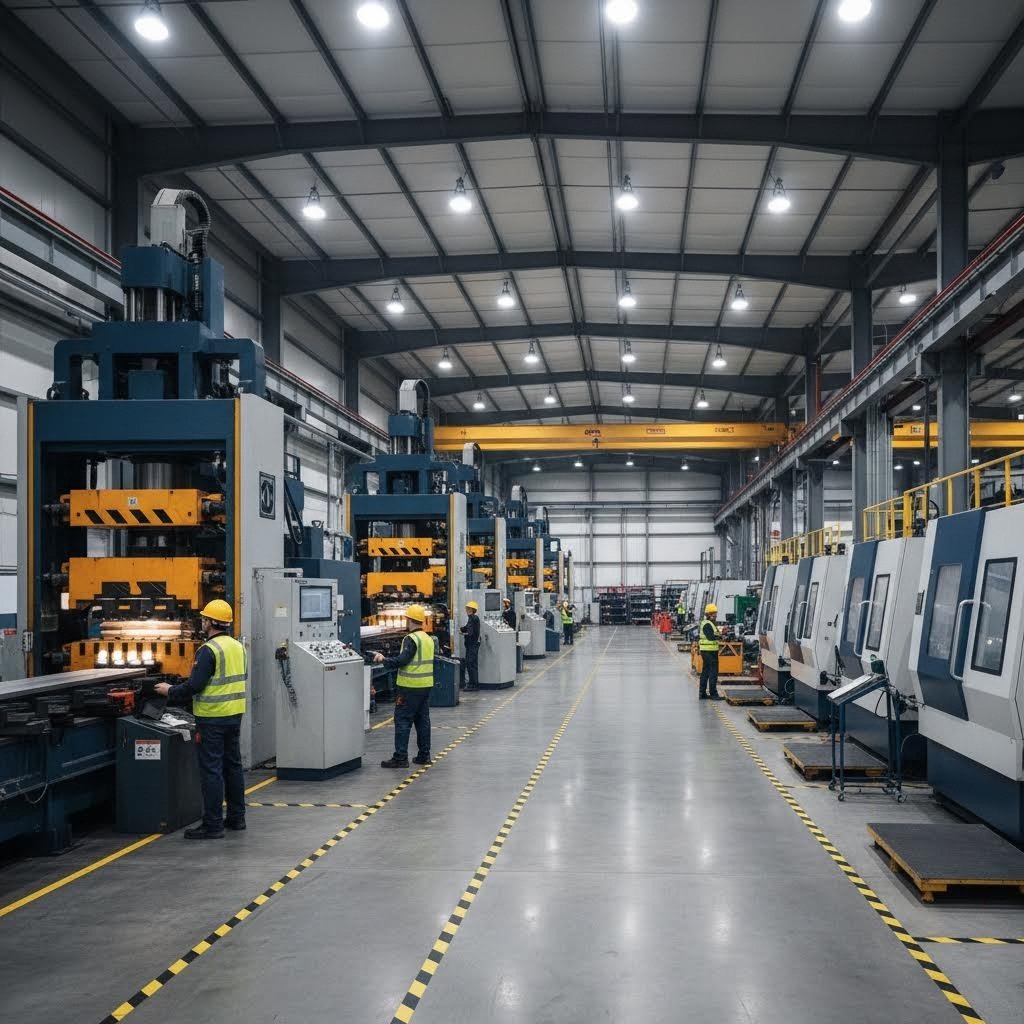
You've mastered the specifications, understood cutting methods, and mapped out your ordering process. Now comes the decision that ties everything together: selecting a supplier whose capabilities align with your project requirements. The right partner delivers precision cuts, consistent quality, and reliable service. The wrong choice creates headaches that ripple through your entire project timeline.
How do you distinguish between suppliers who simply offer cutting services and those who function as true manufacturing partners? It comes down to evaluating specific capabilities, asking the right questions, and understanding what separates adequate from exceptional.
Think beyond the basic question of "can they cut aluminum?" Almost any metal supplier can make cuts. The real differentiators emerge when you examine how they cut, what precision they guarantee, and what additional value they bring to your projects.
According to supplier evaluation research from Inquivix Technologies, choosing the right supplier affects your product design, manufacturing process, product quality, and cost. Your supplier plays a vital role in ensuring consistency—whether you're building complex architectural structures, manufacturing automotive components, or developing precision-engineered products.
Start your evaluation with these fundamental capability areas:
Beyond equipment lists, examine how suppliers support you throughout the project lifecycle. The best partners function as extensions of your engineering team—not just order-takers who process specifications without engagement.
Essential capabilities to evaluate include:
Understanding theoretical evaluation criteria helps—but seeing how these capabilities come together in an actual operation makes the concepts concrete. Consider what a fully integrated aluminum extrusion and processing facility offers.
Shengxin Aluminium's deep processing and custom extrusion services demonstrate the kind of comprehensive capability profile worth evaluating. Their facility houses 35 extrusion presses ranging from 600T to 5500T—meaning they handle everything from delicate custom extruded aluminum profiles to heavy industrial sections without capacity constraints.
For cut to length services specifically, their CNC machining centers deliver precise cutting, drilling, and bending operations. This in-house processing capability means your aluminum t slot rail components or custom architectural profiles move directly from extrusion to cutting to finishing without leaving the facility—eliminating the quality variations and timeline extensions that occur when work transfers between vendors.
Surface treatment options matter for projects requiring finished appearances or enhanced durability. Comprehensive suppliers offer multiple finishing pathways: anodizing in standard and custom colors (including options like Champagne and Rose Gold), powder coating for durable colored finishes, PVDF for architectural applications requiring extended weathering performance, and specialized treatments like micro-arc oxidation for demanding environments.
Perhaps most valuable is end-to-end technical support. Suppliers with experienced engineering teams assist from initial die development through mass production—helping optimize designs for manufacturability, recommending appropriate alloys and tempers, and catching potential issues before they become production problems. This partnership approach transforms a transactional supplier relationship into a genuine technical collaboration.
Custom aluminum extrusion cost varies significantly based on supplier capabilities, location, and service level. The lowest quoted price rarely represents the best value. According to industry analysis from supplier selection research, low upfront prices can hide indirect costs that accumulate over time—including quality inconsistencies, delivery delays, and limited problem-resolution support.
Evaluate total cost of ownership rather than unit price alone:
Certain warning signs suggest a supplier may not meet your requirements reliably:
The most successful cut to length partnerships develop over time. First orders establish baseline expectations; subsequent orders refine understanding and improve outcomes. As noted by Sierra Aluminum's operational philosophy, trusted partners build reputations for excellence, and customers trust their expertise when designing or adapting products for performance or price.
Invest time in initial supplier evaluation. Request samples or trial orders before committing to large programs. Provide clear feedback—both positive and constructive—so your supplier understands your priorities. Suppliers who know your requirements and quality expectations deliver better results over time.
Whether you're sourcing 80 20 aluminum framing components, architectural trim, or precision industrial profiles, the right supplier relationship transforms cut to length services from a simple commodity purchase into a competitive advantage. Your aluminum arrives precisely sized, professionally finished, and ready for immediate use—letting you focus on what you do best while your supplier handles the cutting complexity.
With these evaluation criteria in hand, you're equipped to select a cut to length partner whose capabilities match your project demands. The investment in proper supplier selection pays dividends through every order: fewer quality issues, more predictable timelines, and aluminum extrusion components that fit your applications perfectly.
Cut to length aluminum extrusion is a value-added service where suppliers precision-cut standard aluminum profiles to your exact specifications before shipping. Instead of receiving long bars in standard 4-7 meter lengths, you get pieces ready for immediate assembly or installation. Professional services typically achieve tolerances of ±0.5mm or better using cold saws, CNC cutting, or waterjet methods, eliminating on-site cutting requirements and reducing material waste.
The main cutting methods include cold saw cutting (produces burr-free edges with ±0.5mm precision), miter saw cutting (ideal for angled cuts at 45° or 90°), CNC precision cutting (achieves ±0.1-0.3mm tolerance for high-volume orders), and waterjet cutting (eliminates heat-affected zones with ±0.1-0.2mm precision). Each method affects edge quality, precision level, and cost differently, so the best choice depends on your tolerance requirements and application.
Accurate ordering requires specifying exact measurements with explicit units (metric or imperial), defining measurement reference points on the profile cross-section, documenting acceptable tolerance ranges, and including quantity breakdowns for each length. For complex profiles, provide dimensioned cross-section sketches showing where measurements are taken. Always confirm unit systems with your supplier to avoid conversion errors between millimeters and inches.
Popular profiles include T-slot extrusions for modular framing systems (80/20 style), aluminum square and rectangular tubes for structural applications, angles for corner reinforcement, channels for tracks and guides, and round tubing for handrails and rotating components. T-slot profiles come in various series (10, 15, 20-40, 45 Series) based on dimensions, suitable for applications ranging from lightweight enclosures to heavy-duty industrial frames.
Professional services make sense when you need tolerances tighter than ±1mm, work with complex profile geometries, require 10+ pieces, or have time-critical projects. DIY cutting works better for simple profiles with loose tolerances (±2mm or more), fewer than 5 pieces, and when you already own appropriate equipment. Professional cutting also eliminates equipment investment, workspace requirements, and delivers consistent edge quality with available finishing options like deburring and chamfering.



 Интернет Сервис
 0086 136 3563 2360
 sales@sxalu.com
 +86 136 3563 2360
 русский
 English
 français
 Deutsch
 español
 português
 العربية
 ไทย
ไทย Việt
Việt Українська