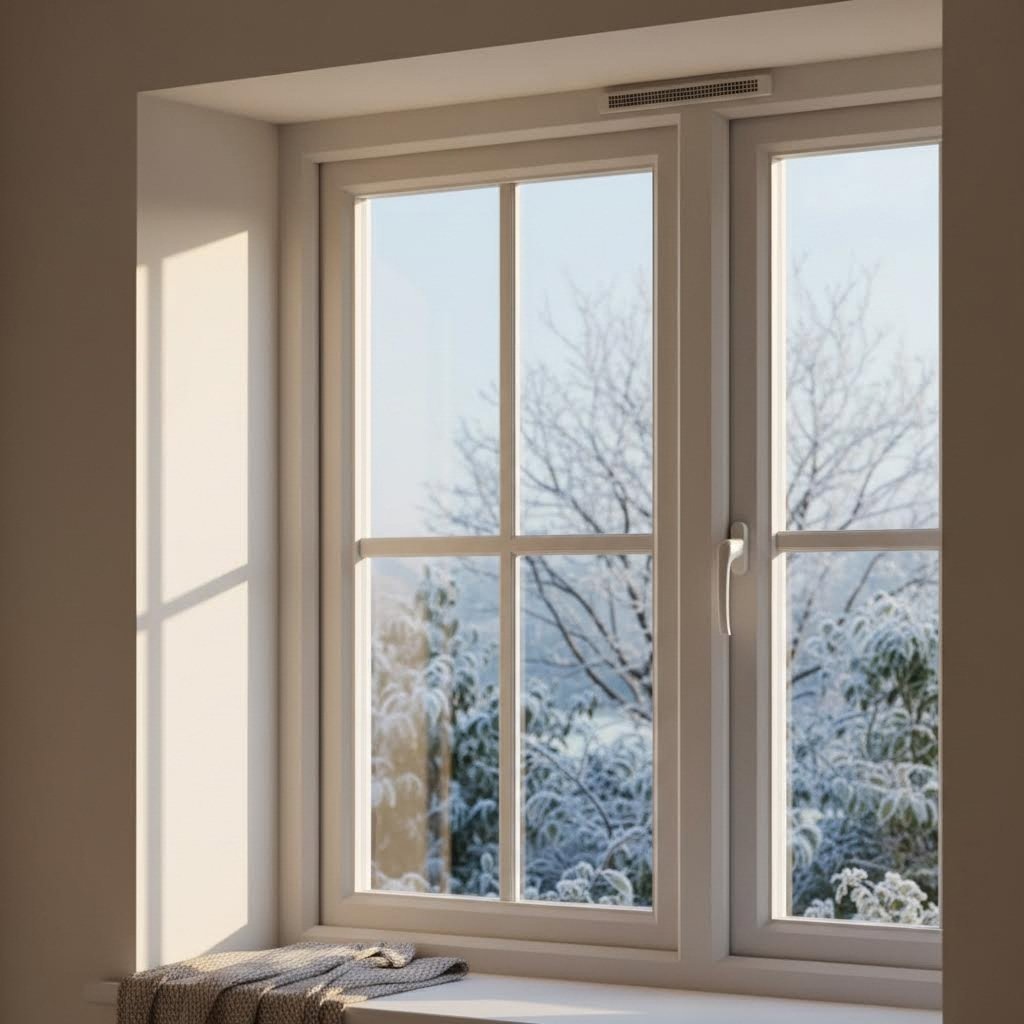
You wake up on a cold winter morning, pull back the curtains, and there it is—water streaming down your windows, pooling on the sill. Sound familiar? This frustrating daily ritual affects countless homeowners, leaving them wiping down glass and worrying about mold creeping into their frames. The good news? Understanding why this happens is the first step toward solving it, and condensation trickle vents offer one of the most effective solutions available.
Before diving into solutions, let's get clear on the problem itself. That water on your windows isn't coming from outside—it's moisture from inside your home that has transformed from invisible vapor into visible droplets. This process, called condensation, occurs every time warm, humid indoor air meets a cold surface.
Imagine holding a cold glass of water on a warm summer day. Within minutes, droplets form on the outside of the glass. The same principle applies to your windows during colder months, just in reverse. Warm air inside your home can hold more moisture than cold air. When this warm, moisture-laden air comes into contact with your cold window pane, it cools rapidly and reaches what scientists call the dew point—the temperature at which air can no longer hold its moisture, causing water vapor to condense into liquid droplets.
The severity of your condensation problem depends on three interconnected factors:
Left unchecked, persistent condensation doesn't just fog your view—it creates an environment where mold thrives, potentially damaging window frames, peeling paint, and even posing health risks to your family.
So how do trickle vents help with condensation? These small, unobtrusive ventilation openings are integrated into window frames or door frames to provide a constant, controlled flow of fresh air into your home. Unlike opening a window—which lets in cold drafts and security concerns—trickle vents allow gentle background ventilation without significant heat loss.
The design is elegantly simple. A trickle vent consists of a narrow slot in the frame, typically positioned at the top of the window, with staggered openings on the inside and outside. A sliding cover allows you to control airflow, though they're designed to remain open most of the time. This continuous air exchange helps remove excess moisture from your indoor environment, reducing the humidity levels that cause condensation to form.
Do trickle vents help with condensation effectively? When properly sized and installed, they address the ventilation component of the condensation equation directly. By allowing moist indoor air to escape while drawing in drier outdoor air, they help maintain the ideal indoor humidity range of 30 to 50 percent—the sweet spot where condensation becomes far less likely.
Understanding whether trickle vents are the right solution for your specific situation requires knowing what type of condensation problem you're dealing with, how severe it is, and what other ventilation you already have in place. The following sections will help you assess your needs and make an informed decision about tackling those streaming windows once and for all.
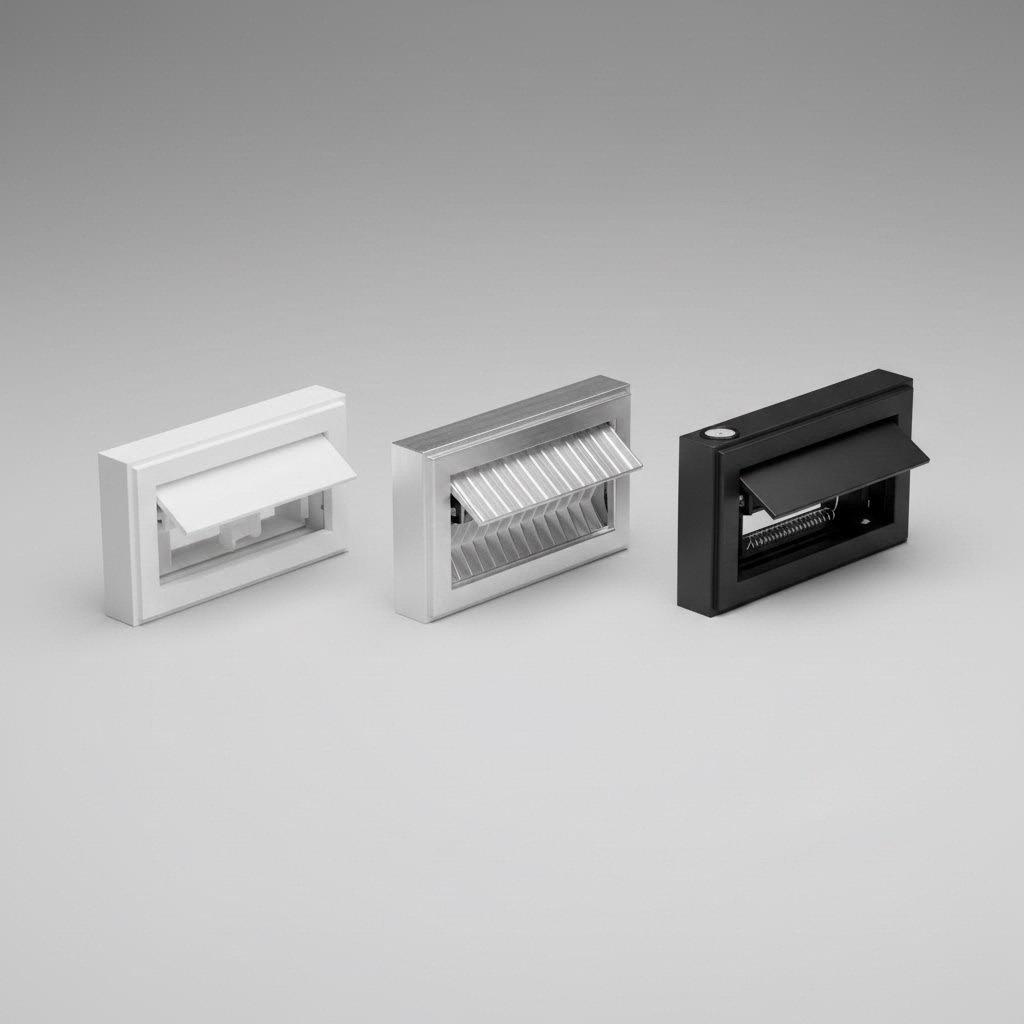
Now that you understand how window trickle vents tackle condensation, the next question becomes: which type should you choose? Not all trickle vents are created equal, and selecting the right one for your specific situation can make the difference between dry windows and continued frustration. Let's break down the three main categories and explore which works best for different condensation challenges.
Standard trickle vents—also called background ventilators—are the workhorses of residential ventilation. You'll find these in the majority of UK homes, and for good reason: they're reliable, affordable, and effective for everyday condensation control.
These vents typically come in two main designs:
How do they work? Standard vents rely on natural pressure differences between indoors and outdoors. Even the gentlest breeze creates positive pressure on the windward side of your home, pushing fresh air through the vent. Meanwhile, the denser, moisture-laden indoor air escapes through extraction points like bathroom fans or simply through the natural stack effect as warm air rises.
Most adjustable models feature a simple sliding mechanism that lets you control airflow. However, FENSA recommends keeping vents open whenever possible to maintain consistent background ventilation—the key to preventing moisture buildup that leads to condensation.
Do trickle vents work for condensation in standard situations? Absolutely. For bedrooms, living rooms, and other spaces with moderate humidity levels, these straightforward vents provide exactly the air exchange needed to keep windows clear.
Live near a busy road? Under a flight path? Standard vents might solve your condensation problem while creating a noise problem. That's where acoustic trickle vents come in.
These specialized vents incorporate sound-dampening features that reduce external noise by 30 to 42 decibels while still allowing adequate airflow. They achieve this through clever engineering:
The trade-off? Acoustic vents typically have slightly lower equivalent area (EA) ratings than standard vents of the same size, meaning they move marginally less air. For most condensation problems, this difference is negligible. However, in high-humidity spaces like kitchens or bathrooms, you may need larger units or additional ventilation sources.
Acoustic vents are particularly valuable when addressing window trickle vents condensation issues in urban properties or homes near industrial areas. They allow you to ventilate effectively without sacrificing the peace and quiet you deserve.
Imagine a vent that knows when your home needs more ventilation and adjusts itself automatically. That's precisely what humidity-controlled vents—sometimes called thermostatic or smart vents—deliver.
These advanced units contain a humidity-sensitive element, typically a strip of fabric or polymer that expands and contracts based on moisture levels in the air. When humidity rises—say, after a shower or while cooking—the element expands, opening the vent wider to increase airflow. As humidity drops, the vent closes partially to conserve heat.
Why does this matter for condensation? Trickle vents windows condensation problems often result from either too little ventilation during high-humidity periods or homeowners closing vents entirely during winter to avoid drafts. Humidity-controlled vents eliminate this guesswork entirely. They respond in real-time to changing conditions, providing maximum ventilation exactly when you need it most.
Key benefits include:
These vents are ideal for households where condensation problems persist despite standard ventilation, or for people who want a completely maintenance-free solution. They're also excellent choices for rental properties or homes with occupants who may not understand the importance of keeping vents open.
Choosing the best vent depends on your specific circumstances. The comparison below highlights the key differences to help you make an informed decision:
| Feature | Standard Trickle Vents | Acoustic Trickle Vents | Humidity-Controlled Vents |
|---|---|---|---|
| Airflow Rate | High (2,500-5,000 mm² EA typical) | Moderate (reduced by baffles) | Variable (adjusts automatically) |
| Noise Reduction | Minimal | 30-42 dB reduction | Minimal to moderate |
| Automatic Operation | No (manual adjustment) | No (manual adjustment) | Yes (humidity-responsive) |
| Energy Efficiency | Good when properly managed | Good when properly managed | Excellent (self-regulating) |
| Best Use Cases | Quiet locations, standard homes, budget-conscious installations | Homes near roads, railways, airports, or industrial areas | High-humidity households, rental properties, energy-conscious homeowners |
| Typical Cost | £5-£15 per vent | £20-£50 per vent | £30-£60 per vent |
For most homeowners dealing with moderate condensation in quiet neighborhoods, standard trickle vents offer the best value. If external noise is a concern, upgrading to acoustic models is worth the additional investment. And if you want truly effortless condensation control—or you've struggled with other solutions—humidity-controlled vents provide the most sophisticated option available.
Understanding which type suits your needs is only part of the equation. The next critical question is whether these vents actually prevent condensation in real-world conditions—and when they might not be enough.
Here's the question that likely brought you here: do trickle vents prevent condensation? The honest answer is yes—but with important caveats. These small ventilation openings can significantly reduce or eliminate window condensation under the right conditions. However, they're not a magic solution for every moisture problem. Understanding when they work brilliantly and when they fall short will help you set realistic expectations and choose the right approach for your home.
To understand why trickle vents reduce condensation, you need to grasp a simple principle: moisture moves with air. When warm, humid indoor air escapes through ventilation openings, it carries water vapor with it. Fresh outdoor air—typically drier during heating season—replaces it. This continuous exchange gradually lowers indoor humidity levels, making condensation far less likely to form on your windows.
But how exactly do trickle vents stop condensation at the mechanical level? The process relies on pressure differentials. Wind striking your home creates positive pressure on the windward side and negative pressure on the leeward side. Even without wind, the natural stack effect—warm air rising and escaping through upper openings while cooler air enters through lower ones—drives airflow through your vents.
Research from the MDPI Buildings journal explains that trickle vents, also called background ventilators, are specifically designed to provide continuous background ventilation while controlling wind gusts and turbulence. Positioned typically 1.7 meters above floor level, they allow moist indoor air to escape while directing incoming fresh air upward, preventing cold drafts at occupant level.
The key metric here is equivalent area (EA), measured in square millimeters. UK Building Regulations specify minimum EA requirements—typically 5,000 mm² for habitable rooms and 2,500 mm² for kitchens and bathrooms. These aren't arbitrary numbers. They're calculated based on the air exchange rates needed to maintain healthy indoor humidity levels in standard residential conditions.
When properly sized vents operate in a home with normal moisture generation, they maintain relative humidity in the 40-60% range where condensation becomes unlikely. The math is straightforward: remove moisture faster than you produce it, and your windows stay dry.
Do trickle vents stop condensation in every situation? No—but they work remarkably well when certain conditions are met. Understanding these optimal scenarios helps you assess whether they'll solve your specific problem.
Moderate humidity environments: Trickle vents excel in homes where moisture generation follows typical patterns—regular cooking, daily showers, normal occupancy. A family of four producing standard amounts of moisture through everyday activities will often find trickle vents completely eliminate condensation problems. The continuous gentle airflow handles the steady moisture load without drama.
Properly sized installations: The effectiveness hinges on having adequate total ventilation area. According to Homebuilding & Renovating, trickle vents should be installed in bedrooms, living rooms, kitchens, and bathrooms—essentially every habitable room. Multiple small vents distributed throughout your home work better than relying on just one or two larger openings.
Consistent use: Here's where many homeowners go wrong. Trickle vents only work when they're open. Closing them during winter to prevent drafts—a common instinct—defeats their entire purpose. Modern designs direct air upward specifically to prevent noticeable cold drafts while maintaining the airflow that keeps condensation at bay.
Complementary extraction: Trickle vents work best as part of a complete ventilation strategy. When paired with extractor fans in bathrooms and kitchens, they provide the supply air that makes extraction effective. The fans remove moisture-laden air at the source, while trickle vents ensure fresh replacement air enters without creating negative pressure problems.
Windows with reasonable thermal performance: Double-glazed windows with decent frames create warmer interior glass surfaces, making condensation less likely even at moderate humidity levels. Trickle vents paired with thermally efficient windows create ideal conditions for condensation-free living.
Under these conditions, homeowners regularly report complete resolution of their condensation problems. Windows that previously streamed with water every morning remain clear throughout winter.
Honesty matters here: trickle vents aren't a universal solution. Recognizing their limitations prevents frustration and helps you identify when additional measures are necessary.
Excessive moisture generation: Some households produce far more moisture than average. Drying multiple loads of laundry indoors weekly, housing many occupants in a small space, keeping numerous houseplants, or running humidifiers creates humidity levels that passive ventilation simply cannot manage. A single load of wet laundry releases approximately two liters of water into your home—repeat this daily, and no amount of trickle ventilation will keep up.
Structural damp issues: If moisture is entering your home through the building fabric—rising damp, penetrating damp through walls, or leaking roofs—trickle vents won't solve the problem. They address humidity generated internally, not water ingress from external sources. Persistent condensation despite adequate ventilation often signals underlying damp issues that require investigation and repair.
Extremely airtight modern homes: Research highlighted by VENTI Group identifies a fundamental limitation: trickle vents are passive and uncontrolled. In highly airtight modern construction, the pressure differentials that drive airflow through passive vents may be insufficient. Studies have found elevated CO2 levels—a proxy for inadequate ventilation—in airtight homes relying solely on trickle vents. When CO2 accumulates, so does moisture.
Refurbished older properties: Sealing drafts and adding insulation to older homes without upgrading ventilation creates moisture traps. The natural air leakage that previously carried moisture away disappears, but moisture generation remains unchanged. Trickle vents added during window replacement may not compensate for the dramatic reduction in overall air exchange.
Single-glazed or thermally poor windows: When window surfaces are extremely cold, condensation can form even at relatively low humidity levels. The dew point mathematics work against you: below about 12°C, glass will attract condensation at humidity levels considered normal for indoor comfort. Trickle vents help, but may not eliminate the problem entirely without window upgrades.
Closed or blocked vents: This seems obvious but bears repeating: a closed trickle vent provides zero ventilation. Homeowners who close vents to avoid drafts, reduce noise, or simply forget about them will see no benefit. Similarly, vents blocked by dirt, paint, or debris become ineffective over time.
Trickle vents help reduce the likelihood of condensation by allowing moist air to escape and fresh air to circulate. However, in homes with excessive moisture production—from cooking, showers, or drying clothes indoors—additional ventilation measures may be required to fully prevent condensation.
When trickle vents alone prove insufficient, the solution often involves combining them with other approaches: more powerful extractor fans, dehumidifiers during high-moisture periods, or in severe cases, mechanical ventilation with heat recovery (MVHR) systems. These aren't signs that trickle vents have failed—rather, they indicate a moisture challenge beyond what passive ventilation was designed to handle.
The next consideration is practical: how do you choose the right trickle vents for your specific windows and install them correctly to maximize their condensation-fighting effectiveness?

Already have windows without ventilation? You're not alone. Millions of UK homeowners live with older double-glazed windows that predate current building regulations—windows that trap moisture as effectively as they trap heat. The good news? Installing trickle vents for condensation control doesn't require replacing your entire windows. Retrofitting offers a practical, cost-effective path to drier windows and healthier indoor air.
Whether you're tackling a DIY project or preparing to hire a professional, understanding placement options, sizing requirements, and installation considerations will help you make informed decisions. Will trickle vents stop condensation in your home? That depends largely on getting these details right.
When retrofitting trickle vents to existing windows, you have two primary positioning options. Each affects installation complexity, appearance, and condensation effectiveness differently.
Frame-mounted trickle vents are the most common choice for retrofit applications. These install into the top section of your window frame—either cut directly through the frame material or mounted on top of it. According to Astraframe, through-frame installation involves drilling holes in the uPVC, timber, or aluminium frame to accommodate the vent housing. Over-frame mounting, by contrast, attaches the vent on top of the existing frame without cutting into it.
Why does positioning matter for condensation control? Frame-mounted vents positioned near the top of the window take advantage of natural convection. Warm, moist air rises toward the ceiling. By placing vents high on the frame, you capture this moisture-laden air at its natural escape point, maximizing the effectiveness of each ventilation opening.
Glass-mounted options exist but are far less common for retrofitting. These require cutting through sealed double-glazed units—a specialist task that risks compromising the unit's thermal performance and seal integrity. For most retrofit situations, frame-mounted vents offer the practical choice.
The frame material affects your options significantly:
Do window trickle vents stop condensation more effectively in certain positions? Slightly, yes. Vents positioned at the very top of the frame, centered horizontally, provide the most even air distribution across the window surface. However, any properly installed frame-mounted vent will significantly improve ventilation compared to no vent at all.
Selecting the correct size isn't guesswork—it's determined by your room's purpose, volume, and moisture-generating activities. Get this wrong, and you'll either have inadequate ventilation or unnecessary heat loss.
The key measurement is equivalent area (EA), expressed in square millimeters. This represents the effective airflow capacity of the vent. UK Building Regulations Approved Document F specifies minimum requirements that serve as useful guidance even for retrofit installations:
| Room Type | Minimum EA Requirement | Reasoning |
|---|---|---|
| Bedrooms | 5,000 mm² total | Lower moisture generation; sleeping occupants produce less humidity than active ones |
| Living rooms | 5,000 mm² total | Moderate occupancy; normal humidity levels from breathing and activities |
| Kitchens | 2,500 mm² (background) + extractor fan | High moisture from cooking; requires extraction at source plus background ventilation |
| Bathrooms | 2,500 mm² (background) + extractor fan | Very high moisture from showering/bathing; passive vents supplement mechanical extraction |
| Utility rooms | 2,500 mm² minimum | Washing machines and tumble dryers generate significant moisture |
These figures represent minimums. For rooms with higher-than-average moisture generation—a bathroom used by a large family, a kitchen where extensive daily cooking occurs—consider exceeding these values by 20-30%.
Window size also influences vent selection. A small bathroom window may only accommodate a compact 2,500 mm² vent, while a large living room picture window could house a 5,000 mm² unit or multiple smaller vents. When a single vent cannot provide adequate EA, installing vents in multiple windows distributes airflow more evenly.
Practical tip: if you're retrofitting vents specifically to combat existing condensation problems, err on the side of larger vents. You can always partially close an adjustable vent during extreme weather, but you cannot increase the capacity of an undersized installation without replacing it.
Can you install trickle vents yourself? Often, yes—particularly if you're working with uPVC frames and have basic DIY skills. But certain situations demand professional expertise. Making the right call saves both money and potential headaches.
When DIY installation makes sense:
For confident DIYers working with uPVC windows, retrofitting trickle vents is an achievable weekend project. The process involves measuring, marking, drilling, and securing—skills most homeowners possess or can learn quickly.
Tools needed for DIY installation:
The basic process, as outlined by installation guides from Astraframe, involves marking the central point for your vent on both inside and outside frame surfaces, drilling pilot holes from the inside, completing the drilling from outside to meet the pilot holes, cleaning the openings, and securing the vent with provided screws.
When professional installation is recommended:
Certain situations increase the risk of costly mistakes or compromised window performance. Consider hiring a professional when you encounter these warning signs:
Professional installation typically costs £30-£75 per vent including labor, a reasonable investment when weighed against potentially ruining expensive windows. Certified installers also ensure compliance with current building regulations—important if you're replacing multiple windows or selling your property.
For those committed to DIY installation, practice on a less visible window first. Mistakes on a ground-floor bathroom window are far less noticeable than on your prominent front-room casement. Take your time, measure twice, and drill once—the classic advice applies perfectly here.
With proper placement, correct sizing, and careful installation, retrofitted trickle vents provide effective condensation control for years to come. But how do these solutions fit within the broader regulatory framework? Understanding when vents are legally required—and when you might be exempt—ensures your installation meets both practical needs and legal obligations.
Installed your new windows only to discover they should have included trickle vents? Or perhaps you're planning a window replacement project and wondering what the law actually requires? UK Building Regulations surrounding trickle vents building regulations condensation have evolved significantly, and understanding your obligations prevents costly compliance issues down the line.
The rules aren't as complicated as they might seem. Once you grasp the core principles, you'll understand exactly when trickle vents are required for condensation control and when you might have flexibility. Let's cut through the jargon and explain what these regulations mean for your home.
The governing document here is Approved Document F (Ventilation), which underwent significant updates in June 2022. These changes strengthened requirements for background ventilation in dwellings—and yes, that includes trickle vents.
Are trickle vents required for condensation control in your situation? The answer depends on what you're doing:
Replacement windows in England must include trickle vents unless the existing ventilation provision in the dwelling is already adequate. If the original windows had trickle vents, the replacements must include vents at least as large as the originals.
This represents a major shift from previous regulations. Before June 2022, homeowners replacing windows that lacked vents could typically install new windows without them. Now, the default position assumes you need background ventilation unless you can demonstrate otherwise.
According to guidance from LABC (Local Authority Building Control), replacing windows is likely to increase your home's airtightness. Modern frames and seals are far more efficient than older ones—great for energy bills, but potentially problematic for ventilation. The regulations require that ventilation provision is "no worse than it was before the work was carried out."
For practical purposes, this means most window replacement projects now require trickle vents with the following minimum equivalent areas:
These figures apply per room, not per window. If a room has multiple windows, you can distribute the total equivalent area across them.
The trickle vents ventilation requirements UK framework treats new construction and replacement projects differently—though both now face stricter standards than in previous years.
New build properties: All new residential buildings must include background ventilation as standard. The 2022 updates to Document F align with the broader Future Homes Standard, which aims to reduce carbon emissions while ensuring occupant health. Builders cannot opt out of trickle vents in new construction—they're mandatory unless the property incorporates a mechanical ventilation with heat recovery (MVHR) system that meets specified performance standards.
Replacement windows in existing dwellings: The rules here are more nuanced. If your existing windows already have trickle vents, replacements must include vents at least as large. If they don't have vents, you must either:
The third option sometimes applies when rooms already have wall-mounted ventilators meeting the minimum requirements. However, don't assume existing ventilation automatically exempts you—Building Control makes that determination based on your specific circumstances.
Window installations are classified as "controlled fitting" under Regulation 2 of the Building Regulations 2010. Whether installed by a Competent Person Scheme member or requiring a separate Building Regulations application, the work must comply with current ventilation standards.
Most window installations are completed by installers registered with Competent Person Schemes like FENSA or CERTASS. These installers self-certify compliance with Building Regulations and notify your local authority. However, self-certification doesn't mean corners can be cut—scheme members who install non-compliant work face monitoring and potential sanctions.
Not every property must follow the standard rules. Certain buildings qualify for modified requirements or outright exemptions—though these are narrower than many homeowners assume.
Listed buildings: Properties listed under Section 1 of the Planning (Listed Buildings and Conservation Areas) Act 1990 may not need to comply fully with ventilation standards. However, "may not" doesn't mean "definitely won't." Work on listed buildings should still comply where reasonably practicable. Consult your local conservation officer before assuming exemption.
Conservation areas: Buildings within designated conservation areas—established under Section 69 of the same Act—receive similar consideration. Traditional sash windows in a Georgian terrace might be exempt from modern trickle vent requirements if these would compromise the building's character.
Historic buildings with vapour-permeable construction: Older buildings constructed with materials that naturally "breathe"—wattle and daub, cob, traditional stone with lime mortar, lime render—may be exempt. These construction methods allow moisture to migrate through the building fabric rather than trapping it indoors. Adding modern airtight windows with trickle vents might actually create problems in such buildings.
According to Timber Windows, homeowners in these categories should consult their local conservation authority or planning officer before purchasing replacement windows. Getting approval in advance prevents expensive mistakes—imagine installing beautiful new sash windows only to learn they require bulky trickle vents that aren't appropriate for your period property.
Properties with existing mechanical ventilation: If your home already has a dedicated mechanical ventilation system meeting government standards—typically an MVHR system—additional trickle vents may not be required. The key word is "meeting standards." An old bathroom extractor fan doesn't qualify.
Replacing less than 30% of windows: Some sources suggest exemptions when replacing fewer than 30% of a property's windows. However, this isn't a blanket rule. The determining factor remains whether overall ventilation provision becomes worse after the work. Consult an energy assessor or Building Control if you're uncertain.
What you cannot do: Sign a disclaimer opting out of trickle vents. Building Regulations must be met in full—no exceptions for homeowner preference. A disclaimer stating you don't want vents or will install them later is not a compliant pathway.
If it's not technically feasible to achieve the minimum equivalent area requirements—perhaps due to narrow frame profiles—the trickle vents should have equivalent areas as close to the minimum value as feasible. Agree this with Building Control before ordering materials.
Understanding these regulations empowers you to make informed decisions about window replacements. But regulations only address the legal minimum. The next consideration is how trickle vents interact with your home's overall energy efficiency—and whether alternative condensation solutions might complement or replace them in certain situations.
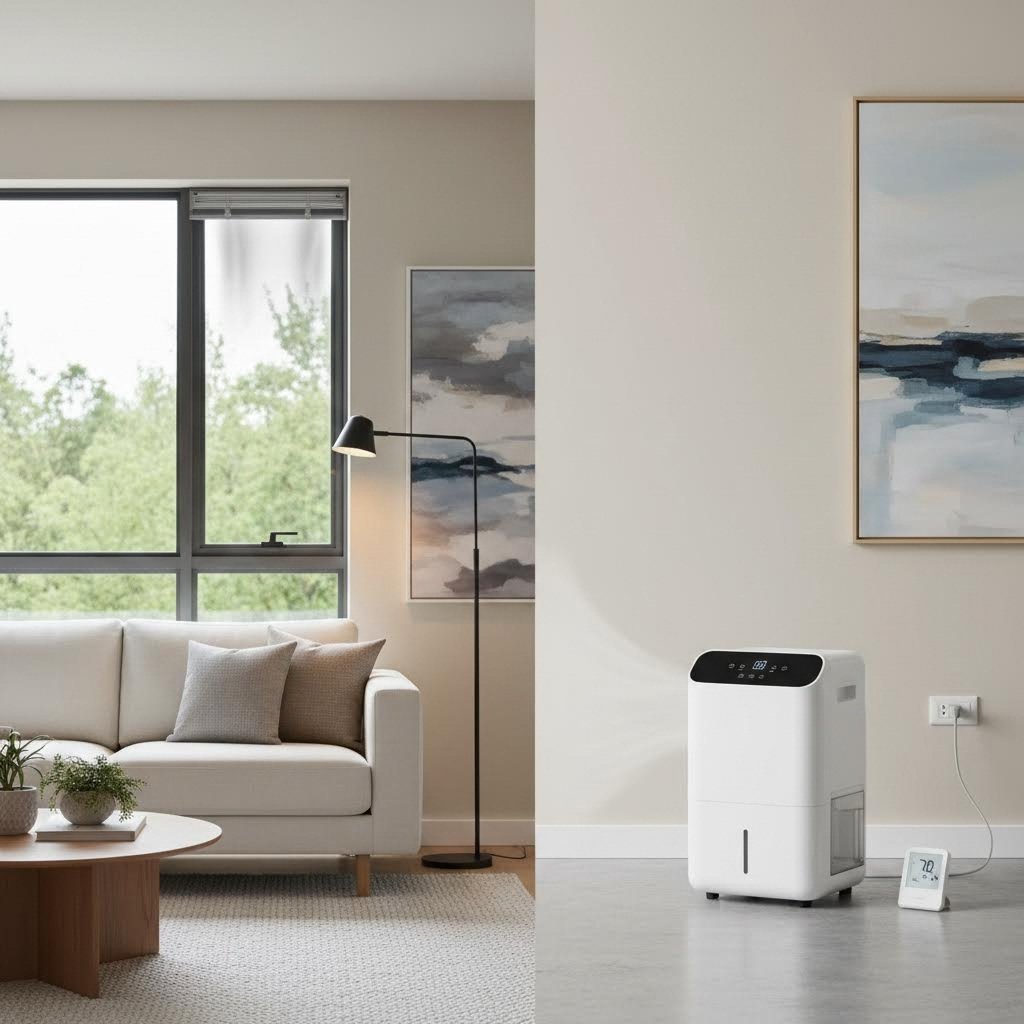
Here's the dilemma many homeowners face: you need ventilation to prevent condensation, but ventilation means letting warm air escape. Doesn't that defeat the purpose of all those energy-efficient upgrades you've invested in? The good news is that modern trickle vents and complementary solutions have evolved to minimize this trade-off. Understanding how different ventilation systems work together—and when alternatives might serve you better—helps you find the best solution for window condensation in your specific situation.
Trickle vents rarely work in isolation. Most homes have multiple ventilation components—extractor fans, natural ventilation through windows, and sometimes whole-house mechanical systems. Understanding how these interact prevents conflicts and maximizes condensation control.
Trickle vents and extractor fans: This pairing represents the most common ventilation strategy in UK homes, and for good reason—they complement each other perfectly. Extractor fans in kitchens and bathrooms create negative pressure, actively pulling moisture-laden air out of the room. But that air must be replaced somehow. Without adequate supply air, extraction becomes inefficient, potentially drawing air through unintended gaps or even reversing flow through the extractor itself.
Trickle vents provide that essential supply air. When your bathroom fan runs during a shower, it removes humid air while trickle vents throughout the home allow fresh, drier air to enter. This balanced approach prevents the "sealed box" problem where modern airtight homes trap moisture with nowhere to go.
Trickle vents and MVHR systems: Mechanical Ventilation with Heat Recovery represents a more sophisticated approach to home ventilation. According to research from Smart HRV, MVHR systems actively draw in fresh air while extracting stale air, capturing up to 97% of the heat from outgoing air through a heat exchanger. This delivers filtered, fresh air with minimal energy loss.
Can you use both? Generally, no—at least not in the traditional sense. MVHR systems are designed for airtight homes where uncontrolled ventilation undermines their efficiency. Having trickle vents open while running MVHR creates "short circuits" in the ventilation path, reducing heat recovery effectiveness. If your home has a properly designed MVHR system, trickle vents should typically remain closed or may not be required at all under building regulations.
However, in older homes retrofitted with decentralized MVHR units in specific rooms, trickle vents elsewhere can still play a role in overall ventilation strategy. The key is understanding your system's design intent.
Trickle vents and natural ventilation: Opening windows remains the simplest form of ventilation—and trickle vents don't conflict with this approach. Think of them as continuous background ventilation that reduces how often you need to open windows wide. During mild weather, natural ventilation through open windows provides ample air exchange. During colder months, when opening windows wastes heat, trickle vents maintain baseline airflow without the dramatic temperature drops of wide-open casements.
The combination works well for most homes: trickle vents handle day-to-day moisture control while occasional window opening provides rapid air exchange after high-humidity activities like cooking large meals or hosting gatherings.
The trickle vents energy efficiency condensation balance is simpler than many homeowners assume. Yes, any ventilation involves some heat loss. But the heat lost through properly sized trickle vents is modest compared to the problems caused by inadequate ventilation—mold remediation costs, health issues, and property damage all carry far higher price tags.
Seasonal management strategies:
While the general recommendation is keeping vents open continuously, adjusting your approach seasonally can optimize both condensation control and energy retention:
How modern designs minimize heat loss:
Today's trickle vents incorporate several features that reduce energy impact while maintaining ventilation effectiveness:
Research from The Door and Window Experts notes that one criticism of trickle vents is their "uncontrolled airflow" leading to heat loss. However, this criticism applies primarily to older designs or improperly sized installations. Modern units, particularly humidity-controlled variants, address these concerns effectively.
The practical reality? A home with properly functioning trickle vents typically loses less heat than one where condensation has been allowed to accumulate, damage insulation, and compromise window seals. Prevention is more energy-efficient than cure.
Trickle vents vs dehumidifier for condensation—which wins? The honest answer: neither is universally superior. Each solution suits different situations, and sometimes combining approaches delivers the best results. Let's compare the main options objectively.
| Solution | Effectiveness | Running Costs | Installation Complexity | Best For |
|---|---|---|---|---|
| Trickle Vents | Moderate—prevents condensation through continuous air exchange | None (passive system) | Low to moderate—DIY possible for uPVC frames | Mild to moderate condensation; everyday prevention in standard homes |
| Dehumidifiers | High—actively removes moisture from air regardless of ventilation | £30-£100 annually (depending on size and usage) | None—plug in and operate | Severe condensation; high-humidity households; drying laundry indoors |
| Extractor Fans | High—removes moisture at source in kitchens and bathrooms | £5-£20 annually per fan | Moderate—requires electrical connection and external venting | Targeted moisture removal in wet rooms; works best with supply ventilation |
| MVHR Systems | Very high—whole-home ventilation with heat recovery | £20-£50 annually (electricity for fans) | High—requires ducting throughout property; best installed during construction or major renovation | New builds; major renovations; highly airtight homes; allergy sufferers |
| Secondary Glazing | Moderate—reduces temperature differential on glass surface | None (passive improvement) | Moderate—requires fitting internal panels to each window | Single-glazed windows; listed buildings where replacement isn't permitted |
Pros: Zero running costs, low maintenance, addresses the root cause of condensation, meets building regulations, works continuously without user intervention.
Cons: May not cope with severe moisture generation, effectiveness depends on external conditions, some heat loss inevitable, requires installation work.
Pros: Powerful moisture removal, portable and flexible, no installation required, effective regardless of external conditions, can dry laundry faster.
Cons: Ongoing electricity costs, requires emptying water tank (unless plumbed), addresses symptoms rather than causes, noise from compressor models, takes up floor space.
Pros: Removes moisture at source before it spreads, relatively affordable, effective in high-humidity rooms, often required by building regulations anyway.
Cons: Only works in rooms where installed, requires external wall or roof penetration, needs supply air to work effectively, some running costs.
Pros: Whole-home solution, recovers up to 97% of heat from outgoing air, filters incoming air, provides consistent indoor air quality, reduces heating bills in airtight homes.
Cons: High installation cost (£4,000-£10,000 typically), requires significant building work, filters need regular maintenance, less effective in leaky older buildings.
Pros: Improves thermal performance of existing windows, can reduce condensation on outer pane, preserves appearance of original windows, adds sound insulation.
Cons: May create condensation between panes if not properly ventilated, reduces window accessibility, aesthetic impact on interior, costs £100-£500 per window.
For many homeowners, the practical approach combines solutions. Trickle vents throughout the house provide continuous background ventilation. Extractor fans in kitchens and bathrooms tackle high-moisture activities at source. A portable dehumidifier handles occasional spikes—laundry drying days or hosting dinner parties. This layered strategy addresses condensation from multiple angles without the expense and disruption of whole-house mechanical systems.
According to guidance from DampHQ, if mold keeps returning despite using ventilation or dehumidifiers, the cause may be deeper—rising damp, penetrating damp, or poor insulation. These structural issues require professional treatment, not just moisture control measures.
The best solution for your window condensation depends on severity, budget, and willingness to accept ongoing maintenance. Trickle vents offer the lowest-friction option for prevention. Dehumidifiers provide the most powerful treatment for existing problems. And for those building new or undertaking major renovations, MVHR represents the gold standard—though at significantly higher initial investment.
Of course, any ventilation solution only works when functioning properly. What happens when you've installed trickle vents but condensation persists? The next section addresses troubleshooting strategies for when things don't go according to plan.
You've installed trickle vents, kept them open as advised, and yet you're still waking up to streaming windows. Frustrating, isn't it? Before concluding that trickle vents don't work for your home, it's worth investigating why they might be underperforming. In most cases, trickle vents not stopping condensation comes down to identifiable—and fixable—issues. This troubleshooting guide walks you through the common culprits and helps you determine whether a simple adjustment, proper maintenance, or additional solutions will finally give you the dry windows you deserve.
Why are my trickle vents not working as expected? According to VENTI Group's research, the causes typically fall into a handful of categories. Work through this checklist systematically to identify your specific problem:
If you're still getting condensation despite having trickle vents, work through each point above before assuming the vents themselves are inadequate. Often, a combination of factors contributes to the problem.
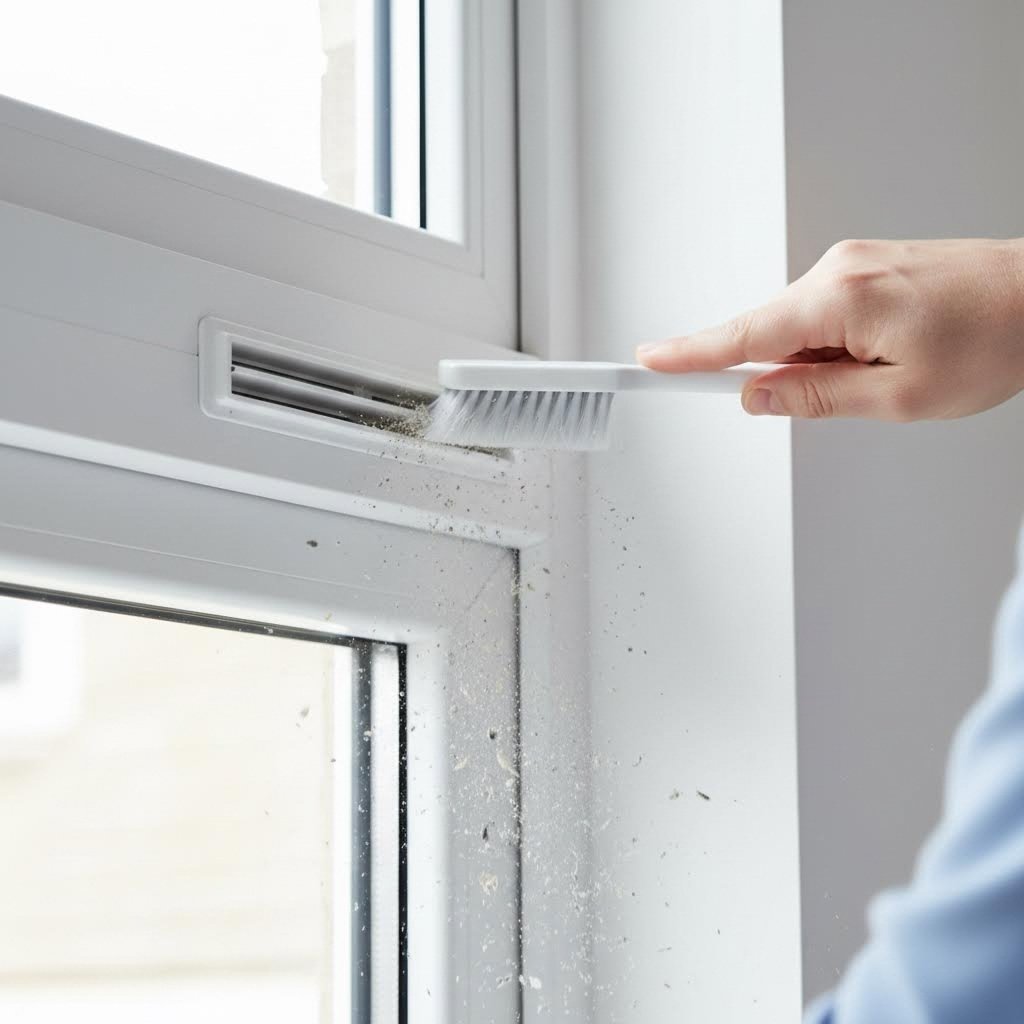
When was the last time you cleaned your trickle vents? If you can't remember—or if the answer is "never"—this simple maintenance task might solve your condensation woes. According to SDS London's maintenance guide, regular cleaning keeps vents functioning at full capacity.
How often to clean: Every six months is the general recommendation for most homes. However, if you live in a dusty environment, near busy roads, or have noticed reduced airflow, cleaning every three to four months may be necessary.
Step-by-step cleaning process:
What to avoid:
Regular maintenance extends vent lifespan and maintains optimal performance. Make it part of your seasonal home care routine alongside other tasks like checking smoke alarms and bleeding radiators.
Sometimes, even properly maintained and correctly sized trickle vents cannot solve a condensation problem. Recognizing when you've reached the limits of passive ventilation saves frustration and prevents ongoing damage to your home.
Signs that additional solutions are needed:
Practical next steps:
If your troubleshooting reveals that trickle vents genuinely aren't enough, consider these escalating solutions:
The goal isn't to dismiss trickle vents as ineffective—in most situations, they work excellently for condensation control. Rather, it's recognizing that they form one part of a complete moisture management strategy. When that strategy needs reinforcement, knowing your options ensures you find the right solution without unnecessary expense or continued frustration.
Having diagnosed why your current ventilation may be underperforming, the final step is taking decisive action—whether that means maintaining your existing vents more diligently, upgrading to better-suited models, or combining approaches for comprehensive condensation control.
You've learned how condensation forms, explored trickle vent types, understood installation requirements, and even troubleshot potential issues. Now comes the decisive moment: taking action. Whether you're dealing with mild morning mist on your windows or persistent streaming that's left you battling mold, this section helps you move from understanding to implementation. The best trickle vents for condensation are the ones that match your specific situation—and choosing them wisely ensures years of dry windows and healthier indoor air.
Before purchasing anything, take a few minutes to honestly evaluate your home's moisture challenges. How to choose trickle vents for condensation effectively starts with understanding what you're dealing with.
Ask yourself these questions:
If your condensation is mild to moderate, appears primarily on single-glazed or poorly insulated windows, and you don't currently have adequate background ventilation, trickle vents represent an excellent first-line solution. For severe problems, structural damp issues, or exceptionally high moisture generation, they'll likely form part of a broader strategy rather than a complete fix.
According to ventilation experts, the right combination of background ventilation through trickle vents and targeted extraction in wet rooms handles condensation effectively for the vast majority of homes. The key is matching the solution to your specific circumstances.
Ready to buy window trickle vents for condensation control? Not all vents are created equal. Investing in quality products now saves frustration, replacement costs, and ongoing condensation battles later. Here's what separates reliable vents from disappointing ones.
Key features to prioritize when selecting trickle vents:
Why material choice matters:
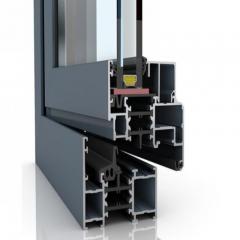
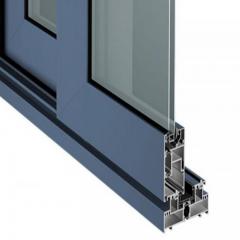
For homeowners seeking durability and long-term performance, aluminium trickle vents offer distinct advantages. Unlike plastic alternatives that can become brittle, warp, or discolour over time, aluminium resists weathering, maintains its appearance, and operates smoothly for years. The material's strength also allows slimmer, more discreet profiles without sacrificing structural integrity.
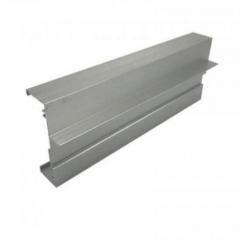
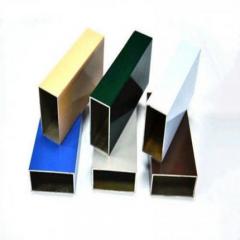
For those seeking reliable, versatile solutions suitable for both new builds and retrofit applications, Shengxin Aluminium's window trickle vents represent a solid choice. Their range accommodates uPVC, aluminium, and timber frames with options in various sizes and finishes. Designed for easy installation with manual slider controls for adjustable airflow, these vents combine practical functionality with durable construction—essential for long-term condensation control without ongoing maintenance headaches.
What to avoid:
Quality vents typically cost between £15 and £40 per unit—a modest investment that pays dividends in performance and longevity. Cutting corners on the product itself often leads to replacement costs, ongoing condensation issues, and frustration that far exceeds any initial savings.
Your action plan:
With your assessment complete and quality criteria in mind, you're ready to take the final steps toward condensation-free windows:
The journey from streaming windows to clear, dry glass isn't complicated—it simply requires understanding the problem, choosing the right solution, and following through with proper installation and maintenance. With the knowledge you've gained throughout this guide and quality trickle vents suited to your specific situation, those frustrating mornings of wiping down windows can finally become a thing of the past.
No, trickle vents actually help reduce condensation by allowing continuous background air circulation. They enable moist indoor air to escape while fresh, drier outdoor air enters, maintaining healthier humidity levels between 30-50%. Windows are typically the coldest surfaces in a room, making them the first place condensation forms—properly functioning trickle vents address this by preventing moisture buildup before it reaches the dew point on glass surfaces.
Yes, keeping trickle vents open continuously is recommended for optimal condensation control. They're specifically designed to provide constant, controlled ventilation without creating significant drafts or heat loss. Modern designs direct incoming air upward to prevent noticeable cold spots. The only exception is during periods of high external pollution or smoke, when temporary closure may be appropriate. Closing vents during winter—a common mistake—defeats their purpose and allows moisture to accumulate.
Stopping overnight condensation requires a multi-pronged approach: keep trickle vents fully open to maintain air circulation while you sleep, run bathroom extractor fans before bed after evening showers, leave internal doors slightly ajar to distribute air throughout your home, and consider using a dehumidifier in problem rooms. Ensure bedroom humidity stays below 50% by avoiding drying clothes indoors overnight. For severe cases, humidity-controlled trickle vents automatically increase airflow when moisture levels rise.
Several factors can cause trickle vents to underperform: blocked openings from dust, paint, or debris restrict airflow; vents may be closed or partially shut; sizing might be inadequate for your room's moisture generation; or underlying issues like structural damp exist. Check that vents are fully open and clean them every six months. If condensation persists despite properly maintained vents, you may need larger vents, upgraded extractor fans, or professional assessment for hidden damp problems.
Under Approved Document F (updated June 2022), replacement windows in England must include trickle vents unless existing ventilation is already adequate. Minimum requirements specify 8,000mm² equivalent area for habitable rooms and kitchens, and 4,000mm² for bathrooms. Exemptions may apply to listed buildings, conservation areas, and properties with approved mechanical ventilation systems. New builds require background ventilation as standard, with no opt-out available regardless of homeowner preference.



 Интернет Сервис
 0086 136 3563 2360
 sales@sxalu.com
 +86 136 3563 2360
 русский
 English
 français
 Deutsch
 español
 português
 العربية
 ไทย
ไทย Việt
Việt Українська