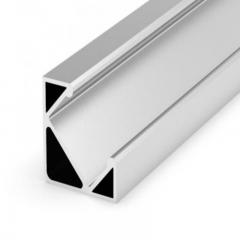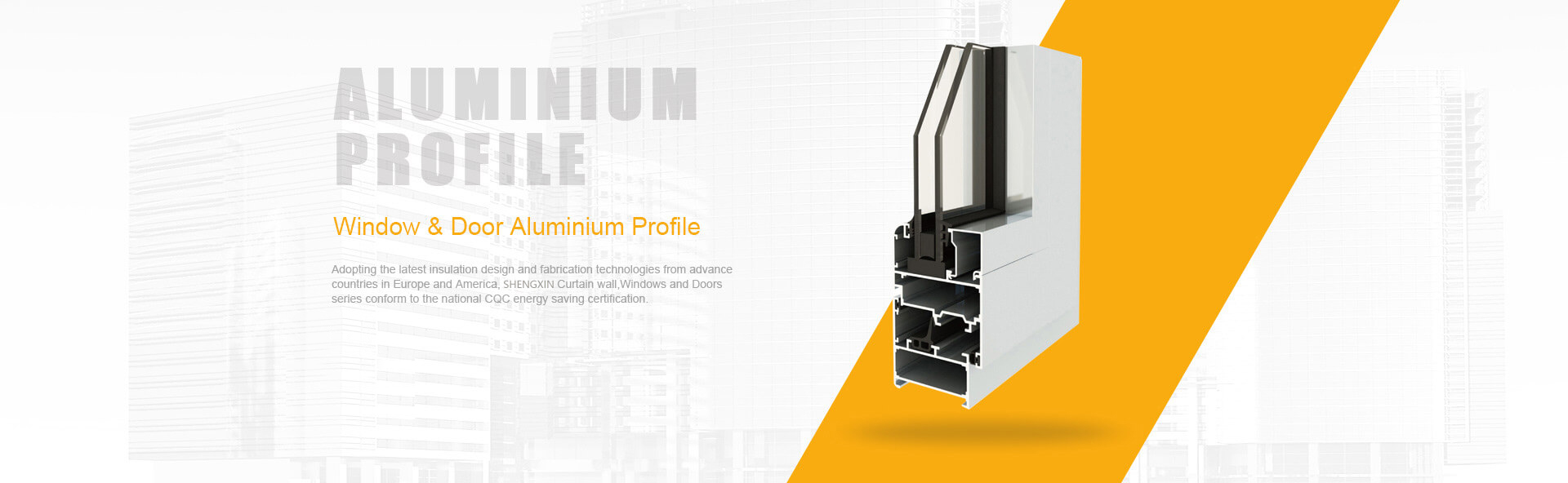
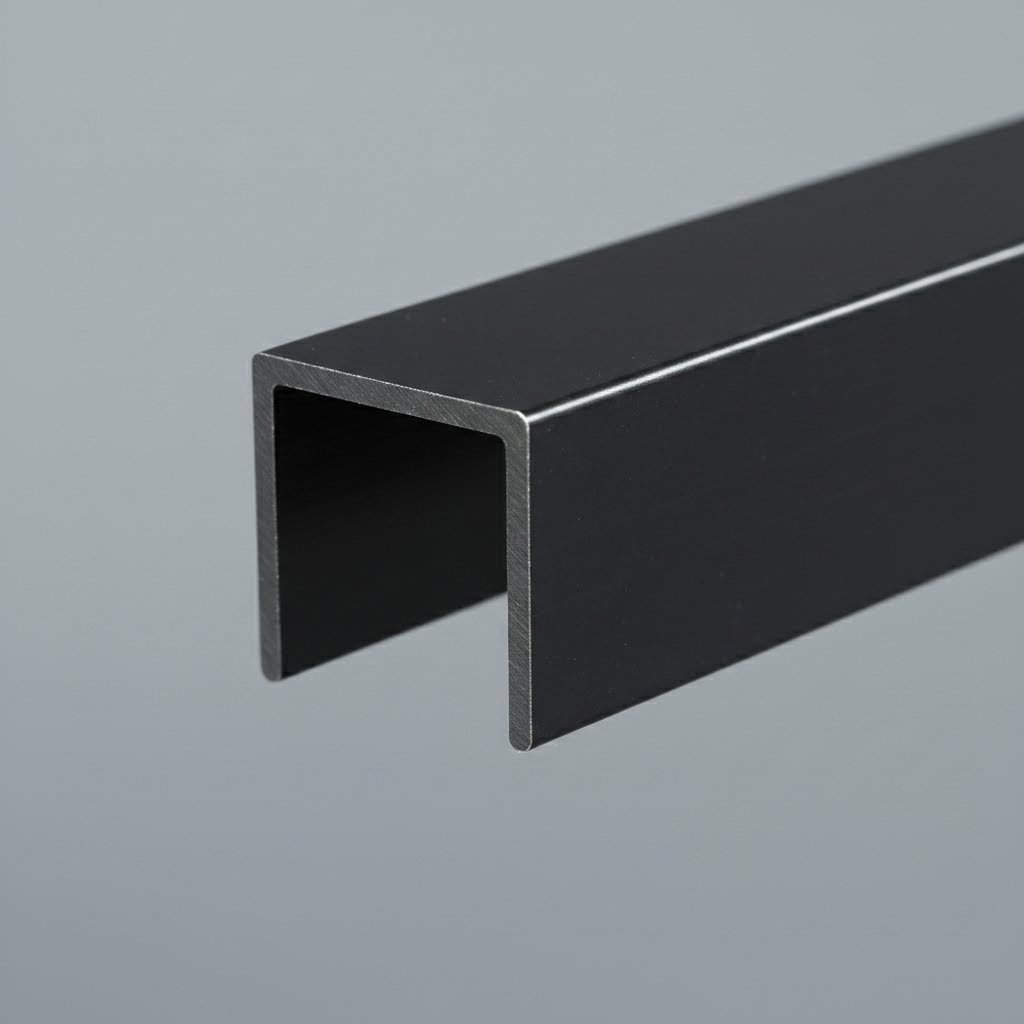
When you're searching for the perfect structural component that combines strength, visual appeal, and long-lasting durability, black aluminum angle extrusion stands out as a versatile solution. But what exactly is it? Simply put, it's an L-shaped aluminum profile that has undergone specialized finishing processes to achieve a sleek black appearance. This combination of geometric functionality and aesthetic finishing creates a product category that serves both structural and decorative purposes across countless applications.
Imagine two flat surfaces meeting at a 90-degree corner - that's the basic concept behind every aluminum angle. These profiles come in two primary configurations: equal leg and unequal leg. Equal leg angles feature identical measurements on both sides, such as a 1-inch by 1-inch profile, making them ideal for symmetrical applications. Unequal leg configurations offer different dimensions on each side, providing flexibility when your project demands varied mounting or support requirements.
The wall thickness of these angles typically ranges from 1/16 inch for lighter applications to heavier gauges for structural demands. This thickness, combined with the leg dimensions, determines the overall strength and weight capacity of the extrusion. Understanding these fundamental characteristics helps you select the right profile before even considering the finish.
A standard mill-finish aluminum angle works fine for hidden applications, but what happens when your project demands a professional, polished look? That's where black finishing transforms ordinary aluminum into something special. The black surface isn't just about aesthetics - it provides enhanced UV resistance, improved corrosion protection, and a surface that hides fingerprints and minor scratches far better than raw aluminum.
Unlike black oxide coating, which works through chemical conversion primarily on ferrous metals, achieving a true black finish on aluminum requires different approaches. According to finishing experts at SendCutSend, anodizing is an excellent alternative for aluminum parts and is readily available in black.
Three primary methods dominate the black aluminum angle market:
For modern construction, industrial equipment, furniture design, and DIY builds, these black angle profiles deliver the structural integrity of aluminum with the refined appearance that raw metal simply cannot match. Whether you're framing a glass display case or building protective machine guards, understanding these distinctions sets the foundation for making informed purchasing decisions.
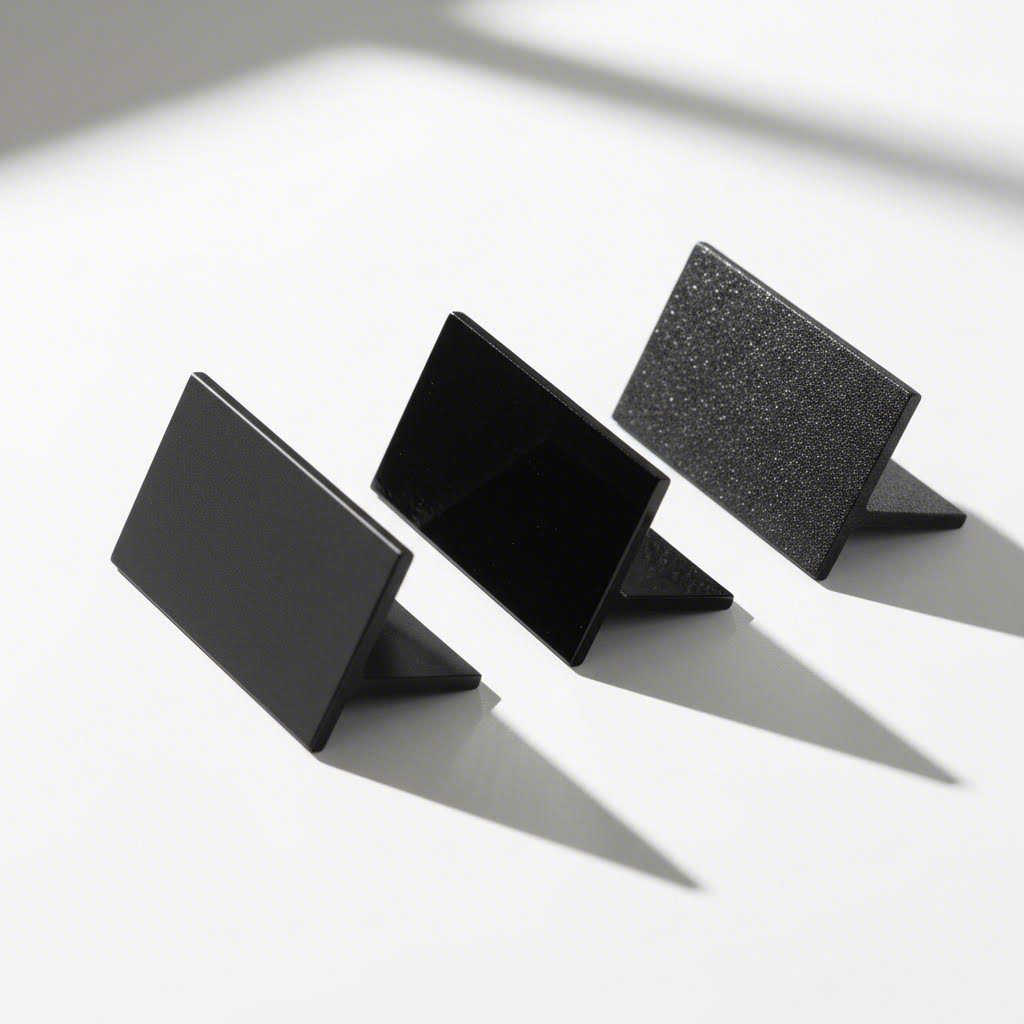
Now that you understand what makes a black anodized aluminum angle different from standard profiles, the next question is obvious: which finishing method should you choose? Each approach offers distinct advantages depending on your project's demands. Let's break down the three primary finishing techniques so you can match performance characteristics to your specific requirements.
Black anodizing isn't simply painting aluminum black - it's an electrochemical transformation of the metal's surface. Here's how it works: technicians submerge your aluminum angle in an acid electrolyte bath, where it serves as the anode in an electrical circuit. When current flows through the system, oxygen molecules bond with the aluminum surface, creating a hard aluminum oxide layer that's literally integrated into the base metal rather than sitting on top of it.
What happens next is where the black color comes in. According to LEADRP's technical guide, the freshly anodized surface features a semi-porous structure that absorbs black dye through one of three methods:
After dyeing, the surface is sealed in an acid or nickel acetate bath, locking the color within the oxide layer permanently. This integration means the finish won't chip, peel, or flake - only severe abrasion can wear through to the base metal. For black angle iron applications requiring heat dissipation or exposure to high-temperature environments, anodized finishes excel because they maintain stability without discoloration or breakdown.
When anodizing isn't the right fit, powder coating and electrostatic painting offer compelling alternatives - but they work through fundamentally different mechanisms.
Powder Coating is a dry finishing process where fine thermoset polymer particles are sprayed onto the aluminum surface using an electrostatic gun. The negatively charged powder adheres to the grounded metal part, then the entire assembly goes into a curing oven. Heat transforms the powder into a continuous, solid coating that bonds firmly to the substrate. According to Gabrian's comparison guide, the resulting finish is highly durable, scratch-resistant, and available in virtually unlimited colors and textures - from glossy to matte to textured surfaces.
The catch? Your angle iron black finish requires oven curing, making on-site application impossible. Parts must be transported to a coating facility, which adds logistics and timeline considerations.
Electrostatic Painting takes a different approach. This method uses positively charged liquid paint particles attracted to negatively charged metal surfaces. The electrostatic attraction ensures even coverage with minimal overspray. As explained by Electrostatic Refinishers, this process can be performed on-site without specialized ovens, offering faster turnaround and reduced transportation costs.
However, electrostatic paint typically applies thinner coatings than powder coating. For maximum protection in extreme conditions, multiple coats may be necessary. The trade-off is cost-effectiveness and convenience versus ultimate coating thickness.
Choosing between these three finish types requires weighing multiple performance factors against your project priorities. The following comparison helps you evaluate each option systematically:
| Parameter | Black Anodizing | Powder Coating | Electrostatic Paint |
|---|---|---|---|
| Durability Rating | Excellent - integrated oxide layer resists wear | Excellent - thick thermoset polymer withstands impact | Good - thinner coating may require multiple layers |
| UV Resistance | Excellent with inorganic or electrolytic dyes | Excellent - resists fading in outdoor exposure | Good - may fade faster than alternatives |
| Scratch Resistance | Very High - hard oxide surface | High - thick coating absorbs impact | Moderate - thinner application is more vulnerable |
| Corrosion Protection | Excellent - oxide layer shields base metal | Very Good - sealed polymer barrier | Good - requires proper application for protection |
| Cost Range | Moderate to High | Moderate to High (equipment-intensive) | Low to Moderate |
| Best Applications | Architectural, aerospace, heat sinks, optical equipment | Outdoor furniture, automotive, industrial machinery | Large fixed structures, office furniture, on-site refinishing |
| On-Site Application | No - requires facility processing | No - requires oven curing | Yes - major advantage for installed components |
| Touch-Up Capability | Difficult - requires re-anodizing | Difficult - hard to match cured finish | Easy - conventional paint touch-ups work |
You'll notice thickness wasn't listed as a simple number in the comparison - that's intentional. Coating thickness varies based on application method, specific products used, and project requirements. However, understanding why thickness matters helps you specify the right finish.
Thicker coatings generally provide better protection against mechanical damage and corrosion. Powder coating typically delivers the thickest layer, ranging from 2 to 6 mils depending on application. Anodized finishes vary by type - Type II sulfuric acid anodizing creates thicker layers than Type I chromic acid, while Type III hardcoat produces the densest protection for extreme wear applications.
Electrostatic paint applies thinner films, often requiring multiple passes to achieve protection comparable to powder coating. For decorative interior applications, this isn't problematic. For industrial environments with abrasive conditions, you'll want to discuss coating build-up with your finishing provider.
When specifying a black finish, always communicate your environmental exposure, expected wear conditions, and aesthetic priorities to ensure the coating thickness meets your performance requirements.
With finish types now clearly differentiated, the next consideration is equally important: which aluminum alloy should form the base of your black angle extrusion? The answer significantly impacts both structural performance and finish quality.
You've selected your ideal black finish - but here's something many suppliers won't tell you: the underlying aluminum alloy dramatically influences both structural performance and how well that finish adheres. When shopping for aluminum angle black profiles, you'll frequently encounter the designation "6063-T5." What does this actually mean, and why should it matter to your project?
Think of the alloy designation as a recipe and cooking instruction combined into one code. The "6063" identifies the specific aluminum recipe, while "T5" describes how it was treated after extrusion.
According to Wikipedia's technical specifications, 6063 aluminum belongs to the 6000 series alloys, characterized by their aluminum-magnesium-silicon composition. The typical chemical makeup includes:
The "T5" temper designation tells you the metal was artificially aged after extrusion - meaning it was cooled from an elevated temperature during the shaping process, then heat-treated to enhance mechanical properties. This differs from T6 temper, which involves solution heat treatment by artificial aging for maximum strength.
Why does 6063 dominate the extrusion market? As noted by EZTube's technical guide, this alloy offers excellent extrudability - meaning it flows smoothly through complex dies to create intricate shapes with very smooth surfaces. That surface quality is essential when you're planning to anodize the finished product.
Sounds technical? Here's the practical takeaway: not all aluminum alloys respond equally to black finishing processes. The 6063 alloy produces exceptionally uniform anodized coatings because its composition minimizes surface imperfections during the electrochemical process.
When evaluating a 1 2 aluminum angle or larger 2 1 2 aluminum angle for your project, understanding the mechanical properties helps you match the material to your load requirements:
For applications demanding higher strength, 6061 or 6082 alloys might seem appealing. However, these alternatives often sacrifice anodizing quality - their different compositions can produce less uniform oxide layers, resulting in inconsistent black coloration. If your project prioritizes visible architectural applications like window frames, door trim, or display fixtures, 6063-T5 remains the superior choice.
When specifying black aluminum angle extrusions, always verify the alloy designation matches your performance and finishing requirements - the cheapest option may compromise both structural integrity and aesthetic quality.
With alloy fundamentals established, your next decision involves matching dimensional specifications to your specific application demands - a topic where proper sizing prevents both structural failures and wasted material costs.
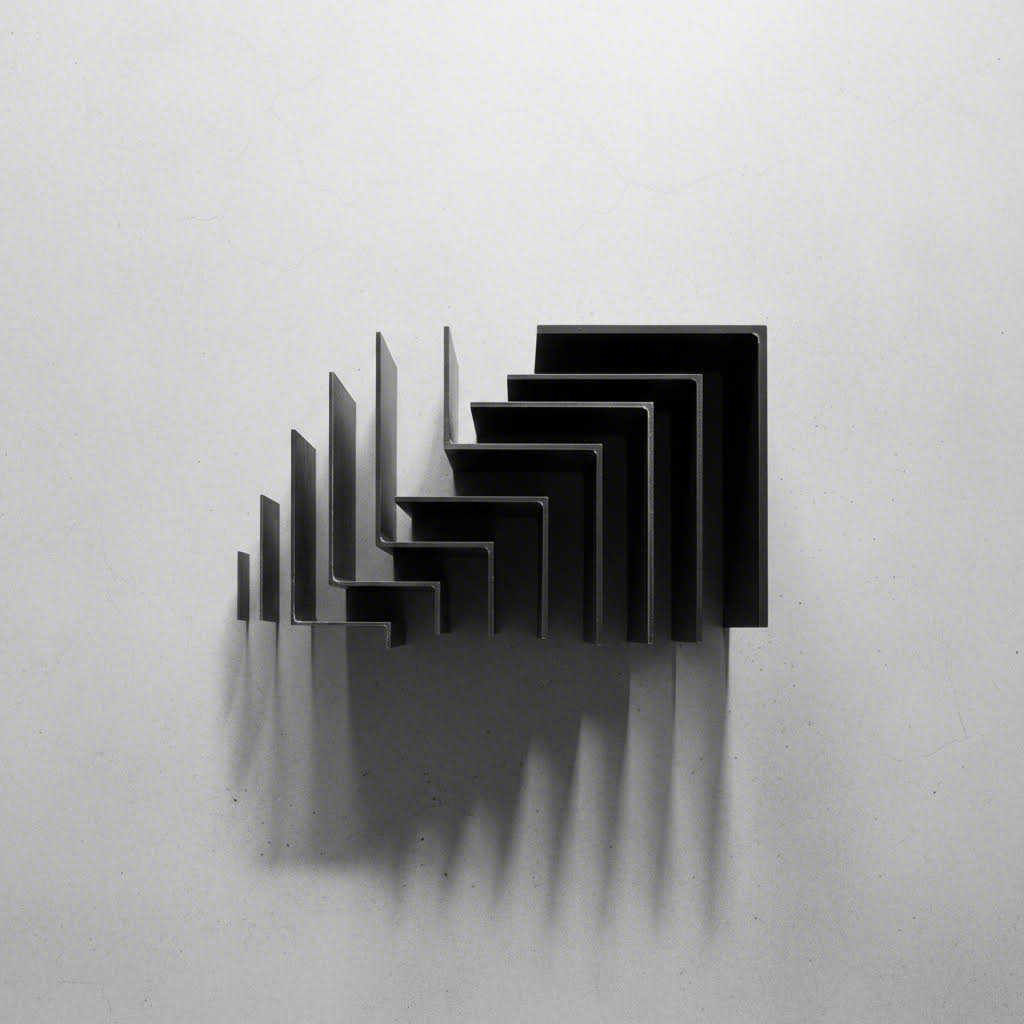
You've selected the right alloy and finish - but choosing the wrong dimensions can undermine your entire project. Whether you're framing a lightweight display case or reinforcing industrial equipment, matching your black aluminum angle profile to actual load requirements prevents both structural failures and unnecessary material costs. Let's break down the sizing logic so you can confidently specify the right profile every time.
When you see a designation like "1-1/2 x 1-1/2 x 1/8 inch," you're looking at three critical measurements: the length of each leg and the wall thickness. According to Alu-Haomei's specifications guide, standard leg lengths typically range from 1 inch to 6 inches, with thicknesses spanning from 1/16 inch to 1/4 inch for general applications.
Here's the fundamental principle: longer legs and thicker walls increase load-bearing capacity, but they also add weight and cost. A 1/16 aluminum angle works perfectly for lightweight trim applications, while a 2x2 inch profile with 1/4 inch thickness handles significant structural demands. The key is matching these specifications to your actual requirements - not over-engineering for situations that don't demand it.
Consider these factors when evaluating dimensions:
Understanding which sizes fit which applications eliminates guesswork from your specification process. The following table organizes common black aluminum angle dimensions by their typical use cases:
| Size Category | Typical Dimensions | Wall Thickness | Primary Applications |
|---|---|---|---|
| Small Profiles | 1/2" x 1/2" to 3/4" x 3/4" | 1/16" common | Decorative trim, picture framing, edge protection on lightweight panels, cable management channels |
| Light-Medium Profiles | 1" x 1" to 1.5 inch aluminum angle | 1/16" to 1/8" | Furniture edging, shelving supports, signage frames, light-duty brackets, DIY workshop organization |
| Medium Profiles | 1-1/2" x 1-1/2" to 2" x 2" | 1/8" to 3/16" | Display case frames, equipment guards, partition framing, fixture supports, moderate load-bearing brackets |
| Large Profiles | 2" x 2" to 4" x 4" | 3/16" to 1/4" | Structural framing, machine bases, heavy equipment supports, industrial racking, load-bearing construction |
| Heavy-Duty Profiles | 4" x 4" and larger | 1/4" and above | Primary structural members, bridge components, heavy industrial frameworks, specialized load-bearing applications |
Here's a distinction many buyers overlook: should both legs of your angle be identical, or does your application benefit from asymmetrical dimensions?
Equal leg angles feature identical measurements on both sides - think 1" x 1" or 2" x 2". As noted by FastMetals' comprehensive guide, this configuration provides balanced support and is the most common choice for general applications. When you need symmetrical mounting, consistent aesthetics on both visible surfaces, or reversible installation options, equal leg profiles deliver straightforward solutions.
Unequal leg angles offer different dimensions on each side - perhaps 1" x 2" or 1-1/2" x 2". When should you choose this configuration?
Imagine mounting a heavy shelf to a wall - an unequal leg angle with a shorter vertical leg and longer horizontal leg maximizes shelf support while minimizing wall projection. Conversely, a symmetrical frame requires equal legs for visual balance and consistent joint connections.
Weight considerations extend beyond structural calculations. Every dimension change affects the pounds per linear foot of your profiles, impacting shipping costs, handling requirements, and installation logistics.
While specific weight formulas depend on exact alloy densities and manufacturing tolerances, the principle is straightforward: larger cross-sectional areas mean heavier profiles. A 1 16 aluminum angle with small legs weighs a fraction of what a 2x2 inch heavy-wall profile weighs per foot.
Why does this matter practically?
When requesting quotes, ask suppliers for weight-per-foot specifications alongside dimensions. This data enables accurate project planning for both logistics and structural verification.
With dimensional specifications now clearly understood, you're ready to explore where these black aluminum angle profiles deliver the greatest value - from architectural installations to industrial equipment and creative DIY builds.
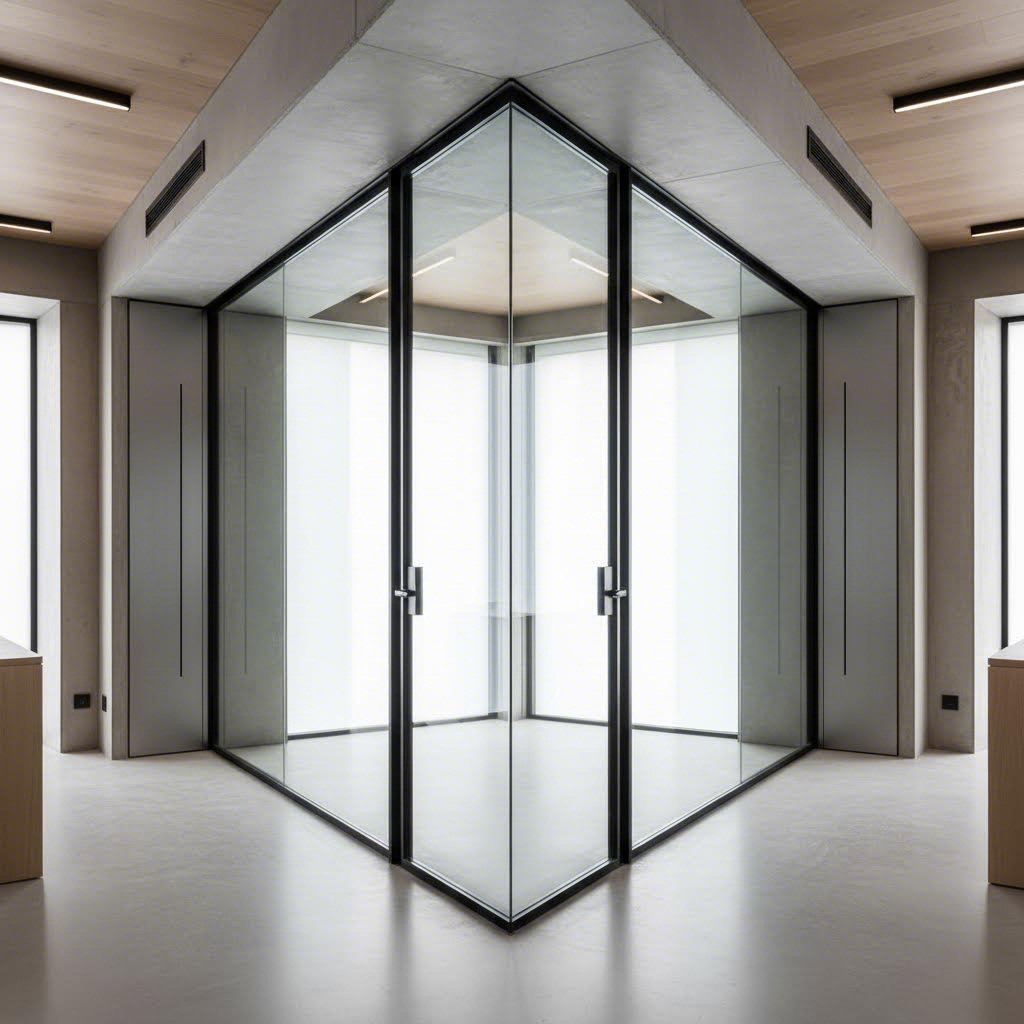
You've nailed down the finish type, verified the alloy, and calculated the right dimensions. Now comes the exciting part - putting those profiles to work. Black aluminum angle extrusion serves an remarkably diverse range of applications, from sleek architectural installations to rugged industrial equipment. Understanding where these profiles truly shine helps you recognize opportunities you might otherwise overlook.
When architects and contractors specify black aluminum angle trim, they're making both an aesthetic and functional decision. The black finish delivers a sophisticated, contemporary appearance that complements modern building designs while providing practical performance benefits that raw aluminum simply cannot match.
Consider window and door applications. According to Wellste's technical specifications, 6063 black anodized aluminum angle is commonly used in architecture specifically for windows and doors. Why? The anodized surface resists UV degradation, preventing the chalky fading that affects painted frames over time. That sleek black appearance stays consistent year after year, even under direct sun exposure.
Architectural applications where black aluminum angles excel include:
The black finish matters enormously in these visible applications. Imagine installing raw mill-finish aluminum alongside dark bronze window frames - the mismatch would undermine the entire design. Black anodized or powder-coated profiles integrate seamlessly, creating cohesive visual lines that enhance rather than distract from architectural intent.
Beyond architecture, black aluminum angle iron finds its place in environments where function dominates - yet appearance still counts. Industrial facilities increasingly recognize that professional-looking equipment reflects organizational quality, while DIY enthusiasts appreciate materials that elevate their projects beyond basic functionality.
Industrial Equipment and Protection
As noted by Action Stainless, aluminum angle is commonly used for machine guards, fixture frames, panel supports, and storage enclosures. When these components are visible to employees, customers, or safety inspectors, a black finish transforms utilitarian hardware into professional-grade installations.
Industrial applications benefiting from black finishes include:
Why choose black over mill finish in industrial settings? Beyond aesthetics, the coating provides an additional corrosion barrier in facilities where chemicals, humidity, or cleaning agents attack bare metal. Powder-coated black angles particularly excel in wash-down environments where durability trumps all other considerations.
Furniture and Fixtures
The furniture industry has embraced black aluminum angle profiles for their combination of structural integrity and modern styling. According to Alcobra Metals, aluminum angle is excellent for constructing furniture frameworks, particularly for modern, industrial-style pieces combining metal with wood or glass.
Furniture and fixture applications include:
DIY Projects and Home Improvement
For weekend builders and home improvement enthusiasts, a 1 1 2 x 1 16 aluminum angle in black provides that finishing touch elevating projects from amateur to professional-quality results. The material is lightweight enough for easy handling, yet strong enough to provide real structural support.
Popular DIY applications include:
The black finish specifically appeals to DIY users because it hides minor imperfections, fingerprints, and dust far better than raw aluminum. When you're building something for your home, that consistently clean appearance matters - nobody wants their weekend project looking shabby after a few months of use.
Whether you're specifying materials for a commercial building facade or building a custom entertainment center, black aluminum angle extrusion delivers the rare combination of structural performance, lasting aesthetics, and installation versatility that few other materials can match.
Understanding these applications is just the starting point. For projects requiring non-standard dimensions, specialized finishes, or integrated fabrication, customization options open entirely new possibilities - which brings us to exploring what professional-grade customization actually involves.
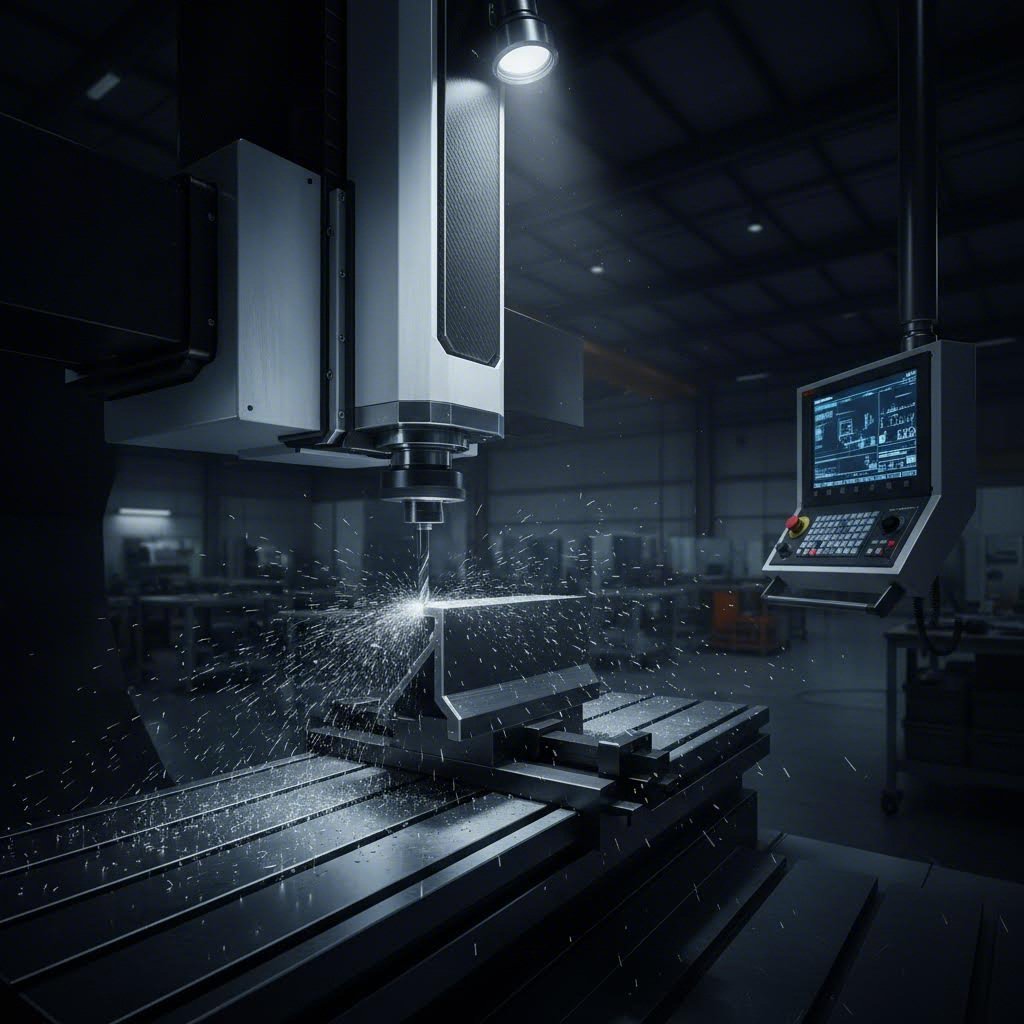
Stock profiles work beautifully for standard applications - but what happens when your project demands something off the catalog? Custom black aluminum angle fabrication opens possibilities that pre-made inventory simply cannot deliver. Whether you need modified dimensions, specialized hole patterns, or advanced surface treatments, understanding the customization landscape helps you specify exactly what your project requires.
Every aluminum angle extrusion custom project starts with one critical question: can existing dies meet your specifications, or does your profile require new tooling? According to Gemini Group's technical guide, the extrusion die is the most crucial component in shaping aluminum - it determines the cross-sectional profile as heated aluminum is forced through under immense pressure ranging from 1,000 to 15,000 tons.
When standard dies don't match your requirements, custom die development becomes necessary. The process involves translating your design specifications into precision-machined steel tooling that will shape thousands of linear feet of extruded profile. Here's what you can customize at the die level:
Die development requires upfront investment, but the per-piece cost decreases dramatically at production volumes. For projects requiring hundreds or thousands of feet, custom tooling often proves more economical than modifying stock profiles through secondary machining.
Once your profile exits the extrusion press, aluminum angle extrusion custom capabilities extend through deep processing - the secondary operations that transform raw extrusions into finished components ready for installation.
What can be accomplished through deep processing?
For B2B buyers requiring complete solutions, manufacturers with integrated deep processing capabilities deliver significant advantages. Shengxin Aluminium, for example, operates 35 extrusion presses ranging from 600T to 5500T capacity alongside state-of-the-art CNC machining centers. This integration means your custom black aluminum angle profiles move seamlessly from extrusion through cutting, drilling, and bending - all under one roof with consistent quality control.
Black aluminum profile customization extends well beyond dimensional modifications. Surface treatment options allow you to specify performance characteristics matched precisely to your environmental demands.
Custom Anodizing Options
While standard black anodizing serves most applications, specialized requirements may call for variations:
Advanced Coating Technologies
When standard finishes don't meet your durability requirements, specialized coatings offer enhanced protection:
Shengxin Aluminium's surface treatment capabilities encompass this full spectrum - from standard anodizing to custom colors and specialized coatings like PVDF and micro-arc oxidation. Their technical team provides guidance on matching surface treatments to your specific environmental challenges, ensuring the finish performs throughout your product's intended lifespan.
Ready to explore custom aluminum angle fabrication for your project? Here's what the typical process involves:
For custom projects, start conversations with potential suppliers early in your design process. Their engineering input during the specification phase often prevents costly redesigns and ensures your custom black aluminum angle extrusion meets both performance requirements and budget constraints.
With customization possibilities now clear, the final consideration is equally important: how do you evaluate specifications and verify quality before committing to a supplier? Understanding these quality indicators protects your investment and ensures the finished product meets your expectations.
You've explored finishes, alloys, dimensions, and customization options - but here's where the rubber meets the road. Before committing to any supplier, understanding how to read specifications correctly and verify quality indicators separates informed buyers from those who discover problems only after installation. This practical guidance helps you evaluate aluminum angle specifications with confidence.
When you receive a product datasheet or quote, the numbers listed aren't arbitrary - they communicate critical information about what you're actually purchasing. But what do those specifications really mean for your project?
Dimensional Tolerances Explained
Every aluminum extrusion is manufactured within specified tolerances - the acceptable variation from nominal dimensions. According to ANSI H35.2-2024, the American National Standard for Dimensional Tolerances for Aluminum Mill Products, these specifications cover thickness, width, length, and diameter across various product forms.
Why do tolerances matter? Imagine ordering profiles for a display case where multiple angles must meet at precise corners. If your 1-inch leg actually measures 1.02 inches on some pieces and 0.98 inches on others, those corners won't align cleanly. Tighter tolerances cost more but ensure consistent assembly.
Typical tolerance considerations include:
When reviewing specifications, look for references to industry standards like ANSI H35.2-2024 or equivalent international standards. Suppliers referencing these documents demonstrate commitment to measurable quality benchmarks rather than vague claims.
Beyond dimensional accuracy, black aluminum finish quality requires specific verification methods. A profile might measure correctly yet fail to perform if the surface treatment doesn't meet standards.
Surface Uniformity Assessment
Visual inspection remains your first line of defense. Quality black finishes should appear consistent across the entire profile length - no streaking, mottling, or color variation between pieces from the same batch. Hold profiles at various angles under good lighting to reveal subtle inconsistencies that might otherwise go unnoticed.
Adhesion Testing Standards
How well does that black finish actually stick to the aluminum substrate? According to MIL-PRF-8625, the military specification for anodic coatings on aluminum, adhesion testing follows specific protocols. The cross-hatch method uses adhesive tape applied over a grid of cuts through the coating - if finish material pulls away with the tape, adhesion is insufficient.
For powder coatings, similar adhesion tests verify the bond between coating and substrate. As noted by Ya Ji Aluminum's inspection guide, the cross-hatch method uses adhesive tape to check if the coating peels off - a fundamental quality verification step.
Coating Thickness Verification
Thickness directly impacts durability. Too thin, and the finish wears through prematurely. Inconsistent thickness creates weak points where corrosion or wear concentrates. The eddy current method provides non-destructive measurement of oxide layer thickness in microns for anodized finishes, while magnetic or ultrasonic gauges verify powder coating thickness.
For Type III hard anodized coatings, MIL-PRF-8625 specifies testing using ASTM B244 or ASTM E376 methods, with thickness computed as the average of at least eight measurements across the surface. This multi-point approach catches localized thin spots that single measurements might miss.
Before placing large orders, always request coating thickness certification and ask whether suppliers perform adhesion testing per recognized standards like MIL-PRF-8625 or ASTM protocols.
Corrosion Resistance Verification
Salt spray testing simulates accelerated corrosion exposure. According to ASTM B117 standards referenced in MIL-PRF-8625, specimens undergo 336 hours of salt fog exposure - equivalent to years of real-world weathering compressed into days. Quality anodized finishes should show no pitting or surface degradation after this testing period.
For projects in marine environments, coastal areas, or industrial facilities with chemical exposure, requesting salt spray test results provides objective evidence of corrosion protection capability.
Understanding MOQ differences between stock and custom items helps you plan procurement realistically:
When evaluating suppliers, ask specifically about MOQ flexibility. Some manufacturers offer prototype quantities at premium pricing to support evaluation before committing to production volumes.
Never commit to large orders without physical samples - specifications on paper don't capture the tactile reality of finish quality, color accuracy, and dimensional precision.
When requesting samples, specify:
Evaluate samples against your actual project requirements. Test fit with mating components. Check color match against other materials in your design. Verify that the finish meets your aesthetic expectations under the lighting conditions where it will ultimately be installed.
Quality suppliers welcome sample requests - hesitation or refusal to provide representative samples should raise concerns about whether delivered products will match quoted specifications.
Armed with this knowledge of aluminum angle quality standards and verification methods, you're positioned to make confident supplier decisions. The final step is understanding how to evaluate potential partners and match their capabilities to your specific project requirements.
You've navigated finish types, decoded alloy designations, calculated dimensions, and learned what quality indicators to verify. Now comes the moment of decision - selecting the right supplier and product combination that matches your specific requirements. This final step transforms your accumulated knowledge into confident purchasing action.
Not all black aluminum angle suppliers offer the same value proposition. Some excel at quick-ship stock inventory, while others specialize in complex custom fabrication. According to industry sourcing guidelines, making an informed decision involves gathering comprehensive information across multiple capability areas.
When evaluating potential suppliers, investigate these critical capability categories:
For buyers requiring custom solutions, Shengxin Aluminium exemplifies the integrated capability model. With over 30 years of industry experience, their facility houses 35 extrusion presses ranging from 600T to 5500T capacity - meaning they handle everything from delicate architectural trim to heavy industrial profiles. Their CNC machining centers perform precise cutting, drilling, and bending on-site, while surface treatment capabilities span standard anodizing through custom colors and specialized PVDF coatings.
Why does this integration matter? When die development, extrusion, machining, and finishing happen under one roof, quality control remains consistent throughout. You're not coordinating between multiple vendors, hoping tolerances align across separate production facilities.
With supplier capabilities assessed, your final decision synthesizes everything you've learned into a coherent selection process. Use this numbered checklist to systematically work through your decision:
Here's the honest assessment: not every project needs custom fabrication. Stock black aluminum angle from established distributors delivers immediate availability and low minimum quantities - perfect for prototyping, small DIY projects, or replacement parts where standard dimensions work.
However, custom solutions become compelling when:
For these demanding applications, working with an aluminum angle extrusion manufacturer offering end-to-end support - from die development through mass production - streamlines your supply chain. Shengxin Aluminium's technical team, for example, provides consultation on complex industrial profiles, helping optimize designs for manufacturability while meeting performance requirements. Their factory-direct pricing eliminates distributor markup for volume purchases.
The right supplier choice depends on your specific situation - small projects benefit from distributor flexibility, while custom requirements and production volumes favor manufacturer partnerships offering integrated capabilities and technical support.
Armed with this comprehensive understanding of black aluminum angle extrusion - from finish chemistry through alloy selection, dimensional planning, and supplier evaluation - you're positioned to specify and source materials that perform exactly as your project demands. Whether you're framing architectural installations, building industrial equipment, or tackling ambitious DIY builds, matching the right profile to your application ensures lasting results that look as good as they perform.
Black aluminum angle extrusions come in a wide range of sizes to suit various applications. Small profiles start at 1/2" x 1/2" for decorative trim and edge protection, while medium profiles like 1-1/2" x 1-1/2" work well for furniture frames and display cases. Larger structural profiles range from 2" x 2" up to 4" x 4" or beyond for heavy-duty industrial applications. Wall thickness typically spans from 1/16" for lightweight applications to 1/4" for load-bearing structures. Both equal leg and unequal leg configurations are available to match specific mounting and support requirements.
Black anodizing creates an integral oxide layer through an electrochemical process, making the finish part of the metal itself rather than a coating on top. This provides excellent scratch resistance, UV stability, and a sleek appearance that won't chip or peel. Powder coating applies a thick thermoset polymer layer cured in an oven, offering superior impact resistance and the thickest protective barrier. Anodizing is ideal for architectural and heat-dissipating applications, while powder coating excels in high-wear industrial environments. Anodized finishes maintain the aluminum's metallic quality, whereas powder coating can achieve various textures and unlimited colors.
The 6063-T5 alloy is the preferred choice for black anodized aluminum angle extrusions, especially in architectural applications. This aluminum-magnesium-silicon alloy offers excellent extrudability, producing smooth surfaces that anodize uniformly without color variation or surface defects. The T5 temper designation indicates the material was artificially aged after extrusion for enhanced mechanical properties. While 6061 or 6082 alloys offer higher strength, they often sacrifice anodizing quality due to their different compositions, potentially resulting in inconsistent black coloration.
Yes, extensive customization options exist for professional projects. Custom die development allows you to specify exact leg dimensions, wall thickness, corner radius, and even integrated features like screw channels or mounting slots. Deep processing capabilities include precision length cutting, CNC drilling, bending, milling, and thread tapping. Surface treatment customization extends to custom anodizing colors, specialized PVDF coatings for extreme UV resistance, and micro-arc oxidation for enhanced durability. Manufacturers like Shengxin Aluminium offer end-to-end support from die development through mass production with factory-direct pricing.
Black aluminum angle extrusions are available through multiple channels depending on your needs. Local distributors and home improvement stores like Home Depot stock common sizes for immediate pickup, ideal for small DIY projects. Online metal suppliers such as Online Metals and CRL offer broader size selections with shipping options. For custom dimensions, specialized finishes, or production volumes, working directly with manufacturers provides better per-unit economics and integrated services. Consider stock distributors for quick-ship needs under 100 feet, while larger projects benefit from manufacturer relationships offering technical support and quality certifications.



 Интернет Сервис
 0086 136 3563 2360
 sales@sxalu.com
 +86 136 3563 2360
 русский
 English
 français
 Deutsch
 español
 português
 العربية
 ไทย
ไทย Việt
Việt Українська