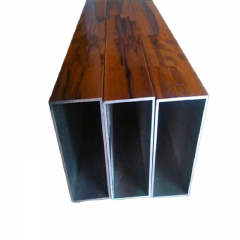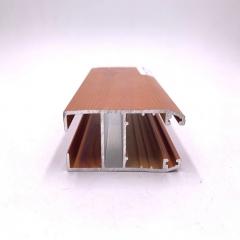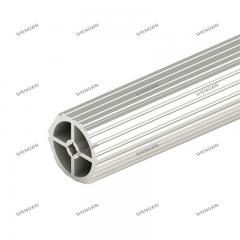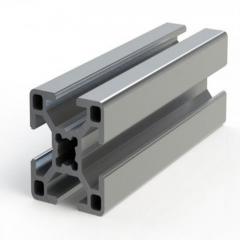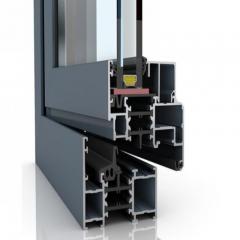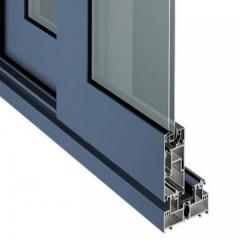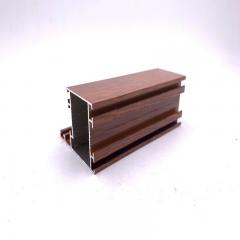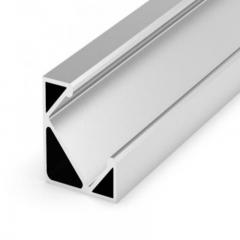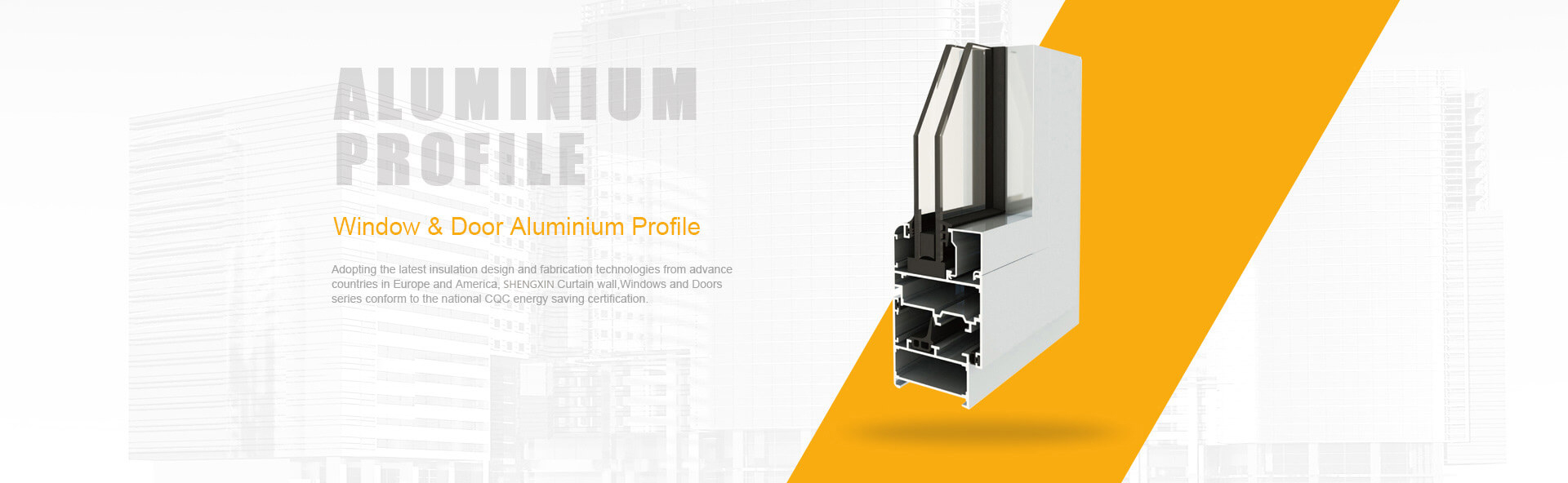
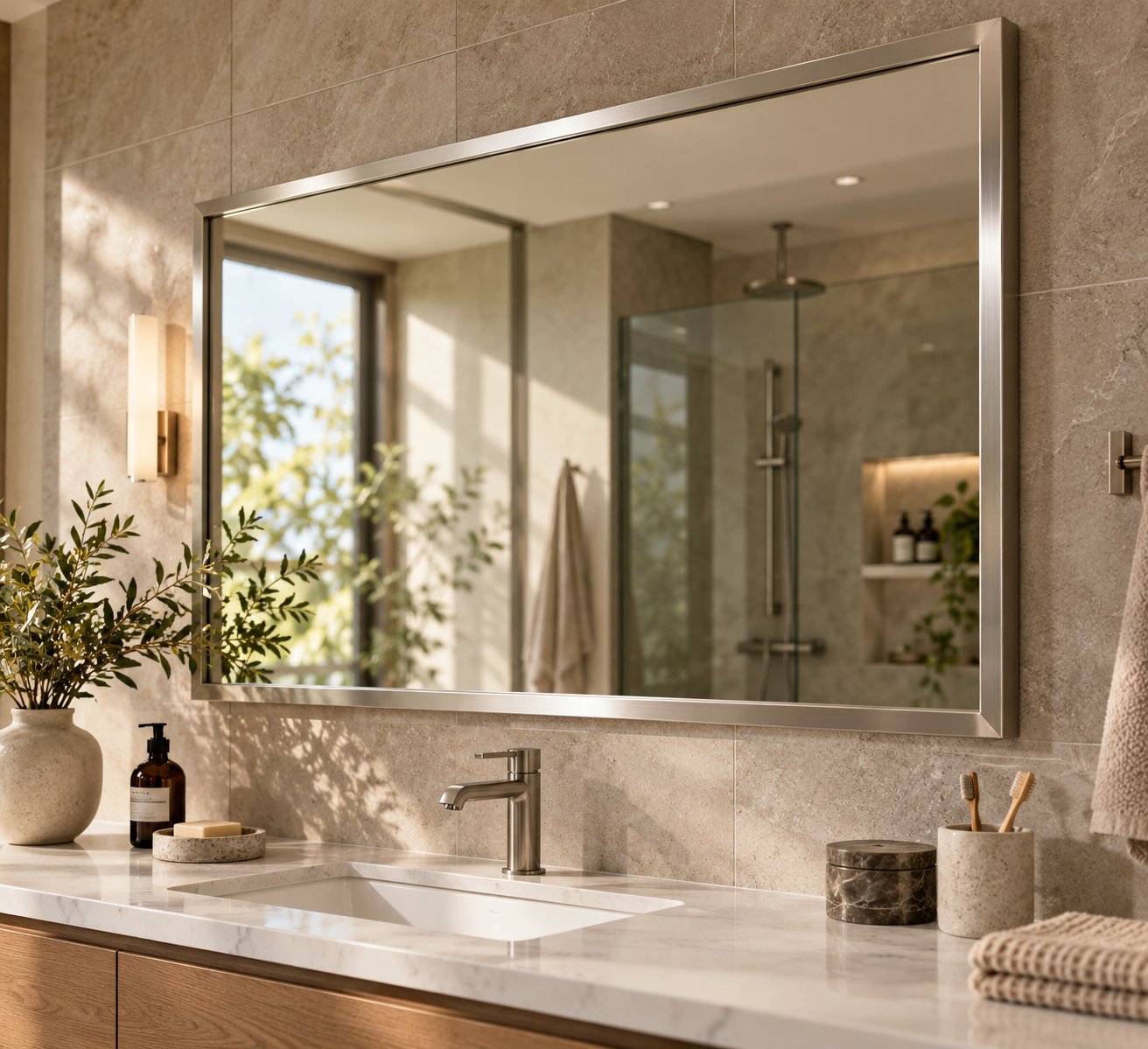
Have you ever wondered how those sleek, perfectly uniform aluminum mirror frames are made? Whether you're framing a bathroom vanity mirror or installing decorative wall mirrors, understanding what aluminum mirror frame extrusions actually are gives you a significant advantage when selecting the right materials for your project.
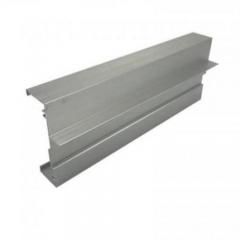
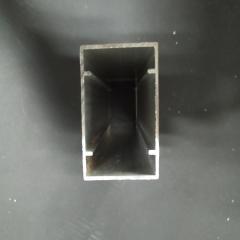
Simply put, an aluminum mirror frame is a specially shaped metal profile designed to hold, protect, and enhance the appearance of mirrors. These frames are manufactured through a process called extrusion, which creates continuous lengths of aluminum with precise, consistent cross-sectional shapes. Think of it like squeezing toothpaste through a tube—except the "tube" is a carefully engineered steel die, and the result is a perfectly formed extruded frame ready for your mirror application.
Aluminum extrusion is a manufacturing process that pushes heated aluminum alloy through a shaped die opening to create profiles with specific cross-sectional designs, delivering unmatched precision and consistency for applications ranging from window extrusion systems to decorative mirror framing.
Imagine you're working with modeling clay. When you push that clay through a shaped opening, it comes out in that exact form—a star, a circle, or any design you choose. The aluminum extrusion process works on the same principle, just with industrial-grade precision and heat.
Here's how it works: A cylindrical aluminum billet is loaded into a furnace and heated until it becomes soft and malleable. According to manufacturing experts at Gabrian, this heated billet is then pushed through a steel die using a powerful hydraulic press. The pressure forces the aluminum to take on the exact shape of the die's opening, creating a continuous extrusion frame profile that can stretch 8 to 24 feet long.
Once extruded, the aluminium mirror profiles are rapidly cooled using water or air to maintain their structural integrity. They're then cut to desired lengths, straightened if necessary, and undergo quality checks to ensure dimensions and surface finish meet required standards.
Why does this manufacturing method matter for your mirror project? The extrusion process delivers three critical benefits that directly impact your installation success:
This combination of accuracy, reliability, and versatility explains why professionals increasingly choose aluminum over traditional wood or steel options. The extrusion frame approach simply delivers better results with less hassle during installation—something you'll appreciate when your mirror hangs perfectly level on the first try.
Now that you understand how aluminum mirror frame extrusions are manufactured, the next critical decision involves choosing the right alloy. Not all aluminum is created equal—and selecting the wrong material can mean the difference between a flawless installation and frustrating problems down the road. When browsing metal framed mirrors or ordering custom profiles, you'll encounter terms like 6063-T5 and 6061-T6. What do these designations actually mean for your project?
The 6000 series aluminum alloys dominate the architectural mirrors industry for good reason. Both 6063 and 6061 contain magnesium and silicon as their primary alloying elements, delivering excellent corrosion resistance and workability. However, their performance characteristics differ significantly—and understanding these differences helps you make smarter purchasing decisions.
Aluminum 6063 is prized for its superior extrusion properties, making it ideal for creating complex cross-sectional profiles. According to YUH-FIELD's material analysis, this alloy produces the smoothest surface finishes and handles intricate shapes—including hollow sections—without difficulty. It's commonly used in window frames and decorative applications where appearance matters as much as function. When you see beautifully finished aluminum mirror frame products from suppliers like FHC aluminum distributors, they're typically working with 6063.
Aluminum 6061, on the other hand, offers greater structural strength. It's widely utilized in towers, cranes, and heavy-duty structural applications, particularly in Europe and the United States. The trade-off? It's considerably harder to extrude, especially for non-standard shapes or hollow profiles. If surface finish and aesthetic appeal are priorities for your metal mirror frame project, 6061 may introduce unnecessary challenges and costs.
You've probably noticed those T5 and T6 designations following alloy numbers. These aren't random—they indicate specific heat treatment processes that dramatically affect material performance.
Here's what happens during heat treatment: The aluminum is raised to approximately 980 degrees Fahrenheit to dissolve alloying elements into a solid solution, then rapidly quenched in water. This creates what's called the T4 temper. From there, controlled aging at temperatures between 325-400 degrees F causes the alloying elements to form ordered atomic structures called GP zones, which significantly strengthen the material. According to Engineering Express, common aging cycles include one hour at 400°F, five hours at 350°F, or eight hours at 325°F—all equally effective.
The practical difference? T5 indicates the material was cooled directly from the extrusion process (while still hot) and then aged. T6 means the material was separately solution treated, quenched, and then aged. For most purposes, T6 delivers slightly higher strength than T5, but both perform admirably for typical steel mirror frame alternatives and standard architectural applications.
| Property | 6063-T5 | 6063-T6 | 6061-T6 |
|---|---|---|---|
| Extrusion Difficulty | Easiest | Moderate | Most Difficult |
| Suitable Shapes | Any shape (especially hollow profiles) | Any shape (with recommended thickness) | Primarily circles and squares |
| Surface Finish Quality | Excellent | Very Good | Good (may require finishing) |
| Hardness (Webster B) | 10-14 | 12-15 | 13-16 |
| Tensile Strength | Lower | Medium | Highest |
| Cost Effectiveness | Most economical | Moderate | Highest cost |
| Typical Applications | Bathroom mirrors, decorative frames | Commercial installations, architectural mirrors | Heavy-duty structural, industrial |
For most aluminum mirror frame projects—whether residential bathroom vanities or commercial installations—6063-T5 delivers the optimal balance of workability, appearance, and performance. Testing data from YUH-FIELD demonstrates that well-processed 6063-T5 achieves tensile strengths of 217 MPa and hardness values around 78 Hv, meeting or exceeding standard requirements while maintaining excellent surface quality.
When should you consider upgrading to 6063-T6 or 6061-T6? If your project involves exceptionally large mirrors requiring maximum rigidity, or if post-extrusion machining demands higher hardness to prevent aluminum chip blockage, the added strength may justify the additional cost. However, insisting on T6 treatment for hollow shapes or intricate designs can actually lead to deformation during manufacturing—something to discuss with your supplier before ordering.

With the right alloy selected, your next decision involves choosing the profile shape that best suits your mirror project. Think of profile shapes as the building blocks of your mirror frame—each design serves a specific purpose, and selecting the wrong one can complicate installation or compromise the final appearance. Whether you're working with frame molding for mirror edges or creating seamless panel joints, understanding these shapes transforms guesswork into confident decision-making.
Aluminum mirror frame extrusions come in four primary profile configurations, each engineered for distinct applications. The shape you choose directly affects how your mirror mounts, how it looks once installed, and how much effort the installation requires. Here's what you need to know about each option:
Knowing the shapes is only half the equation—understanding when to use each one separates professional-quality results from amateur attempts. Consider your installation scenario:
For bathroom vanity mirrors mounted directly to drywall, J-channels offer the cleanest solution. The profile conceals mounting hardware while creating a finished mirror border frame that appears to float on the wall. Orange Aluminum's deluxe mirror J-channels feature beveled faces and come punched and slotted for easy installation, available in 12-foot lengths that accommodate most residential projects.
For large commercial installations spanning multiple panels, H-profiles eliminate visible seams between mirror sections. The center divider maintains consistent spacing while allowing for slight thermal expansion—critical in environments with temperature fluctuations.
For decorative or accent mirrors where the frame itself becomes a design element, F-profiles and specialty mirror moulding frame options deliver visual impact. These work particularly well when you want the mirror frame with molding to complement existing architectural details.
Profile depth must match your mirror thickness—sounds obvious, but this detail trips up many first-time buyers. Standard residential mirrors typically measure 1/4" (6mm) thick, which is why most commercial J-channels and L-profiles are sized for 1/4" glass. However, thicker mirrors require correspondingly deeper channels.
When specifying your order, consider these factors:
The right profile selection simplifies everything that follows—from cutting and fitting to final mounting. With your shape and dimensions confirmed, you're ready to explore the surface finishes that bring your mirror molding frame to life.
You've selected your alloy and chosen the perfect profile shape—now comes the decision that most dramatically impacts your mirror's final appearance: surface finish. The right treatment transforms raw aluminum into stunning mirrored frames that complement any interior design while providing long-lasting protection. From elegant gold mirrored frame finishes to subtle matte textures, understanding your options ensures the result matches your vision.
Anodizing remains the gold standard for aluminum mirror frame extrusions, and for good reason. Unlike paint or coatings that sit on the surface, anodizing actually transforms the aluminum itself. According to Gabrian's surface finishing guide, the process submerges aluminum parts in an electrolytic bath while running electrical current through them. This creates an oxide layer that becomes part of the metal—it cannot peel, chip, or flake off like applied coatings.
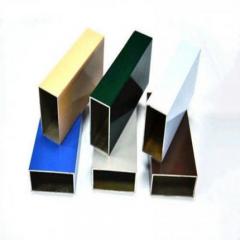
What makes anodizing particularly appealing for colorful mirror frames? The resulting oxide layer is porous before sealing, allowing dyes to penetrate deeply into the surface. This means your champagne, bronze, or golden frame for mirror applications won't fade or wear away with normal use. The color becomes integral to the material structure itself.
Popular anodized finish options include:
For a brown mirror frame or similar earth-toned finish, anodizing delivers exceptional consistency across large production runs. The electrochemical process ensures uniform coloration that batch-applied paints struggle to match.
When your design calls for vibrant colors, unique textures, or specific brand-matched hues, powder coating opens doors that anodizing cannot. This dry application process uses electrostatically charged powder particles that bond to grounded aluminum parts, then cure under heat to form a durable protective layer.
As TiRapid's finishing guide explains, powder coating produces no volatile organic compounds, making it an environmentally friendly choice. The finish offers excellent resistance to corrosion, UV exposure, scratches, and chemicals—critical considerations for a gold frame for bathroom mirror applications where humidity and cleaning products challenge surface integrity.
Powder coating excels where anodizing has limitations:
Planning to install mirrored frames in sunrooms, covered outdoor areas, or locations with significant UV exposure? PVDF (polyvinylidene fluoride) coating represents the premium choice for weather resistance. According to Metal Alliance, PVDF coatings containing 70% Kynar 500 resins—the industry's gold standard—have been tested for over 50 years in extreme Florida environments.
The performance numbers speak for themselves: PVDF-coated aluminum carries warranties against chipping, peeling, and cracking for up to 40 years, with 30-year protection against fading and chalking. For coastal installations where humid, salt-laden air accelerates deterioration, specialized PVDF Coastal formulations deliver 25-year limited warranties.
PVDF coating creates protection through seven distinct layers, including primer, topcoat, and backer coat applications. This multi-layer approach ensures outstanding color retention and gloss stability that single-layer treatments cannot match.
For high-traffic commercial installations or applications requiring exceptional hardness, micro-arc oxidation (MAO) represents cutting-edge surface treatment technology. This process creates a ceramic-like oxide layer significantly harder and more wear-resistant than standard anodizing.
While more expensive than conventional treatments, MAO delivers superior performance in demanding environments. The ceramic layer resists scratching, abrasion, and impact damage—ideal for public spaces where mirror frames face daily contact and potential abuse.
Your installation location should drive finish selection. Bathroom humidity, temperature fluctuations, and cleaning chemical exposure create different challenges than dry interior spaces. Here's how each treatment performs under various conditions:
Bathroom and High-Humidity Applications: Anodizing performs exceptionally well in moisture-rich environments. The integral oxide layer resists water penetration and prevents corrosion from developing beneath the surface. Powder coating also handles humidity effectively, though edge protection becomes critical—any exposed raw aluminum can become a corrosion starting point.
Dry Interior Environments: Nearly any finish works well in controlled indoor spaces. Your choice becomes primarily aesthetic, with cost and color options driving the decision. Standard anodizing and powder coating both deliver decades of maintenance-free performance.
Variable or Outdoor-Adjacent Locations: PVDF coating justifies its premium cost when UV exposure and temperature swings enter the equation. The fluoropolymer chemistry resists degradation that would dull or discolor other finishes within years.
| Surface Treatment | Durability Rating | Color Options | Cost Level | Best Applications |
|---|---|---|---|---|
| Clear Anodizing | Excellent | Natural aluminum only | Moderate | Minimalist designs, industrial aesthetics |
| Color Anodizing | Excellent | Good (metallics, earth tones) | Moderate-High | Bathroom vanities, decorative frames |
| Powder Coating | Very Good | Unlimited colors and textures | Low-Moderate | Custom colors, budget projects, textured finishes |
| PVDF Coating | Superior | Wide range, excellent retention | High | Exterior, coastal, high-UV locations |
| Micro-Arc Oxidation | Maximum | Limited | Highest | High-traffic commercial, heavy-duty applications |
When specifying your aluminum mirror frame finish, consider both immediate aesthetics and long-term maintenance requirements. A beautiful gold mirrored frame loses its appeal if humidity causes discoloration within months. Matching the right surface treatment to your specific environment ensures your installation looks flawless for years—not just on installation day.
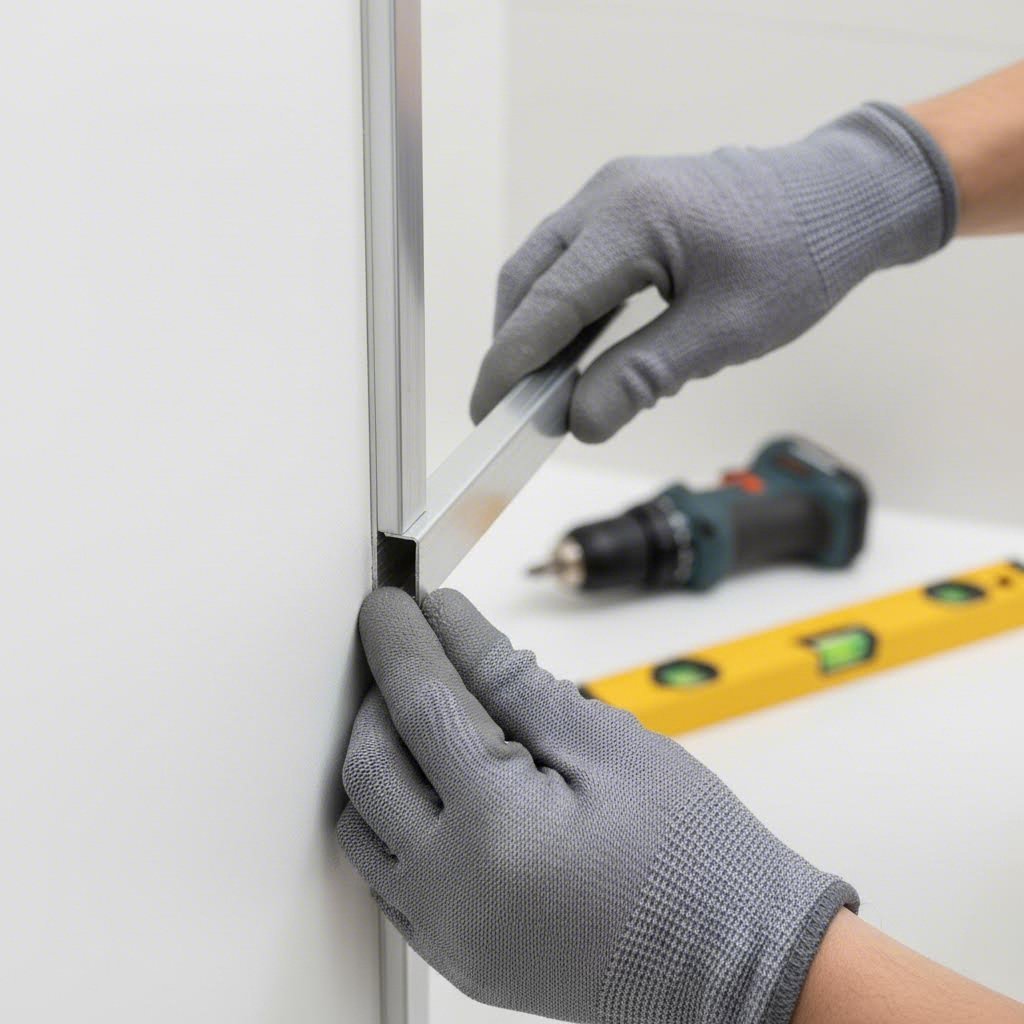
You've selected your alloy, chosen the perfect profile, and picked a stunning finish—now comes the moment of truth. How to frame a mirror properly determines whether your project looks professionally installed or frustratingly amateur. Surprisingly, most manufacturers and suppliers skip this critical guidance entirely, leaving you to figure things out through trial and error. Let's change that with a comprehensive walkthrough that covers everything from preparation to final adjustments.
Before you grab your tools, proper preparation prevents the costly mistakes that ruin otherwise perfect projects. According to Walker Glass industry experts, moisture is mirror's ultimate nemesis—continued exposure corrodes the silvered backing, creating stain marks and the dreaded "black edge" that cannot be repaired.
Start with these essential preparation steps:
Whether you're using a bath mirror frame kit for a small vanity or tackling a large wall installation, these numbered steps ensure professional results. The process differs slightly depending on whether you're using mechanical mounting or adhesive methods—we'll cover both approaches.
This approach uses J-channels, hangrails, clips, or traditional frames to secure your mirror. It's sturdier than adhesive-only installations and allows for easier removal if needed.
Precision Frameworks recommends installing two T-bolts with at least one into a stud for optimal support—skipping this step may void your warranty.
When learning how to frame a mirror with molding using adhesives, technique matters as much as product selection. Avoid chemicals containing acetones, toluols, methylene chloride, or acetic acid—these corrode mirror backing.
Even with perfect technique, small details separate good installations from great ones. Keep these professional insights in mind:
Learning from others' errors saves you frustration and expense. Here are the installation pitfalls that trip up even experienced DIYers attempting to frame your mirror kit projects:
With your aluminum mirror frame extrusions properly installed, you're ready to enjoy the finished result. But what if you're still in the selection phase, uncertain which frame configuration best suits your specific project? The next section helps you match frame choices to different mirror applications—from compact bathroom vanities to expansive commercial installations.
Your installation technique is flawless—but does your frame choice actually match your project requirements? Selecting aluminum mirror frame extrusions involves more than picking a finish you like. Environment, mirror dimensions, and intended use all influence which profiles, thicknesses, and mounting configurations deliver optimal results. Whether you're sourcing frames for mirrors in a residential bathroom or outfitting an entire commercial building, understanding these selection criteria prevents costly mismatches.
Bathroom environments present unique challenges that demand specific frame characteristics. High humidity, temperature fluctuations from hot showers, and regular exposure to cleaning chemicals create conditions where inferior materials fail quickly. When selecting custom bathroom mirror frames, prioritize these factors:
Large bathroom mirror frames require additional structural consideration. Mirrors exceeding 48 inches in any dimension benefit from thicker-walled profiles (.050" versus .040") and mechanical mounting rather than adhesive-only installation. The added weight of oversized mirrors demands secure anchoring into wall studs.
Full-length dressing mirrors and decorative wall mirrors serve different purposes than bathroom vanities—and frame selection should reflect those differences. As Lowe's mirror buying guide explains, full-length mirrors should measure at least half your height for proper reflection, typically 48 inches or taller.
For these applications, consider:
Commercial installations introduce variables rarely encountered in home settings. High-traffic environments, strict building codes, and durability requirements shift selection priorities significantly.
Commercial Installation Factors:
Residential Installation Factors:
Understanding industry-standard tolerances prevents frustration when your delivered frames don't match expected dimensions exactly. Aluminum extrusion manufacturing inherently involves slight variations—knowing acceptable ranges helps you evaluate quality and plan installations accordingly.
When ordering aluminum mirror frame extrusions, specify and verify:
With your application requirements clearly defined and specifications understood, you're equipped to make informed frame selections. But how do aluminum extrusions actually compare against alternative framing materials? The next section examines wood, steel, and plastic options—revealing why professionals increasingly favor extruded aluminum for most mirror applications.
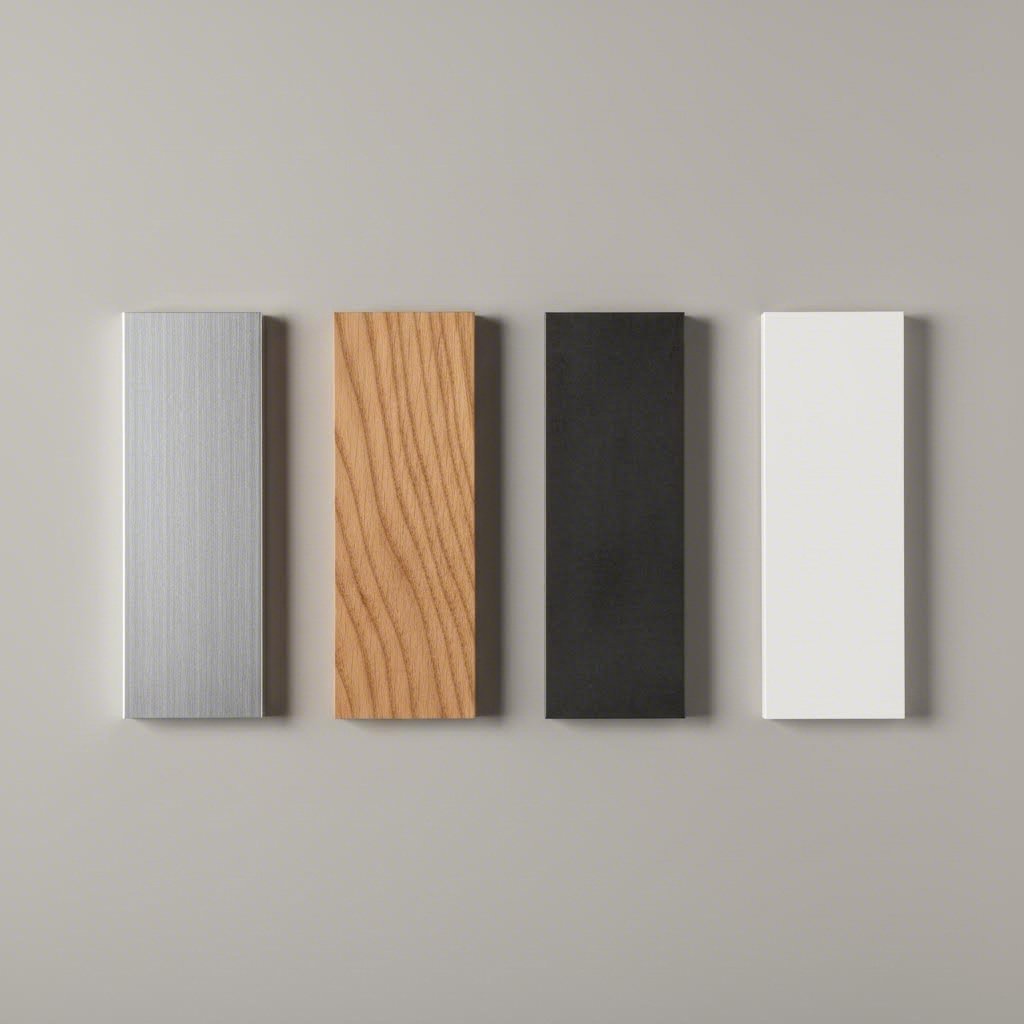
Now that you understand how to select the right frame for your specific project, a fundamental question remains: why choose aluminum over other framing materials? Wood, steel, and plastic all have their advocates—and each brings genuine strengths to certain applications. Making an informed decision requires understanding where each material excels and where it falls short. Let's examine the alternatives objectively so you can confidently determine which material best serves your mirror metal frame needs.
Wood brings undeniable warmth and natural beauty that many homeowners find irresistible. According to Ace Decor Bath's material analysis, wooden frames connect bathrooms to the natural world, creating spa-like retreats that feel grounding and peaceful. The natural grain and texture add unique character that manufactured materials struggle to replicate.
However, wood's charm comes with significant practical challenges—particularly in bathroom environments. Natural wood is porous, meaning it absorbs moisture readily. This leads to warping, cracking, and discoloration over time, especially in poorly ventilated spaces. While high-quality sealed wood products can withstand humidity, they require ongoing maintenance including periodic resealing and careful cleaning.
Metal frame mirrors, by contrast, require virtually zero maintenance. You wipe them down occasionally with a damp cloth—that's it. For homeowners who love wood's aesthetic but lack time for upkeep, aluminum frames with wood-grain finishes offer an intriguing compromise: the look of natural material with the durability of metal.
Steel offers exceptional strength and a distinctive industrial aesthetic. A steel frame mirror makes a bold design statement in contemporary or loft-style spaces. The material's rigidity easily supports large, heavy mirrors without concern for flexing or warping.
The trade-off? Steel rusts. Without proper coating and maintenance, moisture exposure causes corrosion that's difficult to stop once started. According to Eagle Aluminum's sustainability analysis, unlike steel frames, window frames and mirror frames made from aluminum channels do not deteriorate and prevent moisture-related problems like frosting, water leakage, or corrosion.
Steel also weighs considerably more than aluminum—roughly three times heavier for equivalent dimensions. This complicates installation, requiring more robust wall anchoring and making handling during installation more challenging. For applications where maximum strength truly matters, steel delivers. For most residential and commercial mirror applications, aluminum provides sufficient strength at a fraction of the weight.
Plastic composite and resin frames dominate the budget market segment. Their primary appeal? Affordability and lightweight construction. According to Dawsons Framing's comparative analysis, plastic frames can be molded into virtually any shape, often mimicking wood or metal appearances at lower price points.
The limitations become apparent over time. Plastic frames scratch and dent easily. Temperature fluctuations cause warping that premium materials resist. Many cheaper resin options fade or discolor with UV exposure and harsh cleaning chemicals. For temporary installations or extremely tight budgets, plastic serves its purpose—but it lacks the longevity and premium feel of a quality metal frame for mirror applications.
Resin does offer one genuine advantage: it can replicate ornate, decorative designs that would be prohibitively expensive to produce in metal or wood. If your project requires elaborate baroque styling at accessible pricing, high-quality resin frames deserve consideration.
Ask contractors and interior designers which material they specify most frequently for metal mirror frames, and aluminum dominates the response. The reasons extend beyond simple preference:
The environmental angle deserves emphasis. The aluminum industry has reduced its carbon footprint by 49% for primary production and 60% for recycled production since the 1990s. For projects where sustainability matters, aluminum offers genuine environmental credentials alongside practical benefits.
| Property | Aluminum | Wood | Steel | Plastic/Resin |
|---|---|---|---|---|
| Weight | Lightweight | Moderate | Heavy | Very Light |
| Durability | Excellent | Good (with maintenance) | Excellent | Fair to Poor |
| Moisture Resistance | Excellent | Poor (without sealing) | Poor (rusts) | Good |
| Customization Options | Extensive profiles and finishes | Stains, paints, carvings | Limited profiles | Any shape, limited durability |
| Environmental Impact | Highly recyclable (90%+) | Renewable (if sourced responsibly) | Recyclable but energy-intensive | Often non-recyclable |
| Maintenance Required | Minimal | Regular sealing and care | Coating maintenance | Minimal but shorter lifespan |
| Cost | Moderate | Moderate to High | Moderate to High | Low |
| Best Applications | Most mirror projects | Dry environments, traditional design | Industrial aesthetics, heavy mirrors | Budget projects, temporary use |
Despite aluminum's advantages, situations exist where other materials genuinely excel:
For most applications—bathroom vanities, commercial installations, decorative wall mirrors, and anywhere moisture or longevity matters—aluminum mirror frame extrusions deliver the optimal balance of performance, aesthetics, and value. Understanding these material trade-offs positions you to make confident decisions, whether you're finalizing specifications or evaluating manufacturer proposals.

You've compared materials, selected your ideal profile shape, and determined the perfect finish—but what happens when standard catalog options don't quite meet your project requirements? Custom aluminum mirror frame extrusions open possibilities that off-the-shelf products simply cannot match. Whether you need a unique mirror profile for a signature architectural installation or specialized aluminium mirror frame dimensions for commercial applications, understanding the custom manufacturing process helps you evaluate potential partners and set realistic expectations.
Every custom extrusion begins with die development—the critical first step that determines whether your vision becomes reality. Think of the die as a precision-engineered mold that shapes heated aluminum into your exact specifications. According to Star Extruded Shapes, the process starts with designing your desired profile shape using specialized software like AutoCAD or SolidWorks. These digital models enable faster quoting, streamlined prototyping, and reduced time to market.
Once your design is finalized, manufacturers create the steel die that will shape every extrusion. Die complexity directly impacts cost—intricate profiles with thin walls, sharp internal corners, or multiple hollow sections require more sophisticated tooling and slower extrusion speeds. For mirror framing supplies with decorative elements or specialized mounting features, expect higher upfront die investment but lower per-piece costs across production runs.
The die development timeline typically ranges from 2-4 weeks depending on complexity. Quality mirror frame manufacturers maintain extensive die libraries, so before commissioning custom tooling, ask whether existing dies might accommodate your requirements with minor modifications—this can significantly reduce both cost and lead time.
Not all aluminum window extrusions suppliers offer the same capabilities or commitment to quality. When evaluating potential partners for your custom mirror frame kits or production runs, look beyond quoted prices to assess their complete value proposition.
According to Inquivix Technologies, choosing the right supplier affects your product design, manufacturing process, product quality, and cost. The following criteria help distinguish reliable long-term partners from risky vendors:
Raw extrusions rarely go directly from press to installation. CNC (Computer Numerical Control) machining transforms extruded profiles into finished components ready for assembly. This secondary processing enables precise cutting to length, drilling mounting holes, creating miter joints for corners, and adding specialized features like countersinks or threads.
As PTSMAKE's engineering guide explains, quality control throughout CNC processing ensures dimensional accuracy and surface finish consistency. Operators use calipers, micrometers, and Coordinate Measuring Machines (CMM) to verify that finished pieces meet specifications—particularly critical for mirror profile applications where visible joints must align perfectly.
When discussing your project with potential mirror frame manufacturers, inquire about their machining capabilities:
Manufacturers with integrated CNC capabilities—like Shengxin Aluminium's state-of-the-art machining centers—deliver faster turnaround and better quality control than those outsourcing secondary operations. Every handoff between facilities introduces potential for delays, miscommunication, and quality variations.
The lowest unit price rarely represents the best value. According to Inquivix Technologies, comprehensive cost evaluation considers tooling investments, shipping logistics, quality consistency, and after-sales support. A supplier with slightly higher per-piece pricing may save money through reduced defect rates, faster delivery, and responsive technical assistance when issues arise.
Request detailed quotes itemizing die costs, material charges, finishing fees, and machining operations. This transparency enables fair comparisons and reveals hidden costs that inflate seemingly competitive bids. For ongoing production relationships, negotiate volume pricing tiers that reward your loyalty while protecting supplier margins—sustainable partnerships benefit everyone.
With your manufacturing partner selected and specifications confirmed, you're ready to finalize your order and move toward installation. The final section consolidates everything we've covered into actionable next steps—your comprehensive checklist for mirror frame project success.
You've now covered everything from alloy chemistry to installation techniques—but knowing and doing are different things. Whether you're framing a single bathroom vanity mirror or specifying aluminum mirrors for an entire commercial building, the path forward depends on where you currently stand in your project. Let's consolidate the key decisions into actionable steps that move your mirror framing project from planning to completion.
Before contacting suppliers or placing orders, work through these critical decision points. Having clear answers accelerates the quoting process and prevents costly specification changes mid-production:
Ready to move forward? Your next steps depend on project complexity and timeline. For standard frame with mirror applications using common profiles, many suppliers maintain inventory for immediate shipment. According to Custom Profiles' enquiry checklist, suppliers can offer fully managed stockholding services for ongoing requirements—eliminating wait times for production lead times on repeat orders.
For custom mirrors frame profiles or specialized finishes, prepare these details before requesting quotes:
Quality manufacturers provide samples before full production—always request them. A physical sample reveals surface finish quality, dimensional accuracy, and corner joint precision that photos and specifications cannot convey. This small investment prevents expensive surprises when production quantities arrive.
For projects requiring custom 6063 aluminum profiles with specialized surface treatments—including anodizing in custom colors like champagne or rose gold—manufacturers with comprehensive in-house capabilities streamline the process. Shengxin Aluminium's deep processing services offer end-to-end support from die development through mass production, with 35 extrusion presses and state-of-the-art CNC machining centers ensuring precise specifications for your mirror in a frame applications.
Whether you're a contractor sourcing gold frame for mirror installations, a designer specifying custom profiles, or a homeowner tackling a weekend project, you now have the knowledge to make confident decisions. The difference between amateur results and professional-quality installations often comes down to understanding your materials—and you've built that foundation. Your next flawless mirror installation awaits.
6063-T5 aluminum is the industry standard for mirror frame extrusions due to its superior extrudability, excellent surface finish quality, and cost-effectiveness. It handles complex profiles including hollow sections without difficulty. For heavy-duty applications requiring maximum strength, 6061-T6 offers higher tensile strength but is more difficult to extrude and may require additional surface finishing. Most residential bathroom mirrors and decorative frames perform optimally with 6063-T5.
Profile selection depends on your mounting method and application. L-shape profiles work best for simple edge finishing where mirrors sit flush against backing surfaces. J-shape profiles (J-channels) are ideal for wall-mounted mirrors as they capture the mirror edge while fastening directly to the wall. H-shape profiles join multiple mirror panels side by side, while F-shape profiles suit decorative applications where visual impact matters. Always ensure profile depth accommodates your mirror thickness with 1/32" to 1/16" clearance.
Anodizing is the recommended finish for bathroom mirror frames because the oxide layer becomes integral to the aluminum, preventing peeling, chipping, or flaking. It resists moisture penetration at microscopic levels, making it ideal for high-humidity environments. Popular options include clear anodizing, champagne, bronze, and black finishes. Powder coating offers unlimited color choices but requires careful edge protection. For exterior-adjacent locations with UV exposure, PVDF coating provides superior 30-40 year durability.
Yes, DIY installation is achievable with proper preparation and technique. Key steps include ensuring dry wall surfaces (primed and sealed), using appropriate hardware for your wall type, and verifying level placement throughout installation. Mechanical mounting with J-channels and hangrails provides the most secure results for larger mirrors. For adhesive mounting, use only mirror-safe, neutral-cure silicone and allow 24 hours for complete curing. Always handle mirrors with gloves and avoid stacking them during transport.
Evaluate manufacturers based on production capacity (multiple press sizes from 600T to 5500T), industry experience (30+ years indicates refined expertise), end-to-end capabilities (die development through mass production), quality certifications (ISO), and CNC machining services for precise cutting and drilling. Request samples before full production orders. Manufacturers like Shengxin Aluminium offer comprehensive deep processing services including custom surface treatments like anodizing in specialty colors, powder coating, and PVDF finishing.



 Интернет Сервис
 0086 136 3563 2360
 sales@sxalu.com
 +86 136 3563 2360
 русский
 English
 français
 Deutsch
 español
 português
 العربية
 ไทย
 Việt
 Українська