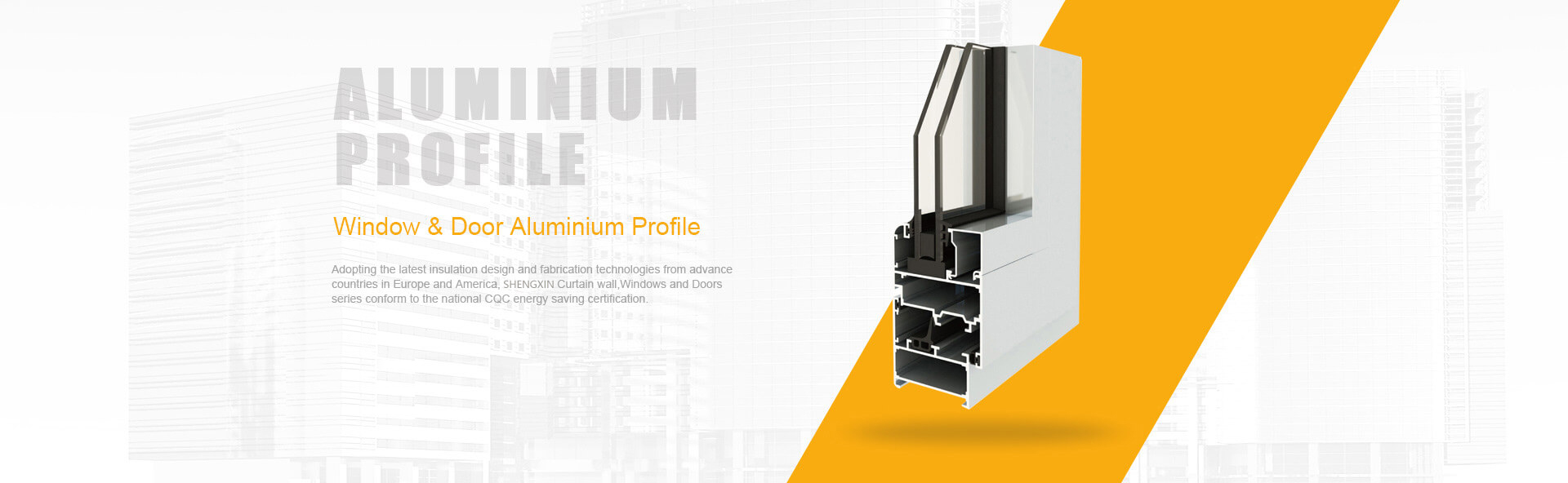
When you're planning a custom aluminum project, one question comes up early: how much will the tooling set you back? The aluminum extrusion die cost often catches buyers off guard, yet it's one of the most critical factors determining whether your project moves forward profitably. Understanding this investment upfront helps you make smarter decisions and avoid budget surprises down the road.
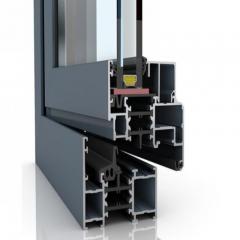
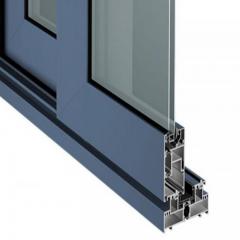
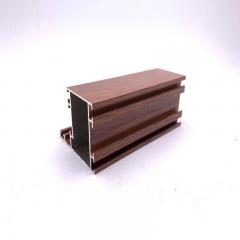
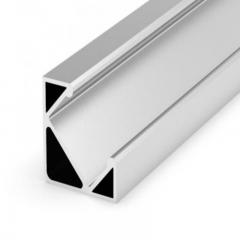
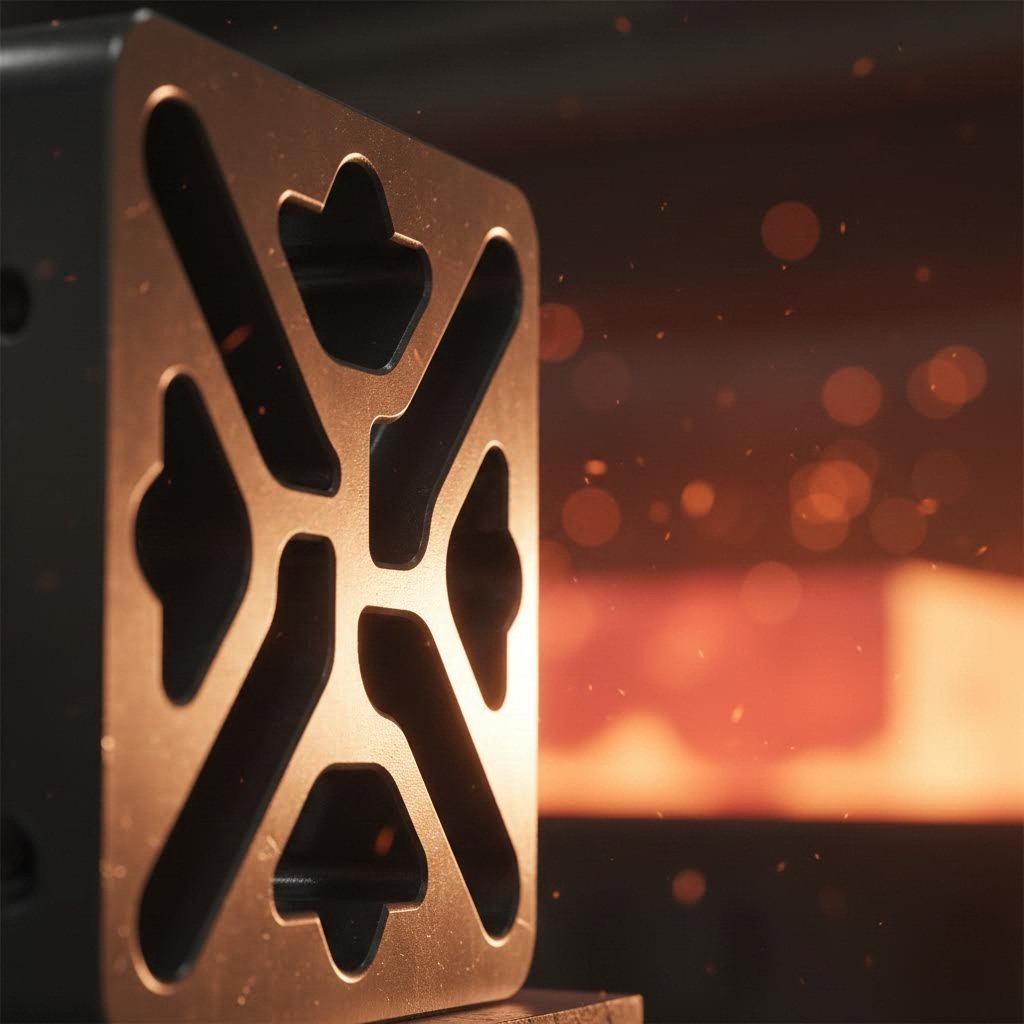
Think of an aluminum extrusion die as a sophisticated steel template that shapes molten aluminum into your desired profile. When heated aluminum billets are forced through this precision-machined opening under tremendous pressure, they emerge with the exact cross-sectional shape you need. Whether you're creating window frames, heat sinks, or structural components, the extrusion die determines the final geometry of every piece you produce.
The quality and precision of your extrusion dies directly affect surface finish, dimensional accuracy, and production consistency. A well-designed die produces thousands of feet of profile with minimal variation, while a poorly made one leads to scrap, rework, and frustrated customers. This is why experienced manufacturers treat die selection as a strategic decision rather than just a line item expense.
Here's what most suppliers won't tell you upfront: aluminum extrusion cost varies dramatically based on profile complexity. Industry data shows that simple solid dies can start under $1,000, while complex hollow dies with intricate geometries can exceed $25,000. That's a significant range, and understanding where your project falls on this spectrum is essential for accurate budgeting.
The custom aluminum extrusion cost equation becomes more favorable as your production volume increases. Why? Because die tooling represents a one-time investment that spreads across every unit you produce. Order 500 pieces, and that $5,000 die adds $10 per part. Order 50,000 pieces, and the same die contributes just $0.10 to each unit's cost.
Die costs are a one-time tooling investment that amortizes across your total production volume, making high-quality extrusion dies one of the most cost-effective manufacturing investments for medium to high-volume projects.
This guide focuses specifically on die pricing rather than general extrusion costs. You'll learn what drives these expenses, how to estimate your project's tier before requesting quotes, and strategies to optimize your investment. Whether you're a procurement manager evaluating suppliers or an engineer designing your first custom profile, understanding the true cost of extrusion dies puts you in a stronger negotiating position and helps you build accurate project budgets from day one.
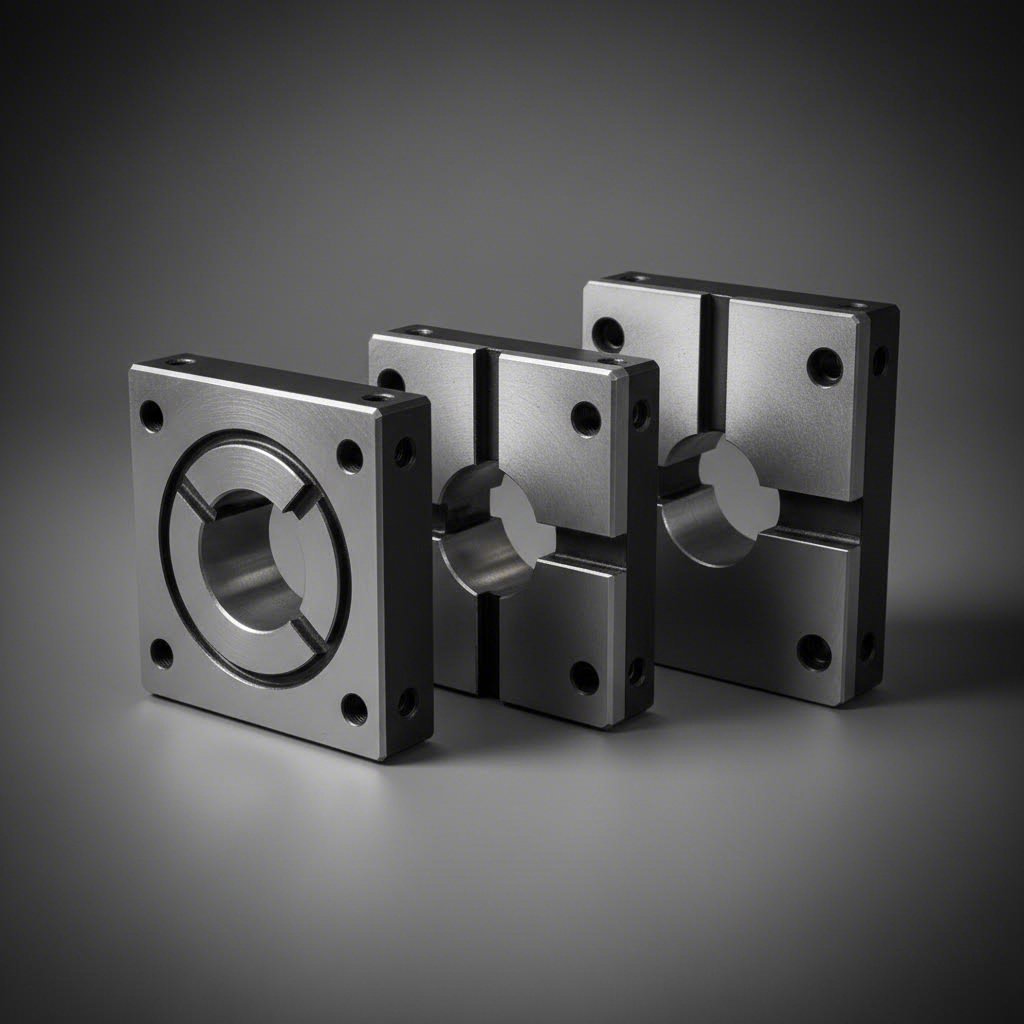
Not all aluminum extrusion dies are created equal. The type of die you need depends entirely on your profile's geometry, and this classification directly determines what you'll pay for tooling. Understanding these categories helps you anticipate costs before you even contact a supplier and gives you leverage during price negotiations.
Aluminum extrusion dies fall into three main categories: solid, semi-hollow, and hollow. Each serves different design requirements and comes with its own manufacturing complexity. Let's break down what makes each type unique and how that translates to your bottom line.
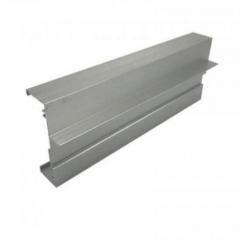
Solid dies represent the most straightforward and affordable option in the die for aluminium extrusion process. These single-piece tools create profiles without any enclosed voids or internal cavities. Think angles, flat bars, channels, and rods. The aluminum flows through one or more openings in a relatively simple path, requiring no internal support structures.
What makes solid aluminium extrusion dies cost-effective? The manufacturing process involves fewer components and less precision machining. A typical solid die stack includes:
Because these components work together without complex internal geometries, manufacturers can produce them faster with standard CNC equipment. Industry pricing for solid dies typically ranges from $300 to $800, making them ideal for straightforward applications where enclosed spaces aren't required.
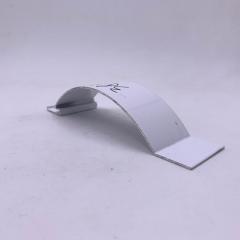
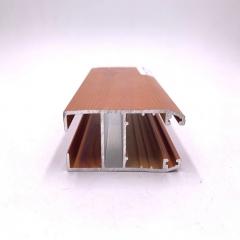
Semi-hollow aluminium extrusion dies occupy the space between simple and complex. These tools produce profiles that partially enclose a void without fully surrounding it. Imagine a C-channel or a mounting bracket with a narrow opening that doesn't quite close into a complete tube.
The manufacturing challenge increases because semi-hollow designs require partial bridges or tongue-like features that extend into the die opening. These elements must withstand tremendous pressure while maintaining precise positioning. The die set typically includes a mandrel with portholes alongside the standard die caps and bolsters.
You'll encounter semi-hollow die costs ranging from $800 to $1,500, reflecting the additional engineering and machining time required. This tier works well for profiles needing some enclosed features without the full complexity of hollow sections.
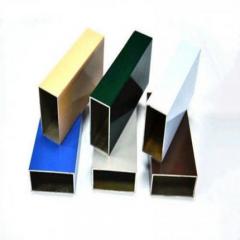
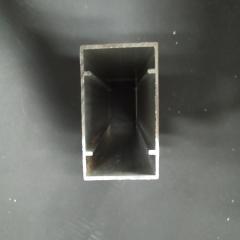
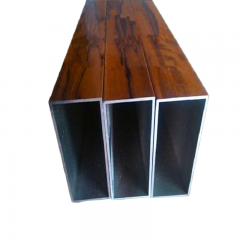
Here's where tooling costs climb significantly. Hollow aluminum extrusion dies create profiles with one or more completely enclosed voids, like tubes, square hollow sections, or complex architectural systems with multiple internal chambers.
Why the premium pricing? Hollow dies require a mandrel, which is an internal component that shapes the inside of your profile. This mandrel must be suspended within the die using bridges or portholes that split the aluminum flow and then rejoin it around the internal feature. The engineering challenge involves:
Multi-void profiles common in architectural systems or structural tubing push complexity even higher. Each additional cavity multiplies the balancing challenges and requires more sophisticated flow simulation during design.
Hollow dies typically cost between $1,000 and $3,000 for standard configurations, while multi-cavity designs can reach $5,000 or more. The internal mandrel requirements and flow balancing needs explain why hollow aluminium extrusion dies command these premium prices.
| Die Type | Profile Complexity | Typical Applications | Relative Cost Tier |
|---|---|---|---|
| Solid Die | Low - No enclosed voids, single-piece construction | Angles, channels, flat bars, rods | $300 - $800 |
| Semi-Hollow Die | Medium - Partial voids, narrow openings | Mounting brackets, C-channels, clips | $800 - $1,500 |
| Hollow Die | High - Fully enclosed voids, mandrel required | Tubes, square sections, pipe | $1,000 - $3,000 |
| Multi-Cavity Die | Variable - Multiple identical profiles per stroke | LED housings, fins, rail clips | $1,500 - $5,000+ |
The complexity classification you see here directly correlates to manufacturing difficulty and material requirements. More complex dies demand higher-grade tool steels, longer machining cycles, and more extensive testing before production. They also typically have shorter lifespans. While solid dies can handle 20,000 to 50,000 kg of aluminum, hollow dies often wear out between 10,000 and 30,000 kg, especially when extruding harder alloys.
Knowing which category your profile falls into gives you immediate insight into your expected tooling investment. But die type is just the starting point. Several other factors can push your costs higher or lower within each tier, which is exactly what we'll explore next.
Understanding die types gives you a baseline for cost expectations, but that's only part of the equation. Several critical factors push aluminum extrusion die cost up or down within each category. When you grasp these variables, you can anticipate quotes more accurately and make design decisions that optimize your tooling investment.
Imagine two hollow profiles with identical external dimensions. One features uniform 2mm walls throughout, while the other includes thin fins, deep channels, and tight internal corners. Despite falling into the same die type category, the second profile could cost two to three times more to tool. Let's examine why.
Profile geometry stands as the primary cost driver beyond basic type classification. Simple cross-sections like flat bars or angles require minimal machining time. Complex profiles with multiple internal cavities, varying wall thicknesses, or intricate geometries demand advanced extrusion die design and significantly longer CNC machining cycles.
What specific complexity factors increase your tooling costs? Here's what experienced die makers watch for:
Tolerance requirements amplify these complexity effects. General tolerances of ±0.15mm for dimensions under 25mm are standard and relatively affordable to achieve. However, when your application demands tighter concentricity, flatness, or dimensional control, expect longer machining cycles and more inspection checkpoints. These add directly to your aluminum extrusion tooling costs.
The circumscribing circle diameter (CCD) also plays a significant role. This measurement defines the outermost dimension your profile can fit within. Larger CCDs require larger die blocks, increasing raw material consumption and machining time. Typical small profiles fit within a 100-150mm CCD, while architectural or structural sections can exceed 250mm. Larger dies don't just cost more upfront; they may also require scheduling on high-capacity press equipment, potentially extending lead times.
The steel inside your extrusion die directly affects both initial cost and long-term economics. Most aluminum extrusion dies use H13 tool steel, a chromium-based hot-work steel known for its balance of red hardness, wear resistance, and thermal cracking resistance. H13 maintains stable hardness up to 425°C and handles most standard extrusion conditions reliably.
However, not every application is standard. When you need superior toughness for components subjected to impact, H11 steel becomes the preferred choice. Die makers commonly specify H11 for critical components like dummy blocks, piercing mandrels, and dies where H13's toughness falls short.
For high-volume production or when extruding abrasive alloys, premium-grade steels or surface treatments extend die life significantly. Nitriding, a surface hardening process, raises die surface hardness to over 1000 HV (approximately 70 HRC). This exceptional hardness directly improves wear resistance against the erosive flow of aluminum through the cavity. PVD coatings offer similar benefits for specific applications.
These material upgrades typically add 15-30% to your base tooling cost, but the investment often pays for itself. A die that lasts 40,000 kg instead of 25,000 kg dramatically reduces your per-unit tooling allocation over a production run.
Press tonnage requirements create another cost variable that buyers sometimes overlook. Extrusion presses range from small 600-ton units to massive 5500-ton machines. The press size your profile requires determines die dimensions and, consequently, material consumption. Larger tonnage presses handle bigger CCDs and heavier sections but require correspondingly larger, more expensive dies. A profile that barely fits a 2000-ton press will cost less to tool than one requiring 4000-ton capacity, even if the geometries appear similar.
Expert aluminium extrusion tooling design affects both your upfront investment and long-term die performance. Experienced die makers design for balanced metal flow, minimized extrusion defects, and optimal material savings. They understand how different alloys behave under pressure and temperature, adjusting die geometry accordingly. This expertise shows up in dies that run longer between corrections, produce fewer rejects, and maintain tighter tolerances throughout their lifespan.
When evaluating quotes, consider asking suppliers about their simulation capabilities. FEM (Finite Element Method) flow analysis during the design phase identifies potential problems before steel is cut, reducing costly revisions and trial-and-error corrections. Suppliers investing in these design technologies often deliver better value despite similar or slightly higher initial quotes.
Custom extrusion projects benefit tremendously from early collaboration with die makers who understand these interrelated factors. A small design modification, like slightly increasing a corner radius or standardizing wall thickness, can shift your profile from a premium complexity tier to a more affordable one without compromising functionality. These conversations work best before finalizing drawings, when changes cost nothing but time. Understanding what drives pricing gives you the knowledge to ask the right questions and make informed tradeoffs between design ideals and budget realities.
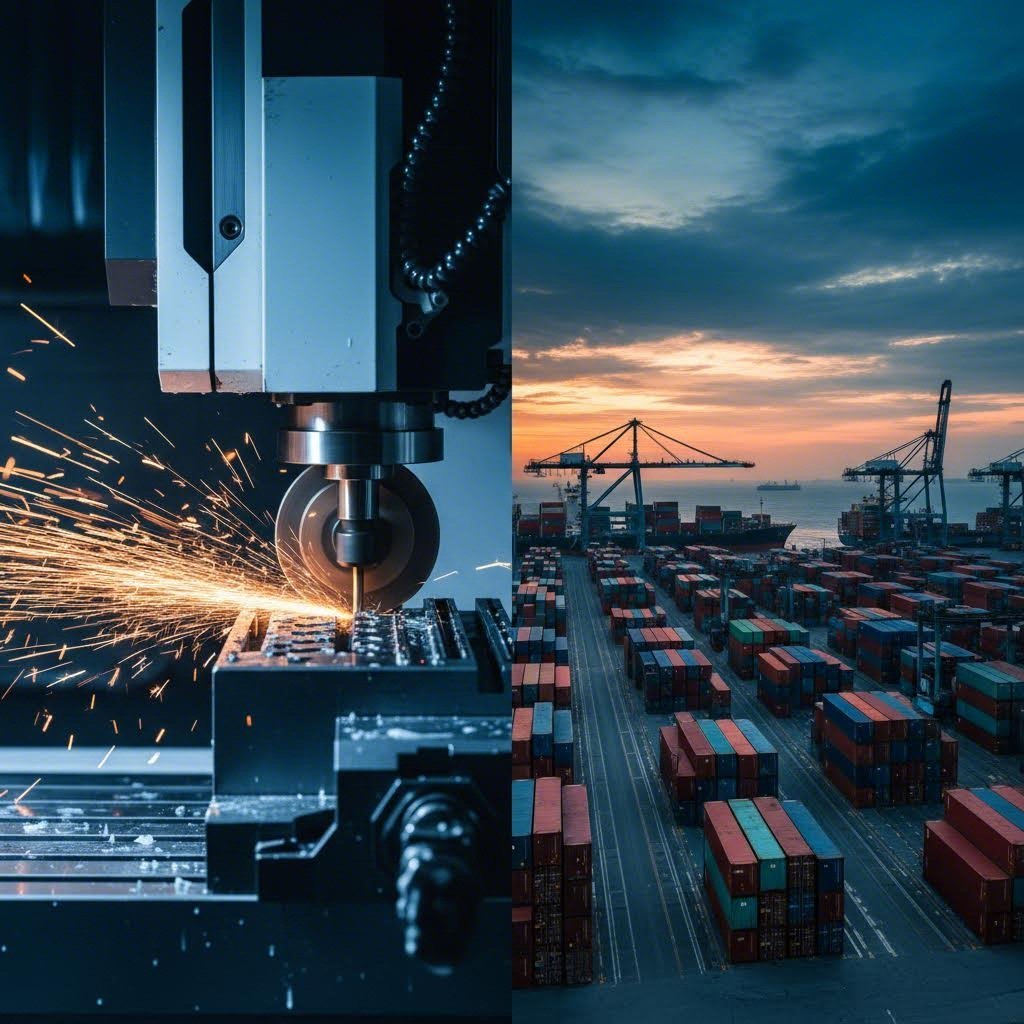
Once you understand what drives die pricing, the next question naturally follows: where should you source your tooling? This decision affects more than just the number on your purchase order. Custom aluminum extrusion manufacturers face this choice regularly, and the right answer depends on your specific priorities, timeline, and risk tolerance.
On paper, overseas die manufacturing often shows a 30-50% cost advantage compared to domestic options. But experienced buyers know that quoted price rarely equals total landed cost. Before you chase the lowest number, consider what you're actually paying for and what you might sacrifice.
Working with domestic custom aluminum extrusion companies offers benefits that don't always appear on a spreadsheet. Speed stands out immediately. A domestic die maker can typically deliver tooling in 2-4 weeks, while overseas suppliers often require 6-10 weeks before factoring in shipping time. When your project timeline is tight or market conditions demand fast response, this difference matters.
Communication quality becomes critical during die development. When you're refining tolerances, discussing surface finish requirements, or troubleshooting trial run results, real-time conversations in the same time zone eliminate costly misunderstandings. A quick phone call resolving a specification question beats a 24-hour email delay that compounds over multiple revision cycles.
Consider these advantages domestic sourcing typically provides:
These factors don't eliminate the cost difference, but they change the value equation. When a domestic die costs $2,500 versus $1,500 overseas, that $1,000 gap might disappear after one correction cycle or production delay.
Overseas die sourcing makes sense for certain situations. High-volume, proven designs with stable specifications benefit most from lower tooling costs. When you're reordering replacement dies for established profiles, the development risk largely disappears, making price the primary consideration.
However, first-time profiles or complex geometries introduce variables that favor proximity. Custom aluminum extrusion suppliers overseas may offer attractive initial quotes, but hidden costs accumulate quickly:
The intellectual property question deserves serious consideration. Your profile designs represent competitive advantage, and sharing detailed drawings with distant suppliers introduces risks that some industries simply cannot accept. Defense contractors, medical device manufacturers, and companies with proprietary thermal management solutions often mandate domestic tooling regardless of cost implications.
How do you calculate total landed cost accurately? Start with the quoted die price, then add international shipping (typically $150-400 for tooling), customs duties, broker fees, and insurance. Factor in the opportunity cost of extended lead times, especially if delays affect your production schedule or customer commitments. Finally, estimate the probability and cost of revision cycles, recognizing that overseas corrections multiply both time and expense.
The best sourcing strategy often isn't purely domestic or overseas. Many experienced buyers develop domestic relationships for new product development where iteration speed matters, then consider overseas options for proven designs in high-volume replacement scenarios. This hybrid approach captures cost savings where risk is lowest while protecting development timelines where speed creates value.
Understanding where your dies come from is just one piece of the cost puzzle. The real question isn't what you pay upfront, but what you pay per part over the life of your tooling investment.
When evaluating aluminum extrusion die cost, focusing solely on the purchase price tells only part of the story. Experienced buyers understand that the initial quote represents just the beginning of your tooling investment. What truly matters is how that expense translates into cost per finished part over the die's entire productive life.
Think about it this way: a $1,500 die that produces 100,000 quality parts delivers better economics than a $900 die that fails after 40,000 pieces. Total cost of ownership analysis helps you see beyond the invoice and make smarter procurement decisions for your custom aluminum extrusion projects.
The formula itself is straightforward: divide your total die investment by the number of acceptable parts produced. But gathering accurate inputs requires understanding several interconnected variables that affect your aluminium die performance over time.
Start with your expected production volume. Are you planning a one-time run of 5,000 pieces, or will this profile become a recurring product with 50,000 annual units over five years? This projection fundamentally changes how die costs affect your per-unit economics.
Consider this example of how volume transforms die cost impact:
| Production Scenario | Die Cost | Total Parts | Die Cost Per Part |
|---|---|---|---|
| Prototype run | $2,000 | 500 | $4.00 |
| Small batch | $2,000 | 5,000 | $0.40 |
| Medium production | $2,000 | 25,000 | $0.08 |
| High volume | $2,000 | 100,000 | $0.02 |
The same $2,000 investment ranges from a significant $4.00 per-part burden to a negligible $0.02 allocation. This dramatic difference explains why custom extruded aluminum becomes increasingly cost-competitive against alternative manufacturing methods as volumes increase.
But your calculation shouldn't stop at the purchase price. True cost includes correction runs when the initial die doesn't quite meet specifications, typically adding $200-500 per adjustment. It includes nitriding treatments to extend surface life, usually $150-300 per cycle. And it includes the eventual replacement die when your original tooling wears beyond acceptable tolerance.
How long will your die actually last? The answer depends on several factors working together: die type, alloy being extruded, production intensity, and maintenance practices.
Solid dies handling softer alloys like 6063 commonly produce 30,000 to 50,000 kg of aluminum before requiring replacement. Hollow dies with complex internal features typically deliver 15,000 to 30,000 kg before wear affects dimensional accuracy. When extruding harder alloys like 6061 or 7075, expect these figures to drop by 20-40%.
Production intensity matters too. Running a die continuously at maximum speed generates more heat and wear than intermittent production with cooling breaks. High-pressure extrusion through tight tolerances accelerates wear faster than relaxed specifications through generous openings.
A higher-quality die with longer lifespan often delivers better economics than a cheaper die requiring early replacement. The true measure of value isn't what you pay upfront, but what you pay per acceptable part over the tooling's productive life.
Smart die maintenance extends useful life significantly. Proper practices that protect your aluminum extrusion custom tooling investment include:
When planning replacement timing, don't wait for catastrophic failure. Proactive replacement before tolerances slip prevents quality escapes reaching your customers. Track your die's production history, monitor dimensional trends, and budget for replacement tooling when output approaches 80% of expected lifespan.
For custom aluminum extrusions with ongoing demand, consider ordering replacement dies before your current tooling reaches end of life. This overlap ensures production continuity and gives you time to qualify new tooling without schedule pressure. The small carrying cost of spare dies often pays for itself in avoided emergency situations and premium rush charges.
Understanding total cost of ownership transforms how you evaluate quotes and select suppliers. But before requesting those quotes, you need a framework for estimating where your specific project falls on the cost spectrum.
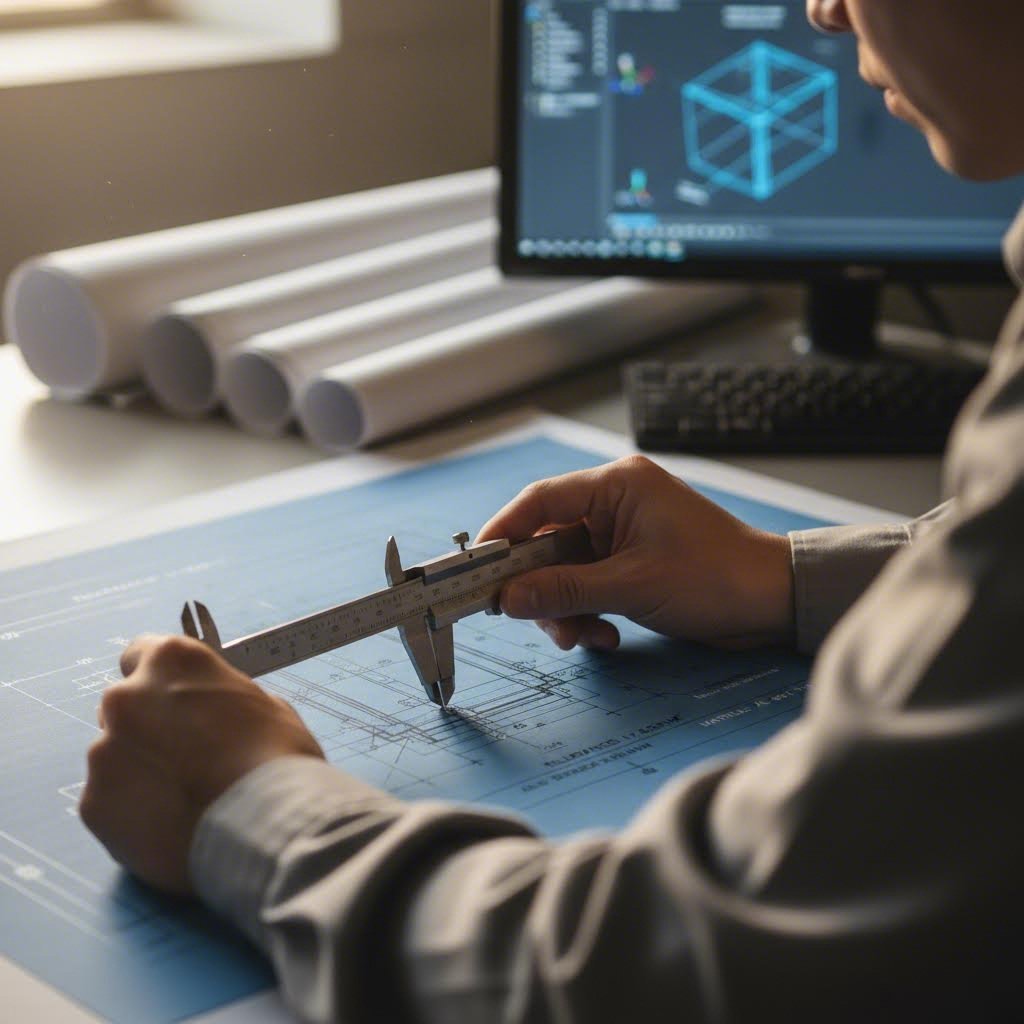
Walking into supplier conversations without a realistic cost expectation puts you at a disadvantage. Knowing approximately where your project falls on the pricing spectrum helps you evaluate quotes intelligently and identify outliers that warrant closer examination. Before you send that first RFQ, use this self-assessment framework to establish your baseline.
The good news? You don't need specialized engineering knowledge to estimate your custom extrusion aluminum tooling tier. By answering a few key questions about your profile design, you can narrow your expected range significantly and prepare the documentation suppliers need to deliver accurate quotes.
Think of complexity assessment as a scoring exercise. Each factor adds weight to your expected die cost, and understanding how is aluminum extrusion made helps you see why certain features demand premium tooling. Walk through these steps systematically to position your project within the right cost tier:
After completing this assessment, you'll have a clearer picture of where your custom aluminum extrusion profiles fall on the complexity spectrum. A simple solid profile with generous radii and uniform walls sits at the low end. A multi-cavity hollow section with tight tolerances and thin walls occupies premium territory.
Your complexity assessment tells part of the story, but suppliers need specific information to provide reliable quotes. Vague requests generate vague responses. Detailed specifications enable accurate pricing that holds through production.
What exactly do suppliers need from you? Prepare these elements before requesting quotes:
Suppliers who receive complete specification packages respond faster and more accurately than those piecing together requirements through back-and-forth emails. Your preparation demonstrates professionalism and often results in more competitive quotes.
One final consideration before contacting suppliers: review your design for optimization opportunities. Small modifications that don't affect functionality can sometimes shift your project from a higher complexity tier to a more affordable one. Increasing a corner radius from 0.5mm to 1.5mm, standardizing wall thickness, or simplifying an internal feature might save hundreds of dollars in tooling without compromising your end product.
Armed with your complexity assessment and complete specifications, you're ready to engage suppliers from a position of knowledge rather than uncertainty. The quotes you receive will make more sense, and you'll recognize which suppliers truly understand your requirements versus those offering generic pricing.
Here's something most buyers discover too late: the aluminum extrusion die cost you pay isn't fixed by your design requirements alone. Strategic decisions during the development phase can shift your project from premium pricing territory into more affordable ranges without compromising the functionality you need. The key is knowing which levers to pull and when to pull them.
Consider this perspective-changing comparison. Casting tools can exceed $30,000, while custom aluminium extrusion dies often cost under $1,000 for comparable part geometries. Beyond the upfront savings, extrusion dies can be built and proven in weeks rather than the months typically required for casting tooling. This dramatic difference illustrates why process selection matters as much as design optimization.
But even within the extrusion process, significant cost variation exists. Let's explore specific strategies that experienced engineers and procurement professionals use to optimize their tooling investments.
Every feature on your profile drawing translates into machining time, material consumption, and complexity management at the die shop. Small modifications that don't affect your end product's performance can yield substantial savings. The trick is identifying which changes matter most.
Start with wall thickness uniformity. Adjacent walls with ratios exceeding 2:1 create dimensional control challenges during extrusion. The thin sections cool faster than thick ones, causing warping and inconsistent tolerances. Dies compensating for these variations require more sophisticated design and longer proving cycles. Standardizing wall thickness where functionally acceptable simplifies metal flow and reduces tooling complexity.
Corner radii represent another high-impact optimization opportunity. Sharp internal corners below 1mm radius often require EDM (Electrical Discharge Machining) rather than standard CNC operations. EDM processes are slower and more expensive. Increasing radii to 1.5mm or larger keeps manufacturing on conventional equipment and reduces both machining time and die cost.
Here are specific design-for-manufacturability tips that reduce die complexity and cost:
Tolerance optimization offers another avenue for savings. Standard extrusion tolerances accommodate most applications at no premium. When you specify tighter requirements, ask yourself whether the application truly demands that precision or whether it reflects historical over-specification. Each tolerance upgrade beyond industry standards adds inspection time, potential correction cycles, and ultimately cost to your custom extruded aluminum profiles.
For high-volume projects, multi-cavity dies deserve consideration. These tools produce multiple identical profiles per extrusion stroke, effectively multiplying output without proportional cost increases. While multi-cavity dies cost more upfront than single-cavity versions, the per-part tooling allocation drops significantly when amortized across doubled or tripled production rates. This approach works particularly well for small aluminum extrusions where press capacity can accommodate multiple openings.
Your extrusion partner sees hundreds of profiles annually and understands which design choices drive costs up unnecessarily. Engaging their engineering team early in the development process unlocks optimization opportunities you might never identify independently.
The best time for this collaboration? Before your drawings are finalized. Changes on paper cost nothing. Changes after die steel is cut become expensive revisions. Experienced custom aluminium extrusions suppliers can review your preliminary designs and suggest modifications that maintain functionality while reducing complexity.
What should you discuss with your extrusion partner during early development?
Simulation capabilities at advanced die shops identify potential problems before manufacturing begins. FEM (Finite Element Method) flow analysis models how aluminum will move through proposed die geometries, predicting issues like unbalanced flow, weak weld seams, or potential tearing. Resolving these issues virtually costs far less than discovering them during trial runs. Ask prospective suppliers about their simulation capabilities when evaluating quotes.
The collaborative approach extends beyond initial die development. Continuous improvement through production feedback refines die performance over time. Suppliers tracking dimensional trends, surface quality patterns, and wear progression can recommend maintenance timing and correction strategies that maximize your tooling investment's productive life.
Remember that die cost represents just one component of your total project economics. A slightly more expensive die from a partner offering superior technical support, faster correction cycles, and production expertise often delivers better value than the lowest-priced tooling from a transactional supplier. The strategies that truly reduce costs optimize the entire system, not just the line item for tooling.
You've analyzed die types, understood cost drivers, and optimized your design for manufacturability. Now comes the decision that determines whether your tooling investment delivers expected returns: choosing the right extrusion partner. This choice affects everything from initial die quality to long-term production consistency, and getting it wrong can transform a promising project into an expensive lesson.
The relationship between die investment and partner selection runs deeper than most buyers realize. Your extrusion partner influences die design quality, correction cycle speed, production efficiency, and ultimately the per-part economics that justify your tooling spend. Let's build a framework for making this decision strategically.
Before you can select the right partner, you need internal alignment on why die investment makes sense for your organization. Decision-makers want to see numbers, and your business case needs to speak their language.
Start with the fundamental ROI calculation. According to industry analysis, custom extrusion dies deliver exceptionally strong returns due to modest initial costs that amortize across large production volumes. A $1,500 die producing 100,000 feet of profile adds only $0.015 per foot to your cost. Compare this to die casting tooling that can exceed $25,000, and the economic advantage becomes clear.
Your business case should address these key justification points:
When presenting your case, frame die cost as a capital investment with measurable payback rather than an expense to minimize. The question isn't whether to spend on tooling, but how to maximize return on that investment through smart partner selection and production planning.
For large aluminum extrusions or complex profiles, the business case often strengthens because alternative manufacturing methods become prohibitively expensive. Custom metal extrusion services offer economies that machining from solid stock simply cannot match at scale.
Not all custom aluminum extruders deliver equal value. The right partner brings technical depth, production flexibility, and support infrastructure that transforms your die investment into competitive advantage. The wrong partner turns that investment into ongoing frustration.
When evaluating potential partners for metric aluminum extrusion or any custom profile work, assess these critical capabilities:
The evaluation process should probe beyond marketing claims. Request recent die examples for similar profiles. Ask about average tooling lead times and expected die life for your specific alloy and geometry. Review sample first-article inspection reports to verify measurement rigor. These artifacts reveal how transparent and process-driven a supplier truly is.
Consider communication responsiveness as a leading indicator of partnership quality. How quickly do they answer technical questions? Do they proactively identify potential issues or wait for you to discover problems? Partners who invest in understanding your application requirements before quoting demonstrate the collaborative approach that drives long-term value.
Your partner's die development process directly affects how quickly you move from concept to production and how much iteration your budget absorbs along the way. Look for capabilities that reduce development risk.
Advanced partners use FEM (Finite Element Method) flow simulation during die design. This virtual testing identifies metal flow imbalances, potential tearing, and weld seam issues before steel is cut. While manufacturers like Nordson extrusion dies and other specialty tooling companies have pioneered sophisticated simulation approaches, your extrusion partner's adoption of these techniques matters more than brand names on equipment.
Ask prospective partners these questions about their die development process:
The answers reveal whether you're working with a transactional supplier or a true manufacturing partner invested in your success.
Die investment creates ongoing relationships, not one-time transactions. Your tooling requires maintenance, eventual replacement, and potentially design evolution as your products develop. Evaluate partners on their ability to support this long-term journey.
Consider these partnership sustainability factors:
| Evaluation Criteria | Questions to Ask | Why It Matters |
|---|---|---|
| Die storage and maintenance | How do you store dies between runs? What maintenance schedule do you recommend? | Proper care extends die life and protects your tooling investment |
| Production flexibility | What are your MOQ requirements? Can you handle both prototype quantities and high-volume runs? | Demand fluctuations require partners who scale with your needs |
| Technical documentation | Do you provide die drawings and production parameters for our records? | Documentation protects continuity if circumstances change |
| Capacity planning | How do you handle schedule conflicts or urgent orders? | Production reliability affects your customer commitments |
The strongest partnerships develop when both parties invest in mutual success. Partners who understand your application challenges can recommend improvements proactively. Those who merely execute orders leave optimization opportunities on the table.
Your aluminum extrusion die cost represents a strategic investment in manufacturing capability. The partner you select determines whether that investment generates the returns your business case promised or becomes a cautionary tale about procurement decisions made on price alone. Choose wisely, and your tooling investment becomes a foundation for competitive advantage in your market.
Aluminum extrusion die costs range from $300 to over $25,000 depending on complexity. Solid dies for simple profiles typically cost $300-$800, semi-hollow dies range from $800-$1,500, and hollow dies with enclosed voids cost $1,000-$3,000+. Multi-cavity dies for high-volume production can exceed $5,000. Factors like profile geometry, circumscribing circle diameter, tolerance requirements, and steel grade selection significantly influence final pricing.
Hollow dies typically cost 2-4 times more than solid dies due to increased manufacturing complexity. While solid dies range from $300-$800, hollow dies cost $1,000-$3,000+ because they require internal mandrels to shape enclosed voids. The mandrel must be suspended using bridges that split and rejoin aluminum flow, demanding sophisticated design, longer machining cycles, and careful flow balancing to prevent defects like tongue marks or blisters.
Divide your total die investment by the number of acceptable parts produced. Include not just the purchase price, but also correction runs ($200-500 per adjustment), nitriding treatments ($150-300 per cycle), and eventual replacement costs. A $2,000 die producing 500 parts adds $4.00 per unit, but the same die producing 100,000 parts contributes only $0.02 per piece. Production volume dramatically transforms die cost economics.
Domestic sourcing offers faster lead times (2-4 weeks vs 6-10 weeks overseas), real-time communication, direct quality oversight, and stronger IP protection. Overseas dies may show 30-50% lower quoted prices, but total landed cost often differs significantly after adding shipping ($150-400), customs duties (5-15%), and extended revision timelines. Consider domestic sources for new product development and overseas options only for proven, high-volume replacement dies.
Evaluate technical support depth, press capacity range, surface treatment options, and pricing transparency. Partners like Shengxin Aluminium offer end-to-end support from die development to mass production with 35 extrusion presses (600T-5500T). Look for FEM flow simulation capabilities, documented quality systems, responsive communication, and willingness to collaborate on design optimization before finalizing drawings to reduce complexity and costs.



 Интернет Сервис
 0086 136 3563 2360
 sales@sxalu.com
 +86 136 3563 2360
 русский
 English
 français
 Deutsch
 español
 português
 العربية
 ไทย
ไทย Việt
Việt Українська