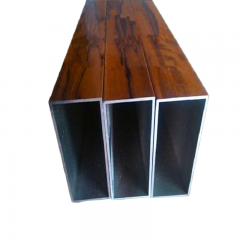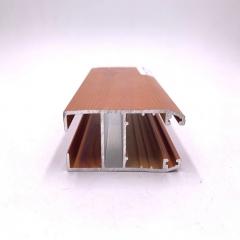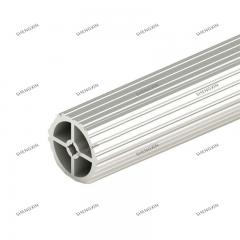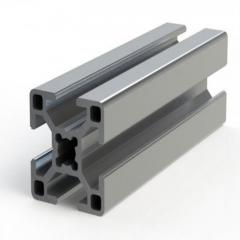
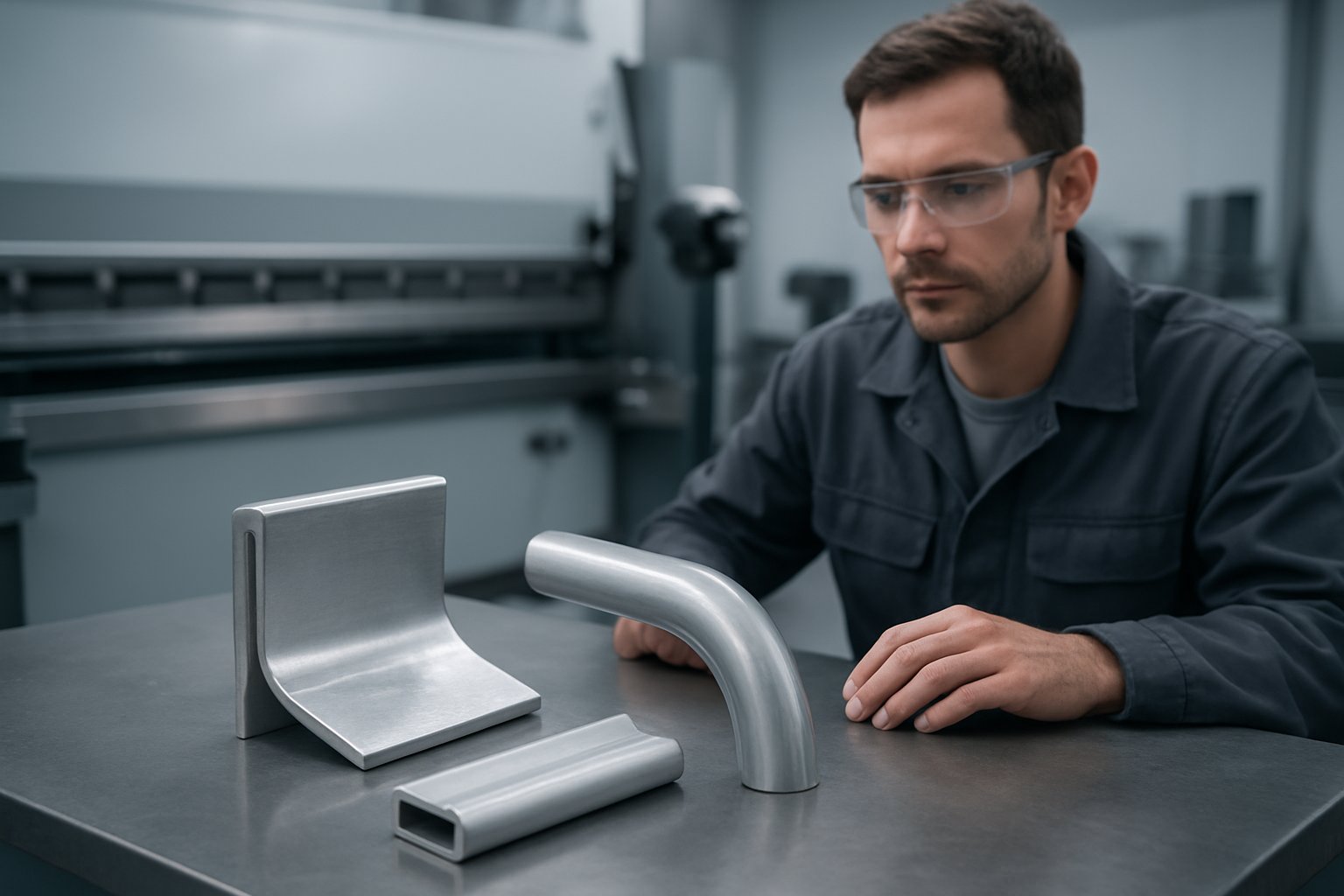
Clean bends in aluminum rarely come from force alone. They come from matching material, geometry, and method before the part reaches the machine. For engineers, buyers, and fabricators, this guide is meant as a decision-support resource: not a basic overview, but a practical way to judge bend risk before time and material are lost.
Aluminium bending is the controlled forming of aluminum sheet, plate, tube, pipe, or extruded profiles into an angle or radius by mechanical force, sometimes with heat assistance.
If you have ever asked can you bend aluminum or can you bend aluminium, the short answer is yes. Still, aluminum bending does not behave like a routine steel job. The result changes with alloy, temper, thickness, grain direction, bend radius, and finish requirements. That is why two parts with the same drawing can bend very differently in production.
Guidance from TOPS and The Fabricator points to the same pattern: formability is shaped by both the metal condition and the part design, while coatings and symmetry can decide whether a bend stays clean or turns into cracks, twist, or surface damage.
If the question is aluminum bendable, the better question is which grade, which temper, and how much deformation the design is asking it to absorb.
This process covers far more than flat blanks. Shops may be bending aluminum sheet on a press brake, rolling large-radius plate, forming tube and pipe, or curving extrusions whose corner shape and symmetry affect distortion. Finish matters too. Tight bends can craze anodized coatings, while painted or powder-coated parts may form cleanly when the radius is not near the part limit. In practice, bending aluminum starts with the material callout, and alloy plus temper usually define what is realistic.
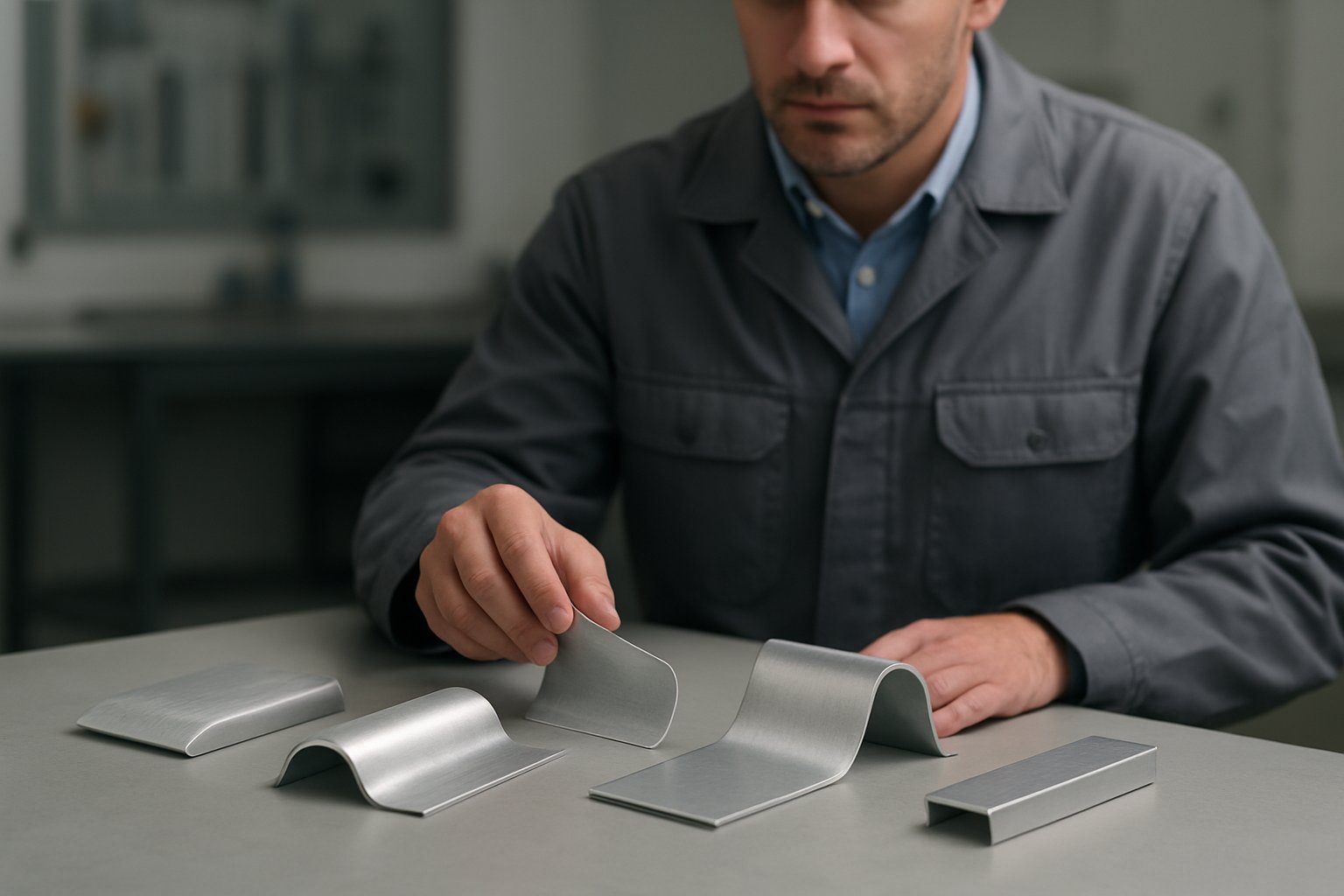
That material line on the print does more than name the metal. It quietly sets the bend window. Data from Rapidaccu, shop guidance from The Fabricator, and process notes from ALEKVS all point the same way: softer tempers and more ductile alloy families form more easily, while higher-strength heat-treated grades demand larger radii and tighter process control. For many sheet jobs, 3003 and 5052 are the best aluminum for bending, while 2024 and 7075 are usually chosen for strength-driven work, not easy forming.
In practical terms, bendability drops as the alloy gets stronger and the temper gets harder. The Fabricator sums it up bluntly for press brake work: 3003 and 5052 bend well, while 6061 is much less forgiving in harder tempers. ALEKVS also places 3003 and 5052 among the best forming choices, and Rapidaccu ranks 5052-H32 as superior in formability, 2024-T3 as fair, and 7075-T6 or T7351 as poor. So if someone asks, is 5052 aluminum bendable, the answer is yes. It is one of the safest picks for folded sheet parts where cracking is a real concern.
| Alloy | Common tempers | Relative formability | Cracking risk in tight bends | Typical springback | Strength tradeoff and common fit |
|---|---|---|---|---|---|
| 3003 | O, H14 | Excellent | Low | Lower | Lower-strength, very bend-friendly sheet for general formed parts |
| 5052 | O, H32 | Excellent to superior | Low | Moderate | Stronger than 3003 with very good corrosion resistance; common for brackets, housings, and fuel tanks |
| 6061 | O, T4, T6, T651 | Good in O, workable in T4, limited in T6 and T651 | Moderate to high | Moderate to high | Strong all-rounder for structural parts and brackets, but not ideal for aggressive bends in hard tempers |
| 6063 | T6 | Excellent relative to other heat-treated grades | Lower than 6061 in comparable use | Moderate | Lower strength, easier forming; useful where shape and finish matter more than peak load |
| 2024 | T3 | Fair | High | Higher | High strength and fatigue performance, but poor corrosion resistance; used for aircraft skin and tension members |
| 7075 | T6, T7351 | Poor | Very high | Higher | Maximum strength for aerospace and high-load parts, but poor choice for tight bending |
If the question is is 6061 aluminum bendable, the honest answer is yes, but condition matters. The Fabricator explains that 6061-T6 is precipitation hardened, which strengthens the metal by limiting grain movement during forming. That extra strength is exactly why tight bends crack more easily. Their recommendation is straightforward: bend 6061 in an annealed state when possible, then temper it afterward. ALEKVS echoes that logic by noting that 6061 can be formed more successfully in T4 and later aged to T6.
That also helps frame the common 6061 t651 vs t6 question. From a bending standpoint, neither should be treated like a free-bending sheet alloy. Both sit on the stronger, less forgiving side compared with O temper. For 6061 vs 6063 aluminum strength, Rapidaccu lists 6061-T6 at 310 MPa tensile and 275 MPa yield, while 6063-T6 is 185 MPa tensile and 145 MPa yield. That gap helps explain why 6063 is easier to form, but 6061 carries more load.
Material swaps often solve problems faster than tooling tweaks. In 2024 aluminum vs 6061, 2024-T3 brings higher strength and stronger fatigue performance, but 6061 remains the better all-round fabrication choice. In 6061 vs 7075, Rapidaccu shows 7075-T6 or T7351 far ahead in strength, yet its formability is poorer and its cracking risk is higher. For bend-heavy parts, that trade is often not worth it.
The alloy decision narrows the risk, but it does not remove it. A bend that looks safe on paper can still fail when radius, thickness, grain direction, or edge quality push the material past its limit.
Alloy tells you how forgiving the metal might be. Radius tells you whether that promise survives the first bend. If you are comparing an aluminum bend radius chart or searching how to bend aluminum without a break, start with the inside radius as a multiple of material thickness, not with tonnage alone. Published 90-degree cold-forming values from Aluminum Association data make the pattern clear: softer, more ductile grades tolerate tighter bends, while harder tempers need more room.
The outer face of a bend stretches. The tighter the inside radius, the more that outer surface must elongate, and the more likely it is to crack. Guidance from The Fabricator notes that making the inside radius close to a 1-to-1 relationship with thickness helps reduce cracking, while larger radii are safer still. That is why a truly bendable aluminum sheet in 3003 or 5052 can handle tighter geometry than 6061-T6 under the same basic conditions.
| Alloy and temper | Thickness context | Published minimum inside radius | Planning read |
|---|---|---|---|
| 3003-H14 | 1/16 in. sheet | 0t | Very ductile for tight bends |
| 3003-H14 | 1/8 in. sheet | 1t | Still forgiving as thickness rises |
| 5052-H32 | 1/16 in. sheet | 1t | Good balance of strength and formability |
| 5052-H32 | 1/8 in. sheet | 1.5t | Common choice for formed parts |
| 5454-O | 1/8 in. sheet | 1t | Soft temper supports smaller radii |
| 6061-T6 | 1/16 in. sheet | 1.5t | Less forgiving, crack risk rises faster |
| 6061-T6 | 1/8 in. sheet | 2.5t | Larger radius usually worth planning in |
Radius numbers never work alone. The Fabricator explains that bending with the grain means the bend line runs parallel to the grain direction, which increases crack risk on the outside radius. Bending across the grain generally needs more force, but it can support a smaller inside radius. Thickness changes the strain level too, so aluminum flexibility in thin sheet should not be assumed in thicker plate. Edge quality matters just as much. A rough, burred, or nicked edge can become the place where a crack starts, which is also a common problem in bending aluminum flat bar.
Sometimes the cleanest fix is not a new setup but a different geometry. If the bend runs with the grain, the temper is hard, or the edge is rough, a larger inside radius often solves more than extra force or repeated trial bends. That is the practical answer to many how to curve aluminum questions: reduce strain before you chase tooling tricks. Once the geometry is realistic, the conversation shifts from material limits to process choice, because the same radius can behave very differently on a press brake, a roll, or a draw-bending setup.
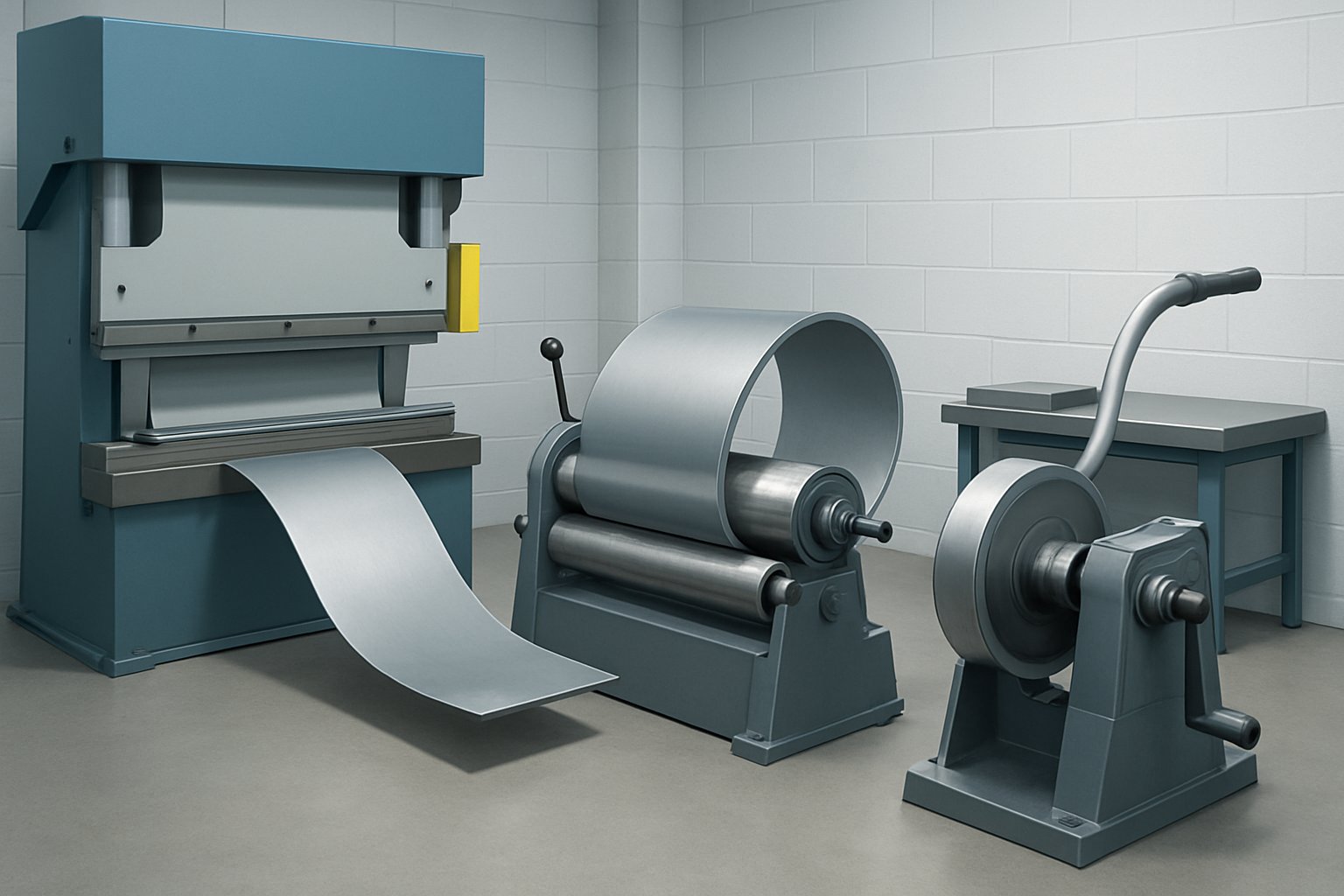
A workable radius still leaves one big decision: which process will actually make the part cleanly. When people ask how do i bend aluminum, the useful answer is not simply to pick an aluminium bending tool and apply more force. Guidance from Clickmetal, ALEKVS, and ADH shows that method choice depends on part form, target radius, angle accuracy, and surface condition.
Part geometry comes first. A flat bracket, a rolled panel, and a curved tube may all be aluminum, but they do not want the same process. Press brakes are the most common and versatile option for sheet metal, especially when you need accurate, repeatable angles. Roll and three-roll bending suit long, sweeping curves. Rotary draw bending is better for tighter, more controlled tube and pipe bends. Stretch forming is used when smooth visual curves matter. A diy aluminum brake can help with thin prototype sheet, but it does not replace production-grade accuracy. The same goes for a generic aluminum bender tool: useful in the right lane, limiting outside it.
| Method | Best part forms | Radius capability | Springback control | Surface protection | Tooling complexity | Best fit |
|---|---|---|---|---|---|---|
| Press brake bending | Sheet, plate, simple open profiles | Tight to medium discrete bends | Good, especially for angle work | Good if film or non-marring contact is used | Moderate | Prototypes and repeat production |
| Hand folding | Thin sheet | Simple bends only | Limited | Moderate, depends on clamping faces | Low | Small jobs, field work, quick prototypes |
| Roll or three-roll bending | Sheet, plate, tube, pipe, some profiles | Large continuous radii | Moderate to limited | Generally good, but roller marks must be watched | Moderate to high | Long curved parts and repeat arcs |
| Rotary draw bending | Tube, pipe, profiles | Tighter, precise radii | Good | Good with matched dies and support | High | Precision parts and repeat production |
| Compression or hydraulic bending | Tube, pipe, some sharp bends | Small radius or thicker sections | Moderate | Lower, surface damage risk rises with pressure | Moderate | Utility parts more than cosmetic parts |
| Stretch forming | Sheet and profiles | Large smooth curves | Good for consistency | Very good for visual quality | High | Repeat production of appearance-critical parts |
Angle-sensitive work pushes this decision harder. ADH notes that aluminum has an elastic modulus of about 70 GPa and can spring back roughly three times as much as steel, so restrained methods usually hold angles better than freer rolling methods. If the shop-floor question is how do you bend aluminum without chasing the angle after every hit, that is the reason process control matters.
Finish can outweigh convenience. Clickmetal notes that compression bending must be handled carefully because excess pressure can damage the surface, while ADH recommends physical isolation for press brake work when finish matters. That makes press brakes strong for precise bends, stretch forming attractive for smooth visual curves, and rotary draw a safer choice for repeat tube geometry than improvised setups. In other words, how to bend aluminium depends as much on appearance and volume as on shape.
That choice becomes most visible on flat stock. Sheet and plate bends may look simple on the print, yet grain direction, die contact, test bends, and handling decide whether the selected process stays clean in production.
On flat parts, execution decides whether a smart material choice stays smart. In bending aluminum sheet, trouble often starts before the ram moves: wrong grain direction, a laser-hardened edge, or tooling that is too sharp for the temper. If you are working out how to bend aluminum sheet or how to bend aluminum sheet metal for production parts, start with the blank, not the brake.
Check alloy, temper, thickness, and cut quality as one package. The Fabricator shows that laser or plasma cutting can create a heat-affected zone that hardens the edge and increases cracking risk during forming. Grain direction matters too. In its 6061 guidance, The Fabricator recommends running the bend line across or diagonal to the grain when possible, especially for tighter bends. Softer alloys such as 3003 and 5052 are more forgiving. By contrast, 6061 sheet or plate, especially T6, usually needs a larger inside radius, better edge quality, and sometimes a temper change before forming.
Aluminum springs back more than steel. The ADH guide places its elastic modulus at about 70 GPa and notes that springback can be roughly three times greater than steel, so angle correction should be planned from the first test hit. In day-to-day bending aluminium sheet, slower and more controlled forming usually protects both angle accuracy and finish better than impact-style bending. For repeat jobs bending aluminum sheets, keep the approved sample at the machine and compare later parts for angle drift, scuffing, and small edge cracks.
Flat stock makes strain, radius, and springback easy to see. Hollow sections hide the same forces inside the wall, where flattening and profile distortion can grow long before the bend looks wrong from the outside.
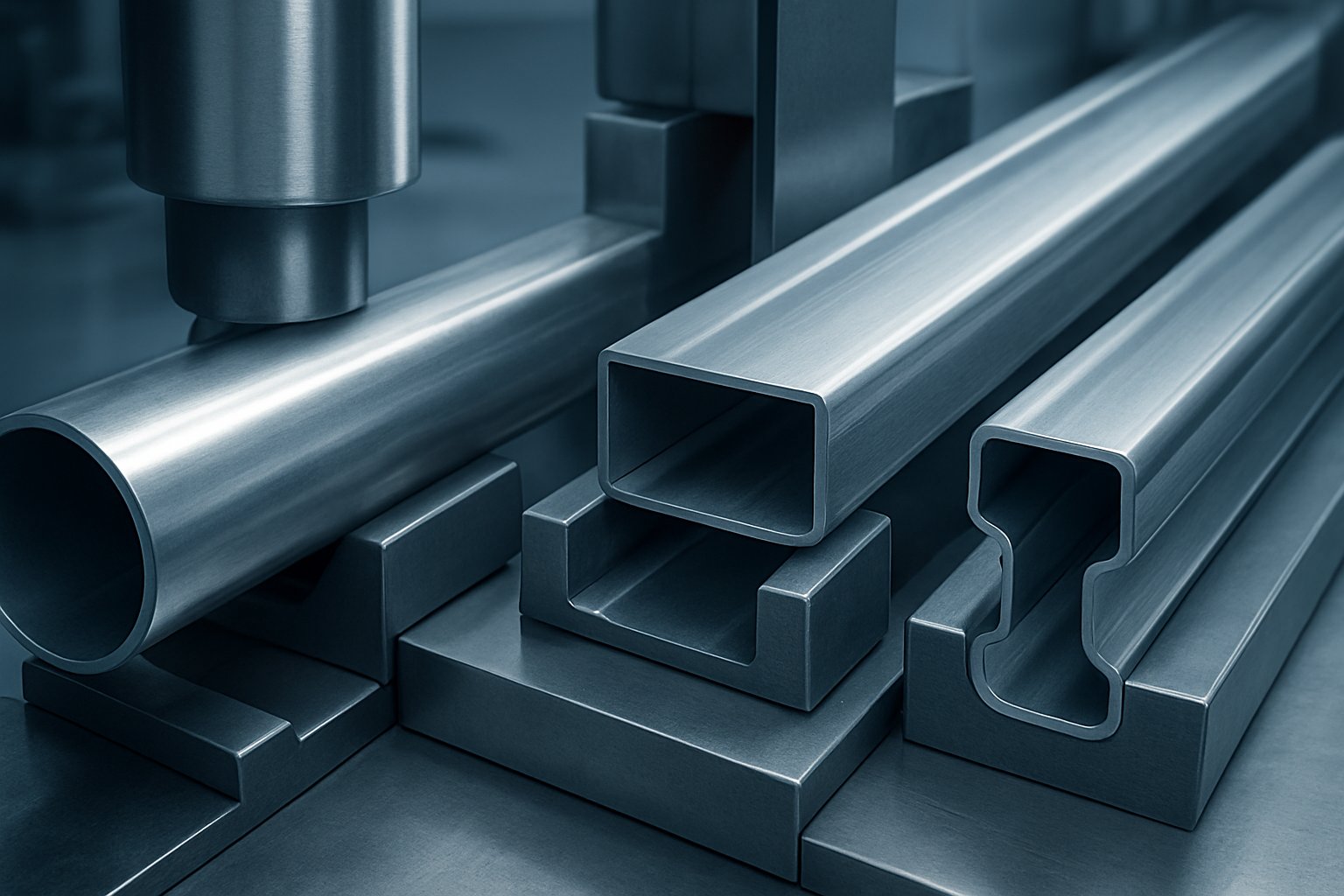
Hollow sections hide trouble inside the wall. A flat blank usually shows risk at the edge, but bending aluminum tubing can fail through flattening, wrinkling, or collapse before the part looks obviously wrong from a distance. That makes tube, pipe, and extrusion work less about brute force and more about support, pressure control, and profile design.
If the shop-floor question is how to bend aluminum tube or how to bend aluminum tubing cleanly, start with internal support. In low-pressure tube bending, the mandrel supports the inside wall to help prevent kinking, wrinkles, and wall collapse, while the pressure die keeps the tube against the bend die. That same guidance notes that round tubes generally need less pressure than square or rectangular sections, and tighter radii demand more control because the outside wall stretches while the inside compresses. The practical lesson is simple: use only the pressure required. Too much can squeeze the tube, mark the outside, or worsen flattening. The same logic applies when the job is how to bend aluminum pipe or bend aluminum tubing without distortion.
| Part type | Typical failure modes | Support needs | Process considerations |
|---|---|---|---|
| Round tube | Flattening, inner wrinkles, wall collapse | Mandrel, pressure die, matched bend die | Usually needs less pressure than non-round sections; tighter radii need closer tuning |
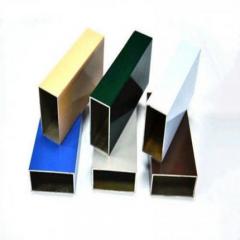
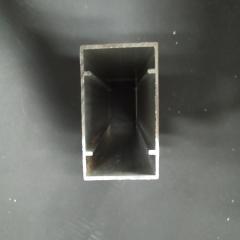
| Square or rectangular tube | Corner distortion, wrinkling, push-away, flattening | Stronger external control and careful die support | More pressure is often needed than for round tube, but excess force can deform the shape |
| Round pipe or heavy-wall tube | Wall collapse, wrinkling on tight bends | Controlled die pressure, internal support where required | Heavier walls can tolerate more load, but they still benefit from gradual pressure adjustment |
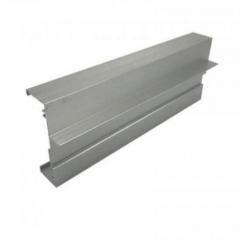
| Extruded profiles | Thinning, swelling, buckling, cracking, profile distortion | Profile-specific tooling, internal supports, sometimes tension-based forming | Method choice matters more because tension, compression, and torsion can act at once |
Gabrian points out that extrusions can see tension, compression, and torsion at the same time during bending. That is why a profile may thin in one area, swell in another, and still crack or buckle if the section is poorly suited to the bend. Roller bending is widely used for long curves and prototypes. Rotary draw bending offers precise local bends and can use an internal mandrel on round tubing. Stretch bending is more specialized, but it can reduce distortion and surface damage on larger-radius parts. For finish-sensitive work, bending first and applying anodizing or powder coating later is often safer than trying to form a fully finished profile.
Sometimes the real fix is not a different machine setup. It is a better extrusion. Gabrian highlights several features that improve bendability before the first trial run:
That matters when teams are dealing with flattening 6061 aluminum tube or a profile that keeps twisting in the same spot. In those cases, a bend-ready custom section can be more effective than forcing an off-the-shelf shape. One practical option is Shengxin Aluminium, where extrusion, CNC machining, and final finishing can be coordinated in one workflow for bend-sensitive parts. Once those variables are under control, the remaining clues show up on the part itself, and each defect tells a different story.
Every bent aluminum part leaves clues. A split edge, a soft wrinkle, or an angle that opens after release usually points to a small group of causes, not a mystery. That is especially true in bending 6061 aluminum, where a setup that works on a softer alloy can fail fast once the temper gets harder. In a defect guide from Inductaflex, the repeat offenders are tight bend radius, unsuitable alloy choice, tool misalignment, and excessive pressure. In cold bending aluminum, those mistakes tend to show up immediately on the part.
Cracking and tearing come from too much stretch on the outside of the bend. Wrinkling comes from too much compression on the inside. Flattening and twist usually mean the section was not supported or loaded evenly. Hard tempers raise the stakes. The Fabricator notes that when air bending 6061-T6, a narrow die can force a smaller inside radius and increase cracking risk. That is why bending 6061 t6 aluminum often fails at the geometry and tooling stage before force becomes the real issue.
| Visible symptom | Likely causes | What to inspect first | Common remedies |
|---|---|---|---|
| Cracking at outer radius | Inside radius too small, hard temper, bend line with grain, burred or heat-affected edge, acute angle | Actual inside radius, die width, grain direction, edge quality, material temper | Use a larger radius or wider die, improve edge condition, rotate across grain, reduce bend severity, use a softer temper or redesign |
| Wrinkling at inner radius | Too much compression, poor support, excessive pressure, thin wall for the target radius | Support method, pressure setting, die fit, wall thickness | Reduce pressure, improve support, use a different bend method, increase radius |
| Tearing or thinning | Overstretching, repeated aggressive hits, small radius, unsuitable alloy for the geometry | Thickness loss near bend, bend sequence, radius-to-thickness relationship | Increase radius, reduce strain per hit, choose a more formable temper or alloy |
| Flattening in tube or profile | Insufficient internal support, too much clamp or pressure, bend too tight | Mandrel or internal support, wall shape after bending, die contact | Add support, lower pressure, enlarge centerline radius, change method |
| Excessive springback | Hard temper, large die opening, underbending, normal aluminum elasticity | Angle after release, material cert, die opening, setup repeatability | Apply controlled overbend, tighten process control, run test bends, consider softer temper |
| Angle inconsistency | Tool misalignment, mixed material condition, uneven force, variable heating | Ram and die alignment, lot consistency, first-piece variation | Realign tooling, separate lots, standardize setup, avoid uncontrolled heating |
| Twist or profile distortion | Asymmetrical section, uneven loading, poor support points, torsion during bending | Profile symmetry, support locations, roller or die alignment | Rebalance supports, correct alignment, change method, modify profile geometry |
| Finish damage or marking | Dirty tooling, high contact pressure, dragging parts, bending after finishing | Tool faces, protective film, contact points, part handling | Clean tooling, use non-marring protection, isolate parts, bend before final finish when possible |
When shops discuss annealing 6061 or more specifically annealing 6061 t6 aluminum, they are usually trying to gain ductility at the bend line after repeated cracking. The same 6061-T6 guidance describes torch annealing as a practical low-volume tactic, but also warns that aluminum does not visibly change color when heated and can distort or lose properties if overheated.
Springback is not a defect by itself. It becomes a defect when the process does not account for it. Harder tempers spring back more, so angle drift often signals underbend, too large a die opening, or lot-to-lot variation. Distortion adds another layer. A twist in a profile or a drifting angle on a bracket can come from simple misalignment long before you need new tooling. For stubborn cases in bending 6061, inspect alignment and edge condition first. If the part still cracks before reaching angle, the geometry may be too aggressive for the temper.
Cosmetic failures are easy to underestimate. A bent aluminum cover or trim part can hit the target angle and still be rejected for scratches, galling, or pressure marks. Excessive force, dirty dies, and rough handling are common causes. Surface-sensitive work needs clean contact faces, protective films or inserts, and a workflow that prevents formed parts from rubbing each other after the bend.
Some defects are process errors. Others are design warnings in disguise. When cleaner edges and better tooling still do not solve the problem, the real choice shifts from troubleshooting to deciding what needs to change: the material, the setup, or the part itself.
Some bend problems belong to the setup. Others are telling you the part definition is too aggressive. Calling a geometry aluminum bendable because one sample formed once is risky if production still depends on perfect grain direction, polished edges, and unusually gentle handling. Good engineering separates a process problem from a material or design limit before more scrap shows up.
Change the material when the bend only works under exceptional conditions. Guidance from ALEKVS identifies 3XXX, 5XXX, and 6XXX series alloys as the more suitable families for bending, while harder choices are less forgiving. For extrusions, Gabrian notes that bending before full temper treatment can reduce difficulty and cost. That makes a practical rule: when selecting aluminum for bending, strength helps only if the part can be made repeatedly. If you need more bendable aluminum behavior, a softer temper, forming before final aging, or a more formable alloy is usually smarter than repeated rework.
Keep the material when the geometry is reasonable and the defects point to control issues. Springback, light surface marks, small flattening, or angle drift often respond to better tooling, more support, or a different method. Gabrian's guidance on bending aluminum extrusions is useful here: roller bending suits long curves and prototypes, rotary draw gives more precise local bends with better support, and stretch bending can reduce distortion on larger-radius parts. The same source recommends finishing after bending when appearance matters. So when teams ask how to bend aluminium profile sections cleanly, the answer is often a new die, a mandrel, a better support strategy, or a later finishing step, not a new alloy.
Supplier choice matters most when extrusion geometry, machining, and finishing all affect bend success. Gabrian highlights uniform wall thickness, rounded corners, symmetry, and internal supports as features that improve bendability. That is especially relevant for a custom 6061 aluminum extrusion or any part where bending aluminum extrusions must happen without twist or cosmetic loss. In those cases, look for a partner that can review profile design, temper route, machining features, and finishing sequence together. One practical option is Shengxin Aluminium, which offers in-house extrusion processing, CNC machining, anodizing, and powder coating for projects that need a coordinated workflow rather than an off-the-shelf shape forced into a bend later.
If a part still needs extreme force, ultra-tight radii, or special-case handling after sensible process changes, redesign is usually the right answer.
That is where sound aluminium bending decisions end up: not forcing every shape to form, but knowing when to improve the process and when to change the part.
For many sheet metal jobs, 3003 and 5052 are usually the safest starting points because they combine good ductility with lower cracking risk. For extrusions, 6063 often forms more easily than 6061. If strength is more important than easy forming, 6061 can still work, but it is usually smarter to bend it in a softer condition such as O or T4 and then age it later if the part requirements allow.
Yes, but the temper changes the answer in practice. 6061 in O or T4 is much more manageable than 6061-T6 or T651, which tend to spring back more and crack sooner on tight radii. When shops struggle with 6061, the usual fixes are a larger inside radius, better edge quality, grain-aware part orientation, or changing the temper before the bend.
Start by checking the material condition before the setup starts. A realistic bend radius, clean cut edge, and bend line placed across the grain will usually do more than simply adding force. Test bends also matter, especially on harder alloys, because they show whether the radius, die choice, and surface protection are correct before full production begins.
Tube bending usually succeeds when the section is supported correctly rather than squeezed harder. Internal support, matched dies, and controlled outside pressure help the wall keep its shape while the bend forms. Round tube is often easier than square or rectangular sections, which are more likely to wrinkle at the inside or distort at the corners if the tooling and support are not matched to the profile.
Look for a supplier that can evaluate extrusion geometry, temper choice, machining, and finishing as one workflow. That matters because a profile that bends well on paper can still fail after poorly planned machining features or a finish applied too early. A practical example is Shengxin Aluminium, which offers in-house extrusion processing, CNC machining, anodizing, and powder coating, giving buyers a more coordinated route for custom profiles that must bend cleanly.



 Интернет Сервис
 0086 136 3563 2360
 sales@sxalu.com
 +86 136 3563 2360
 русский
 English
 français
 Deutsch
 español
 português
 العربية
 ไทย
ไทย Việt
Việt Українська