Ever browsed aluminum extrusion catalogs and wondered what those four-digit codes actually mean? You're not alone. Whether you're building a CNC router frame, designing an industrial workstation, or tackling a DIY 3D printer enclosure, understanding these numbers is your first step toward making the right purchase decision.
The term "4040" isn't a random product number or manufacturer code. It's actually a straightforward dimensional descriptor that tells you exactly what you're getting. In the world of aluminum extrusions, this naming convention follows the metric T-slot standard, where the digits represent the profile's cross-sectional measurements in millimeters.
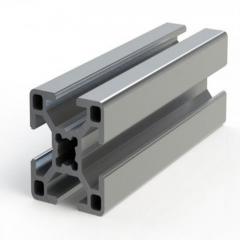
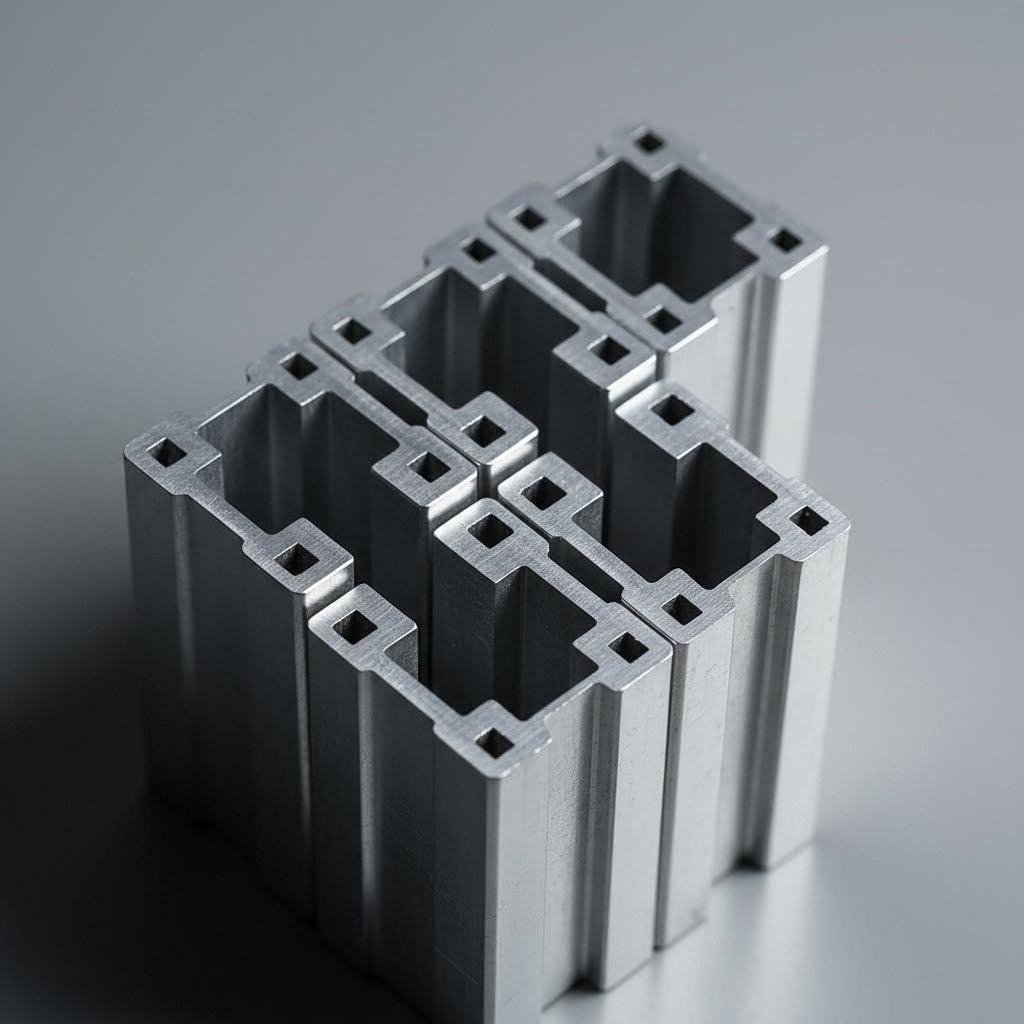
4040 aluminum extrusion refers to a T-slot profile with cross-sectional dimensions of 40mm x 40mm, featuring slots on each face for modular mounting and assembly.
This square profile sits in the sweet spot of the aluminum extrusion family. It's robust enough for serious industrial applications yet manageable for hobbyist projects. The 40x40 aluminum extrusion delivers a balanced combination of strength, weight, and cost that larger profiles like 8080 or smaller options like 2020 simply can't match for mid-range applications.
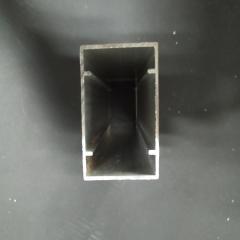
When you look at a 4040 extrusion cross-section, you'll notice several defining characteristics. The outer dimensions measure precisely 40 millimeters on each side, creating a perfectly square footprint. This standardization means components from different manufacturers can typically work together, though slight variations in tolerances do exist.
What makes the 4040 aluminium extrusion particularly versatile is its T-slot design. These channels run along all four sides of the profile, allowing you to attach brackets, panels, and accessories at virtually any point along the length. The slots typically measure 8mm wide, which is the standard for 40-series profiles and determines which fasteners and T-nuts you'll need for your assembly.
Most 4040 profiles are manufactured from 6063 aluminum alloy, known for its excellent extrudability and corrosion resistance. This material choice ensures the profiles maintain consistent dimensions throughout the extrusion process while offering the durability needed for structural applications.
Think of the 4040 extrusion as the "medium" option in a sizing lineup. It bridges the gap between lightweight 2020 profiles favored for small DIY projects and heavy-duty 8080 profiles used in large industrial machinery. This positioning makes it the go-to choice when you need meaningful structural strength without the weight penalty or cost of oversized alternatives.
Ready to dive into the numbers that actually matter? Most supplier catalogs give you the basics and leave you guessing about the rest. Here's where we break down every critical measurement you need to know before ordering your 4040 extruded aluminum profiles.
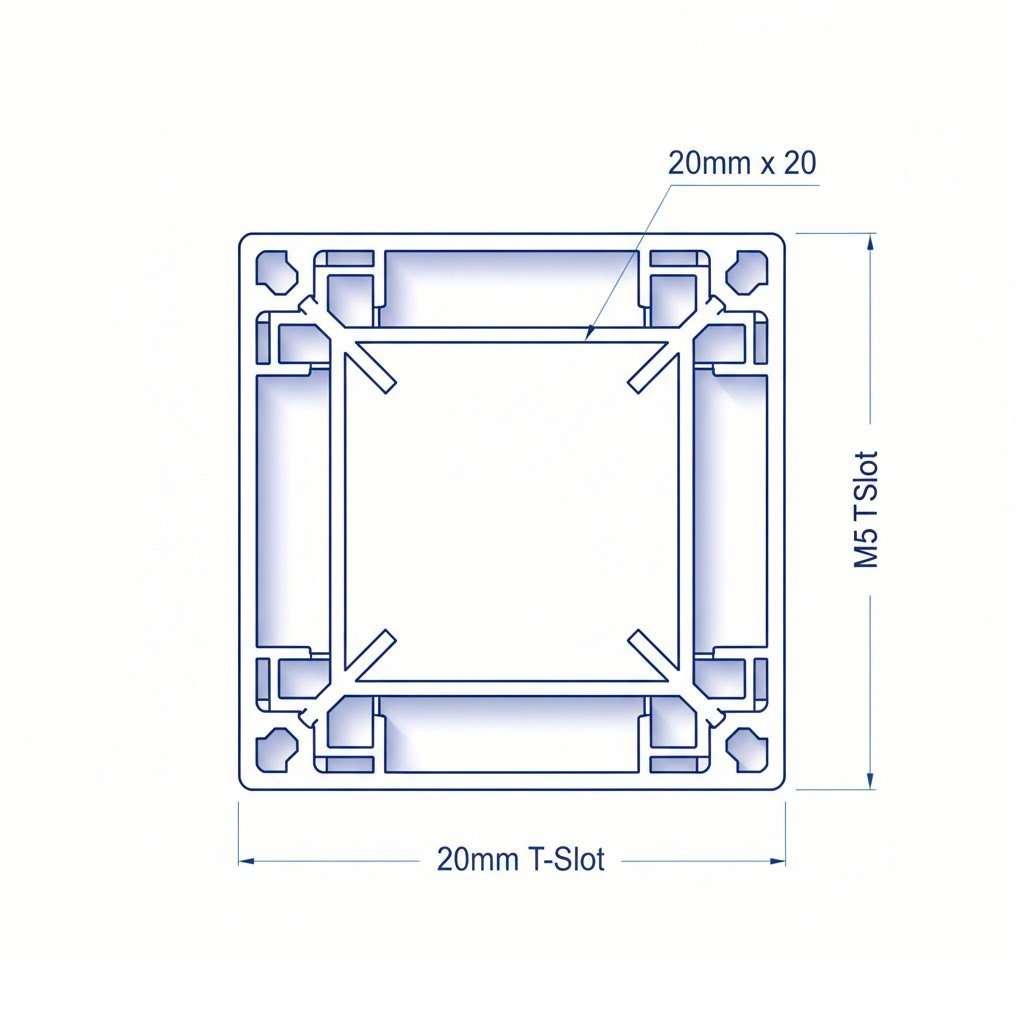
The 4040 extrusion dimensions encompass far more than just the outer 40mm x 40mm measurement. When you're designing assemblies or calculating hardware compatibility, you need the complete picture. Let's walk through each specification that defines a standard 4040 profile.
The outer dimensions remain constant at 40mm x 40mm, but the internal geometry varies slightly between manufacturers. Wall thickness typically ranges from 2.0mm to 2.5mm for standard profiles, directly affecting both weight and load capacity. Lighter variants may feature thinner walls around 1.5mm, while heavy-duty versions can reach 3.0mm or more.
Corner radii on most aluminum extrusion dimensions measure approximately 1.0mm to 1.5mm. These rounded corners aren't just aesthetic—they reduce stress concentrations and make handling safer during assembly. The center bore diameter, when present, typically measures between 6.8mm and 8.0mm, designed to accommodate M8 bolts for end-to-end connections.
| Specification | Metric Value | Imperial Value | Tolerance |
|---|---|---|---|
| Outer Width | 40mm | 1.575" | ±0.20mm |
| Outer Height | 40mm | 1.575" | ±0.20mm |
| Slot Width | 8mm | 0.315" | ±0.10mm |
| Slot Depth | 10-12mm | 0.394-0.472" | ±0.15mm |
| Wall Thickness (Standard) | 2.0-2.5mm | 0.079-0.098" | ±0.10mm |
| Corner Radius | 1.0-1.5mm | 0.039-0.059" | ±0.05mm |
| Center Bore Diameter | 6.8-8.0mm | 0.268-0.315" | ±0.15mm |
The aluminum slot 4040 follows the 8mm slot standard common across 40-series profiles. This 8mm slot width is critical because it determines which T-nuts, bolts, and accessories will fit your assembly. Using hardware designed for 6mm or 10mm slots simply won't work—they'll either rattle loose or won't insert at all.
Slot depth typically measures between 10mm and 12mm, providing adequate thread engagement for standard T-slot fasteners. This depth allows M5 and M6 bolts to secure firmly without bottoming out, while still leaving enough material for structural integrity. The slot opening, measured at the profile surface, usually runs slightly narrower than the internal channel width to create that characteristic T-shape that captures sliding nuts.
Here's something many suppliers won't mention: the slot profile geometry can vary. Some manufacturers use a more aggressive undercut for stronger nut retention, while others prioritize easier hardware insertion. When mixing components from different sources, you might notice slight fit differences—not enough to prevent assembly, but enough to affect the smoothness of adjustments.
Weight per meter is a specification that directly impacts shipping costs, structural calculations, and handling considerations. For standard 4040 extruded aluminum profiles, expect weights ranging from approximately 1.2 kg/m to 1.8 kg/m depending on the variant and internal structure.
The density of 6063 aluminum sits at approximately 2.7 g/cm³ (0.0977 lb/in³), which serves as the baseline for all weight calculations. However, the actual profile weight depends heavily on the cross-sectional area of solid material versus internal voids.
| Profile Variant | Weight (kg/m) | Weight (lb/ft) | Relative Strength |
|---|---|---|---|
| Light-Duty 4040 | ~1.2 kg/m | ~0.81 lb/ft | Lower |
| Standard 4040 | ~1.45 kg/m | ~0.97 lb/ft | Medium |
| Heavy-Duty 4040 | ~1.8 kg/m | ~1.21 lb/ft | Higher |
Why does this matter for your project? Imagine you're building a 2-meter tall machine frame requiring 20 meters of extrusion. The difference between light-duty and heavy-duty profiles translates to roughly 12 kg of additional weight. That's significant when calculating shipping costs, foundation requirements, or whether your assembly can be moved by one person or needs a team.
Manufacturing tolerances on weight typically run ±5% due to variations in wall thickness and alloy density. When precision matters for your calculations, request certified weight specifications from your supplier rather than relying on catalog estimates. Understanding these variants and how they differ in construction is essential for selecting the right profile for your specific application.
Here's something most catalogs won't tell you: not all 4040 profiles are created equal. While they share identical 40mm x 40mm outer dimensions, the internal architecture varies dramatically between variants. Choosing the wrong type for your application could mean either wasted money on overbuilt profiles or, worse, structural failure when loads exceed capacity.
Picture three 4040 aluminum profiles sitting side by side. From the outside, they look identical. Cut them in half, and you'll immediately see the differences. The internal webbing, wall thickness, and material distribution tell completely different structural stories.
Light-Duty 4040 Profiles prioritize weight savings and cost efficiency. You'll typically find these in applications where the extrusion serves more as a framework for mounting panels or lightweight accessories rather than bearing significant loads.
Standard 4040 Profiles represent the workhorse of the t4040 family. These offer balanced performance for the majority of applications, from workbenches to 3D printer frames to moderate industrial equipment.
Heavy-Duty 4040 Profiles pack maximum material into that same 40x40 footprint. When your project demands serious structural performance without stepping up to a larger profile size, these variants deliver.
Why does a fraction of a millimeter in wall thickness matter so much? It comes down to two engineering concepts: cross-sectional area and moment of inertia. Both directly influence how your 4040 aluminum profile performs under stress.
Cross-sectional area determines tensile and compressive strength—how much direct pulling or pushing force the profile can handle. More material means higher capacity. A heavy-duty profile with 3.0mm walls might offer 30% to 40% more cross-sectional area than a light-duty version with 1.5mm walls, translating to proportionally higher load ratings for axial forces.
Moment of inertia, often represented as "I" in engineering calculations, governs bending resistance. This is where internal structure becomes critical. A profile with strategic internal webbing positioned away from the neutral axis will outperform a hollow profile with the same wall thickness. Think of it like this: material placed at the edges of the cross-section contributes more to bending resistance than material near the center.
The moment of inertia for 4040 profiles typically ranges from approximately 8 cm⁴ for light-duty variants to over 12 cm⁴ for heavy-duty versions—always verify exact values with manufacturer datasheets for your specific profile.
What does this mean for your project? Imagine you're spanning a 1-meter gap with a single unsupported 4040 extrusion. Under the same load, a light-duty profile might deflect 2mm while a heavy-duty variant deflects less than 1mm. For precision applications like CNC machine frames, that difference matters enormously.
Here's a practical decision framework:
One final consideration: mixing variants within a single project is perfectly acceptable. Use heavy-duty profiles for primary load-bearing members and switch to standard or light-duty for secondary supports and cross-bracing. This approach optimizes both performance and budget. Understanding how 4040 stacks up against other extrusion sizes will help you confirm whether this profile family is the right choice for your specific project requirements.
So you've decided aluminum extrusion is right for your project—but is 4040 actually the best size? Maybe you're wondering if a smaller 2020 would save money, or whether jumping up to 8020 extrusion dimensions would future-proof your design. Let's put these profiles side by side and settle the comparison once and for all.
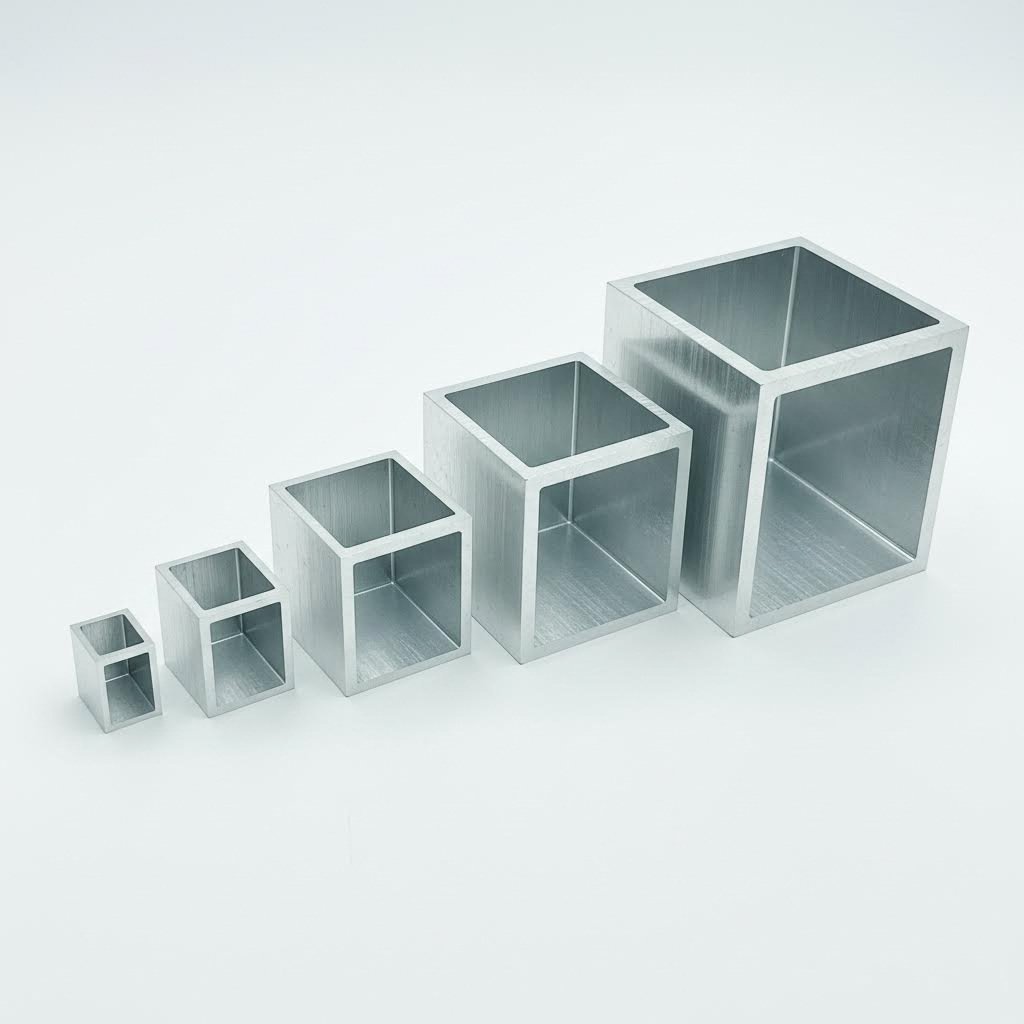
The aluminum extrusion market offers a range of standardized sizes, each designed for specific load requirements and applications. Understanding where 4040 fits in this lineup helps you avoid both over-engineering (wasting money) and under-engineering (risking failure). Here's the comprehensive comparison table that brings all the critical specifications together:
| Profile Size | Outer Dimensions | Weight (kg/m) | Relative Load Capacity | Typical Applications |
|---|---|---|---|---|
| 2020 | 20mm x 20mm (0.79" x 0.79") | ~0.5 kg/m | Low | 3D printers, small enclosures, DIY projects |
| 2040 | 20mm x 40mm (0.79" x 1.57") | ~0.8 kg/m | Low-Medium (directional) | Camera sliders, linear motion systems, light frames |
| 3030 | 30mm x 30mm (1.18" x 1.18") | ~0.9 kg/m | Medium-Low | Workbenches, medium enclosures, display structures |
| 4040 | 40mm x 40mm (1.57" x 1.57") | ~1.45 kg/m | Medium | CNC frames, industrial workstations, automation |
| 4080 | 40mm x 80mm (1.57" x 3.15") | ~2.4 kg/m | Medium-High (directional) | Machine bases, heavy linear systems, structural beams |
| 8020 | 80mm x 80mm (3.15" x 3.15") | ~4.5 kg/m | High | Heavy machinery, large automation, industrial frames |
When you're eyeing the smaller profiles, the temptation to save on material costs is real. A 2040 aluminum extrusion weighs roughly one-third of a 4040, and the price difference adds up quickly across a large project. But here's what those savings might cost you.
The 2020 profile's compact 20mm x 20mm cross-section excels in lightweight applications where rigidity requirements are modest. Think 3D printer frames, small robotics platforms, or protective enclosures that don't bear significant loads. According to industry comparisons, the 2020 profile serves as the foundational option that's popular among DIY enthusiasts and for rapid prototyping due to its economical cost and easy assembly.
However, the 2020's limitations become apparent when spans increase or loads grow. Its smaller moment of inertia means noticeably more deflection under identical loads compared to 4040. If you're building a workbench that needs to support heavy equipment, or a machine frame requiring precision, the 2020 simply can't deliver the rigidity you need.
The 3030 profile occupies an interesting middle ground. At 30mm x 30mm, it offers roughly 50% more cross-sectional area than 2020 while remaining lighter than 4040. This makes 3030 attractive for projects that outgrow 2020 but don't require the full capability of 4040. Medium-sized enclosures, display structures, and moderate workbenches often find their sweet spot here.
So when should you choose 4040 over these smaller alternatives?
Consider this practical example: building a 4040 3 aluminum-based CNC router frame versus using 2020 profiles. The 4040 structure might cost 40% more in materials, but it could reduce tool chatter by half and improve cutting accuracy by an order of magnitude. For precision applications, the investment pays for itself.
Looking upward in the size chart, the 8020 extrusion represents a significant jump in capability—and cost. With outer dimensions of 80mm x 80mm, the 8020 profile delivers approximately four times the cross-sectional footprint of a 4040, translating to dramatically higher load capacity and rigidity.
The 8020 extrusion dimensions make it the go-to choice for heavy machinery bases, large-scale automation frameworks, and industrial applications where structural failure isn't an option. According to comparative analysis, the 8020 profile pushes the boundaries of what's possible with aluminum extrusion, enabling complex multi-layered frame structures that simply wouldn't be feasible with smaller profiles.
But here's the reality check: 8020 profiles weigh roughly three times as much as 4040 per meter length. They cost significantly more, require heavier-duty hardware, and demand more robust support structures. For many applications, this is overkill that drains your budget without delivering proportional benefits.
The 4040 vs 8020 decision often comes down to these factors:
Don't overlook the 80x40mm (4080) profile as a middle-ground option. This rectangular profile offers 8020-level rigidity in one direction while maintaining 4040 dimensions in the other. It's ideal for machine bases and linear motion systems where loads are primarily vertical. The 4040 3 aluminum configuration works exceptionally well when combined with 4080 profiles for hybrid frame designs that optimize strength where needed most.
The bottom line? Choose 4040 when you need meaningful structural capability without the weight, cost, and complexity of larger profiles. It handles CNC router frames, industrial workstations, and medium-duty automation with confidence. Reserve 8020 for truly demanding applications where its superior strength justifies the investment—and where your floor can handle the weight.
With the right profile size selected, your next consideration is ensuring the hardware you choose actually fits those T-slots. Understanding slot compatibility prevents costly purchasing mistakes and assembly headaches.
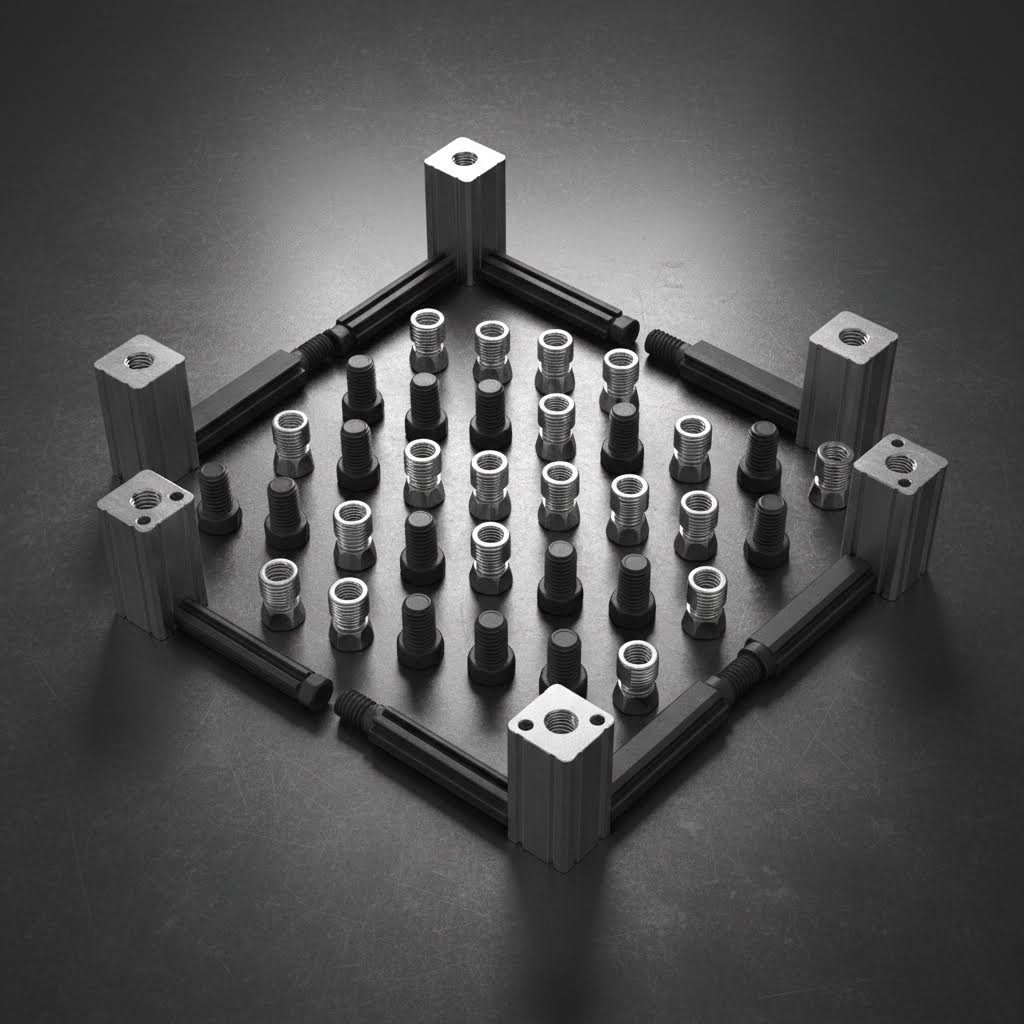
You've selected your 4040 profiles and calculated exactly how many meters you need. Now comes the part where many projects hit unexpected snags: ordering hardware that doesn't actually fit. The frustration of receiving T-nuts that won't slide into your slots—or bolts that bottom out before clamping tight—is entirely avoidable once you understand how 4040 t slot dimensions determine compatibility.
The 8mm slot width standard defines everything about hardware selection for 40-series profiles. This measurement refers to the slot opening at the profile surface—the gap through which fastener heads and T-nut bodies must pass. Unlike the t slot 8020 system which uses 10mm slots for its 80-series profiles, the 40 t series maintains this narrower 8mm standard across manufacturers.
Here's what fits those 8mm slots:
Bolt selection follows directly from your T-nut choice. The 10mm to 12mm slot depth in standard 4040 profiles accommodates specific thread engagement lengths:
Beyond basic T-nuts and bolts, your 4040 t slot assembly requires specialized brackets and connectors designed specifically for 40-series geometry. Using hardware intended for 8020 t slot profiles often leads to fit issues—the larger slot dimensions and different corner geometries simply won't align properly.
Essential connection hardware for 4040 profiles includes:
If you're coming from the 8020 t slot ecosystem, you'll notice the hardware isn't interchangeable. The 8020 system uses larger slots and different bolt patterns. However, the assembly concepts remain identical—understanding one system translates directly to working with the other. Many manufacturers offer adapter brackets for projects that need to integrate both profile sizes.
One final compatibility tip: always verify slot geometry matches your hardware before bulk ordering. While the 8mm slot standard is widely adopted, some manufacturers use proprietary slot profiles with slightly different undercut angles or flange dimensions. Ordering a small test quantity first can save significant frustration and return shipping costs down the line.
With your hardware compatibility sorted, the next consideration is the aluminum itself. The alloy composition and surface treatment you choose affect not just appearance but also dimensional stability and long-term performance.
Here's a detail many suppliers gloss over: two 40 40 aluminum extrusion profiles can share identical dimensions yet perform completely differently under load. The secret lies in what's inside—the aluminum alloy composition and how the surface has been treated. Understanding these material specifications helps you avoid purchasing profiles that look right but fail to deliver the performance your project demands.
Walk into any aluminum extrusion 4040 supplier's catalog, and you'll encounter alloy designations like 6063-T5 or 6061-T6. These aren't arbitrary codes—they tell you exactly what mechanical properties to expect and which applications the profile suits best.
6063 Aluminum Alloy dominates the 40 series aluminum extrusion market for good reason. According to industry experts at Eagle Aluminum, this alloy is widely recognized for its weldability, heat treatability, and corrosion resistance. It's the preferred material for custom aluminum extrusions because it enables the creation of complex shapes with smooth surfaces.
The 6063 alloy contains silicon and magnesium as its primary alloying elements, which contribute to its excellent extrudability. This means manufacturers can produce intricate 40 40 aluminium extrusion profiles with consistent dimensional accuracy and superior surface finish quality. For most framing applications—workbenches, enclosures, 3D printer structures—6063-T5 delivers more than adequate strength while keeping costs reasonable.
6061 Aluminum Alloy steps up when structural demands intensify. This precipitation-hardened alloy undergoes heat treatment that disperses strengthening particles throughout the metal's grain structure, effectively increasing strength and durability. The difference in mechanical performance is substantial:
| Property | 6063-T6 | 6061-T6 | Difference |
|---|---|---|---|
| Ultimate Tensile Strength | ≥28,000 psi | ≥42,000 psi | +50% |
| Yield Strength | ≥23,000 psi | ≥35,000 psi | +52% |
| Surface Finish Quality | Excellent | Good | 6063 superior |
| Extrudability | Excellent | Good | 6063 easier |
| Typical Cost | Lower | Higher | ~15-25% premium |
When should you specify 6061 over 6063? Consider the higher-strength alloy for CNC machine frames bearing cutting forces, heavy automation equipment, or any application where structural failure carries serious consequences. As noted in BRT Extrusions' analysis, high-strength alloys in the 6000 series offer excellent strength and can withstand heavy loads, making them commonly used in aerospace, automotive, and construction applications.
The surface treatment you select affects far more than aesthetics. It influences corrosion resistance, dimensional tolerances, and even how smoothly hardware slides along your T-slots. Here are your primary options:
How does surface treatment affect dimensional accuracy? This matters more than many builders realize. A powder-coated aluminum extrusion 4040 profile might measure 40.15mm instead of 40.00mm due to coating buildup. For precision assemblies, anodized finishes add less dimensional variance while still providing excellent protection.
The alloy and finish combination also impacts thermal conductivity considerations. If your application involves heat dissipation—think electronics enclosures or motor mounting frames—mill finish or thin anodized coatings preserve aluminum's natural thermal performance better than thick powder coatings that act as insulation.
For most 40 series aluminum extrusion projects, the practical recommendation is clear anodized 6063-T5. This combination delivers excellent corrosion resistance, maintains tight dimensional tolerances, costs less than premium alternatives, and handles the load requirements of typical framing applications. Reserve 6061 alloy and specialized coatings for projects where their specific advantages justify the premium.
With material specifications understood, you're ready to match these profiles to real-world applications. Knowing which projects benefit most from 4040's specific characteristics helps ensure your design choices translate into successful builds.
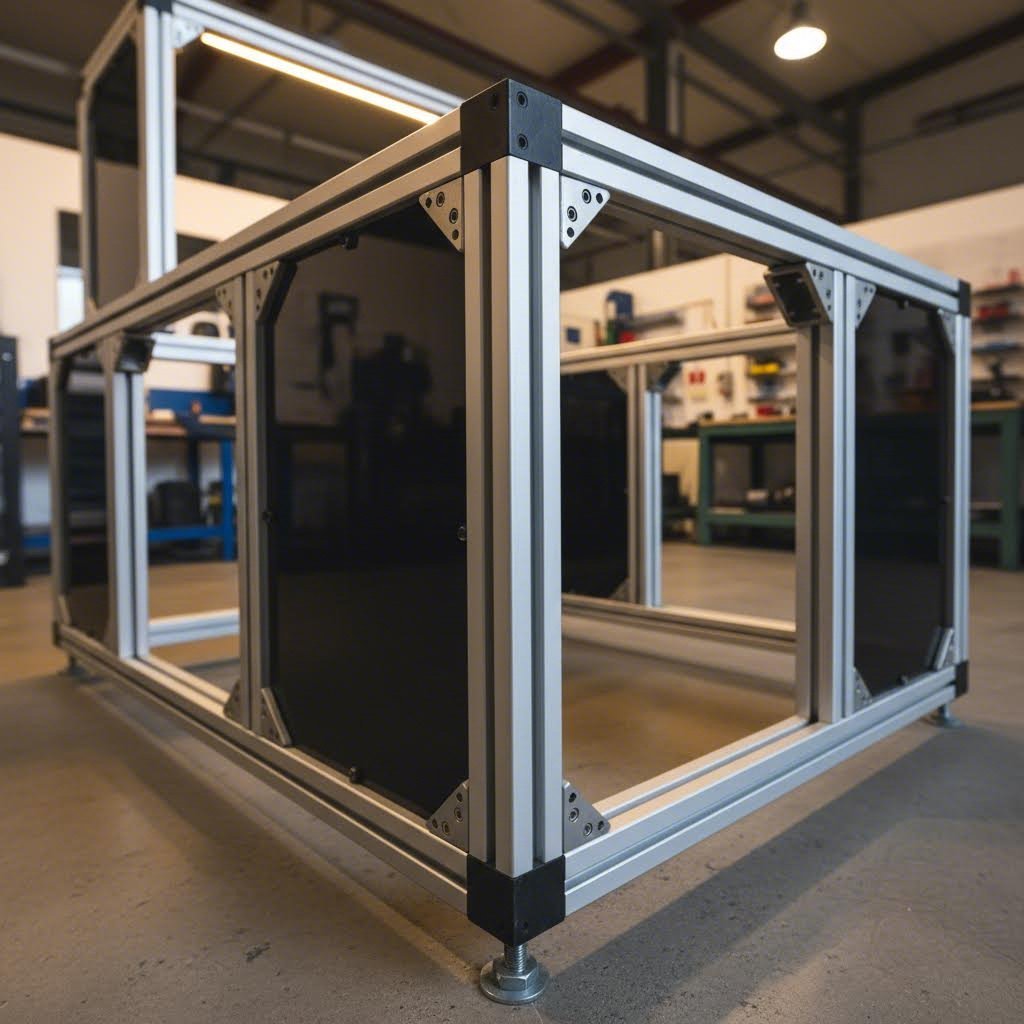
You've absorbed the specifications, compared the sizes, and selected your materials. Now comes the exciting part—putting all that knowledge to work. The aluminum 4040 extrusion finds its way into an impressive range of projects, from basement workshops to factory floors. Understanding which applications benefit most from this profile size helps you design with confidence and avoid costly over-engineering or disappointing under-building.
What makes the 40mm aluminum extrusion such a versatile choice? It's the intersection of three critical factors: sufficient rigidity for demanding applications, manageable weight for practical handling, and cost efficiency that doesn't break project budgets. Let's explore where these characteristics shine brightest.
The 4040 profile has become the backbone of DIY and semi-professional machine building. Its dimensions deliver the structural stability precision equipment demands while remaining accessible to builders working without industrial resources.
Beyond hobbyist applications, the 40mm aluminum extrusion serves serious industrial purposes. Manufacturing facilities worldwide rely on 4040 profiles for applications where the aluminum extrusion 80 20 series might be excessive and smaller profiles insufficient.
Before placing your order, you'll need accurate quantity calculations. Here's a practical approach that prevents both shortages and expensive surplus inventory.
Step 1: Create a Cut List
List every piece of extrusion your design requires with its exact length. Include all vertical posts, horizontal rails, cross-braces, and any diagonal supports. Don't forget internal framing for mounting panels or equipment.
Step 2: Account for Hardware Connections
Corner brackets and connectors occupy space. If using interior corner brackets, subtract approximately 5-8mm from each profile end that meets at a corner to ensure proper fit. This seemingly small detail prevents frustrating assembly issues.
Step 3: Optimize Cutting from Stock Lengths
Standard aluminum 4040 extrusion ships in lengths of 1 meter, 2 meters, 3 meters, or 6 meters depending on supplier. Map your cut list onto available stock lengths to minimize waste. A project requiring pieces of 850mm, 650mm, and 450mm cuts efficiently from 2-meter stock with minimal scrap.
Step 4: Add Contingency
Include 5-10% extra material for cutting errors, design modifications discovered during assembly, and future expansion. The cost of a few extra meters pales compared to project delays waiting for additional shipments.
Quick estimation formula: For rectangular frame structures, calculate total perimeter length × 3 to account for vertical members, horizontal framing, and cross-bracing. Adjust based on your specific design complexity.
Consider this practical example: building a 1000mm × 800mm × 600mm equipment enclosure. The basic perimeter requires (1000 + 800) × 2 = 3600mm for top and bottom frames, plus 600mm × 4 = 2400mm for vertical posts. Cross-bracing and panel supports might add another 3000mm. Total estimate: approximately 9 meters of 40mm aluminum extrusion, rounded up to 10 meters with contingency.
Whether you're tackling a weekend 3D printer enclosure or designing production automation equipment, the 4040 profile consistently delivers the performance these applications demand. Its established position in the market means abundant accessory options, proven design resources, and straightforward sourcing—assuming you know what questions to ask your supplier about dimensional accuracy and manufacturing quality.
Ever measured a "40mm" profile and found it reads 39.8mm on your calipers? Or wondered why one supplier lists dimensions in millimeters while another uses fractions of an inch? You're not imagining things—and you're definitely not alone. These dimensional discrepancies frustrate builders daily, but they're entirely explainable once you understand the standards and tolerances at play.
The 4040 aluminum extrusion dimensions follow metric standards, but many North American suppliers and customers work primarily in imperial units. This creates constant conversion headaches, especially when mixing components from different sources. Here's your definitive reference table:
| Metric Measurement | Exact Imperial Conversion | Common Rounded Value |
|---|---|---|
| 40mm (profile width/height) | 1.5748" | 1.575" or 1-37/64" |
| 8mm (slot width) | 0.3150" | 0.315" or 5/16" |
| 10mm (slot depth) | 0.3937" | 0.394" or 25/64" |
| 2.0mm (wall thickness) | 0.0787" | 0.079" or 5/64" |
| 1 cm = 10mm | 0.3937" | 0.394" or ~3/8" |
| 4 cm = 40mm | 1.5748" | 1.575" or ~1-9/16" |
Why do these conversions matter beyond academic accuracy? Imagine you're designing a mounting plate for your 4040 frame and your CAD software defaults to inches. Entering "1.5" instead of "1.575" creates a 0.075" discrepancy per side—that's nearly 2mm of accumulated error in a four-sided frame. For precision applications, this difference transforms snug fits into frustrating gaps.
The cm 40 mm relationship trips up newcomers particularly often. Remember: 40mm equals 4cm equals approximately 1.575 inches. When comparing 8020 dimensions to 4040 specifications, note that 8020's 80mm translates to roughly 3.15 inches—exactly double the 4040 measurement, which makes hybrid frame calculations more intuitive.
Supplier catalogs use frustratingly inconsistent naming schemes. The same physical profile might appear as "4040," "40×40," "4040-L," "4040-S," or "40 Series Standard." Here's what these variations typically mean:
The 8020 aluminum extrusion dimensions follow similar logic—the first two digits represent width in millimeters, the second two represent height. So 8020 means 80mm × 20mm, creating a rectangular profile rather than the square 4040 cross-section.
When ordering, always request the manufacturer's technical drawing rather than relying on catalog names alone. A "4040 Standard" from one supplier may have different internal geometry than another's "4040-S."
You've received your profiles, grabbed your calipers, and the readings don't match the catalog specs. Before assuming you received defective material, understand that manufacturing tolerances explain most discrepancies.
Standard aluminum extrusion tolerances typically range from ±0.10mm to ±0.25mm depending on the dimension and manufacturer quality standards. A profile listed as "40mm" might legitimately measure anywhere from 39.75mm to 40.25mm and still be within specification. This variance stems from several factors:
For precision-critical applications, request profiles with tighter tolerances—typically available at premium pricing—or plan your design to accommodate standard variance. Using adjustable mounting hardware and slotted connections rather than fixed-position holes naturally compensates for minor dimensional variations.
Understanding these specifications and their practical implications puts you ahead of most builders who order blindly and troubleshoot reactively. The final piece of the puzzle is knowing how to source profiles that consistently meet these standards—and what questions to ask suppliers before committing to large orders.
You've mastered the specifications, selected your materials, and mapped out your project requirements. Now comes the decision that determines whether your carefully planned build succeeds or stumbles: choosing the right supplier. Not all 4040 extrusions are manufactured equally, and the difference between a quality source and a budget alternative often reveals itself only after your profiles arrive—sometimes too late to avoid project delays.
When searching for "80 20 aluminum extrusion near me" or browsing online catalogs for 4040 profiles, the options can feel overwhelming. Prices vary dramatically, lead times range from days to months, and quality claims are difficult to verify before purchase. Here's how to cut through the noise and identify suppliers who deliver profiles meeting the dimensional accuracy your project demands.
The difference between a reliable extrusion supplier and a problematic one often comes down to transparency. Quality manufacturers willingly share detailed specifications, tolerance documentation, and material certifications. Those who dodge technical questions or provide vague answers typically deliver equally vague quality.
Evaluate potential suppliers against these critical criteria:
Whether you're sourcing locally by searching "80 20 aluminum extrusion near me" or considering international manufacturers, these evaluation criteria remain consistent. Geographic proximity offers logistical advantages for large orders, but quality trumps convenience every time.
Ordering profiles in standard stock lengths and cutting them yourself seems economical—until you factor in equipment costs, material waste from imprecise cuts, and time spent on fabrication instead of assembly. Professional processing services often prove more cost-effective, especially for projects requiring dozens or hundreds of precisely cut pieces.
Look for suppliers offering these processing capabilities:
Companies like Shengxin Aluminium exemplify the comprehensive approach quality suppliers take. With over 30 years of industry experience and 35 extrusion presses ranging from 600T to 5500T capacity, they handle everything from die development through final processing under one roof. Their CNC machining centers perform precision cutting, drilling, and bending to exact specifications—eliminating the quality control gaps that occur when fabrication is outsourced across multiple facilities.
Surface treatment capabilities matter equally for dimensional integrity. Shengxin's range includes anodizing in custom colors (champagne, rose gold, and standard options), powder coating for durability, and PVDF finishes for demanding environments. Critically, their technical team accounts for coating thickness in final dimensional specifications, ensuring your 4040 profiles measure correctly after treatment—not before.
Even experienced builders occasionally stumble when sourcing extrusions. Here are the pitfalls to sidestep:
Mistake 1: Prioritizing price over consistency. The cheapest profiles often carry hidden costs—dimensional variance requiring rework, soft alloys that deflect under load, or surface defects that become apparent only during assembly. Calculate total project cost including potential rework, not just unit price.
Mistake 2: Ignoring lead times. Custom-cut profiles and specialty finishes require production scheduling. Order four to six weeks ahead for processed profiles, longer for large quantities or unusual specifications. Rush orders typically carry premium pricing that erases any savings from shopping around.
Mistake 3: Ordering exact quantities. Always include 5-10% contingency. Cutting errors, design changes discovered during assembly, and future modifications all consume extra material. Reordering small quantities later means additional shipping costs and potential batch-to-batch variations.
Mistake 4: Skipping incoming inspection. Verify critical dimensions on received profiles before beginning assembly. Catching tolerance issues early enables supplier resolution while profiles can still be returned. Discovering problems mid-build leaves you choosing between project delays or working around defects.
The best supplier relationship begins with a test order. Purchase a single length, verify dimensions match specifications, evaluate cut quality and surface finish, then scale up confidently.
Finding the right 4040 extrusion supplier transforms your project experience from troubleshooting dimensional surprises to focusing on what matters—building something excellent. Whether sourcing from established names like Misumi aluminum extrusion catalogs or exploring direct manufacturer relationships, the evaluation criteria remain consistent: documented tolerances, certified materials, comprehensive processing capabilities, and responsive technical support. Invest time in supplier selection upfront, and your profiles will arrive ready to assemble rather than ready to frustrate.
The 4040 aluminum extrusion measures 40mm x 40mm (approximately 1.575" x 1.575") in cross-sectional dimensions. Standard profiles feature 8mm wide T-slots on each face, slot depths of 10-12mm, wall thickness ranging from 2.0-2.5mm for standard variants, and a center bore diameter of 6.8-8.0mm for M8 bolt connections. Weight typically ranges from 1.2 to 1.8 kg/m depending on the profile variant.
The primary differences involve size and slot dimensions. The 4040 is a metric 40mm x 40mm profile with 8mm slots, while 8020 refers to both the brand 80/20 Inc. and 80mm x 20mm rectangular profiles. The 8080 profile (80mm x 80mm) offers approximately four times the cross-sectional area of 4040, significantly higher load capacity, and uses 10mm slots. Choose 4040 for mid-range applications like CNC frames and workbenches; reserve larger profiles for heavy industrial machinery.
Strength varies by variant and alloy. Standard 4040 profiles made from 6063-T5 aluminum offer tensile strength around 28,000 psi, while 6061-T6 variants reach approximately 42,000 psi. Moment of inertia ranges from roughly 8 cm⁴ for light-duty profiles to over 12 cm⁴ for heavy-duty versions. Wall thickness (1.5mm to 3.5mm) significantly impacts load capacity—heavy-duty 4040 can offer 30-40% more structural strength than light-duty alternatives.
The 4080 aluminum profile measures 40mm x 80mm (1.57" x 3.15"), featuring a rectangular cross-section with six 8mm T-slots and 12mm slot depth. Weighing approximately 2.4 kg/m, the 4080 provides directional rigidity—offering 8020-level strength in the 80mm direction while maintaining 4040 dimensions in the 40mm direction. This makes it ideal for machine bases and linear motion systems where loads are primarily vertical.
4040 profiles use the 8mm slot standard, compatible with drop-in T-nuts, slide-in T-nuts, spring-loaded T-nuts, hammer nuts, and roll-in T-nuts. These accept M5, M6, and M8 bolts—M6 being the workhorse size for most bracket connections. Hardware designed for 6mm or 10mm slots won't fit properly. Essential accessories include interior/exterior corner brackets, T-brackets, corner cubes, gusset plates, and panel mounting clips—all specifically rated for 40-series compatibility.



 Интернет Сервис
 0086 136 3563 2360
 sales@sxalu.com
 +86 136 3563 2360
 русский
 English
 français
 Deutsch
 español
 português
 العربية
 ไทย
 Việt
 Українська